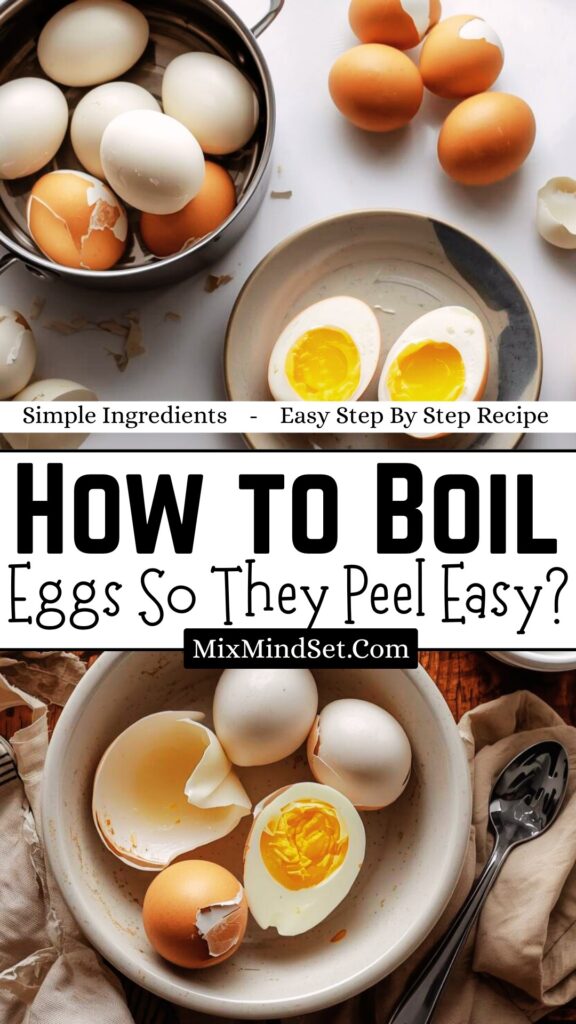
How to Boil Eggs So They Peel Easily?
Boiling eggs sounds simple, but anyone who has ended up with shells sticking stubbornly to the white knows it does not always go smoothly.
If you have ever peeled half the egg away with the shell, you are not alone. The good news is that a few small technique changes can make a big difference.
In this guide, you will learn how to boil eggs so they peel easy, along with the best timing, cooling method, and common mistakes to avoid. Whether you want eggs for breakfast, meal prep, salads, or deviled eggs, this method helps you get smooth, cleanly peeled eggs with less frustration.
Why Some Boiled Eggs Are Hard to Peel?
Before getting into the method, it helps to know why peeling can be tricky in the first place.
Fresh eggs are usually harder to peel because the egg white clings more tightly to the inner membrane of the shell. As eggs age slightly, the pH changes, which helps the shell separate more easily from the cooked white.
A few things affect peeling:
- Egg freshness
- Cooking method
- Cooling method
- How the eggs are peeled
That means easy-peel boiled eggs are not just about boiling. They are about the full process from pot to ice bath.
Table of Contents
The Best Way to Boil Eggs So They Peel Easily
If your goal is easy peeling, the most reliable method is to start with boiling water, cook the eggs gently, then cool them quickly in an ice bath.
Easy-Peel Boiled Eggs Method
What you need
- 6 to 12 large eggs
- Water
- Ice
- A saucepan or pot
- A bowl for an ice bath
Step-by-step instructions
- Bring water to a boil first
Fill a pot with enough water to cover the eggs by about 1 inch. Bring it to a gentle boil. - Lower the eggs into the water carefully
Use a spoon or skimmer to lower each egg into the boiling water gently. This helps prevent cracking. - Reduce to a gentle boil and cook
Once the eggs are in, keep the water at a light boil and cook based on the doneness you want. - Prepare an ice bath while the eggs cook
Fill a large bowl with cold water and plenty of ice. - Transfer eggs immediately to the ice bath
As soon as the cooking time is up, move the eggs into the ice bath. Let them sit for at least 10 to 15 minutes. - Crack and peel under running water if needed
Gently tap the egg all over, roll it lightly on the counter, and peel from the wider end where there is usually a small air pocket.
Video Guide 🎥
This method works well because the hot start helps separate the egg from the shell, while the ice bath stops cooking and helps loosen the membrane.
Egg Boiling Time Chart
The exact time depends on how soft or firm you want the yolk. Here is a simple guide for large eggs lowered into already-boiling water.
| Egg Style | Cooking Time | Yolk Texture | Best For |
|---|---|---|---|
| Soft-boiled | 6 to 7 minutes | Jammy and soft | Toast, ramen, breakfast |
| Medium-boiled | 8 to 9 minutes | Slightly creamy center | Salads, grain bowls |
| Hard-boiled | 10 to 12 minutes | Fully set | Meal prep, deviled eggs, sandwiches |
Tip: For classic hard-boiled eggs that peel easily and slice neatly, 11 minutes is a great starting point.
Tips That Help Eggs Peel More Easily:
A few extra details can improve your results even more.
Use slightly older eggs
Very fresh eggs are usually harder to peel. Eggs that are about 7 to 10 days old often peel better than brand-new ones.
Start with boiling water
Many people place eggs in cold water and bring everything to a boil together. That can work, but a hot start often gives better peeling results.
Do not skip the ice bath
This is one of the most important steps. The sudden cooling helps the egg contract slightly inside the shell and makes peeling easier.
Peel once the eggs are fully cooled
Warm eggs can sometimes tear more easily. Cooling them first usually leads to a cleaner peel.
Peel under water
Running water or peeling in a bowl of water can help lift tiny shell pieces and slide the shell away more smoothly.
Common Mistakes to Avoid:
Even a small mistake can make boiled eggs harder to peel than they need to be. Here are the most common ones:
- Using very fresh eggs right away
- Overcooking the eggs, which can create a rubbery white and a green ring around the yolk
- Skipping the ice bath
- Boiling too aggressively, which can crack the shells
- Trying to peel them too roughly
- Cooking too many eggs in a cramped pot, which can lead to uneven results
If your eggs keep tearing while peeling, the issue is usually not one single mistake. It is often a mix of freshness, cooking time, and not cooling them fast enough.
How to Peel Boiled Eggs the Easy Way?
Once your eggs are cooked and chilled, use this simple peeling method:
- Tap the egg gently on the counter.
- Crack it all over with light pressure.
- Start peeling from the larger end.
- Slip your thumb under the membrane.
- Peel under cool running water if needed.
The membrane is the key. If you can get under it, the shell usually comes off in larger pieces.
Best Uses for Easy-Peel Hard-Boiled Eggs
When your eggs peel neatly, they look better and work well in all kinds of meals. Try them in:
- Egg salad
- Potato salad
- Cobb salad
- Deviled eggs
- Breakfast meal prep
- Protein snack boxes
- Sandwiches and wraps
Smooth peeled eggs are especially helpful when appearance matters, like for party platters or lunch prep.
Storage Tips for Boiled Eggs:
If you are making eggs ahead of time, proper storage matters.
- Store hard-boiled eggs in the refrigerator
- Keep them unpeeled if possible for best freshness
- Use within 1 week
- If peeled, store in a covered container and eat sooner for best texture
You can also label the container so you know when you cooked them.
FAQ
Why are my hard-boiled eggs still hard to peel?
The most common reasons are very fresh eggs, no ice bath, or a cooking method that does not help separate the shell from the white. Starting with boiling water and chilling the eggs right away usually helps.
Is it better to boil eggs from cold water or boiling water?
For easier peeling, many people get better results by lowering eggs into already-boiling water. It is a simple change that often improves how the shell releases.
How long should eggs sit in ice water?
Let them sit for at least 10 to 15 minutes. This stops the cooking and helps the shell pull away more easily from the egg.
Do older eggs peel better than fresh eggs?
Yes, slightly older eggs often peel more easily than very fresh ones. Eggs that have been in the fridge for about a week are usually a good choice for hard boiling.
Can I make easy-peel eggs without ice water?
You can, but the peeling is often less reliable. The ice bath is one of the easiest ways to improve results, so it is worth doing.
Conclusion
Learning how to boil eggs so they peel easy comes down to a few practical steps: use slightly older eggs, lower them into boiling water, cook them for the right amount of time, and chill them in an ice bath right away. These small changes can turn frustrating boiled eggs into smooth, easy-to-peel ones that look and taste better.
Once you try this method a couple of times, it becomes second nature. Whether you are prepping breakfast for the week or making a batch for salads and snacks, easy-peel boiled eggs are absolutely doable at home.