How to Make Ravioli From Scratch?
There is something deeply satisfying about making ravioli from scratch at home. From rolling out fresh pasta dough to filling each piece with a creamy, flavorful center, homemade ravioli feels special in a way store-bought pasta rarely does.
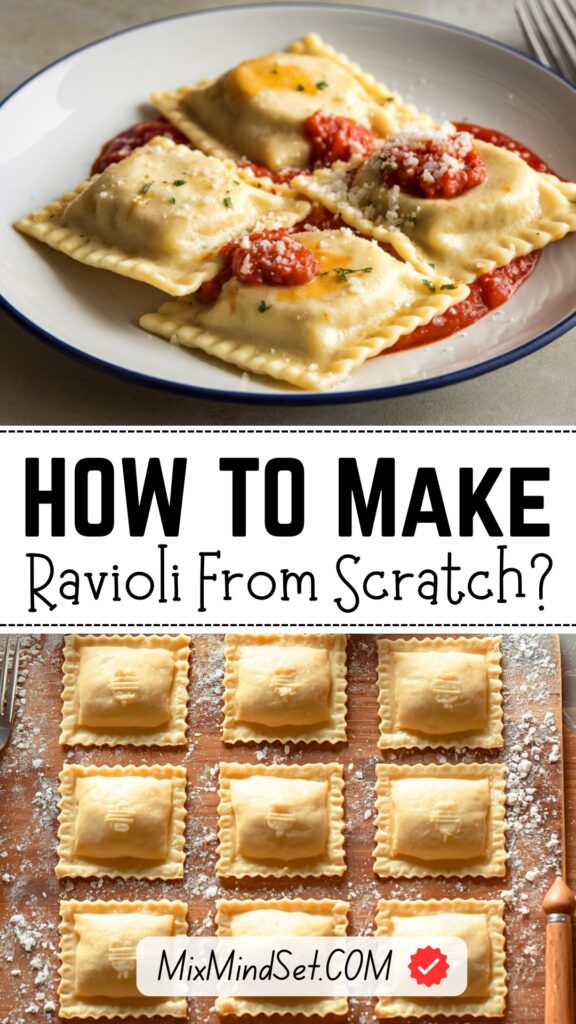
It may look like a project best left to Italian grandmothers or fancy restaurants, but the truth is that it is very doable in a home kitchen.
Once you learn the basics, the process becomes simple and enjoyable. You only need a handful of ingredients, a little patience, and a good filling.
The result is tender pasta with a fresh texture and rich flavor that is hard to beat. Whether you want to make a classic cheese ravioli, prepare a dinner for guests, or just try a new cooking skill, this guide will walk you through everything clearly.
In this post, you will learn how to make ravioli from scratch, including the dough, filling, shaping, cooking, and helpful tips for success.
Why Homemade Ravioli Is Worth Making?
Homemade ravioli takes more effort than opening a package from the freezer, but the difference in taste and texture is worth it. Fresh pasta dough is soft, delicate, and cooks quickly. The filling can be customized to match your taste, whether you want cheese, spinach, mushrooms, or meat.
Here are a few reasons home cooks love making ravioli:
- Fresh flavor that tastes better than most packaged options
- Custom fillings for different preferences
- Better texture with tender pasta and rich filling
- A fun cooking project for weekends or special dinners
If this is your first time making pasta, ravioli is a great place to start because it teaches you dough handling, filling balance, and shaping all in one recipe.
Ingredients for Ravioli From Scratch
The beauty of homemade ravioli is that the ingredients are basic and easy to find. A traditional ravioli dough usually uses flour and eggs, while the filling can vary.
Ravioli Dough Ingredients
| Ingredient | Amount | Notes |
|---|---|---|
| All-purpose flour | 2 cups | Can also use Italian “00” flour for a smoother dough |
| Eggs | 3 large | Room temperature works best |
| Olive oil | 1 teaspoon | Adds a little elasticity |
| Salt | 1/2 teaspoon | For flavor |
Classic Cheese Filling Ingredients
| Ingredient | Amount | Notes |
|---|---|---|
| Ricotta cheese | 1 cup | Use whole milk ricotta if possible |
| Parmesan cheese | 1/2 cup | Freshly grated for best flavor |
| Mozzarella cheese | 1/2 cup | Optional, for extra richness |
| Egg yolk | 1 | Helps bind the filling |
| Salt | 1/4 teaspoon | Adjust to taste |
| Black pepper | 1/4 teaspoon | Adds mild warmth |
| Chopped parsley | 1 tablespoon | Optional for freshness |
Helpful Kitchen Tools
| Tool | Why It Helps |
|---|---|
| Rolling pin or pasta machine | To roll the dough thin and even |
| Ravioli cutter or knife | To shape neat pieces |
| Fork | To help seal edges if needed |
| Pastry brush or finger dipped in water | To moisten dough edges |
| Large pot | For boiling ravioli gently |
How to Make Ravioli From Scratch? Step by Step
Making ravioli is easier when you break it into small steps. The key is to prepare the dough first, let it rest, then make the filling while the dough relaxes.
Make the Ravioli Dough
Start by placing the flour on a clean countertop or in a large mixing bowl. Make a well in the center and add the eggs, olive oil, and salt.
Use a fork to beat the eggs gently, pulling in a little flour at a time. Once the mixture starts to come together, knead it with your hands for about 8 to 10 minutes until the dough becomes smooth and elastic.
If the dough feels too dry, add a few drops of water. If it feels too sticky, dust it lightly with flour. Wrap the dough in plastic wrap or cover it with a bowl and let it rest for 30 minutes.
This resting time matters because it relaxes the gluten and makes the dough much easier to roll.
Prepare the Filling
In a bowl, combine the ricotta, Parmesan, mozzarella if using, egg yolk, salt, pepper, and parsley. Mix until smooth and creamy.
The filling should be thick, not watery. If your ricotta seems too wet, let it drain in a fine mesh strainer for a while before mixing. A thick filling helps keep the ravioli sealed and prevents leaking during cooking.
Roll Out the Dough
Cut the rested dough into 2 or 4 smaller pieces so it is easier to work with. Roll one piece at a time, keeping the rest covered so it does not dry out.
Use a rolling pin or pasta machine to roll the dough into thin sheets. You want it thin enough that it feels delicate, but not so thin that it tears. In most cases, about 1/16 inch thick works well.
Lay one sheet of dough on a lightly floured surface.
Fill and Shape the Ravioli
Place small spoonfuls of filling on the dough sheet, spacing them about 1 to 1 1/2 inches apart. Brush a little water around each mound of filling. Place another sheet of dough over the top.
Press around each filling mound carefully to remove air pockets. This step is important because trapped air can make ravioli burst during cooking.
Cut into squares, circles, or rectangles using a knife, pizza cutter, or ravioli stamp. Press the edges firmly to seal.
Place the finished ravioli on a floured tray or baking sheet while you repeat with the remaining dough and filling.
Ravioli Making Process at a Glance
| Step | What to Do | Key Tip |
|---|---|---|
| Mix dough | Combine flour, eggs, oil, and salt | Knead until smooth |
| Rest dough | Cover and leave for 30 minutes | Do not skip this step |
| Make filling | Mix cheeses and seasonings | Keep filling thick |
| Roll dough | Roll into thin sheets | Keep unused dough covered |
| Fill and seal | Add filling and press edges well | Remove air pockets |
| Cook | Boil gently for 3 to 5 minutes | Do not overcrowd the pot |
How to Cook Homemade Ravioli?
Bring a large pot of salted water to a gentle boil. Fresh ravioli cooks quickly, usually in about 3 to 5 minutes, depending on thickness and filling size.
Drop the ravioli in carefully and stir gently once so they do not stick to the bottom. When they float and the pasta is tender, they are ready.
Use a slotted spoon to transfer them out of the pot. Avoid dumping them into a colander too roughly, because fresh ravioli is delicate.
Homemade ravioli pairs well with many sauces, including:
- Brown butter and sage
- Simple marinara sauce
- Creamy Alfredo
- Olive oil with garlic and Parmesan
A light sauce is often best because it lets the fresh pasta and filling shine.
Tips for the Best Homemade Ravioli:
A few practical tips can make a big difference, especially if this is your first batch.
- Do not overfill the ravioli or they may burst
- Seal edges tightly to keep the filling inside
- Keep dough covered while working so it does not dry out
- Use light flouring to prevent sticking, but not so much that the dough becomes dry
- Test-cook one ravioli first if you want to check the seal and seasoning
Common Mistakes to Avoid
| Mistake | What Happens | How to Avoid It |
|---|---|---|
| Dough too thick | Ravioli feels heavy or chewy | Roll dough thinner |
| Dough too thin | Ravioli tears easily | Stop before it becomes paper-thin |
| Watery filling | Ravioli leaks during cooking | Drain ricotta and keep filling thick |
| Too much filling | Seals break open | Use small spoonfuls |
| Air trapped inside | Ravioli may burst | Press around filling gently before cutting |
Can You Freeze Homemade Ravioli?
Yes, homemade ravioli freezes very well. Arrange uncooked ravioli in a single layer on a floured baking sheet and freeze until firm. Then transfer them to a freezer-safe bag or container.
Cook frozen ravioli directly from the freezer. Do not thaw first, or they may become sticky and soft. Just add an extra minute or two to the cooking time.
This makes ravioli a great make-ahead meal for busy days.
FAQ About How to Make Ravioli From Scratch
Do I need a pasta machine to make ravioli?
No, you can use a rolling pin. A pasta machine makes the job easier and helps create even sheets, but homemade ravioli can absolutely be made by hand.
What is the best flour for ravioli dough?
All-purpose flour works well for most home cooks. Italian “00” flour gives a finer, silkier texture, but it is not required.
Why did my ravioli fall apart while cooking?
This usually happens because the edges were not sealed well, the filling was too wet, or air was trapped inside. Press the edges firmly and keep the filling thick.
Can I make ravioli without eggs?
Yes, you can make egg-free pasta dough using flour, water, olive oil, and salt. The texture will be a little different, but it still works.
What filling can I use besides cheese?
You can fill ravioli with many mixtures, including spinach and ricotta, mushroom, butternut squash, seasoned meat, or even lobster for a special meal.
Conclusion
Learning how to make ravioli from scratch is one of those kitchen skills that feels impressive but is actually very manageable once you understand the steps. With a simple dough, a flavorful filling, and a little care while shaping, you can create fresh ravioli that tastes comforting, homemade, and far better than most store-bought versions.
The first batch may take a little extra time, but it gets easier with practice. Once you get comfortable, you can try new fillings, different shapes, and your favorite sauces. Homemade ravioli is not just a recipe. It is a rewarding cooking experience that turns simple ingredients into something truly special.