Soba Noodle Recipe
If you’re looking for a light, nutty, and satisfying noodle dish that comes together faster than takeout, soba noodles are your answer.
Made from buckwheat flour, these Japanese noodles have a distinct earthy flavor and a pleasantly chewy texture.
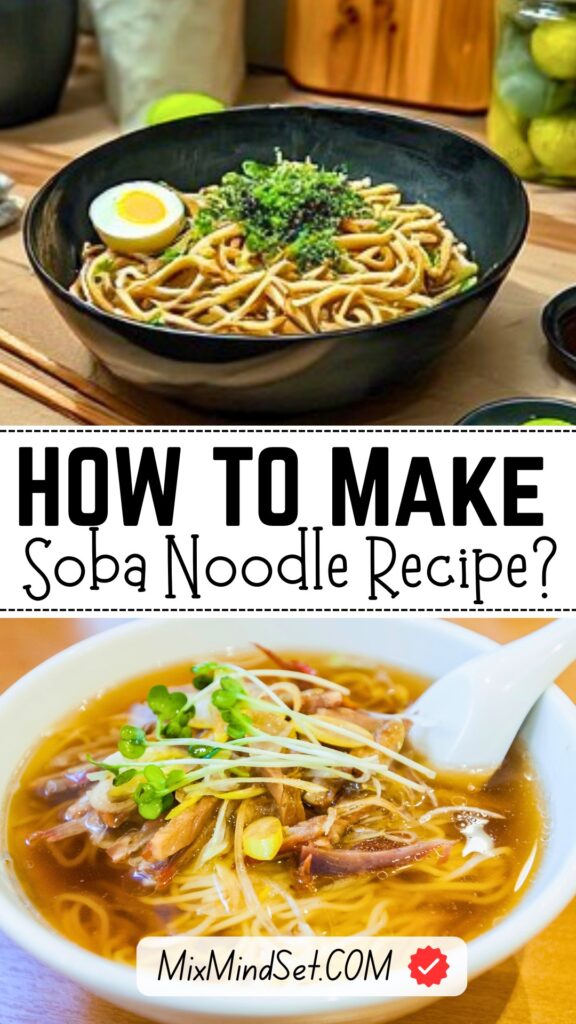
Whether you serve them cold with a dipping sauce (zaru soba) or hot in a savory broth (kake soba), they’re a blank canvas for vegetables, protein, and bold seasonings.
I’m Fatima, and this recipe gives you both methods. You’ll learn how to cook soba perfectly (no mushy noodles here), plus two delicious ways to dress them. It’s healthy, gluten‑free friendly, and ready in the time it takes to boil water.
Table of Contents
Why Soba Noodles Deserve a Spot in Your Kitchen?
Soba noodles are more than just a pasta alternative. They offer unique benefits that make them a weeknight hero.
- Quick cooking – Ready in 4‑5 minutes, faster than most dried pastas.
- Nutritious – Buckwheat is rich in fiber, protein, and rutin (an antioxidant).
- Gluten‑free option – 100% buckwheat soba is naturally gluten‑free (check labels – many brands mix in wheat).
- Versatile – Amazing cold in summer or hot in a warming broth for winter.
The key to great soba? Don’t overcook it, and always rinse it thoroughly after boiling. That step removes excess starch and stops the cooking instantly.
Ingredients You’ll Need
For the Noodles (Base)
| Ingredient | Quantity | Notes |
|---|---|---|
| Dried soba noodles | 8‑10 oz (2‑3 bundles) | Look for “juwari” (100% buckwheat) or “nihachi” (80% buckwheat/20% wheat) |
| Water | Large pot | For boiling |
| Salt | 1 tbsp | For the boiling water |
For the Cold Soba with Dipping Sauce (Zaru Soba)
| Ingredient | Quantity | Notes |
|---|---|---|
| Soy sauce (or tamari) | ¼ cup | Use gluten‑free tamari if needed |
| Mirin | 2 tbsp | Sweet Japanese cooking wine |
| Dashi stock | ½ cup | Or use ½ cup water + ¼ tsp dashi powder |
| Green onions | 2 tbsp | Thinly sliced |
| Wasabi paste | 1 tsp | Optional, for heat |
| Nori (seaweed) | 1 sheet | Cut into thin strips |
| Toasted sesame seeds | 1 tbsp | For garnish |
For the Hot Soba in Broth (Kake Soba)
| Ingredient | Quantity | Notes |
|---|---|---|
| Dashi stock | 4 cups | Or vegetable broth + a pinch of kombu |
| Soy sauce | 3 tbsp | |
| Mirin | 2 tbsp | |
| Sugar | 1 tsp | Optional, to balance |
| Cooked protein (tofu, shrimp, or chicken) | ½ cup | Optional |
| Spinach or bok choy | 1 cup | Blanched |
| Soft‑boiled egg | 1 per bowl | Optional |
Pro tip: Dashi powder (hondashi) is sold in most Asian grocery stores or online. It’s instant and makes authentic broth in seconds.
How to Cook Soba Noodles Perfectly (The Golden Rule)
1. Boil the Water Properly
- Fill a large pot with plenty of water (at least 4 quarts for 8 oz of noodles). Soba releases a lot of starch – crowded water makes sticky noodles.
- Bring to a rolling boil, then add 1 tbsp salt. Salt seasons the noodles from within.
2. Cook for Exactly 4‑5 Minutes
- Add soba noodles, stirring immediately with chopsticks or tongs to prevent clumping.
- Cook according to package instructions (usually 4 minutes for al dente, 5 for tender).
- Taste a strand 30 seconds before the time is up – it should be firm but not chalky inside.
3. Drain and Rinse (Critical Step)
- Drain into a colander. Rinse under cold running water for 30 seconds, using your hands to gently rub the noodles. This washes off surface starch.
- For cold soba: Continue rinsing until the water runs clear and noodles are cold. Shake off excess water.
- For hot soba: Rinse briefly with cold water, then dip in boiling water for 10 seconds to reheat. (Or skip rinse for hot broth – but noodles will be stickier.)
Never let cooked soba sit in hot water. It turns to mush in 2 minutes.
Recipe 1: Cold Soba with Dipping Sauce (Zaru Soba)
Perfect for warm days or as a light lunch.
Make the Dipping Sauce (Tsuyu)
- In a small saucepan, combine ¼ cup soy sauce, 2 tbsp mirin, and ½ cup dashi stock.
- Bring to a gentle simmer over medium heat, then turn off. Let cool to room temperature.
- Optional: Add 1 tsp sugar if you prefer sweeter sauce.
Assemble the Dish
- Arrange the rinsed, cold soba noodles on a bamboo mat or in a shallow bowl.
- Place the dipping sauce in a small bowl on the side.
- Garnish noodles with nori strips, green onions, sesame seeds, and a dab of wasabi.
- How to eat: Pick up a bite of noodles with chopsticks, dip into the sauce (don’t soak – just a quick dip), and slurp happily.
Video Guide 📺
Recipe 2: Hot Soba in Broth (Kake Soba)
Cozy, soothing, and ready in 10 minutes.
Make the Broth
- In a pot, combine 4 cups dashi stock, 3 tbsp soy sauce, 2 tbsp mirin, and 1 tsp sugar.
- Bring to a simmer over medium heat. Taste and adjust – it should be savory, slightly sweet, and not too salty.
Reheat the Noodles
- After rinsing the cooked soba, bring a separate pot of water to a boil. Dip the noodles for 10 seconds, then drain. (Or add cold noodles directly to hot broth – they’ll warm up quickly.)
Assemble the Bowl
- Place a portion of hot noodles in a deep bowl.
- Ladle hot broth over the noodles.
- Top with blanched spinach or bok choy, soft‑boiled egg, sliced green onions, and your choice of protein.
- Serve immediately with a spoon and chopsticks.
Video Guide 🎥
Pro Tips & Common Mistakes to Avoid
Do this ✅
- Use a large pot – More water = less sticky noodles.
- Rinse thoroughly – This is non‑negotiable for cold soba; for hot soba, a quick rinse still helps.
- Make extra dipping sauce – It keeps in the fridge for a week and works on rice, veggies, or tofu.
- Add toppings for texture – Crunchy veggies, sesame seeds, or nori contrast the soft noodles.
Avoid that ❌
- Overcooking – Soba goes from perfect to pasty in 30 seconds. Set a timer.
- Skipping the rinse – Unrinsed soba becomes a gluey blob. Even for hot broth, a rinse improves texture.
- Boiling noodles in the broth – Always cook soba in plain salted water. Starch will cloud and thicken your broth.
- Using old soba – Check expiration dates. Old buckwheat can taste rancid or bitter.
Nutrition Facts (Per Serving – 2 oz dry soba, without toppings)
| Nutrient | Amount |
|---|---|
| Calories | 210 kcal |
| Protein | 8 g |
| Fat | 1 g |
| Carbohydrates | 44 g |
| Fiber | 3 g |
| Sugar | 1 g |
| Sodium | 210 mg (plain noodles) |
Frequently Asked Questions
Are soba noodles gluten‑free?
Only if labeled 100% buckwheat (juwari). Many brands mix wheat flour (nihachi) for easier handling. Read ingredients carefully. For gluten‑free, use tamari instead of soy sauce.
Can I use soba noodles in stir‑fries?
Yes. Cook and rinse as usual, then toss in a hot wok at the very end (just to warm through). Add sauce and vegetables – frying for more than 1 minute makes them mushy.
Why did my soba noodles turn purple or gray?
That’s normal! Buckwheat naturally contains a pigment that can turn the cooking water or noodles slightly purple or gray, especially if you use alkaline water or let them sit. It’s harmless and doesn’t affect flavor.
How do I store leftover cooked soba?
Toss rinsed, drained noodles with a tiny bit of sesame oil to prevent sticking. Store in an airtight container in the fridge for up to 2 days. Reheat by dipping in boiling water for 10 seconds – never microwave.
What’s the best substitute for dashi?
Mix 2 cups water + 1 small piece kombu (kelp) + a handful of bonito flakes. Simmer for 5 minutes, then strain. For a vegetarian version, use shiitake mushroom soaking liquid or vegetable broth with a dash of soy sauce.
Can I make the dipping sauce ahead?
Absolutely. It keeps in the fridge for 1 week. Serve cold or at room temperature – no need to reheat.
Topping Ideas to Elevate Your Soba Bowl
| For Cold Soba | For Hot Soba |
|---|---|
| Shredded cucumber | Sliced shiitake mushrooms |
| Grated daikon radish | Poached or soft‑boiled egg |
| Pickled ginger | Tofu (silken or fried) |
| Tempura shrimp or veggies | Thinly sliced green onions |
| Sesame seeds (black & white) | Nori strips |
Final Thoughts
Soba noodles are the ultimate quick, healthy, and versatile meal. Once you master the rinse‑and‑dip method, you can go from cold summer noodles to hot comforting bowls with the same bag of noodles. Keep dashi powder and good soy sauce in your pantry, and you’re always 15 minutes away from a satisfying meal.
Try both recipes – cold soba on a hot afternoon, hot soba when you need a hug in a bowl. And don’t forget to slurp. It’s polite in Japan.