37+ Simple Macros Diet for Beginners
If you’ve heard people talk about “counting macros” and felt completely lost, you’re not alone. The fitness world loves jargon, but the truth is, tracking macros is just a more flexible way of eating that focuses on protein, carbohydrates, and fats instead of just calories. You can still eat bread, chocolate, and pasta — just in the right amounts for your body.
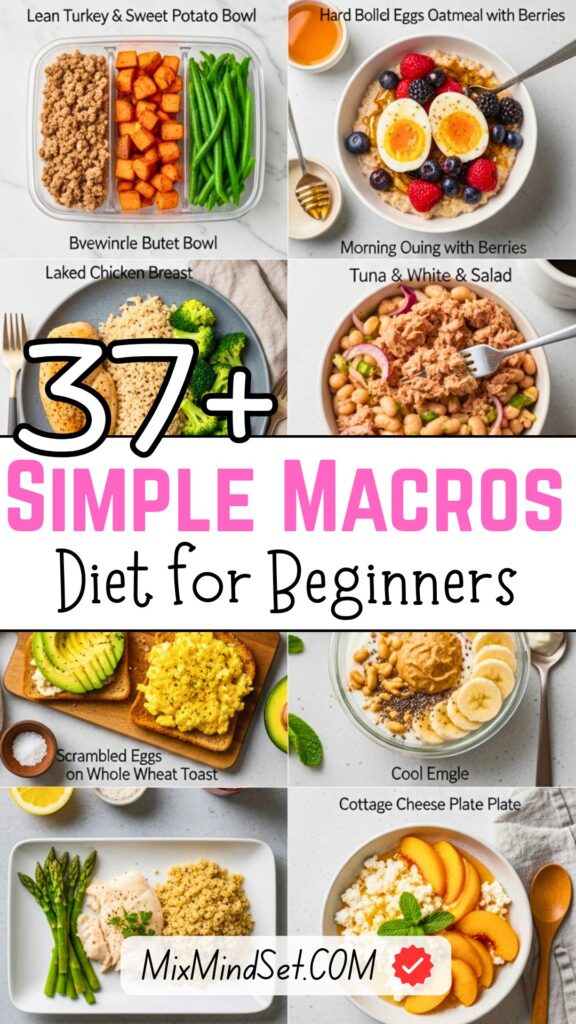
This guide is for absolute beginners. No complicated math. No expensive apps required (though they help). Just simple, practical advice to get you started with macro tracking, plus over 37 easy meal ideas and three complete recipes. By the end, you’ll know exactly how to build meals that fit your goals, whether that’s weight loss, muscle gain, or just feeling more energetic.
What Are Macros? (In Plain English)
Macros is short for macronutrients — the three main components of all food:
- Protein – 4 calories per gram. Builds muscle, repairs tissue, keeps you full.
- Carbohydrates – 4 calories per gram. Your body’s main energy source.
- Fats – 9 calories per gram. Essential for hormones, brain function, and absorbing vitamins.
Every food you eat is a mix of these three. Chicken breast is mostly protein, with a little fat. Rice is almost all carbs. Olive oil is pure fat. A cookie has carbs, fat, and a tiny bit of protein.
Why Bother Counting Macros?
Unlike basic calorie counting, macro tracking ensures you’re getting the right kind of calories. You could eat 1,500 calories of donuts and lose weight, but you’d feel terrible, lose muscle, and crave food constantly. Macro tracking helps you fuel your body properly while still enjoying foods you love.
The 80/20 rule: Aim to hit your macro targets 80% of the time. The other 20% can be for flexibility — a slice of birthday cake, a dinner out, a glass of wine.
How to Calculate Your Macros (The Simple Way)
You don’t need a degree in nutrition. Follow these three steps.
Step 1: Find Your Maintenance Calories
Use this quick estimate:
- Sedentary (little to no exercise): Body weight in lbs × 12
- Lightly active (1-3 workouts/week): Body weight in lbs × 13-14
- Moderately active (3-5 workouts/week): Body weight in lbs × 15-16
- Very active (6-7 workouts/week): Body weight in lbs × 17-18
Example: A 150 lb woman who exercises 3-4 times per week → 150 × 15 = 2,250 maintenance calories.
Step 2: Adjust for Your Goal
- Weight loss: Subtract 300-500 calories (eat 1,750-1,950 in the example)
- Weight/muscle gain: Add 300-500 calories (eat 2,550-2,750)
- Maintenance: Keep the same
Step 3: Set Your Macro Split
A balanced beginner split is:
| Macro | Percentage of calories | For 2,000 calories |
|---|---|---|
| Protein | 30% | 150g (30% × 2000 ÷ 4 = 150g) |
| Carbohydrates | 40% | 200g (40% × 2000 ÷ 4 = 200g) |
| Fats | 30% | 67g (30% × 2000 ÷ 9 = ~67g) |
This is a flexible starting point. Active people may increase carbs; those on low-carb plans may increase fats.
37+ Simple Macro-Friendly Meal Ideas (By Meal)
You don’t need complicated recipes. These are basic building blocks you can mix and match.
Breakfast Ideas (10 Ideas)
- Greek yogurt bowl – ¾ cup plain Greek yogurt + ½ cup berries + 1 tbsp chia seeds + 1 tbsp honey.
- Scrambled eggs & toast – 3 eggs + 2 slices whole wheat bread + 1 tsp butter.
- Protein oatmeal – ½ cup oats cooked with 1 scoop vanilla protein powder + ¼ cup blueberries.
- Peanut butter banana smoothie – 1 cup unsweetened almond milk + 1 scoop protein + 1 tbsp peanut butter + ½ banana.
- Cottage cheese & peach – 1 cup low-fat cottage cheese + 1 sliced peach + 2 tbsp chopped walnuts.
- Breakfast burrito – 1 large tortilla + 2 scrambled eggs + ¼ cup black beans + 2 tbsp salsa + 1 oz shredded cheese.
- Avocado toast with egg – 1 slice sourdough + ¼ avocado + 1 poached egg.
- Chia pudding – 3 tbsp chia seeds + 1 cup coconut milk + ½ tsp vanilla + ½ cup raspberries.
- Turkey & egg white scramble – 4 egg whites + 3 oz diced turkey + 1 cup spinach + 1 slice whole grain toast.
- Apple & peanut butter – 1 medium apple + 2 tbsp natural peanut butter (quick on-the-go).
Lunch Ideas (12 Ideas)
- Grilled chicken salad – 5 oz grilled chicken + mixed greens + cucumber + bell peppers + 2 tbsp light vinaigrette.
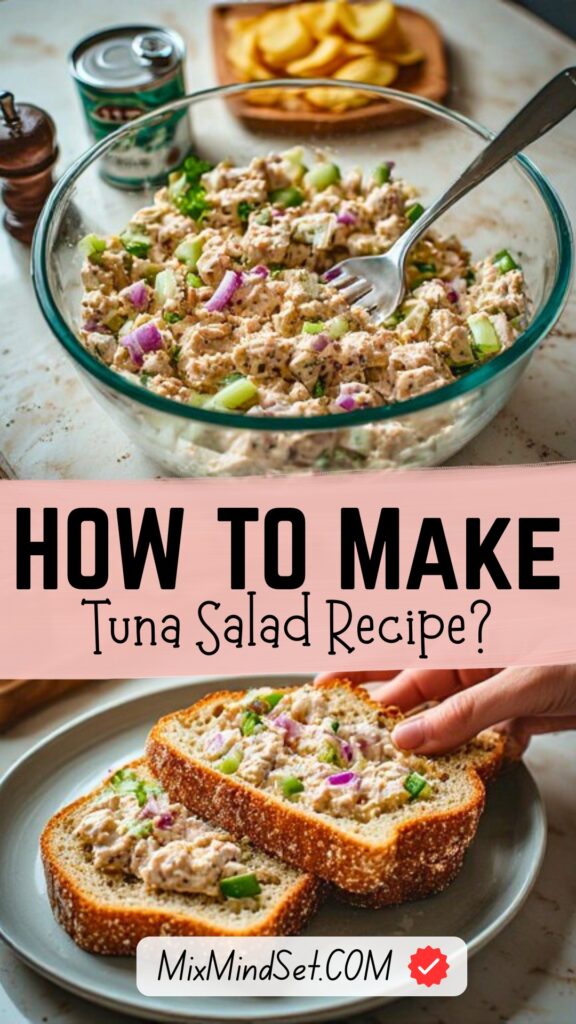
- Tuna wrap – 1 can tuna (in water) mixed with 2 tbsp Greek yogurt + 1 whole wheat wrap + lettuce + tomato.
- Quinoa & chickpea bowl – 1 cup cooked quinoa + ½ cup chickpeas + diced cucumber + feta + lemon- olive oil.
- Leftover salmon & rice – 4 oz salmon + 1 cup brown rice + steamed broccoli.
- Turkey & cheese roll-ups – 4 slices turkey + 1 slice provolone + mustard + pickle spear.
- Lentil soup – 1.5 cups lentil soup + 1 small whole wheat roll.
- Egg salad sandwich – 3 hard-boiled eggs, mashed with 1 tbsp mayo, on 2 slices whole grain bread + side of baby carrots.
- Beef & veggie stir-fry – 4 oz lean beef strips + 1 cup mixed bell peppers & onions + ½ cup cooked brown rice.
- Hummus & veggie plate – ½ cup hummus + carrot sticks + cucumber slices + 6 whole grain crackers.
- Cobb salad (light) – 3 oz grilled chicken + 2 boiled egg whites + 2 tbsp blue cheese + mixed greens + light dressing.
- Black bean quinoa bowl – 1 cup quinoa + ½ cup black beans + corn + salsa + ¼ avocado.
- Protein smoothie bowl – 1 scoop protein + ½ frozen banana + ¼ cup almond milk + 1 tbsp peanut butter + top with granola.
Dinner Ideas (10 Ideas)
- Baked salmon & asparagus – 5 oz salmon + 1 cup asparagus + ½ cup quinoa + lemon dill sauce.
- Lean turkey meatballs & zucchini noodles – 4 meatballs + 2 cups spiralized zucchini + ½ cup marinara + parmesan.
- Chicken & roasted vegetables – 5 oz chicken thigh + 1 cup Brussels sprouts + ½ sweet potato, roasted with 1 tbsp olive oil.
- Shrimp stir-fry – 5 oz shrimp + bok choy + snap peas + 1 tbsp soy sauce + ½ cup jasmine rice.
- Tofu & broccoli sheet pan – 6 oz firm tofu (cubed) + 2 cups broccoli + 1 tbsp sesame oil + ½ cup brown rice.
- Lean beef burger – 4 oz 93% lean beef patty + whole wheat bun + lettuce + tomato + 1 tbsp ketchup + side salad.
- Chicken burrito bowl – 5 oz shredded chicken + 1 cup brown rice + black beans + corn + salsa + ¼ avocado.
- Pasta with turkey bolognese – 1.5 cups whole wheat pasta + 4 oz lean ground turkey + ¾ cup marinara + 1 tbsp parmesan.
- White fish & ratatouille – 5 oz cod + 1 cup roasted eggplant, zucchini, bell peppers + ½ cup couscous.
- Lentil & sweet potato shepherd’s pie – Filling: lentils, sweet potato topping, side of green beans.
Snack Ideas (8 Ideas)
- Greek yogurt (½ cup) + 1 tbsp honey
- Apple slices (1 medium) + 2 tbsp peanut butter
- Protein bar (choose one with <10g sugar and at least 15g protein)
- Cottage cheese (½ cup) + cucumber slices
- Hard-boiled eggs (2)
- Trail mix – ¼ cup almonds + 1 tbsp dark chocolate chips + 1 tbsp dried cranberries
- Rice cakes (2) + 1 tbsp almond butter + banana slices
- Turkey roll-ups (2 slices turkey + 1 slice cheese)
3 Complete Macro-Friendly Recipes (Numbered)
Recipe 1: Macro-Perfect Protein Oatmeal
A balanced breakfast with 30g protein, 40g carbs, and 12g fat.
Ingredients:
| Ingredient | Amount | Protein | Carbs | Fat |
|---|---|---|---|---|
| Rolled oats | ½ cup | 5g | 27g | 3g |
| Vanilla protein powder | 1 scoop (30g) | 20g | 3g | 2g |
| Unsweetened almond milk | ¾ cup | 1g | 1g | 2g |
| Banana (sliced) | ½ medium | 1g | 15g | 0g |
| Natural peanut butter | 1 tbsp | 4g | 3g | 8g |
| Cinnamon | ¼ tsp | 0g | 0g | 0g |
| Totals | 31g | 49g | 15g |
Instructions:
- In a small saucepan, combine oats, almond milk, and a pinch of salt. Bring to a simmer over medium heat.
- Reduce heat to low and cook for 5 minutes, stirring occasionally.
- Remove from heat. Stir in protein powder and cinnamon until smooth. (Add extra milk if too thick.)
- Transfer to a bowl. Top with banana slices and peanut butter. Serve warm.
Nutritional Facts (per serving):
| Nutrient | Amount |
|---|---|
| Calories | 460 |
| Protein | 31g |
| Carbohydrates | 49g |
| Fiber | 9g |
| Sugar | 12g |
| Fat | 15g |
Recipe 2: Macro-Balanced Tuna Salad Wrap
A high-protein, moderate-carb lunch ready in 5 minutes.
Ingredients:
| Ingredient | Amount | Protein | Carbs | Fat |
|---|---|---|---|---|
| Canned tuna (in water, drained) | 1 can (5 oz) | 25g | 0g | 1g |
| Plain Greek yogurt | 2 tbsp | 3g | 2g | 0g |
| Diced celery | ¼ cup | 0g | 1g | 0g |
| Whole wheat wrap (large) | 1 | 6g | 25g | 3g |
| Mixed greens | 1 cup | 0.5g | 1g | 0g |
| Totals | 34.5g | 29g | 4g |
Instructions:
- In a small bowl, mix tuna, Greek yogurt, and diced celery until combined.
- Lay the wrap flat. Layer mixed greens on the lower third.
- Spoon tuna mixture over greens. Roll tightly, tucking in the sides.
- Slice in half and serve. Add a side of baby carrots for extra fiber.
Nutritional Facts (per serving – wrap only):
| Nutrient | Amount |
|---|---|
| Calories | 310 |
| Protein | 35g |
| Carbohydrates | 29g |
| Fiber | 5g |
| Fat | 4g |
Recipe 3: High-Protein Chocolate Peanut Butter Smoothie
A dessert-like shake that fits your macros perfectly.
Ingredients:
| Ingredient | Amount | Protein | Carbs | Fat |
|---|---|---|---|---|
| Chocolate protein powder | 1 scoop | 20g | 3g | 2g |
| Frozen banana | 1 medium | 1g | 27g | 0g |
| Natural peanut butter | 1 tbsp | 4g | 3g | 8g |
| Unsweetened almond milk | 1 cup | 1g | 1g | 3g |
| Ice cubes | 3 | 0g | 0g | 0g |
| Totals | 26g | 34g | 13g |
Instructions:
- Add all ingredients to a blender.
- Blend on high until smooth and creamy (about 30 seconds).
- Pour into a glass. Drink immediately.
Nutritional Facts (per serving):
| Nutrient | Amount |
|---|---|
| Calories | 370 |
| Protein | 26g |
| Carbohydrates | 34g |
| Fiber | 7g |
| Sugar | 15g (natural) |
| Fat | 13g |
5 Common Mistakes Beginners Make
1. Being too rigid.
Trying to hit your macros perfectly every day leads to burnout.
Solution: Aim for hitting within 5-10g of each target daily. Focus on weekly averages.
2. Forgetting to track oils, sauces, and drinks.
A tablespoon of olive oil (14g fat) or a creamy coffee drink can blow your fat budget without you noticing.
Solution: Track everything that has calories, including cooking oils, dressings, and milk in coffee.
3. Eating too little fiber.
High-protein diets can cause constipation if you ignore fiber.
Solution: Include vegetables, fruits, legumes, or whole grains at every meal. Aim for 25-30g fiber daily.
4. Relying too heavily on protein bars and shakes.
Whole foods are more satisfying and nutrient-dense.
Solution: Use supplements for convenience, not as meal replacements. Get most of your protein from real food.
5. Not adjusting as your weight changes.
Your macro needs shift as you lose or gain weight.
Solution: Recalculate every 10 lbs of weight loss/gain or every 4-6 weeks.
Frequently Asked Questions
Do I need to weigh all my food?
A food scale is the most accurate tool. But you can start with standard measuring cups and spoons. Over time, you’ll learn to eyeball portions: 3 oz chicken = deck of cards, 1 cup rice = tennis ball, 1 tbsp peanut butter = thumb tip.
What’s the best app for tracking macros?
MyFitnessPal, Cronometer, and Lose It! are the most popular. Cronometer is particularly accurate for micronutrients. All have free versions.
Can I eat out and still hit my macros?
Yes. Choose grilled over fried, sauces on the side, and estimate portions. Most chain restaurants have nutrition info online. For local spots, visually estimate: 4 oz protein (palm size), 1 cup carbs (fist), 1-2 cups veggies.
Do I need to eat every 2-3 hours?
No. Meal timing is personal preference. Some people do well with 3 meals, others with 4-5 smaller meals. Focus on hitting daily totals, not eating frequency.
What if I’m vegetarian or vegan?
You can absolutely track macros plant-based. Prioritize tofu, tempeh, edamame, lentils, chickpeas, beans, seitan, and plant-based protein powders. You may need slightly higher carb intake to meet calorie needs.
How long should I track macros?
Track consistently for at least 4-6 weeks to learn portion sizes and how your body responds. Many people then switch to “intuitive macros” — eating similar meals without logging every bite. Periodic check-ins (e.g., 1 week per month) keep you on track.
Your First Week Action Plan
- Day 1: Download a tracking app. Just log everything you normally eat for 1 day — no judgment, just data.
- Day 2-3: Calculate your macro targets using the method above. Start aiming for those numbers.
- Day 4-7: Prep one macro-friendly meal (e.g., the tuna salad wrap) to have ready. Continue tracking.
By the end of week one, you’ll already see patterns: maybe you eat too little protein at breakfast or too many carbs at dinner. Adjust as you go.
Final Thoughts: Macros Are a Tool, Not a Tyrant
Counting macros can feel overwhelming at first, but it gets easier. Within a few weeks, you’ll know that a chicken breast is protein, rice is carbs, and avocado is fat. You’ll build meals without thinking. The flexibility is what makes macros sustainable — you can have pizza, ice cream, or wine, as long as you adjust the rest of your day.
Start simple. Use the meal ideas above to build a week of eating. Don’t aim for perfection. Aim for consistency. Your body will thank you with better energy, body composition, and freedom around food.
You don’t need a perfect diet. You just need a better understanding of what’s on your plate.
Disclaimer: This article is for informational purposes only. Consult a registered dietitian or healthcare provider before making significant dietary changes, especially if you have medical conditions or disordered eating history.