25+ Pescatarian Diet for Beginners
Maybe you want to reduce your meat intake but aren’t ready to give up all animal protein. Maybe you’ve heard that fish is good for your heart and brain. Or perhaps you’re looking for a flexible, satisfying way to eat more plants without feeling deprived. Whatever your reason, the pescatarian diet is one of the easiest and most nutritious “flexitarian” approaches.
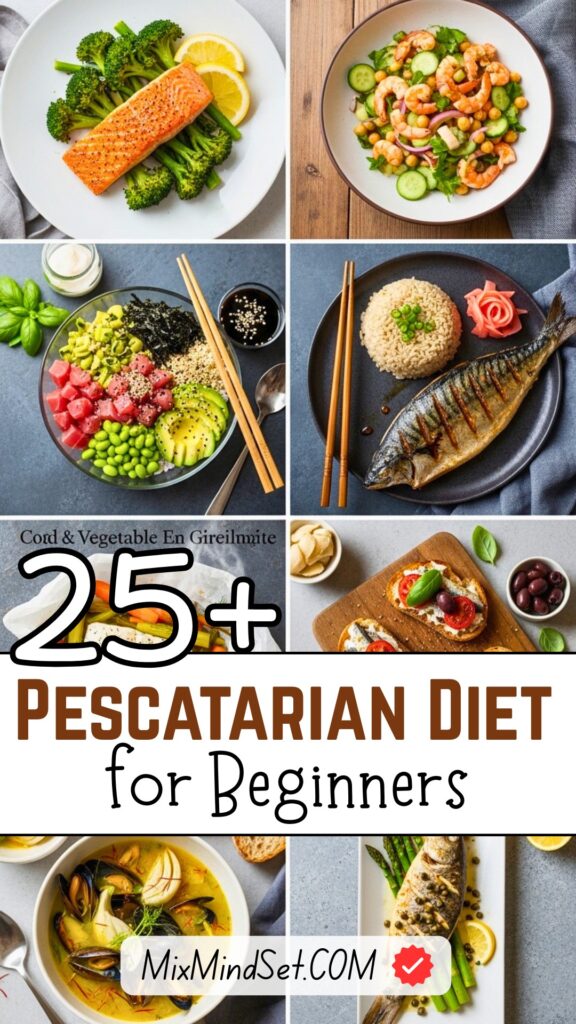
A pescatarian diet means you eat fish and seafood along with plant‑based foods (vegetables, fruits, grains, legumes, nuts, seeds), and you typically include dairy and eggs as well. You simply avoid all land animal meat: beef, pork, chicken, turkey, and lamb.
This beginner’s guide gives you over 25 practical meal ideas, three complete recipes with nutritional breakdowns, and everything you need to start a pescatarian lifestyle with confidence.
What Is a Pescatarian Diet? (And Why It Works)
A pescatarian is essentially a vegetarian who eats fish and seafood. You get the benefits of a plant‑forward diet – high fiber, vitamins, antioxidants – plus the unique nutrition of seafood: omega‑3 fatty acids, vitamin B12, vitamin D, and high‑quality protein.
Many people choose pescatarianism for:
- Heart health – Omega‑3s from fish reduce inflammation and lower triglycerides.
- Brain function – DHA (a type of omega‑3) supports memory and mood.
- Sustainability – Some seafood has a lower environmental footprint than land animal meat.
- Ease of transition – You don’t have to give up familiar dishes like omelettes, yogurt, or cheese.
Key fact: Studies show that pescatarians have a similar or lower risk of chronic disease compared to vegetarians, with added protection against heart disease from regular fish consumption.
Top Health Benefits of Going Pescatarian
| Benefit | How It Helps |
|---|---|
| Heart protection | Omega‑3s lower blood pressure, reduce plaque, and decrease heart attack risk. |
| Brain health | Regular fish intake is linked to slower cognitive decline and lower depression rates. |
| Weight management | Fish is lean, high in protein, and keeps you full. Plant fiber adds volume without calories. |
| Reduced inflammation | Seafood and plants both contain anti‑inflammatory compounds. |
| Nutrient density | You get B12, iron, zinc, and vitamin D from fish and eggs – nutrients often low in strict vegan diets. |
Essential Pescatarian Foods: Your Shopping List
Use this table to stock your kitchen.
| Category | Best Choices |
|---|---|
| Fish (fatty) | Salmon, mackerel, sardines, trout, herring (high omega‑3) |
| Fish (lean) | Cod, tilapia, haddock, halibut, sea bass, catfish |
| Shellfish | Shrimp, scallops, clams, mussels, oysters, crab, lobster |
| Canned/sealed | Tuna (skipjack or albacore, light), sardines, anchovies, smoked salmon |
| Vegetables | Leafy greens, broccoli, cauliflower, bell peppers, zucchini, carrots, asparagus |
| Fruits | Berries, apples, bananas, oranges, kiwi, melon |
| Whole grains | Oats, quinoa, brown rice, whole wheat pasta, barley, farro |
| Legumes | Lentils, chickpeas, black beans, kidney beans, edamame |
| Dairy & eggs | Eggs, Greek yogurt, cottage cheese, low‑fat milk, feta, mozzarella |
| Nuts & seeds | Walnuts, almonds, chia seeds, flaxseeds, pumpkin seeds |
| Healthy fats | Olive oil, avocado, nut butters |
| Herbs & spices | All – dill, parsley, basil, turmeric, garlic, ginger, etc. |
Sustainability tip: Look for wild‑caught or responsibly farmed seafood with certifications like MSC (Marine Stewardship Council) or ASC.
25+ Easy Pescatarian Meal Ideas for Beginners
Here are over 25 simple, delicious meals. No complicated techniques. Mix and match throughout your week.
Breakfast Ideas (7 Ideas)
- Smoked salmon & avocado toast – Whole grain bread topped with mashed avocado, sliced smoked salmon, and a sprinkle of capers or dill.
- Scrambled eggs with spinach & feta – 2 eggs, 1 cup spinach, 1 tbsp feta. Serve with a slice of whole grain toast.
- Greek yogurt bowl – ¾ cup plain Greek yogurt, ½ cup berries, 1 tbsp chia seeds, 1 tbsp honey.
- Cottage cheese & peach – ½ cup low‑fat cottage cheese, ½ sliced peach, sprinkle of black pepper.
- Tuna & egg breakfast wrap – 1 small tortilla, ½ can tuna (in water), 2 scrambled eggs, a little hot sauce.
- Oatmeal with walnuts & banana – ½ cup oats cooked with water or milk, topped with ½ banana and 1 tbsp walnuts.
- Smoked trout & cream cheese on rice cakes – 2 rice cakes spread with low‑fat cream cheese, topped with flaked smoked trout.
Lunch Ideas (8 Ideas)
- Salmon & quinoa salad – Flaked canned or leftover salmon over 1 cup cooked quinoa, cucumber, tomato, feta, lemon‑olive oil dressing.
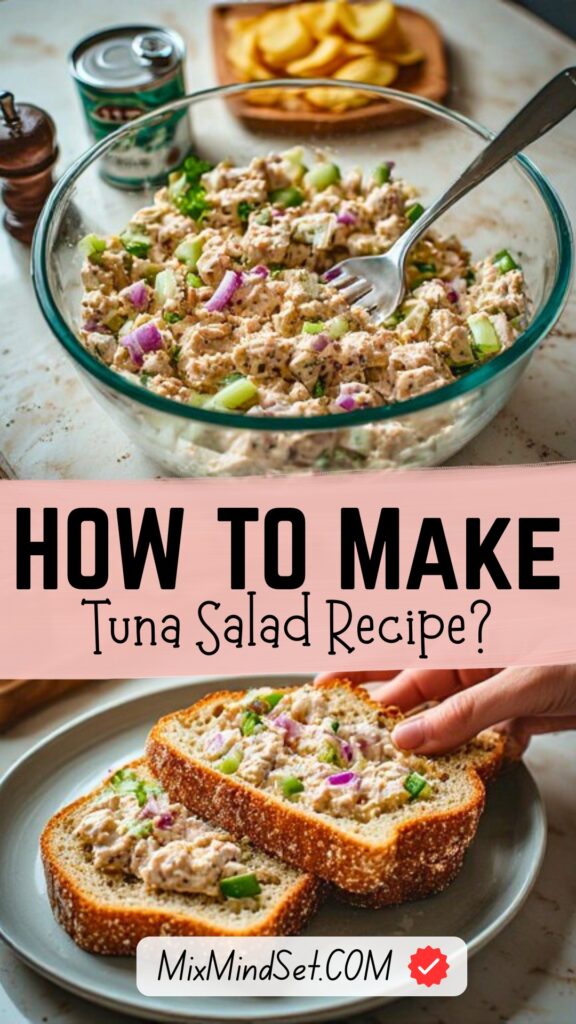
- Tuna salad lettuce wraps – 1 can tuna (in water) mixed with Greek yogurt and diced celery, spooned into butter lettuce leaves.
- Shrimp & avocado wrap – Whole wheat tortilla, 4 oz cooked shrimp, ¼ avocado, shredded lettuce, and a drizzle of lime juice.
- Leftover fish cakes – Use leftover cooked white fish mixed with mashed potatoes, formed into patties, pan‑fried lightly.
- Canned sardines on toast – 1 can sardines (in olive oil) mashed with a fork on 2 slices of whole grain toast, topped with fresh parsley.
- Chickpea & tuna salad – Mix ½ can chickpeas, ½ can tuna, diced red onion, parsley, lemon juice, olive oil.
- Smoked salmon & cream cheese roll‑ups – Sliced cucumber, spread with cream cheese, topped with smoked salmon, rolled.
- Quinoa & edamame bowl – 1 cup cooked quinoa, ½ cup shelled edamame, shredded carrots, sesame seeds, soy‑ginger dressing.
Dinner Ideas (8 Ideas)
- Baked lemon dill salmon – 5 oz salmon fillet, lemon slices, fresh dill, baked at 400°F for 12‑15 min. Serve with roasted asparagus and brown rice.
- Shrimp stir‑fry – 6 oz shrimp, bell peppers, broccoli, snap peas, ginger, low‑sodium tamari. Serve over brown rice or rice noodles.
- Cod & vegetable sheet pan – White fish fillets, zucchini, cherry tomatoes, olives, olive oil, oregano. Bake together.
- Tuna pasta – Whole wheat pasta, canned tuna in olive oil, capers, parsley, black pepper (skip if you avoid tomatoes).
- Fish tacos – Grilled or baked white fish (tilapia or cod), corn tortillas, cabbage slaw, lime crema (Greek yogurt mixed with lime).
- Coconut curry shrimp – Shrimp simmered in light coconut milk with turmeric, ginger, and spinach. Serve over quinoa.
- Mussels marinara (no garlic/onion if sensitive) – Fresh or frozen mussels steamed in low‑sodium marinara sauce with fresh basil. Serve with crusty bread.
- Salmon burgers – Canned or fresh salmon mixed with breadcrumbs, egg, dill, formed into patties and pan‑seared. Serve on a bun with lettuce and avocado.
Snacks (5 Ideas)
- Canned sardines on crackers – 2‑3 sardines on whole grain crackers.
- Greek yogurt with flaxseed – ½ cup yogurt + 1 tbsp ground flaxseed.
- Hard‑boiled egg – Sprinkle with paprika or everything bagel seasoning.
- Tuna & cucumber bites – Slices of cucumber topped with a spoonful of tuna salad.
- Handful of smoked almonds (or regular almonds)
3 Complete Pescatarian Recipes for Beginners (Numbered)
Recipe 1: One‑Pan Lemon Dill Salmon & Vegetables
Minimal cleanup, maximum flavor. Perfect for weeknights.
Ingredients:
| Ingredient | Amount |
|---|---|
| Salmon fillets (wild or farmed) | 2 (6 oz each) |
| Asparagus (trimmed) | 1 bunch |
| Cherry tomatoes | 1 cup |
| Lemon (sliced) | 1 |
| Fresh dill (chopped) | 2 tbsp |
| Olive oil | 2 tbsp |
| Garlic powder | ½ tsp |
| Salt & pepper | To taste |
Instructions:
- Preheat oven to 400°F (200°C). Line a baking sheet with parchment.
- Place salmon fillets, asparagus, and cherry tomatoes on the sheet.
- Drizzle with olive oil. Sprinkle with garlic powder, salt, pepper, and fresh dill.
- Top salmon with lemon slices.
- Bake for 12‑15 minutes until salmon flakes easily and vegetables are tender.
Nutritional Facts (per serving – 1 fillet + ½ vegetables):
| Nutrient | Amount |
|---|---|
| Calories | 450 |
| Protein | 38g |
| Carbohydrates | 12g |
| Fiber | 5g |
| Total Fat | 28g |
| Saturated Fat | 4g |
| Omega‑3 | ~2.5g |
Recipe 2: Quick Tuna & White Bean Salad
A no‑cook, high‑protein lunch that’s ready in 5 minutes.
Ingredients:
| Ingredient | Amount |
|---|---|
| Canned tuna (in water, drained) | 1 can (5 oz) |
| Cannellini beans (rinsed) | 1 can (15 oz) |
| Red onion (finely diced, optional if sensitive) | 2 tbsp |
| Fresh parsley (chopped) | ¼ cup |
| Lemon juice | 2 tbsp |
| Olive oil | 1 tbsp |
| Salt & pepper | To taste |
Instructions:
- In a bowl, flake tuna with a fork.
- Add beans, onion (if using), parsley, lemon juice, olive oil, salt, and pepper.
- Toss gently to combine. Serve cold over mixed greens or with whole grain crackers.
Nutritional Facts (per serving – half of recipe):
| Nutrient | Amount |
|---|---|
| Calories | 380 |
| Protein | 32g |
| Carbohydrates | 28g |
| Fiber | 8g |
| Total Fat | 15g |
| Saturated Fat | 2g |
| Sodium | 300mg (rinsed beans) |
Recipe 3: Coconut Lime Shrimp & Quinoa Bowls
Bright, creamy, and packed with protein.
Ingredients:
| Ingredient | Amount |
|---|---|
| Large shrimp (peeled, deveined) | 1 lb |
| Light coconut milk | ½ cup |
| Lime juice | 2 tbsp |
| Fresh ginger (grated) | 1 tbsp |
| Garlic (minced – omit if sensitive) | 1 clove |
| Cooked quinoa | 2 cups |
| Avocado (sliced) | 1 |
| Fresh cilantro | ¼ cup |
Instructions:
- In a small bowl, whisk together coconut milk, lime juice, ginger, and garlic.
- Heat a skillet over medium heat. Add shrimp and cook for 2‑3 minutes until pink.
- Pour coconut mixture over shrimp. Simmer for 1‑2 minutes until slightly thickened.
- Divide quinoa into bowls. Top with shrimp and sauce, avocado slices, and cilantro.
Nutritional Facts (per serving – ¼ of recipe):
| Nutrient | Amount |
|---|---|
| Calories | 410 |
| Protein | 28g |
| Carbohydrates | 34g |
| Fiber | 7g |
| Total Fat | 19g |
| Saturated Fat | 6g |
5 Common Mistakes Beginners Make
1. Eating only canned tuna every day.
Tuna is convenient, but some species are high in mercury (albacore). Variety is key.
Solution: Eat a mix of salmon, sardines, mackerel, shrimp, scallops, and smaller fish like anchovies.
2. Frying everything in heavy oil.
Fish is naturally lean. Frying adds unnecessary fat and calories.
Solution: Bake, broil, steam, or grill your seafood. Use herbs, citrus, and spices for flavor.
3. Neglecting plant protein.
A pescatarian diet should still be mostly plants. Relying solely on fish for protein means missing out on fiber and antioxidants.
Solution: Include beans, lentils, tofu, and edamame in at least 2‑3 meals per week.
4. Overlooking sustainable choices.
Some seafood is overfished or farmed unsustainably.
Solution: Use apps like Seafood Watch or look for MSC/ASC labels. Choose wild‑caught salmon, sardines, and shellfish when possible.
5. Forgetting about omega‑3s from plants.
Fish isn’t the only source. Flaxseeds, chia seeds, walnuts, and hemp seeds also provide ALA (a plant omega‑3).
Solution: Add ground flaxseed to your oatmeal or smoothie daily.
Frequently Asked Questions
Is a pescatarian diet safe during pregnancy?
Yes, with caution. Fish provides DHA essential for fetal brain development. Choose low‑mercury fish: salmon, sardines, trout, anchovies, herring, and shrimp. Limit tuna to 1 serving per week. Avoid raw fish (sushi) and high‑mercury fish (shark, swordfish, king mackerel, tilefish).
Can I eat dairy and eggs on a pescatarian diet?
Yes. Most pescatarians include dairy and eggs. If you want to avoid them, that’s a “vegan pescatarian” (sometimes called “seagan”), but it’s less common. For beginners, include eggs and yogurt for easy protein.
How often should I eat fish?
Aim for 2‑3 servings of fatty fish per week (each serving about 4‑6 oz). On other days, eat plant‑based proteins like beans, lentils, eggs, or dairy. This balances omega‑3s and mercury exposure.
What about mercury? Should I be worried?
Mercury is a concern for large predatory fish eaten frequently. Limit: tuna (albacore) to 1 serving per week, and avoid shark, swordfish, king mackerel, and tilefish. Low‑mercury choices: salmon, sardines, anchovies, trout, herring, shrimp, scallops, clams, and mussels.
Is canned fish healthy?
Yes, canned fish is often more affordable and convenient. Choose tuna packed in water (not oil), sardines in water or olive oil, and salmon with bones (extra calcium). Look for BPA‑free cans or pouches.
Will I miss meat?
Many beginners are surprised that they don’t miss meat at all. Fish and seafood offer a wide range of textures and flavors, and plant‑based meals are naturally satisfying. If you crave meat, start with “pescatarian weekdays, meat weekends” as a transition.
Can I eat out as a pescatarian?
Easily. Most restaurants have at least one fish or shrimp dish. Ask for no meat broths (e.g., chicken stock in soups) and beware of “surf and turf” (just order the seafood). Sushi places, seafood restaurants, and Mediterranean spots are especially pescatarian‑friendly.
Your Simple 1‑Day Pescatarian Meal Plan
| Meal | Food |
|---|---|
| Breakfast | Smoked salmon & avocado toast + 1 hard‑boiled egg |
| Lunch | Tuna & white bean salad over mixed greens |
| Afternoon snack | Greek yogurt with 1 tbsp flaxseed |
| Dinner | Baked lemon dill salmon with roasted asparagus and quinoa |
| Evening snack | Handful of walnuts + 5 strawberries |
Final Thoughts
The pescatarian diet is one of the most flexible and enjoyable ways to eat for health. You get the best of the plant world – fiber, vitamins, antioxidants – plus the unique benefits of seafood: omega‑3s, B12, and vitamin D. You won’t feel deprived, because fish is incredibly versatile, from quick tuna salads to elegant salmon dinners.
Start with the 25+ meal ideas above. Pick 3‑4 recipes to try in your first week. Don’t stress about perfection – if you eat a chicken breast at a family gathering, that’s fine. Progress, not perfection.
Your journey to a healthier, more sustainable plate begins with one fish dinner. Enjoy it.
Disclaimer: This article is for informational purposes only. If you are pregnant, nursing, or have a medical condition, consult your healthcare provider before making significant dietary changes.