51+ Healthy Snack Ideas for Kids
Getting kids to eat healthy snacks can feel like a battle. Many packaged snacks are full of added sugar, artificial colors, and empty calories. But kids still need between-meal fuel to keep their energy steady, their brains sharp, and their moods balanced.
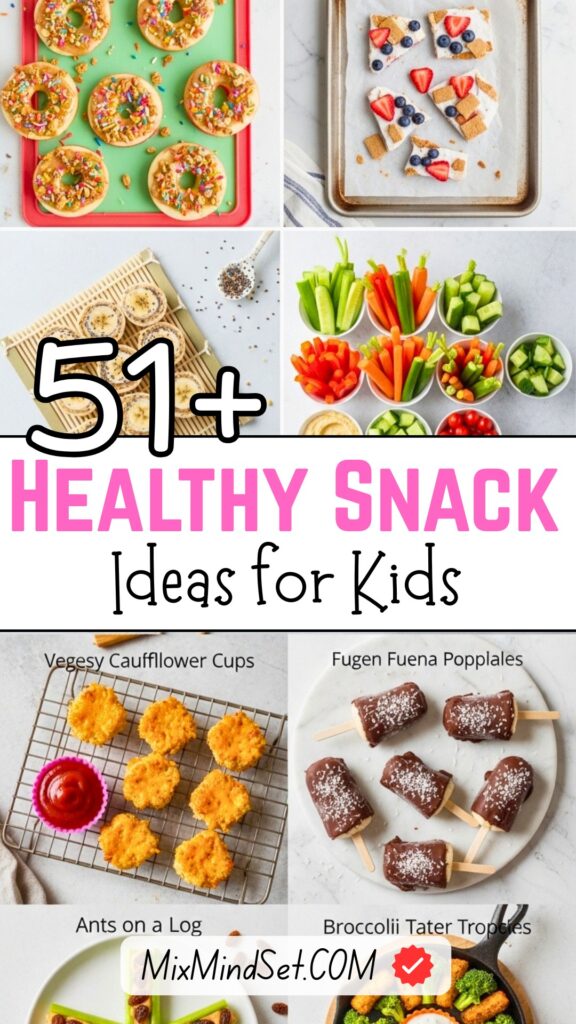
The good news is that healthy snacking doesn’t have to be complicated or boring. With a little creativity, you can turn simple whole foods into snacks that kids actually ask for.
This guide gives you over 51 healthy snack ideas that are easy, affordable, and kid‑tested. You’ll find options for every age, from toddlers to teens, plus make‑ahead tips and complete recipes.
Why Healthy Snacks Matter for Kids?
| Benefit | What It Means |
|---|---|
| Steady energy | Balanced snacks prevent the dreaded 3 PM sugar crash. |
| Better focus | Protein and complex carbs help kids concentrate in school. |
| Healthy growth | Nutrient‑dense snacks support bones, muscles, and brain development. |
| Fewer picky phases | Regular exposure to a variety of flavors builds adventurous eaters. |
| Weight management | Smart snacks reduce cravings for junk food and overeating at meals. |
The golden rule: A healthy snack should combine two things – protein or fat + fiber. That combination keeps kids full and satisfied until the next meal.
Quick Reference: Healthy Snack Staples for Kids
Keep these on hand for easy, mix‑and‑match snacks.
| Category | Examples |
|---|---|
| Protein | Hard‑boiled eggs, Greek yogurt, cottage cheese, cheese sticks, turkey slices, nut butters, edamame |
| Fruit | Apple slices, banana, berries, grapes, orange wedges, melon cubes, dried fruit (no sugar added) |
| Vegetables | Baby carrots, cucumber rounds, bell pepper strips, cherry tomatoes, snap peas, celery sticks |
| Whole grains | Whole grain crackers, rice cakes, popcorn, oat cereal, whole wheat pita, tortilla, mini bagels |
| Healthy fats | Avocado, nuts (finely chopped for young kids), seeds (pumpkin, sunflower, chia), unsweetened coconut |
51+ Healthy Snack Ideas for Kids (Numbered)
I’ve broken these into categories so you can quickly find what works for your child’s mood and your schedule.
No‑Prep Snacks (Take 0‑2 minutes)
These are perfect for busy mornings or when you need something instantly.
- Apple slices – Sprinkle with cinnamon for extra flavour.
- Banana – Peel and go.
- Handful of grapes – Wash and serve.
- String cheese – Low‑fat mozzarella sticks are a hit.
- Hard‑boiled egg – Make a batch on Sunday for the week.
- Individual yogurt cup – Choose plain or low‑sugar (no more than 8g sugar).
- Baby carrots – Serve with no dip or with hummus.
- Cucumber rounds – Use a small cookie cutter for fun shapes.
- Orange wedges – Pre‑peel a few for easy grabbing.
- Milk box – Plain or chocolate milk (low‑fat, no high‑fructose corn syrup).
- Cottage cheese cup – 4 oz single‑serve.
- Roasted chickpeas (store‑bought, lightly salted) – Crunchy and high in protein.
- Cherry tomatoes – Wash and serve whole (cut in half for toddlers).
- Pear slices – Sprinkle with a little lemon juice to prevent browning.
- Single‑serve unsweetened applesauce pouch – Look for no added sugar.
Slightly More Prep (5‑10 minutes)
These take a few minutes but can be made ahead and stored.
- Peanut butter & banana roll‑ups – Spread peanut butter on a whole wheat tortilla, place a banana, roll, slice into pinwheels.
- Ants on a log – Celery sticks filled with peanut butter or cream cheese, topped with raisins.
- Yogurt parfait – Layer plain Greek yogurt, berries, and low‑sugar granola in a small cup.
- Cheese & cracker stacks – Stack a cheese square between two whole grain crackers.
- Frozen yogurt dots – Pipe Greek yogurt dots onto a parchment‑lined pan, freeze, pop off.
- Banana sushi – Spread peanut butter on a tortilla, place a banana, roll, slice into rounds.
- Apple sandwiches – Slice apple into rings, remove core, spread with peanut butter, add granola, sandwich two rings together.
- Smoothie pouch – Blend banana, spinach, yogurt, and a little milk. Pour into reusable pouches.
- Hummus & veggie dippers – Serve hummus with carrot, cucumber, and bell pepper strips.
- Trail mix (kid version) – Combine whole grain oat cereal, raisins, sunflower seeds, and a few dark chocolate chips.
- Egg salad on rice cakes – Mash hard‑boiled egg with a little Greek yogurt, spread on rice cakes.
- Avocado toast (mini) – Cut whole grain bread into quarters, top with mashed avocado and a sprinkle of everything bagel seasoning.
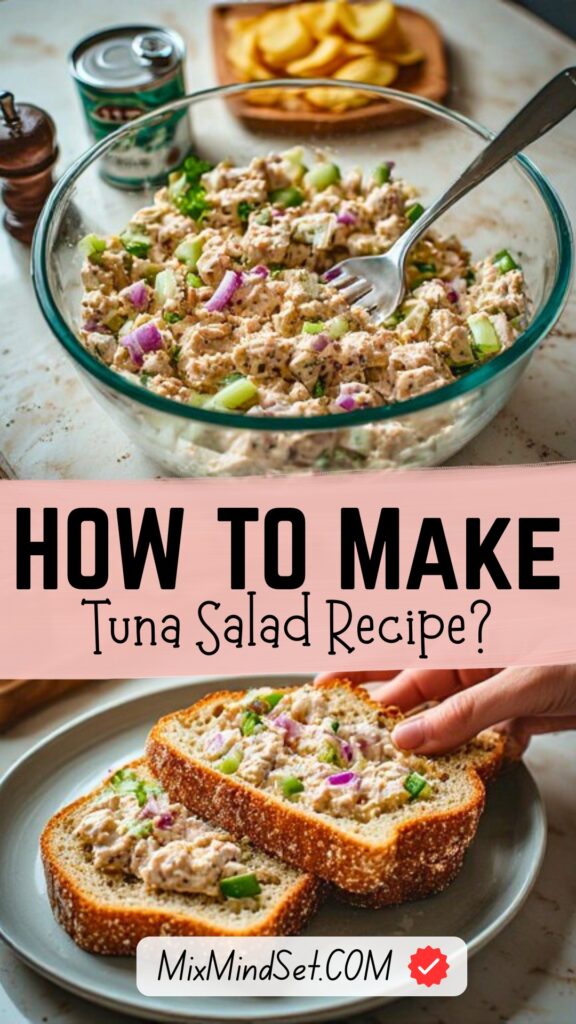
- Tuna salad & cucumber cups – Scoop tuna salad (tuna + Greek yogurt) into hollowed cucumber rounds.
- Homemade fruit leather – Puree berries, spread thin on parchment, bake at 170°F for 3‑4 hours.
- Pita pizza snacks – Top mini whole wheat pitas with tomato sauce, low‑fat cheese, bake at 375°F for 8 minutes. Cut into wedges.
Make‑Ahead Snacks (For the Week)
Prep these on Sunday to have grab‑and‑go options all week.
- Energy balls – Oats, peanut butter, honey, mini chocolate chips, flaxseed. Roll into bite‑sized balls.
- Mini frittata muffins – Whisk eggs with chopped spinach, cheese, and diced bell peppers. Bake in mini muffin tins.
- Homemade granola bars – Oats, nut butter, honey, dried fruit. Press into a pan, chill, cut into bars.
- Frozen yogurt bark – Spread Greek yogurt on a baking sheet, top with berries and a drizzle of honey, freeze, break into pieces.
- Roasted chickpeas – Toss canned chickpeas with olive oil and paprika, bake at 400°F for 20 minutes until crunchy.
- Deconstructed snack cups – In small containers: cheese cubes, grapes, and whole grain crackers.
- Fruit & cheese skewers – Thread grape, cheese cube, and strawberry onto a toothpick.
- Overnight oats in a jar – ¼ cup oats, ½ cup milk, 1 tbsp chia seeds, a little honey. Refrigerate overnight. Eat cold.
- Baked apple chips – Thinly slice apples, sprinkle with cinnamon, bake at 200°F for 2‑3 hours.
- Zucchini muffins (low‑sugar) – Grated zucchini, whole wheat flour, applesauce, eggs, a touch of maple syrup.
Fun & Themed Snacks (For Picky Eaters)
Make healthy eating playful.
- Fruit kabobs – Thread strawberries, pineapple chunks, and melon balls onto wooden skewers.
- Butterfly snack bag – Fill a small zip bag with grapes, clip a clothespin in the middle, add pipe cleaner antennae.
- Rainbow plate – Arrange red (strawberries), orange (carrot sticks), yellow (bell pepper), green (cucumber), and purple (grapes) in a rainbow shape.
- Bugs on a log (Halloween) – Use cream cheese, olive “legs,” and raisin “eyes” on celery.
- Teddy bear toast – On a slice of whole grain toast, place banana slices for ears, blueberries for eyes, a raspberry for a nose.
- Watermelon pizzas – Cut watermelon into rounds. Top with Greek yogurt “sauce” and berry “toppings.”
- Dinosaur broccoli trees – Steam broccoli florets, serve with a “volcano” of hummus.
- Star fruit slices – Use a small star cookie cutter on cantaloupe or pineapple.
- Yogurt paint – Mix plain yogurt with a drop of natural food colouring (beet juice, turmeric). Let kids “paint” rice cakes before eating.
- Popcorn animals – Air‑pop popcorn, use raisins for eyes and pretzel sticks for whiskers.
- Rice cake faces – Spread cream cheese on a rice cake, use raisins for eyes, a banana slice for a mouth, and shredded carrot for hair.
3 Complete Healthy Snack Recipes (With Nutritional & Ingredient Tables)
Recipe 1: No‑Bake Peanut Butter Energy Balls
These are perfect for lunchboxes and after‑school hunger.
Ingredients:
| Ingredient | Amount |
|---|---|
| Rolled oats | 1 cup |
| Natural peanut butter (no added sugar) | ½ cup |
| Honey | ¼ cup |
| Ground flaxseed | 2 tbsp |
| Mini dark chocolate chips (optional) | 2 tbsp |
| Vanilla extract | ½ tsp |
Instructions:
- In a medium bowl, combine oats, flaxseed, and chocolate chips (if using).
- In a small bowl, warm peanut butter and honey in the microwave for 15 seconds until soft.
- Add peanut butter mixture and vanilla to dry ingredients. Stir until fully combined.
- Roll into 1‑inch balls (about 12‑14). Place on a parchment‑lined tray.
- Refrigerate for 30 minutes to set. Store in an airtight container in the fridge for up to 2 weeks.
Nutritional Facts (per ball – 1 ball of 14):
| Nutrient | Amount |
|---|---|
| Calories | 110 |
| Protein | 3g |
| Carbohydrates | 12g |
| Fiber | 2g |
| Sugar | 6g |
| Fat | 6g |
Recipe 2: Mini Frittata Muffins
These egg bites are protein‑packed and perfect for breakfast or a snack.
Ingredients:
| Ingredient | Amount |
|---|---|
| Eggs | 6 large |
| Low‑fat milk | ¼ cup |
| Fresh spinach (chopped) | 1 cup |
| Cherry tomatoes (diced) | ¼ cup |
| Low‑fat shredded cheddar cheese | ¼ cup |
| Salt | ¼ tsp |
| Black pepper | Pinch |
Instructions:
- Preheat oven to 375°F (190°C). Grease a 12‑cup mini muffin tin (or use silicone).
- In a bowl, whisk eggs and milk until frothy.
- Stir in spinach, tomatoes, cheese, salt, and pepper.
- Pour mixture into muffin cups, filling each about ¾ full.
- Bake for 12‑15 minutes until puffed and set.
- Let cool 5 minutes before removing. Store in fridge for up to 5 days.
Nutritional Facts (per muffin – 1 of 12):
| Nutrient | Amount |
|---|---|
| Calories | 55 |
| Protein | 4g |
| Carbohydrates | 1g |
| Fiber | 0g |
| Sugar | 0.5g |
| Fat | 3.5g |
Recipe 3: Frozen Yogurt Berry Bark
A refreshing, sweet treat that’s actually good for them.
Ingredients:
| Ingredient | Amount |
|---|---|
| Plain Greek yogurt (full‑fat or low‑fat) | 1 cup |
| Honey or maple syrup | 1 tbsp |
| Mixed berries (blueberries, raspberries, chopped strawberries) | ½ cup |
| Granola (low‑sugar) | 2 tbsp |
Instructions:
- Line a small baking sheet (about 9×9 inches) with parchment paper.
- In a bowl, mix yogurt and honey until smooth.
- Spread yogurt mixture evenly onto the parchment (about ¼ inch thick).
- Sprinkle with berries and granola, gently pressing them into the yogurt.
- Freeze for at least 3 hours until solid.
- Break into pieces. Store in a freezer bag for up to 2 months.
Nutritional Facts (per piece – bark broken into 8 pieces):
| Nutrient | Amount |
|---|---|
| Calories | 45 |
| Protein | 3g |
| Carbohydrates | 6g |
| Fiber | 1g |
| Sugar | 4g |
| Fat | 1.5g |
5 Common Mistakes Parents Make With Kids’ Snacks
1. Offering snacks too close to meals.
A snack 30 minutes before dinner kills their appetite. Solution: Leave at least 2 hours between snacks and main meals.
2. Relying on packaged “healthy” snacks.
Fruit snacks, yogurt tubes, and granola bars often have as much sugar as candy. Solution: Read labels – aim for under 8g of sugar per serving and ingredients you can pronounce.
3. Letting kids graze all day.
Snacking constantly doesn’t give their digestive system a break and can lead to overeating. Solution: Have set snack times (e.g., 10 AM and 3 PM).
4. Not involving kids in prep.
Kids are more likely to eat a snack they helped make. Solution: Let them spread peanut butter, stuff celery, or arrange fruit kabobs.
5. Giving the same snack every day.
Variety prevents boredom and provides different nutrients. Solution: Rotate through 5‑6 different snack options each week.
Frequently Asked Questions
How many snacks should a child eat per day?
Most children need 2‑3 snacks per day (mid‑morning, afternoon, and sometimes before bed). Adjust based on age, activity level, and how much they eat at meals.
What’s the best portion size for a snack?
A good rule of thumb: about the size of their palm. For example: ½ apple, 1 cheese stick, 4‑5 crackers, ¼ cup yogurt.
Can I use store‑bought hummus and yogurt?
Yes, just read labels. Choose hummus with olive oil (not soybean oil) and yogurt with less than 8g sugar per serving. Plain Greek yogurt is best – add your own fruit or honey.
How do I handle a child who only wants junk food?
Don’t keep junk food in the house. Offer two healthy choices and let them pick. Be consistent – eventually, their taste buds will adjust.
What snacks are safe for toddlers (under 3)?
Avoid choking hazards: whole grapes, cherry tomatoes, nuts, popcorn, hard candies. Cut grapes and tomatoes into quarters. Grate cheese instead of serving sticks. Shred meat instead of cubes.
When should I avoid certain snacks?
Before bed, avoid sugary snacks (they disrupt sleep) and citrus (can cause reflux). After sports, prioritize protein and carbs – chocolate milk, banana with peanut butter, or a turkey roll‑up.
Your Weekly Healthy Snack Rotation (Sample)
| Day | Morning Snack (10 AM) | Afternoon Snack (3 PM) |
|---|---|---|
| Monday | Apple slices + peanut butter | Hard‑boiled egg + baby carrots |
| Tuesday | Yogurt parfait | Cheese & cracker stacks |
| Wednesday | Banana + handful of almonds | Hummus & cucumber rounds |
| Thursday | Frozen yogurt bark (2 pieces) | Turkey roll‑ups |
| Friday | Mini frittata muffin | Ants on a log |
Final Thoughts
Healthy snacking builds lifelong habits. When you offer your child a rainbow of fruits, crunchy vegetables, protein‑rich dairy, and whole grains, you’re not just filling a hungry belly – you’re teaching them that food can be both nourishing and delicious.
Start with the 51+ ideas above. Keep a bowl of fruit on the counter, pre‑cut vegetables in the fridge, and hard‑boiled eggs ready to grab. Involve your kids in choosing and preparing snacks. Over time, they’ll start asking for “ants on a log” instead of cookies.
A healthy snack is a little investment in your child’s energy, focus, and future health. One bite at a time.
Disclaimer: This article is for informational purposes only. Always supervise young children when eating to prevent choking. Consult a pediatrician for specific dietary needs or allergies.