Authentic Fettucini Alfredo Recipe
Fettuccine Alfredo. The name alone conjures images of rich, creamy pasta draped in a silky, cheesy sauce. But here’s the truth: the authentic Italian version is nothing like the heavy, cream‑laden dish you might know from chain restaurants.
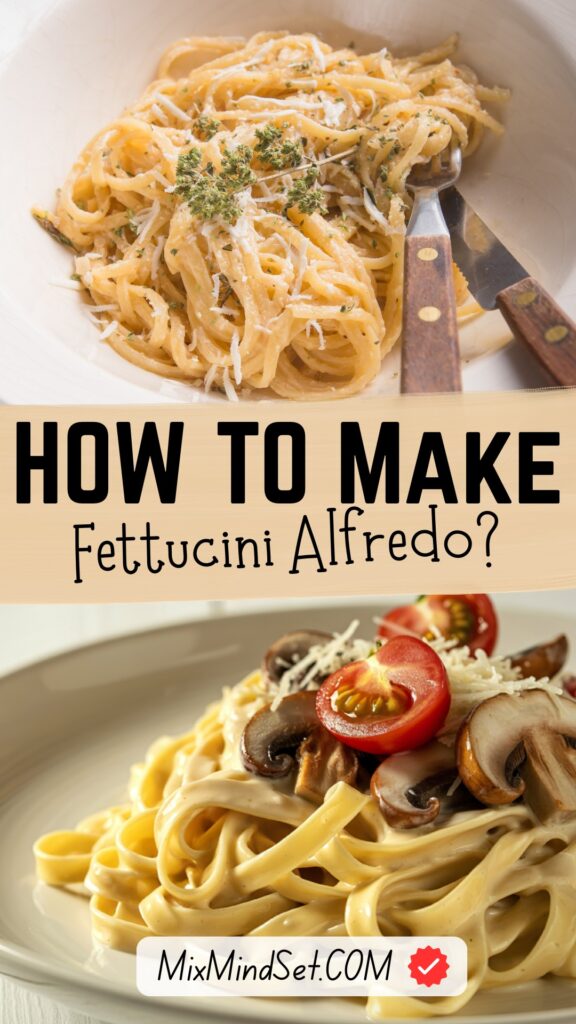
The original—created by Alfredo di Lelio in Rome in the early 1900s—contains just three ingredients: pasta, butter, and Parmesan cheese. That’s it. No heavy cream. No cream cheese. No garlic.
And yet, it’s one of the most luxuriously creamy pasta dishes you’ll ever taste. The magic happens when you emulsify the starchy pasta water with the butter and finely grated cheese, creating a silky sauce that clings to every noodle.
This authentic fettuccine Alfredo recipe brings that Roman classic to your kitchen. It’s quick, simple, and endlessly satisfying. Let’s make pasta magic.
Why This Is the Authentic Version?
| Feature | Authentic (Italian) | American‑Style |
|---|---|---|
| Base | Butter + Parmesan + pasta water | Heavy cream + cream cheese + garlic |
| Creaminess | From emulsified starch and cheese | From dairy fat |
| Texture | Silky, light, coats the pasta | Thick, heavy, dense |
| Flavor | Pure, nutty Parmigiano with sweet butter | Rich, savory, often garlicky |
Authentic ≠ heavy. The real thing is lighter, more elegant, and lets the quality of the cheese and butter shine.
Ingredients You’ll Need
Because the ingredient list is so short, quality matters. Use real Parmigiano‑Reggiano and good European‑style butter.
| Ingredient | Amount | Notes |
|---|---|---|
| Fettuccine pasta (fresh or dried) | 12 oz (340g) | Fresh is traditional; dried works well |
| Unsalted butter | 6 tbsp (85g) | High‑quality (e.g., Plugrà, Kerrygold) |
| Parmigiano‑Reggiano cheese | 1 1/2 cups (120g) | Finely grated on a Microplane |
| Pasta water | 1/2–3/4 cup (120–180ml) | Reserved from cooking |
| Black pepper (optional) | To taste | Freshly cracked |
No shortcuts: Pre‑shredded or “Parmesan” in a green can will not work—they contain anti‑caking agents that prevent smooth melting.
How to Make Authentic Fettuccine Alfredo (Step by Step)
This technique is all about emulsification. Follow the steps precisely for that silky, cream‑like sauce.
Step 1: Cook the Pasta
Bring a large pot of salted water to a rolling boil. Add the fettuccine and cook according to package directions until al dente. Reserve 1 cup of pasta water just before draining—this starchy water is the secret to the sauce.
Drain the pasta but do not rinse.
Step 2: Grate the Cheese
While the pasta cooks, finely grate the Parmigiano‑Reggiano using a Microplane or the fine side of a box grater. The cheese should be fluffy, like snow. Do not use shredded cheese.
Step 3: Melt the Butter
Return the drained pasta to the pot (or use a large skillet). Add the butter and turn the heat to low. Gently toss the pasta with the butter until the butter is fully melted and coats the noodles.
Step 4: Create the Emulsion
Add a splash of reserved pasta water (about 1/4 cup) and a handful of the grated cheese. Toss vigorously. The heat from the pasta and water will start to melt the cheese. Keep adding more cheese and splashes of pasta water, tossing constantly, until the sauce becomes creamy and silky. You’re creating an emulsion of butter, cheese, and starchy water.
The total liquid you need is about 1/2 to 3/4 cup, and the cheese should all be incorporated. The sauce will look thin at first but will thicken as it cools slightly.
Step 5: Serve Immediately
Plate the pasta immediately, twisting it into a nest. Top with freshly cracked black pepper (optional). Serve right away—Alfredo waits for no one.
Pro tip: For the classic Italian presentation, use kitchen tongs to twirl the pasta into a tall swirl on a warm plate.
Video Guide 📺
Tips for Perfect Authentic Alfredo (And Mistakes to Avoid)
✅ Do This for Silky Success
- Use real Parmigiano‑Reggiano – It has the right moisture and protein content. Grana Padano works too, but avoid domestic “Parmesan.”
- Grate the cheese very finely – A Microplane creates dust‑like shreds that melt instantly. Coarse shreds will clump.
- Reserve plenty of pasta water – The starch is what makes the sauce creamy. Don’t salt the water heavily—cheese is salty.
- Work quickly off heat – The pasta and water should be hot but not boiling when you add the cheese. Too much heat makes the cheese stringy.
- Serve immediately – Authentic Alfredo does not reheat well. Make it fresh and eat it right away.
❌ Common Mistakes
| Mistake | Why It Happens | Fix |
|---|---|---|
| Sauce is grainy/clumpy | Cheese added too quickly or heat too high | Remove pot from heat; add cheese slowly while tossing |
| Sauce is watery (not creamy) | Too much pasta water, not enough cheese | Add more cheese and toss vigorously |
| Sauce breaks / oily | Too much butter or not enough starch | Use less butter; add more pasta water and toss |
| Cheese clumps into strings | Cheese melted too fast or low‑quality cheese | Use finely grated Parmigiano; keep heat low |
| Pasta sticks together | No oil or not enough water | Use a large pot; stir while cooking |
Pro tip: If the sauce looks broken (oily separated puddles), add a tablespoon of cold butter off heat and toss vigorously. It can help re‑emulsify.
Frequently Asked Questions
Is authentic Alfredo supposed to be creamy without cream?
Yes! The emulsion of butter, cheese, and starchy water creates a sauce that is just as creamy as one made with heavy cream—but lighter and more delicate. It coats the pasta beautifully.
Can I use heavy cream to be safe?
That would make it American‑style Alfredo, not authentic. If you prefer that version, you’re welcome to make it—but this recipe is for the original. Try this authentic one first; you might be surprised.
What’s the best pasta for Alfredo?
Fresh fettuccine is traditional and gives a softer, more tender bite. High‑quality dried fettuccine (bronze‑die cut) works beautifully too. Tagliatelle or pappardelle are also excellent.
Can I add chicken, shrimp, or vegetables?
Authentic purists would say no. However, you can certainly add grilled chicken, sautéed shrimp, or steamed broccoli as a topping. Just don’t mix them into the sauce—the simplicity is the point.
How do I make this recipe gluten‑free?
Use gluten‑free fettuccine. The rest of the ingredients are naturally gluten‑free. The sauce may be slightly thinner because gluten‑free pasta releases less starch. Add a little cornstarch slurry (1 tsp cornstarch mixed with 2 tbsp water) to help thicken.
Can I make Alfredo with pecorino romano?
You can substitute up to half the Parmigiano with pecorino romano for a saltier, tangier flavor. But 100% pecorino will be very salty and sharp. Stick with Parmigiano for the classic taste.
Is this recipe halal?
Yes. No alcohol, no pork products. Use a vegetarian rennet Parmigiano‑Reggiano (look for “vegetarian” label; some traditional cheeses use animal rennet). Or use Grana Padano, which is often vegetarian.
Nutritional Information (Per Serving, 1/4 of Recipe)
| Nutrient | Amount |
|---|---|
| Calories | 590 |
| Protein | 22g |
| Fat | 30g |
| Saturated Fat | 18g |
| Carbohydrates | 56g |
| Fiber | 2g |
| Sugar | 2g |
| Sodium | 680mg |
Conclusion
Fettuccine Alfredo is a dish built on trust: trust in just a few high‑quality ingredients, trust in the simple magic of butter and cheese and pasta water coming together. This authentic fettuccine Alfredo recipe is a testament to the beauty of Italian cooking. It’s fast, elegant, and deeply satisfying.
Make it for a romantic dinner. Make it when you need comfort without heaviness. Make it to taste a piece of Roman history. Then twirl, bite, and smile.
Now go boil that water.