How to Make Burger Buns?
There’s nothing sadder than a great burger patty let down by a dry, crumbly, store‑bought bun. The perfect burger bun should be soft, pillowy, slightly sweet, with a golden, shiny top that holds up to juicy patties and sauces without falling apart. And yes, you can absolutely make them at home.
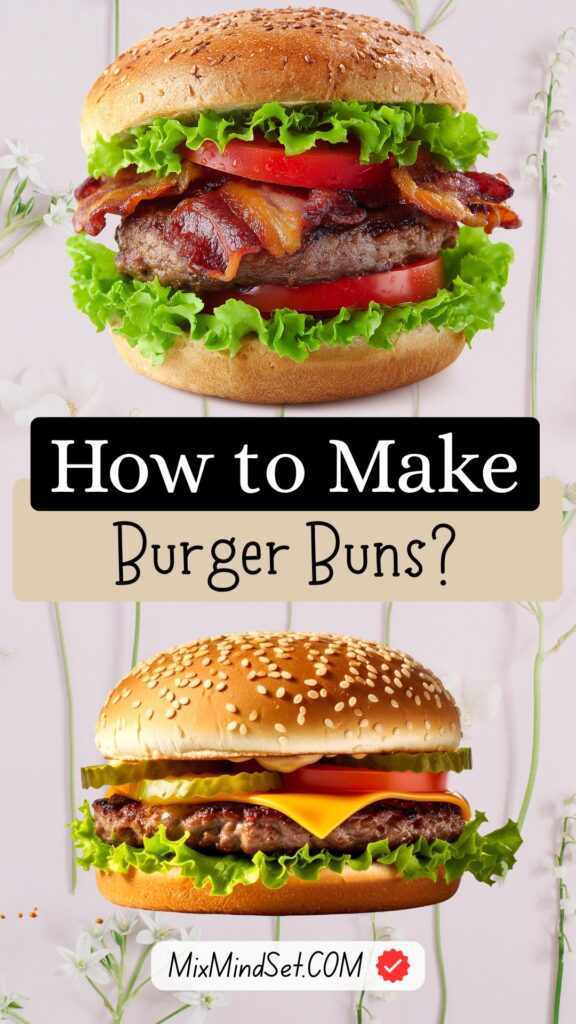
This guide on how to make burger buns will walk you through a simple, foolproof recipe that yields 8 bakery‑quality buns in about 2 hours (mostly rising time).
No special equipment. No complicated techniques. Just flour, yeast, milk, butter, and a little patience. Once you try homemade, you’ll never go back.
Why Make Your Own Burger Buns?
- Superior texture – Soft, squishy, and resilient.
- Customizable – Sesame seeds, everything bagel seasoning, or even parmesan.
- No preservatives – Just real, wholesome ingredients.
- Cost‑effective – Pennies per bun versus $5+ at a bakery.
- Freezer‑friendly – Make a double batch and store for months.
Ingredients You’ll Need
This recipe makes 8 medium burger buns (about 3.5–4 inches wide).
| Ingredient | Amount | Notes |
|---|---|---|
| Bread flour (or all‑purpose) | 3 ½ cups (420g) | Bread flour gives a chewier texture |
| Instant yeast | 2 ¼ tsp (1 packet) | Or active dry yeast* |
| Granulated sugar | 3 tbsp | Feeds yeast and adds tenderness |
| Salt | 1 ½ tsp | |
| Warm milk (110°F / 45°C) | 1 cup (240ml) | Whole milk preferred |
| Warm water | ¼ cup (60ml) | |
| Unsalted butter (melted) | 4 tbsp (½ stick) | Plus more for brushing |
| Egg (for egg wash) | 1 large | Beaten with 1 tbsp water |
| Sesame seeds (optional) | 2 tbsp | For topping |
If using active dry yeast, proof it first: mix with warm milk and 1 tbsp of the sugar; let sit 10 minutes until foamy.
How to Make Burger Buns (Step by Step)
Follow these steps for soft, shiny, bakery‑style buns every time.
Step 1: Mix the Dough
In a large bowl, whisk together the flour, instant yeast, sugar, and salt. Make a well in the center. Add the warm milk, warm water, and melted butter. Stir with a wooden spoon or dough whisk until a shaggy dough forms.
Step 2: Knead the Dough
Turn the dough onto a lightly floured surface. Knead for 8–10 minutes until smooth, elastic, and slightly tacky (not sticky). If using a stand mixer with a dough hook, knead on medium speed for 6–8 minutes.
The dough should pass the windowpane test – stretch a small piece thin enough to see light through without tearing.
Step 3: First Rise
Place the dough in a lightly oiled bowl, turning to coat. Cover with a damp towel or plastic wrap. Let it rise in a warm, draft‑free place for 1–1.5 hours, until doubled in size.
Step 4: Shape the Buns
Punch down the dough and turn it onto a clean surface. Divide the dough into 8 equal pieces (about 85–90g each). Roll each piece into a smooth, tight ball by cupping your hand and rotating it on an unfloured surface.
Place the balls on a parchment‑lined baking sheet, leaving 2 inches of space between them.
Step 5: Second Rise
Cover the shaped buns loosely with plastic wrap (lightly spray the wrap with oil to prevent sticking). Let them rise for 30–45 minutes, until puffy and nearly doubled.
Step 6: Preheat and Egg Wash
Preheat your oven to 375°F (190°C). In a small bowl, beat the egg with 1 tablespoon of water to make an egg wash. Gently brush the top of each risen bun with the egg wash. Sprinkle with sesame seeds if desired.
Step 7: Bake
Bake the buns for 15–18 minutes, until deep golden brown and the internal temperature reaches 190°F (88°C). Rotate the baking sheet halfway through for even browning.
Step 8: Cool
Remove from the oven and immediately brush with melted butter for a soft, glossy finish. Transfer to a wire rack and cool completely before slicing – at least 30 minutes. Cutting into warm buns will crush their delicate crumb.
Pro tip: For an extra‑soft brioche‑style bun, replace the water with an additional ¼ cup of milk and add 1 extra egg yolk to the dough.
Video Guide 🎀
Tips for Perfect Burger Buns (And Mistakes to Avoid)
✅ Do This for Bakery‑Quality Results
- Use bread flour – Higher protein means better structure and chew.
- Don’t over‑flour – A slightly tacky dough yields soft buns. Add flour gradually.
- Weigh your ingredients – A kitchen scale is more accurate than measuring cups.
- Let buns cool completely – Warm buns will tear when sliced.
- Brush with butter after baking – It keeps the tops soft and adds flavor.
❌ Common Mistakes
| Mistake | Why It Happens | Fix |
|---|---|---|
| Dense, heavy buns | Under‑kneaded or over‑floured | Knead fully; add flour gradually |
| Buns spread sideways (not up) | Over‑proofed or oven too cool | Don’t let second rise go past 45 min; preheat oven |
| Pale, unappetizing tops | Not enough egg wash or too low temperature | Use generous egg wash; bake at 375°F |
| Dry, crumbly texture | Overbaked or too much flour | Bake until just golden; measure flour correctly |
| Buns are lopsided | Uneven shaping or uneven oven | Roll tight, even balls; rotate baking sheet |
Pro tip: To test if buns are done, tap the bottom – it should sound hollow. If not, bake for 2–3 more minutes.
Frequently Asked Questions
Can I make burger buns without a stand mixer?
Absolutely. Knead by hand for 8–10 minutes. It’s a great arm workout and very meditative. Use a bench scraper to help incorporate flour if the dough is sticky.
Can I use whole wheat flour instead?
Yes, but the buns will be denser. Replace half the bread flour with whole wheat flour, and add an extra 2 tablespoons of milk. For 100% whole wheat, expect a heavier, nuttier bun.
How do I store homemade burger buns?
Store in an airtight container at room temperature for up to 3 days. For longer storage, freeze them. Wrap each bun individually in plastic wrap, then place in a freezer bag.
Freeze for up to 3 months. Thaw at room temperature or toast directly from frozen.
Why do I need to brush with butter after baking?
Brushing with melted butter keeps the crust soft and pliable, adds a beautiful shine, and prevents the top from becoming hard or leathery. It’s the secret to that “bakery” feel.
Can I make slider buns with this recipe?
Yes. Divide the dough into 16 pieces (about 45g each). Shape and bake for 12–14 minutes. Perfect for sliders or mini burgers.
What’s the best way to reheat frozen burger buns?
Toast them directly – split and toast in a dry skillet, on a griddle, or in a toaster oven. This revives their crisp‑soft texture better than a microwave.
Can I add flavors to the dough?
Absolutely. Add 1 tsp garlic powder, 1 tbsp dried onion flakes, or ½ cup grated Parmesan to the dry ingredients for savory buns. For sweet buns (like for chicken sandwiches), add an extra 1 tablespoon of sugar.
Nutritional Information (Per Bun, Without Toppings)
| Nutrient | Amount |
|---|---|
| Calories | 280 |
| Protein | 8g |
| Fat | 7g |
| Saturated Fat | 4g |
| Carbohydrates | 46g |
| Fiber | 2g |
| Sugar | 5g |
| Sodium | 380mg |
Conclusion
Learning how to make burger buns at home is a superpower. You get soft, golden, squishy‑perfect buns that don’t crumble or get lost under a juicy patty. They’re surprisingly easy, deeply satisfying, and miles ahead of anything from a plastic bag.
Make them for your next cookout. Make a double batch and freeze half. Or make them just because the smell of baking bread is one of life’s simple joys. Then build your dream burger – tall, messy, and absolutely delicious.
Now go preheat that oven.
— Fatima