How to Remove Deodorant Stains From Clothes Fast?
Learning how to remove deodorant stains from clothes fast can save your favorite shirt in minutes. Whether it is a fresh white smear or an old yellow armpit stain, simple home remedies for deodorant stains work better than most people expect. I have rescued dozens of tops using things already in my kitchen. #DeodorantStains #LaundryTips #ClothingHacks #StainRemoval #CleaningTips
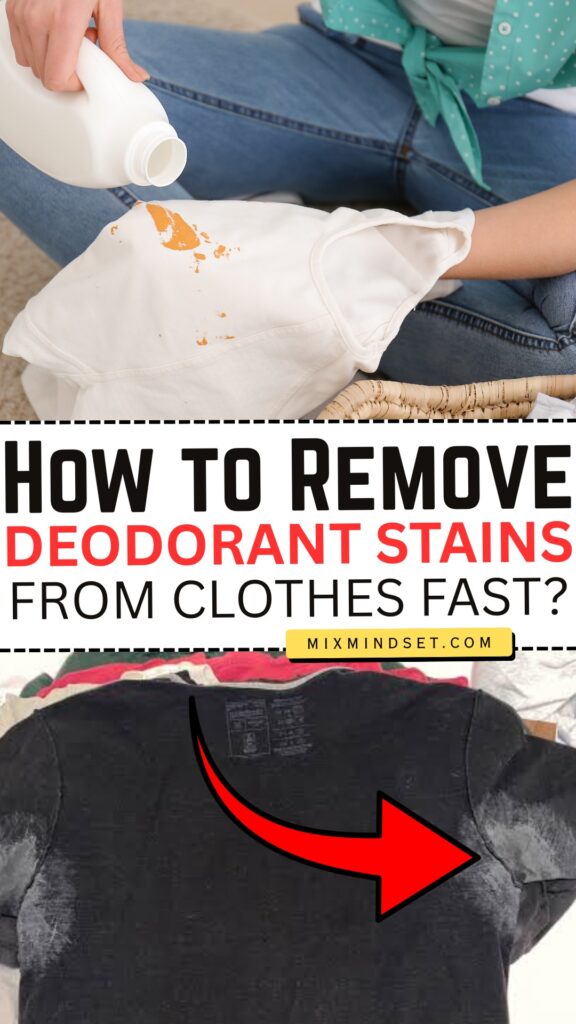
Before you fight a stain, it helps to know what made it. There are actually two very different types of deodorant stains and they need different fixes.
Type 1 — White Smear Stains These are the fresh, chalky white marks you get right after putting on deodorant and pulling your shirt over your head. They look bad but they are the easiest to remove.
Type 2 — Yellow Armpit Stains These are the crusty, yellow-brown stains that build up over time on white and light-colored shirts. They are caused by a chemical reaction between aluminum compounds in antiperspirant and the proteins in your sweat. These take a little more effort but they absolutely can be removed.
I used to throw away shirts because of yellow armpit stains thinking they were ruined forever. Then a neighbor showed me her baking soda trick and I have not lost a single shirt to armpit stains since.
What You Already Have at Home That Works
You do not need to run to the store. Most of the best stain removers are already sitting in your kitchen or bathroom cabinet.
- White vinegar
- Baking soda
- Dish soap
- Hydrogen peroxide
- Lemon juice
- Salt
- Aspirin tablets
- Meat tenderizer powder (yes, really)
- Old toothbrush for scrubbing
How to Remove Fresh White Deodorant Smears Fast
These are the easiest stains to deal with and you can fix them in under two minutes.
Method 1: Dry Fabric Trick
Before the smear dries into the fabric, try rubbing it with a dry piece of the same shirt fabric folded over itself. The friction lifts the deodorant right off without any water.
This works about 80% of the time for fresh marks and I use it every single morning when I am in a hurry.
Method 2: Foam or Makeup Sponge
A clean makeup sponge or foam rubber rubbed in circular motions over the smear picks up the white residue beautifully. I keep one in my bathroom drawer just for this.
Method 3: Damp Cloth and Gentle Rub
Dampen a clean cloth with just a little warm water. Blot the stain gently, then rub in small circles. Do not soak the fabric — a little moisture goes a long way.
Method 4: Baby Wipes
Baby wipes are shockingly good at lifting fresh deodorant marks. Wipe in one direction rather than scrubbing back and forth. Works great on dark fabrics especially.
How to Remove Old Yellow Armpit Stains
These need more patience but every single method below has worked for me or someone I know personally. Start with the gentlest option and move to stronger ones if needed.
Method 1: Baking Soda Paste (My Favorite)
This is the method I use most and it has never let me down on cotton fabrics.
What you need:
- 4 tablespoons baking soda
- A few teaspoons of warm water
What to do:
- Mix baking soda and water into a thick paste
- Spread the paste generously over the stained area
- Rub it in gently with your fingers or an old toothbrush
- Leave it on for 30 minutes to 2 hours (longer for older stains)
- Rinse with cold water
- Wash the item as normal
The first time I tried this on a white cotton shirt that had been sitting in the back of my wardrobe for months with terrible yellow stains, I was not expecting much. The stains came out almost completely after just one treatment. I did a second round and the shirt looked brand new.
Method 2: White Vinegar Soak
White vinegar breaks down the mineral deposits and aluminum compounds that cause yellow staining.
What to do:
- Pour undiluted white vinegar directly onto the stain
- Let it soak for 30–60 minutes
- Sprinkle a little baking soda on top and watch it fizz — that fizzing action helps lift the stain
- Scrub gently with an old toothbrush
- Rinse and wash normally
Do not worry about your clothes smelling like vinegar. The smell disappears completely once the item is washed and dried.
Method 3: Hydrogen Peroxide and Dish Soap
This combo works especially well on white and light-colored fabrics. Do not use it on dark or bright colors — hydrogen peroxide can fade them.
| Ingredient | Amount |
|---|---|
| Hydrogen peroxide (3%) | 2 tablespoons |
| Dish soap | 1 teaspoon |
| Baking soda | 1 tablespoon |
What to do:
- Mix all three into a paste
- Apply it to the stain and work it in with your fingers
- Let it sit for 30 minutes
- Rinse with cold water and wash as normal
I learned the hard way not to use this on my navy blue work shirt. It left a faded patch that looked worse than the original stain. Always spot test on a hidden area first.
Method 4: Aspirin and Cream of Tartar
This sounds strange but it genuinely works on stubborn yellow stains that have been baked in for a long time.
What you need:
- 3 white aspirin tablets (not coated ones)
- 1 tablespoon cream of tartar
- 1 tablespoon salt
- Warm water to make a paste
What to do:
- Crush the aspirin tablets into a powder
- Mix with cream of tartar and salt
- Add just enough warm water to form a spreadable paste
- Rub onto the stain and leave for 20–30 minutes
- Rinse and wash normally
A friend of mine who has been doing laundry for her family of six for over twenty years swears by this method for old stains. She says nothing else works as well on shirts that have been washed and dried multiple times with the stain still in them.
Method 5: Lemon Juice and Salt
This is a great natural option and smells much better than vinegar while you are using it.
What to do:
- Squeeze fresh lemon juice directly onto the stain
- Sprinkle salt over the wet lemon juice
- Rub together gently
- Lay the item in direct sunlight for 1–2 hours — the sun activates the lemon and boosts its bleaching effect
- Rinse and wash normally
This works best in summer when you have strong sunlight. I treated a pale yellow linen shirt this way and the sun did more work in two hours than my washing machine had done in six washes.
Method 6: Meat Tenderizer Powder
This one surprises people every time I mention it but the science is solid. Meat tenderizer contains enzymes that break down proteins — and armpit stains are partly made of protein from sweat.
What to do:
- Dampen the stained area with warm water
- Sprinkle unseasoned meat tenderizer powder directly on the stain
- Work it in gently with your fingers
- Leave for 30 minutes
- Rinse and wash as usual
Make sure you use unseasoned meat tenderizer — the seasoned kind will leave its own stain and smell.
Stain Removal by Fabric Type
Different fabrics need slightly different care. Here is a quick guide:
| Fabric Type | Best Method | What to Avoid |
|---|---|---|
| White cotton | Hydrogen peroxide paste or baking soda | Nothing — most methods are safe |
| Colored cotton | Baking soda paste or vinegar | Hydrogen peroxide (can fade color) |
| Synthetic fabrics (polyester, nylon) | Dish soap + white vinegar | Hot water (sets the stain) |
| Delicate fabrics (silk, wool) | Diluted white vinegar, gentle dabbing | Scrubbing, baking soda, hydrogen peroxide |
| Dark fabrics | Baby wipes or damp cloth for fresh marks | Lemon juice, hydrogen peroxide |
| Linen | Lemon juice and sun method | Hot dryer before stain is fully gone |
Step-by-Step: Full Stain Removal Process
When a stain is really set in and nothing quick is working, follow this full process from start to finish:
Step 1: Check the care label on your garment before doing anything.
Step 2: Pre-treat the stain with your chosen method and let it sit for at least 30 minutes. For really old stains, leave the treatment on for a full hour or overnight.
Step 3: Use an old toothbrush to gently scrub the treatment into the fabric in small circular motions. Do not press too hard — you want to work the solution into the fibers, not damage them.
Step 4: Rinse with cold water. Never use hot water on a stain before it is fully treated — heat sets stains permanently into the fabric.
Step 5: Check the stain before putting the item in the dryer. If the stain is still there, repeat the treatment. The dryer will permanently bake any remaining stain into the fabric.
Step 6: Wash the garment on the warmest setting that the care label allows.
Step 7: Air dry if possible and check again before folding or hanging.
This seven-step process feels like a lot but once you do it a few times it becomes second nature and takes less than five minutes of actual work.
Mistakes That Make Stains Worse
I have made all of these mistakes and they cost me good clothes:
- Putting a stained item in the dryer — the heat permanently sets the stain and after that almost nothing will get it out
- Rubbing the stain hard right away — this pushes the stain deeper into the fibers, making it harder to remove
- Using hot water to rinse — always use cold water until the stain is fully gone
- Waiting too long to treat fresh white marks — the longer you wait, the more the deodorant dries and bonds to the fabric
- Washing without pre-treating first — a regular wash cycle alone almost never removes deodorant stains
- Using colored or fruity-smelling vinegar — always use plain white vinegar, not red wine or apple cider vinegar, which can add their own stains
How to Stop Deodorant Stains Before They Start
Fixing stains is great but preventing them is even better. Here is what actually works:
- Let deodorant dry before dressing — wait 5 minutes after applying and most white marks will never form
- Apply a thin layer, not a thick one — less product means less residue
- Switch to an aluminum-free deodorant — aluminum is the main culprit behind yellow staining
- Wash workout clothes inside out — gets the sweat residue out more effectively
- Do not let sweaty clothes sit in a pile — wash them soon after wearing to stop stains from setting
- Use a deodorant shield or dress shield — thin fabric shields that sit inside the armpit area and protect the garment
Since I switched to an aluminum-free deodorant two years ago, I have not had a single yellow armpit stain on any of my shirts. That was the biggest single change I made and it solved the problem almost completely.
Quick Comparison: Home Remedies vs. Store-Bought Stain Removers
| Factor | Home Remedies | Store-Bought Removers |
|---|---|---|
| Cost | Very low — pennies per treatment | Higher, especially for specialty products |
| Speed | Works in 30–60 minutes | Some work faster, some take the same time |
| Effectiveness | Excellent for most stains | Good, but not always better than home methods |
| Safety for fabrics | Gentle when used correctly | Can be harsh on delicate fabrics |
| Chemicals involved | Natural or minimal | Often contain strong chemicals |
| Availability | Already in your home | Need to buy or order |
Recommended Products and Tools
These are things I actually use and trust:
- White distilled vinegar — buy the large bottle, you will use it constantly
- Arm & Hammer Baking Soda — reliable and affordable, keep a box just for laundry
- OxiClean White Revive — when home remedies need backup on white fabrics
- Fels-Naptha Laundry Bar — an old-fashioned bar soap that is shockingly good on armpit stains
- Soft-bristled old toothbrush — dedicated to laundry stain scrubbing, never used for teeth
- 3% Hydrogen Peroxide — the standard drugstore kind, nothing stronger needed
My Personal Recommendation
After years of battling armpit stains and white deodorant smears, my honest recommendation is this: baking soda paste is your best everyday solution and hydrogen peroxide plus dish soap is your strongest tool for stubborn old stains on white fabrics.
The single most important rule I follow now is to never put anything stained into the dryer. That one habit change has saved more of my clothes than any product I have ever bought.
If you have a shirt with yellow stains that has been washed and dried multiple times already, try the aspirin and cream of tartar paste and give it a full hour before rinsing. It is surprisingly effective even on stains that seem permanent.
And if preventing stains matters to you — switch your deodorant. Aluminum-free options have come a long way and for most people, making that switch is the simplest long-term fix of all.
Frequently Asked Questions
Does vinegar really remove deodorant stains? Yes, white vinegar works very well on both fresh white marks and older yellow stains. It breaks down the mineral deposits and aluminum compounds that cause discoloration.
Can I use bleach on deodorant stains? Regular chlorine bleach can actually make yellow armpit stains worse by reacting with the proteins in sweat residue and turning them more yellow. Oxygen bleach (like OxiClean) is a better choice for white fabrics.
How do you get deodorant stains out of black shirts? Use a damp cloth or baby wipe for fresh marks. For older buildup, white vinegar applied gently with a soft cloth works well without affecting the dark color.
Why do my white shirts turn yellow under the arms even with clear deodorant? Yellow staining comes from aluminum compounds in antiperspirants reacting with sweat proteins. Even clear gels contain aluminum if they are antiperspirants. Switching to aluminum-free deodorant stops new stains from forming.
Is it safe to use hydrogen peroxide on colored clothes? No — hydrogen peroxide can bleach and fade colored fabrics. Stick to baking soda paste or white vinegar for anything that is not white or very light in color.
What if the stain is still there after washing? Do not dry the garment. Retreat the stain with your chosen method and wash again. Repeat until the stain is gone before ever putting it in the dryer.