How to Gain Weight Quickly?
We are used to hearing about a thousand different types of diets, all of them promising to be the easiest, the most effective, and the best for the goal in question, but while the focus is usually on weight loss, it is not so common to talk about diets for voluntary weight gain.
Why gain weight?
There are many possible contexts in which a person may want or need to go on a diet to gain weight: due to previous weight loss (voluntary or involuntary) from periods of stress, anxiety, or medication.
It can also be a consequence of illnesses such as some digestive or autoimmune disorders, cancer, hyperthyroidism, infections, or other conditions that cause cellular and energetic stress.
Other reasons include nutritional deficiencies, changes or disorders in eating behavior, dietary changes without proper nutritional planning (for example, starting a vegetarian diet without knowing how to replace animal products), or simply to improve comfort, address low energy levels, treat hormonal imbalances, or compensate for energy deficits due to exercise.
The most important thing, as with any dietary intervention, is to structure a nutritional plan that guarantees good health, is comfortable, and is as easy to follow as possible. Remember that it’s important to feel comfortable with the diet you choose, and it should be, as much as possible, adapted to your individual circumstances.
How to follow a diet to gain weight? Here are the key points:
Although it would be necessary to individualize each case, knowing the person’s health status as well as their preferences, habits, and schedules in order to plan a diet to gain weight, today I bring you some tips that can be helpful to promote healthy weight gain :
Have you tried to gain weight without success?
We’ll help you follow the right strategy
Pay attention to the portions

Starting with the basics, it’s important to ensure we’re eating according to our nutritional needs. Depending on our individual circumstances, our hunger and satiety cues may be disrupted, leading to a tendency to feel full too quickly and/or eat less than we actually need.
If you think your portions are a bit small, try gradually increasing them to give your body more energy. It will be important to know which foods you should increase your intake of (you can find this in the next tip).
These feelings of hunger and satiety usually adapt, and “training” may be necessary to achieve better regulation.
If you feel very full, it might help to drink some herbal tea to improve digestion and/or stimulate the synthesis of bile or gastric acids* (gentian, hops, horehound, chamomile) or take some supplement* that facilitates digestion (for example, digestive enzymes or a choleretic supplement).
*I recommend having it supervised by a specialist.
Prioritize energy-rich foods

Another important aspect is considering the types of food we consume. Sometimes, people believe that eating healthily means eating only vegetables, fruits, and greens. These foods are very healthy and should be part of any diet, but they are by no means sufficient to guarantee complete nutritional intake.
Furthermore, when trying to gain weight, they can make it difficult to reach the total energy requirement because they primarily provide bulk, water, and fiber, while offering little energy, thus creating a greater feeling of satiety without providing much energy.
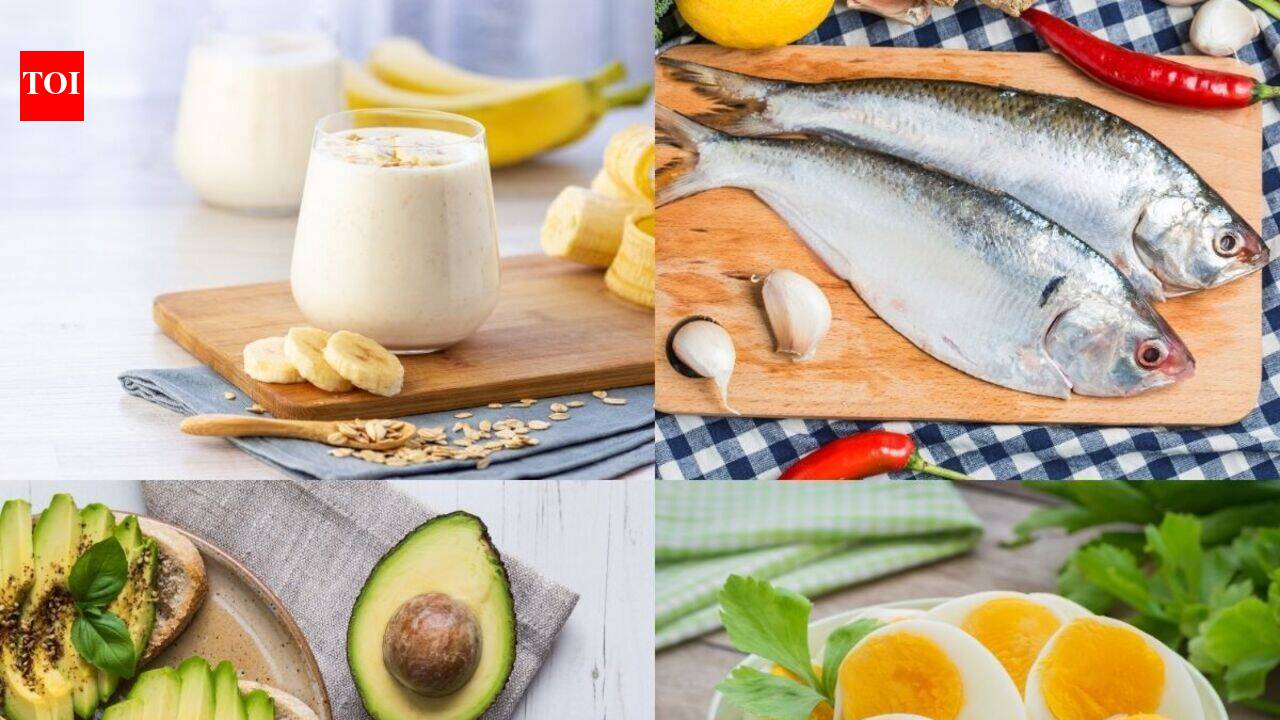
So, what can we do? While still consuming the foods mentioned above, we should introduce them in appropriate quantities, ensuring that their consumption doesn’t displace the intake of other healthy foods with a higher calorie content: cereals (pasta, rice, couscous, bread…), legumes, tubers, fish, lean meats, eggs, cheeses, vegetable proteins, nuts, oils, seeds, olives, dairy products and plant-based substitutes, nut butters, cocoa spreads, tahini cream…
It is important to achieve a combination of all these foods for greater nutritional variety and a good caloric intake.
Enrich the dishes

Once we’ve identified the foods we want to emphasize, it can be helpful to know how to incorporate them without creating large meals. There are several ways to enrich dishes to make them more nutritious and energizing that can be useful and easy to implement:
- Add a generous drizzle of oil to the dishes you prepare: salads, meats, fish, vegetable creams, legume purees like hummus, or bread.
- Prepare sauces to accompany the main foods: homemade pesto, sofritos, tahini sauce, homemade mayonnaise, curry with coconut milk, or vegan béchamel.
- Decorate your dishes to make them more attractive and nutritious:
- Add nuts, seeds and/or dried fruit to your salads.
- Use grated cheese or almond flour for gratinating.
- Accompany your meals with some olives.
- Prepare a mixture of crushed seeds to sprinkle on your salads or creams.
- Keep quality nut butters or cocoa spreads on hand to add to your toast, porridge, or yogurt.
- You can also add seeds, shredded coconut, or peanut powder to your recipes.
Introduce snacks between meals

Eating a larger portion than we’re used to can increase the feeling of fullness and make it harder to finish our meal. To avoid this, it might be better to spread our meals throughout the day and include snacks between meals to ensure we eat regularly.
Make sure you have a good snack with you for when you feel like eating: it could be a combination of nuts and dried fruit with a few ounces of >85% chocolate, a smoothie, or a sandwich, for example.
Pay attention to the shape and presentation of the dishes

We previously discussed the presentation as something to highlight, since it’s important to feel drawn to what we’re going to eat. It’s also important to consider how the cooking method can help us ensure we eat enough. For example:
- Prepare the vegetables in the form of a puree and take the opportunity to add more ingredients.
- Example: pumpkin cream, sweet potato, coconut milk, and sunflower seeds.
- Prepare smoothies for rich and delicious snacks.
- Example: milk or plant-based milk smoothie with oat flakes, banana, chia seeds, pure cocoa powder, and cinnamon.
- Prepare homemade recipes that involve fillings.
- Example: Eggplants stuffed with textured soy with sofrito, grated cheese, and almond flour.
- Example: Quiche with puff pastry dough filled with spinach, cherry tomatoes, cheese, and chicken pieces.
- Dare to try homemade baking!
- Example: banana bread with cacao nibs, shredded coconut and peanut butter.
- Example: homemade energy bars.
Organization and planning

Organization and planning are key to achieving any goal we set for ourselves.
Try to prepare a weekly menu that fits your usual routine and do your grocery shopping for everything you’ll need to make it easier and easier to stick to it. If you know you’ll be eating out or might get home late, for example, remember to pack your lunch and the food you want to eat throughout the day so you’re not caught off guard.
Have a regular schedule

Another common element in any goal is scheduling. While some flexibility is allowed, it’s important to have a structure that is as stable as possible and allows for some regularity.
Initially, it can help us be more consistent and also get the body used to a routine that is favorable for gaining weight.
Set yourself a schedule that works for you and see how it feels. You can always change it if you find it might work better another way.
Consider supplementation to gain weight
In some cases, supplementation may be necessary to meet the daily nutritional and energy requirements needed for weight gain. This could be a worthwhile support strategy.
For this reason, I would recommend discussing it with a specialist beforehand to ensure that other more basic aspects have been taken into account and that our diet is already correct.
Review other factors (rest, stress, exercise…)
While it’s important to pay attention to what we eat to gain weight, it’s not the only thing that matters or that we need to consider. As human beings, we are influenced by many variables, and our lifestyle has a direct effect on our bodies.
Ensuring good sleep quality, managing emotions and stress effectively, considering the amount of physical exercise we do, and understanding how we cope with all of these factors are essential for developing a sound nutritional strategy.
Patience
Finally, patience. Sometimes it takes time to see changes, and in those cases, rushing things can sabotage us. As we’ve seen, there are many things to consider, and it may be necessary to make gradual changes until we see tangible results. Remember that progress is progress, and that the sum of small changes and advances will ultimately make all the difference.
The best ally in any approach: consistency and the ability to maintain it in the long term.
I hope all these tips can be helpful!