How to Get Rid of Acne: Proven Tips for Clear Skin
Acne can hurt your confidence, but you are not alone. It is the most common skin condition in the world, and it affects teenagers and adults alike. The good news is that acne is treatable.
This guide explains what causes acne and how to get rid of it with proven steps.
What Is Acne?
Acne happens when hair follicles in your skin get blocked with oil and dead skin cells. Bacteria (called C. acnes) can grow in the blocked pore, causing redness, swelling, and pimples.
Types of Acne
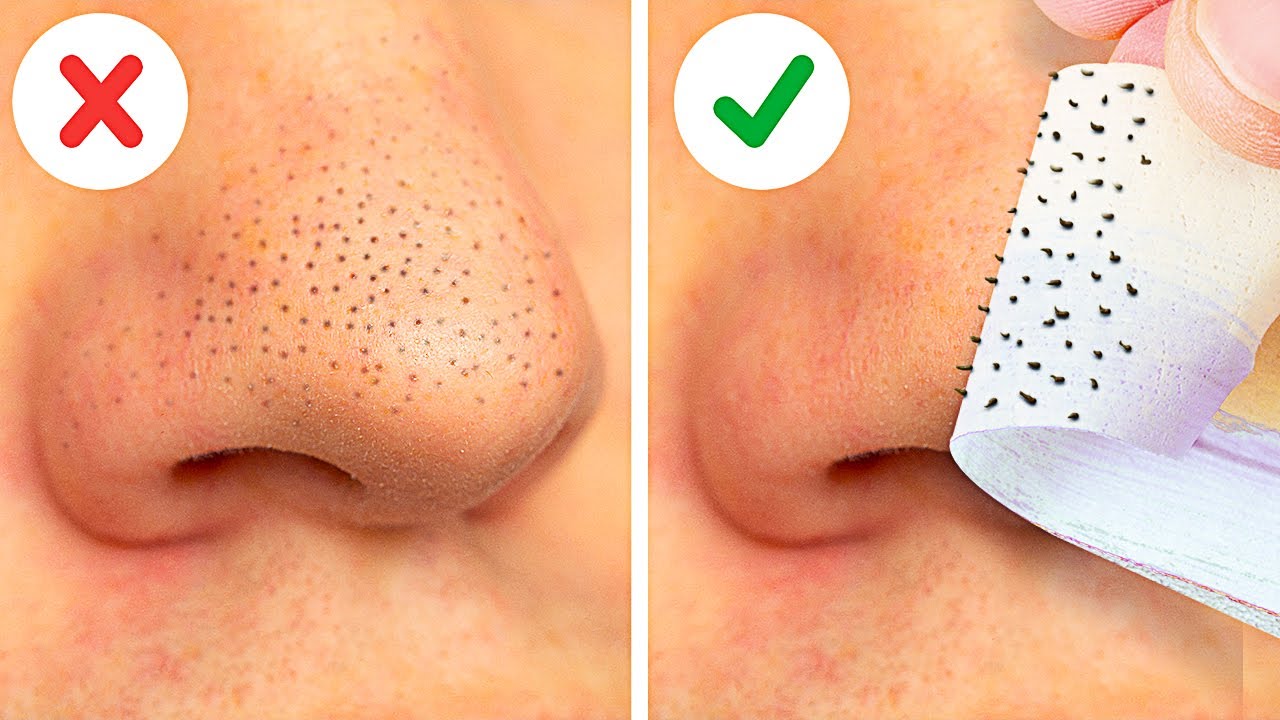
- Blackheads and whiteheads: Mild, non-inflamed clogged pores
- Papules: Small red, tender bumps
- Pustules: Red bumps with white or yellow pus
- Nodules: Large, painful lumps deep under the skin
- Cysts: Deep, painful, pus-filled lumps that can leave scars
Mild acne can be treated at home, but severe acne needs a doctor.
Main Causes of Acne
- Hormones (puberty, periods, pregnancy, PCOS)
- Excess oil
- Genetics
- Stress
- Some medicines
- Certain skincare or makeup products that clog pores
- Possibly some foods, such as high-sugar foods and, for some people, dairy
Dirt does not cause acne, so washing your face too much will not cure it.
Step 1: Wash Gently Twice a Day
Use a mild, fragrance-free cleanser, morning and night. Use lukewarm water and your fingertips. Scrubbing hard or using harsh soaps makes acne worse by irritating skin.
Step 2: Use Benzoyl Peroxide
Benzoyl peroxide kills acne-causing bacteria and reduces inflammation. It is one of the most studied acne ingredients.
How to use it:
- Start with 2.5% to 5% (stronger is not always better and can cause dryness)
- Apply a thin layer on affected areas once a day
- Increase slowly if your skin handles it
- Be careful, as it can bleach towels, pillowcases, and clothes
Step 3: Add Salicylic Acid
Salicylic acid clears clogged pores and reduces oil. It is good for blackheads, whiteheads, and mild pimples. Look for 0.5% to 2% in cleansers, toners, or leave-on treatments.
Step 4: Try Adapalene (a Retinoid)
Adapalene is a gentle retinoid that helps prevent clogged pores. It is available without a prescription in many countries. It is one of the best long-term treatments for acne.
Tips:
- Apply a pea-sized amount to the whole face at night
- Start 2 to 3 nights a week
- Expect some dryness or purging in the first few weeks
- It may take 8 to 12 weeks to see good results
- Avoid it during pregnancy and ask your doctor for safe options
Step 5: Moisturize
Acne treatments can dry your skin. A light, oil-free, non-comedogenic moisturizer protects your skin barrier and reduces irritation. Skipping moisturizer can make things worse.
Step 6: Use Sunscreen Every Day
Many acne treatments make skin more sensitive to the sun. Sun also darkens acne marks. Choose a light, non-comedogenic SPF 30 or higher.
Step 7: Do Not Pick or Pop Pimples
Picking spreads bacteria, increases inflammation, and can cause scars and dark marks. If you must treat a spot, use a pimple patch (hydrocolloid patch), which absorbs fluid and protects the skin.
Step 8: Be Careful With Makeup and Hair Products
Choose makeup labeled non-comedogenic and oil-free. Always remove it before sleeping. Keep oily hair products away from your face and forehead.
Step 9: Healthy Lifestyle Habits
- Sleep: 7 to 9 hours helps your body regulate hormones
- Stress: Try walking, breathing exercises, or a hobby
- Hygiene: Change pillowcases weekly, clean your phone, and wash makeup brushes
- Do not touch your face often
Does Food Affect Acne?
Research suggests a link between acne and diets high in sugar and refined carbs for some people. Some studies also link dairy, especially skim milk, to acne. The effect is different for each person. Try eating more vegetables, fruits, whole grains, and healthy fats, and notice if some foods make your skin worse. Do not cut out entire food groups without advice.
Home Remedies: What to Avoid
Toothpaste, lemon juice, baking soda, and raw garlic are popular online but can burn and irritate your skin. Tea tree oil (diluted, in a proper product) has some evidence for mild acne, but it works slower and can cause allergies in some people, so test it first.
When to See a Dermatologist
Visit a skin doctor if:
- You have deep, painful cysts or nodules
- Your acne leaves scars or dark marks
- Over-the-counter products do not work after 8 to 12 weeks
- Acne affects your mental health or confidence
- You are a woman with acne and irregular periods or extra facial hair (it can be linked to PCOS)
Doctors can prescribe stronger treatments such as topical antibiotics, prescription retinoids, hormonal treatments, or isotretinoin for severe acne. Each has benefits and risks, so they must be used under medical supervision.
How Long Does It Take?
Acne treatment is slow. Most products need 6 to 12 weeks to show real results. Skin may look slightly worse at first as it adjusts. Stay consistent and do not change products every week.
A Simple Starter Routine
Morning: Gentle cleanser, light moisturizer, sunscreen
Night: Gentle cleanser, adapalene or benzoyl peroxide, moisturizer
Add salicylic acid if needed, but avoid using too many strong products at once.
Final Thoughts
If you want to know how to get rid of acne, remember: be gentle, be consistent, and be patient. Use proven ingredients like benzoyl peroxide, salicylic acid, and adapalene, protect your skin with moisturizer and sunscreen, and see a dermatologist when needed. Clear skin is possible, and every small step helps.