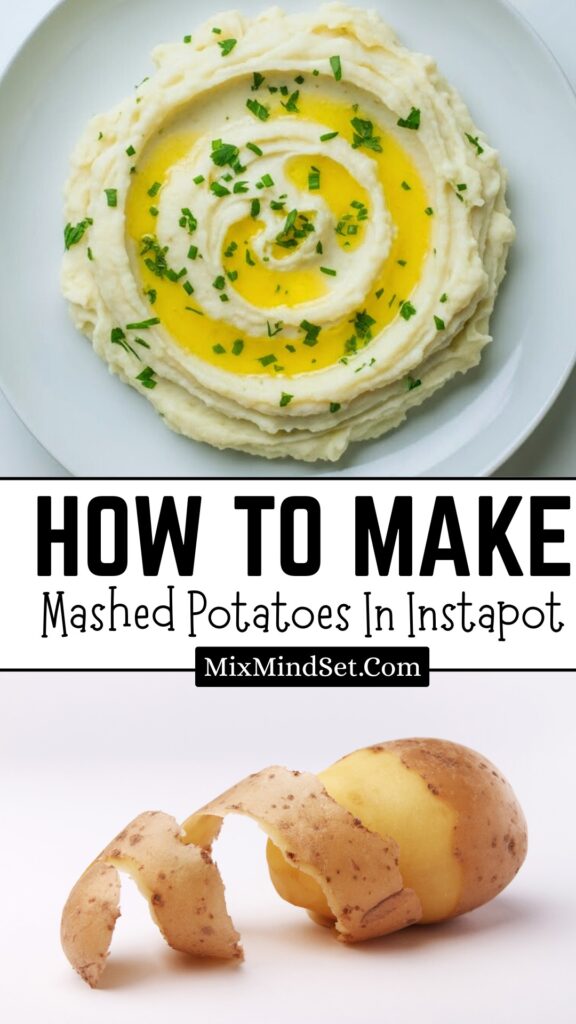
How To Make Mashed Potatoes at Home?
One of those classic comfort foods that is always in style is mashed potatoes. Whether it’s a hurried midweek dinner, a spectacular holiday spread, or a comfortable Sunday lunch, they have a way of adding warmth to any table.
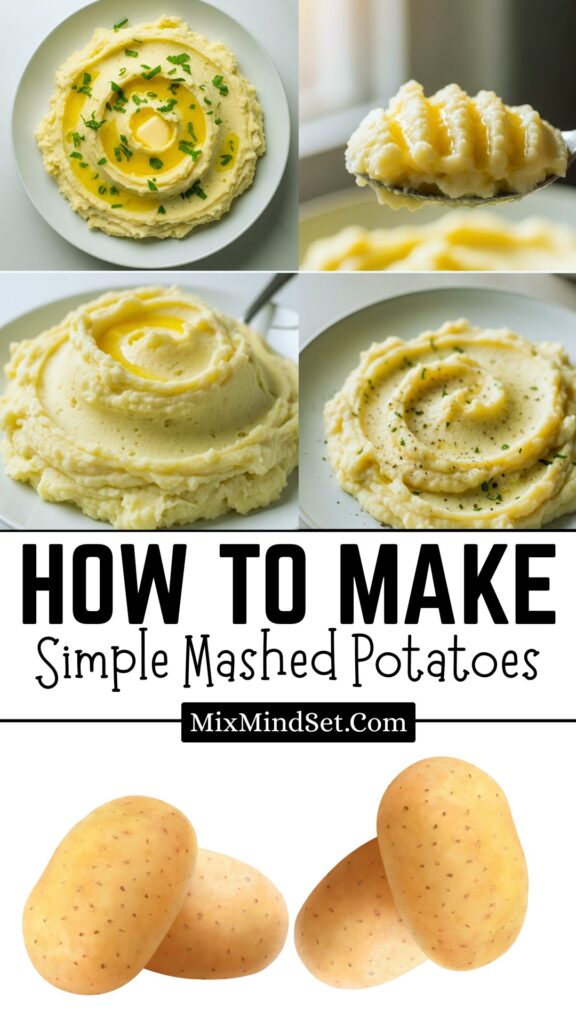
They are simple, creamy, and incredibly fulfilling. Even though the ingredients are simple, making exceptionally delicious mashed potatoes requires balance, skill, and a little love.
This comprehensive book will teach you how to create the greatest mashed potatoes from scratch, identify which potatoes perform best, identify common mistakes to avoid, and explore variations to suit every taste.
Table of Contents
Why Are Mashed Potatoes So Popular?
There’s a solid reason why mashed potatoes are a universal favorite. They are:
- Cheap and simple to produce
- Adaptable with countless flavor choices
- Comforting and satisfying
- Almost all age groups can use it.
This meal works well for a variety of cuisines and tastes, from straightforward butter-and-milk versions to rich, creamy restaurant-style mash.
Choosing the Right Potatoes:
Choosing the correct kind of potato is the cornerstone of delicious mashed potatoes. When cooked and mashed, different potatoes behave differently.
Best Potatoes for Mashed Potatoes:
- Russet potatoes: Light, fluffy, high in starch, and perfect for traditional mash
- Yukon Gold potatoes: Ideal for smooth mashed potatoes, it has a buttery flavor and is naturally creamy.
Potatoes to Avoid:
- Waxy potatoes: If not handled carefully, they often turn gluey when mashed.
Suggestion: A combination of Russet and Yukon Gold potatoes—the fluffiness of one and the creaminess of the other—is preferred by many cooks for optimal results.
Ingredients for Classic Mashed Potatoes:
The ingredients for a classic, decadent mashed potato recipe are as follows:
- Potatoes
- Salt
- Butter (unsalted is best)
- Milk or cream
Optional: garlic, black pepper, herbs, or cheese.
Suggestion: The secret to keeping the mash silky and smooth is to use warm milk and premium butter.
Step-by-Step Mashed Potatoes Recipe:
Step 1: Peel and Cut the Potatoes
- After peeling, chop the potatoes into uniformly sized pieces.
This guarantees that they mash nicely and cook at the same pace.
Step 2: Boil Until Tender
- Put the potatoes in a big pot and pour cold, salted water over them.
- After bringing to a boil, cook the potatoes until they are fork-tender.
Point: The potatoes can cook uniformly from the inside out if you start with cold water.
Step 3: Drain Thoroughly
- After thoroughly draining the potatoes, put them back in the heated pot for one minute.
In order to avoid watery mashed potatoes, this step eliminates extra moisture.
Step 4: Mash Gently
Make use of a ricer or potato masher and gently mash the potatoes.
Warning: Food processors and blenders should be avoided since they can overwork the starch and cause the potatoes to become sticky.
Step 5: Add Butter First
- While the potatoes are still hot, add the butter.
This gives the starches a deeper texture by allowing the butter to melt and coat them.
Step 6: Add Warm Milk or Cream
- Add the warm milk or cream gradually, stirring gently until the desired consistency is achieved.
Step 7: Season and Serve
- Add salt and pepper for seasoning. Taste and make any necessary adjustments.
Suggestion: For optimal texture, serve right away.
Video Guide
Secrets to Ultra-Creamy Mashed Potatoes
- Make sure your dairy is heated before adding it.
- Avoid overmixing; little folding is sufficient.
- Potatoes require adequate seasoning, so use enough salt.
- While the potatoes are heated, mash them.
The flavor and texture are greatly influenced by these minute elements.
Common Mistakes to Avoid:
- Overboiling: Watery mash results if you do overboiling.
- Adding cold milk: cools the potatoes and modifies their texture.
- Overmixing: produces a consistency that is gluey.
- Under Seasoning: Mashed potatoes with insufficient flavor are boring.
Better outcomes are always guaranteed when these errors are avoided.
Read Also: Copycat Recipe: Dutch Bros Golden Eagle
Flavor Variations You Can Try:
There are so many uses for mashed potatoes. Here are some well-liked variations:
1. Garlic Mashed Potatoes:
Add roasted or sautéed garlic for a deep, savory flavor.
2. Cheesy Mashed Potatoes:
For added richness, stir in cream cheese, cheddar, or parmesan.
3. Herb Mashed Potatoes:
Fresh herbs that provide aroma and freshness include rosemary, parsley, and chives.
4. Dairy-Free Mashed Potatoes:
For a vegan-friendly version, use plant-based milk and olive oil.
Serving Suggestions for Mashed Potatoes:
Mashed potatoes go well with:
- Roasted or grilled meats
- Fried chicken
- Gravy made with vegetables
- Casseroles and stews
They can also be used as a filling side dish or as a foundation for recipes like shepherd’s pie.
Storage and Reheating Tips for Mashed Potatoes:
When handled correctly, mashed potatoes are easily kept.
1. Storage:
Leftovers can be kept in the fridge for up to three days in an airtight container.
2. Reheating:
To restore creaminess, reheat slowly on the stovetop or in the microwave and add a little milk or butter.
Why Are Homemade Mashed Potatoes Better?
While homemade mashed potatoes provide the following benefits, instant mashed potatoes may save time:
- Improved taste
- New texture
- Authority over ingredients
- Absence of preservatives
You won’t want to return to packaged versions once you’ve mastered this recipe.
Frequently Asked Question
Which potatoes are best for mashed potatoes?
The best texture and flavor come from Russet and Yukon Gold potatoes.
Can I make mashed potatoes ahead of time?
Indeed, they can be prepared in advance and warmed with a small amount of butter or milk.
Why are my mashed potatoes gummy?
A gluey texture results from overmixing, which releases too much starch.
How do I make mashed potatoes more flavorful?
For optimal flavor, use warm dairy, good butter, and plenty of salt.
Final Thoughts:
Even while mashed potatoes seem straightforward, they can be made into something really spectacular when done correctly.
You can consistently make a dish that is creamy, savory, and comforting with the correct potatoes, careful preparation, and high-quality ingredients.
Mashed potatoes are still a popular dish that unites people around the table, whether you keep it traditional or jazz it up with cheese and herbs.