Chicken Fried Steak Recipe
There are comfort foods, and then there is Chicken Fried Steak—a dish that feels like a warm hug on a plate. If you’ve ever been intimidated by the idea of pounding meat, setting up a dredging station, or getting that perfect crispy crust that doesn’t turn soggy the second the gravy hits it, you are in the right place.
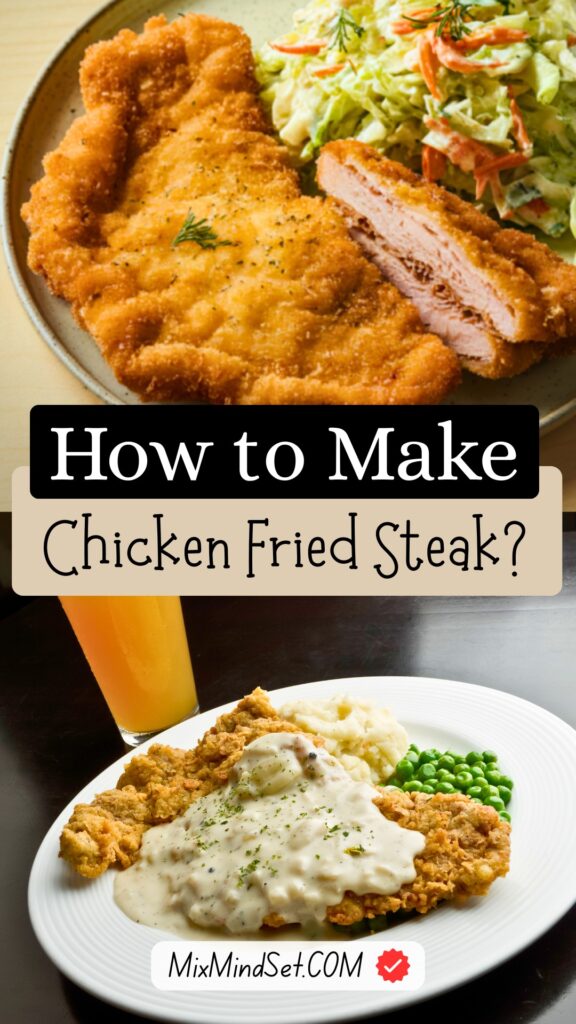
Despite the name, there is no chicken involved. This classic Southern staple takes a tough cut of beef (usually cube steak) and transforms it into a golden, peppery masterpiece via a process similar to frying chicken. When done right, you get a juicy steak hidden under a crunchy, craggy shell, all drowned in a creamy, black pepper-laced country gravy.
I’m going to walk you through every step to ensure your steak stays crispy and your gravy is lump-free. No fluff, just the practical techniques that actually work.
What is Chicken Fried Steak?
Before we get our hands dirty, let’s clarify the identity of this dish. Chicken fried steak is a tenderized beef steak (typically cube steak) that is coated in a seasoned flour mixture, dipped in an egg wash, and fried in a skillet until golden brown. It is served smothered in a rich, peppered country gravy.
It differs from “country fried steak,” which is usually pan-fried with a thinner, brown gravy. We are focusing on the chicken-fried style—deep golden, crispy, and served with that iconic white gravy.
Why This Recipe Works?
- Dual Dredge: We use a seasoned flour coating followed by an egg-milk wash, then back into the flour. This creates the craggy, shaggy texture that holds up against gravy.
- Resting is Key: We let the breaded steaks rest before frying. This allows the coating to hydrate and adhere to the meat, preventing it from falling off in the pan.
- Proper Oil Temperature: We maintain a steady temperature to ensure the steak cooks through without burning the outside.
Table of Contents
Chicken Fried Steak Recipe
To achieve the perfect balance of flavor and texture, precision matters. Here is everything you will need.
| Ingredient | Quantity | Notes |
|---|---|---|
| For the Steak | ||
| Cube Steak (or top round) | 4 (6-8 oz each) | Pound to ¼-inch thickness if not pre-tenderized |
| All-Purpose Flour | 1 ½ cups | For the dredge |
| Cornstarch | ¼ cup | Secret ingredient for extra crispiness |
| Kosher Salt | 1 tbsp | Divided; adjust to taste |
| Freshly Ground Black Pepper | 1 ½ tbsp | Divided; essential for flavor |
| Paprika | 1 tsp | Adds color and subtle smokiness |
| Garlic Powder | 1 tsp | For savory depth |
| Cayenne Pepper | ¼ tsp | Optional; for heat |
| Buttermilk | 1 cup | The acidity tenderizes and helps the coating stick |
| Large Eggs | 2 | Binds the flour to the steak |
| Vegetable Oil or Lard | 3–4 cups | For frying; lard yields the best flavor |
| For the Country Gravy | ||
| Reserved Frying Oil | ¼ cup | Use the drippings from the pan |
| All-Purpose Flour | ¼ cup | Roux base |
| Whole Milk | 2 cups | Room temperature to prevent lumps |
| Kosher Salt | 1 tsp | To taste |
| Freshly Ground Black Pepper | 1 ½ tsp | Generous amount; do not skimp |
The Method: How to Make Chicken Fried Steak
1. Prepare the Steak
If your cube steak isn’t already tenderized to about ¼-inch thickness, place it between two sheets of plastic wrap and use a meat mallet to pound it out evenly. This ensures quick, even cooking. Pat the steaks completely dry with paper towels. Moisture is the enemy of crispy coatings.
2. Set Up the Dredging Station
In a shallow dish, whisk together the 1 ½ cups flour, cornstarch, 1 ½ teaspoons salt, 1 tablespoon black pepper, paprika, garlic powder, and cayenne.
In a separate shallow dish, whisk together the buttermilk and eggs until fully combined.
3. The Double Dredge
Season the steaks lightly with a pinch of salt. Dredge each steak in the flour mixture, shaking off the excess. Next, dip it into the buttermilk mixture, allowing any excess to drip off.
Finally, return it to the flour mixture. Press the flour firmly onto the steak to create a thick, shaggy crust. Place the breaded steaks on a wire rack and let them rest for 15 to 20 minutes. This step is non-negotiable; it sets the crust.
4. Fry to Golden Perfection
Pour enough oil into a heavy-bottomed skillet (cast iron is ideal) to reach a depth of about ½ inch. Heat the oil to 325°F (165°C) . Working in batches to avoid crowding, carefully lay the steaks in the oil.
Fry for 3 to 4 minutes per side, until deep golden brown and the internal temperature reaches 145°F (63°C). Drain on a clean wire rack set over a baking sheet (avoid paper towels, which trap steam and ruin crispiness).
5. Make the Gravy
Carefully pour off all but ¼ cup of the frying oil from the skillet, leaving the browned bits (fond) in the pan. Reduce the heat to medium. Sprinkle in the ¼ cup flour and whisk constantly for 2 to 3 minutes until it forms a light brown roux.
Slowly pour in the milk while whisking vigorously to prevent lumps. Continue cooking, stirring often, until the gravy thickens enough to coat the back of a spoon (about 5–7 minutes). Season with salt and a generous amount of black pepper. If the gravy becomes too thick, add a splash more milk.
Video Guide 📺
Practical Tips & Common Mistakes to Avoid:
Even simple recipes have pitfalls. Here is how to sidestep them.
- Don’t Skip the Cornstarch: Mixing cornstarch with your flour creates a lighter, crispier crust that stays crunchy longer than flour alone.
- Oil Temperature Fluctuation: If your oil is too cool (under 300°F), the steak will absorb oil and become greasy. If it’s too hot (over 350°F), the crust will burn before the meat cooks through. Use a thermometer.
- The Resting Rack: Do not stack the fried steaks. Place them on a rack in a single layer. If you pile them on a plate, the steam will turn your crispy masterpiece into a soggy mess.
- Gravy Consistency: If your gravy gets lumpy, whisk hard. If it’s too thin, let it simmer longer. If it’s too thick, whisk in more milk. Patience is key.
Nutrition Facts
Approximate per serving (based on 1 steak with ¼ cup gravy)
| Nutrient | Amount |
|---|---|
| Calories | 680 |
| Protein | 38g |
| Fat | 42g |
| Saturated Fat | 12g |
| Carbohydrates | 42g |
| Fiber | 2g |
| Sodium | 980mg |
Frequently Asked Questions
Can I make this chicken fried steak in the oven or an air fryer?
While you can get a decent result in an air fryer (spray with oil and cook at 400°F for 10–12 minutes, flipping halfway), it won’t achieve the same deep golden, craggy crust that shallow frying in a skillet provides. The oven is not recommended for this style, as the coating tends to dry out before the meat cooks properly.
Why does the breading fall off my chicken fried steak?
This is usually due to one of two issues: either the meat was too wet when it went into the flour, or you skipped the resting period after breading. Letting the breaded steaks sit for 15 minutes allows the flour to hydrate and form a glue-like bond with the meat.
What is the best cut of meat to use?
Cube steak is the traditional choice. It is usually top round or sirloin that has been mechanically tenderized. If you cannot find cube steak, you can buy top round or sirloin and pound it yourself. Avoid using expensive cuts like ribeye; the tough cuts are ideal here because the tenderizing process and frying method are designed for them.
Can I freeze these?
Yes! Chicken fried steak freezes beautifully. After breading, place the steaks on a baking sheet in a single layer and freeze until solid. Transfer them to a freezer bag. Fry them directly from frozen, adding about 2 minutes to the cooking time per side. Do not thaw them first, as the coating will become sludgy.
Conclusion
A perfect Chicken Fried Steak is a test of patience and technique, but it is one of the most rewarding dishes to master. It is salty, peppery, creamy, and crispy all at once—a true celebration of Southern cooking.
By following these steps—tenderizing the meat, using a cornstarch-laced flour, resting the breaded steaks, and making a roux-based gravy from the pan drippings—you ensure a result that rivals any diner or steakhouse.
Serve this immediately over a bed of creamy mashed potatoes or with simple green beans on the side. The contrast of textures and the richness of the gravy make for a meal that feels like a special occasion, even on a regular Tuesday night.