21+ Healthy Vegetarian Recipes
Going vegetarian or simply adding more meatless meals to your week is one of the best things you can do for your health.
Studies show that plant‑based eaters tend to have lower risks of heart disease, high blood pressure, and type 2 diabetes.
But let’s be honest – vegetarian cooking can sometimes feel boring or leave you hungry an hour later.
The secret is building meals around plant proteins (beans, lentils, tofu, tempeh, eggs, dairy), healthy fats (avocado, nuts, seeds, olive oil), and fiber‑rich carbs (whole grains, starchy vegetables). When you balance these, vegetarian food becomes incredibly satisfying and delicious.
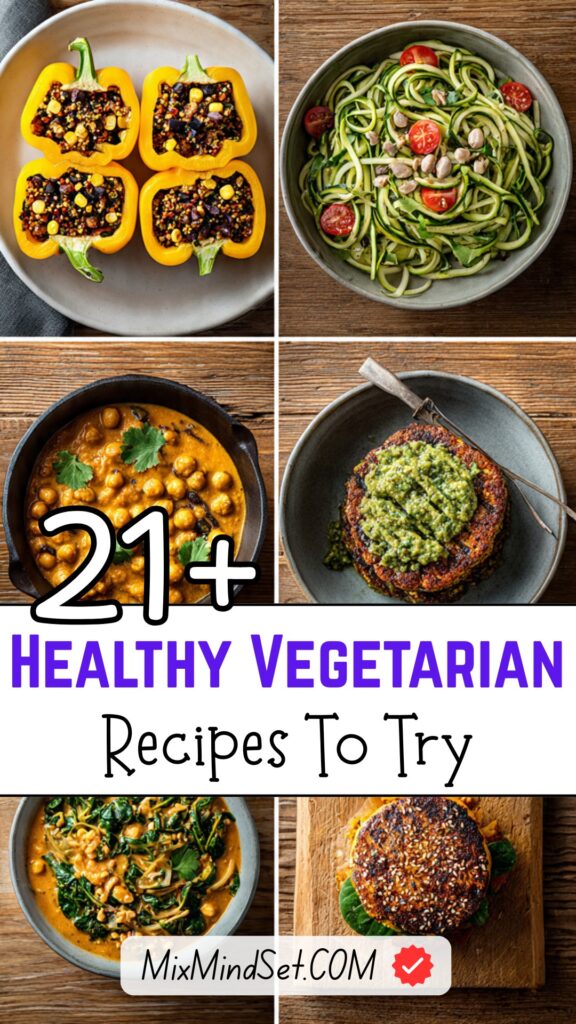
This guide gives you over 21 healthy vegetarian recipes – from hearty bowls and pastas to veggie burgers, sheet pan dinners, and breakfast‑for‑dinner.
Each recipe is family‑friendly, uses affordable ingredients, and comes with a complete nutritional breakdown. You’ll also find a handy protein‑per‑serving table to help you build balanced plates.
Why a Vegetarian Diet Works (When You Do It Right)
A poorly planned vegetarian diet – heavy on white pasta, cheese, and processed meat substitutes – can be just as unhealthy as a meat‑heavy diet. But a whole‑foods vegetarian diet offers real benefits:
| Health Benefit | What Vegetarian Foods Deliver |
|---|---|
| More fiber | Beans, lentils, whole grains, vegetables – keep you full and support digestion. |
| Less saturated fat | No red or processed meats means lower intake of artery‑clogging fats. |
| Higher antioxidant intake | Colourful fruits and vegetables fight inflammation. |
| Lower risk of chronic disease | Studies link vegetarian diets to reduced heart disease, diabetes, and certain cancers. |
| Budget friendly | Beans, rice, eggs, and seasonal vegetables are far cheaper than meat. |
The golden rule for healthy vegetarian eating: Every meal should contain a protein source (15‑20g), a fiber source (5‑8g), and a healthy fat.
Protein Power: Vegetarian Sources at a Glance
Use this quick reference table to build balanced meals.
| Food | Protein per serving | Best used in |
|---|---|---|
| Firm tofu (3 oz) | 8g | Stir‑fries, scrambles, baking |
| Tempeh (3 oz) | 15g | Sandwiches, curries, crumbled |
| Lentils (½ cup cooked) | 9g | Soups, bowls, loaves |
| Chickpeas (½ cup) | 7g | Salads, curries, hummus |
| Black beans (½ cup) | 7g | Tacos, burritos, burgers |
| Eggs (2 large) | 12g | Scrambles, frittatas, bakes |
| Greek yogurt (¾ cup) | 18g | Breakfast, dips, sauces |
| Cottage cheese (½ cup) | 14g | Bowls, smoothies, savory plates |
| Edamame (½ cup shelled) | 9g | Stir‑fries, salads, snacking |
| Quinoa (1 cup cooked) | 8g | Bowls, salads, patties |
21+ Healthy Vegetarian Recipes
I’ve organised these by category. The first three recipes include full ingredient tables and step‑by‑step instructions. The rest are summarised for easy meal planning.
Hearty Bowls & Grain Bowls (5 Ideas)
Recipe 1: Mediterranean Chickpea & Quinoa Bowl
Ingredients:
| Ingredient | Amount |
|---|---|
| Cooked quinoa | 2 cups |
| Canned chickpeas (rinsed) | 1 can (15 oz) |
| Cucumber (diced) | 1 medium |
| Cherry tomatoes (halved) | 1 cup |
| Red onion (thinly sliced) | ¼ cup |
| Kalamata olives | ¼ cup |
| Feta cheese (crumbled, optional) | ¼ cup |
| Lemon juice | 3 tbsp |
| Olive oil | 2 tbsp |
| Dried oregano | 1 tsp |
| Salt & pepper | To taste |
Instructions:
- In a large bowl, combine cooked quinoa, chickpeas, cucumber, tomatoes, red onion, olives, and feta (if using).
- In a small jar, shake together lemon juice, olive oil, oregano, salt, and pepper.
- Pour dressing over the bowl and toss well.
- Serve cold or at room temperature. Keeps in the fridge for up to 3 days.
Nutritional Facts (per serving – ¼ of recipe):
| Nutrient | Amount |
|---|---|
| Calories | 410 |
| Protein | 14g |
| Carbohydrates | 45g |
| Fiber | 11g |
| Total Fat | 20g |
Recipe 2: Southwestern Black Bean Bowl
Ingredients:
| Ingredient | Amount |
|---|---|
| Brown rice (cooked) | 2 cups |
| Black beans (rinsed) | 1 can (15 oz) |
| Frozen corn (thawed) | 1 cup |
| Red bell pepper (diced) | 1 |
| Avocado (sliced) | 1 |
| Salsa | ½ cup |
| Plain Greek yogurt (non‑fat) | ¼ cup |
| Lime juice | 2 tbsp |
| Cumin & chili powder | ½ tsp each |
| Fresh cilantro | ¼ cup |
Instructions:
- In a skillet, warm black beans with cumin and chili powder (add a splash of water).
- Divide rice among 4 bowls. Top with black beans, corn, bell pepper, avocado slices, and salsa.
- Add a dollop of Greek yogurt, a squeeze of lime juice, and fresh cilantro.
Nutritional Facts (per serving – ¼ of recipe):
| Nutrient | Amount |
|---|---|
| Calories | 430 |
| Protein | 15g |
| Carbohydrates | 68g |
| Fiber | 15g |
| Total Fat | 12g |
Recipe 3: Tofu & Roasted Veggie Bowl with Tahini Dressing
Ingredients:
| Ingredient | Amount |
|---|---|
| Firm tofu (pressed, cubed) | 1 block (14 oz) |
| Broccoli florets | 2 cups |
| Sweet potato (cubed) | 1 medium |
| Cooked quinoa | 2 cups |
| Tahini | ¼ cup |
| Lemon juice | 3 tbsp |
| Garlic (minced) | 1 clove |
| Water | 2‑3 tbsp |
| Salt & pepper | To taste |
| Olive oil | 2 tbsp |
Instructions:
- Preheat oven to 400°F (200°C). On a sheet pan, toss tofu cubes, broccoli, and sweet potato with olive oil, salt, and pepper.
- Roast for 20‑25 minutes, flipping halfway, until vegetables are tender and tofu is golden.
- Meanwhile, make dressing: whisk tahini, lemon juice, garlic, and enough water to reach a pourable consistency.
- Divide quinoa among bowls. Top with roasted vegetables and tofu. Drizzle with tahini dressing.
Nutritional Facts (per serving – ¼ of recipe):
| Nutrient | Amount |
|---|---|
| Calories | 480 |
| Protein | 20g |
| Carbohydrates | 48g |
| Fiber | 10g |
| Total Fat | 25g |
More Bowl Ideas (2 more)
- Lentil & Sweet Potato Bowl – Roasted sweet potato, cooked brown lentils, sautéed kale, a poached egg, and lemon‑tahini dressing.
- Edamame & Sesame Soba Bowl – Buckwheat soba noodles, shelled edamame, shredded carrots, cucumber, sesame ginger dressing.
Pasta & Noodles (5 Ideas)
- Lentil Bolognese – Cook brown lentils with crushed tomatoes, carrots, celery, onion, and herbs. Serve over whole wheat spaghetti.
- Greek Yogurt Pesto Pasta – Whole wheat pasta tossed with basil pesto mixed with plain Greek yogurt, cherry tomatoes, and fresh mozzarella (small amount).
- Zucchini Noodles with Avocado Pesto – Spiralized zucchini, sauce from avocado+basil+lemon+garlic+olive oil.
- Mushroom & Spinach Lasagna (Light) – Whole wheat lasagna noodles, low‑fat ricotta, spinach, mushrooms, marinara, topped with a little mozzarella.
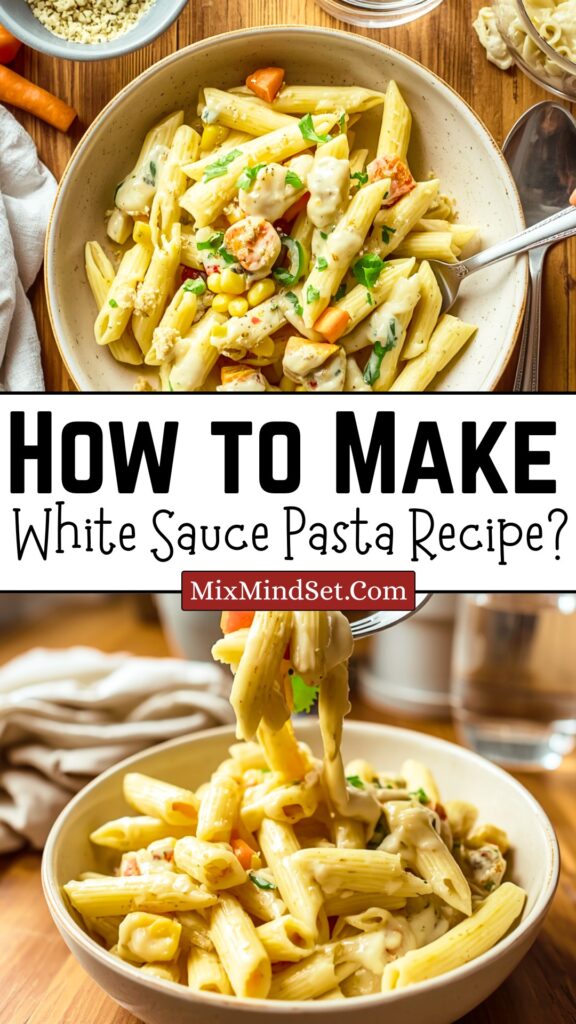
- One‑Pot Tomato & Chickpea Pasta – Cook whole wheat pasta, marinara, chickpeas, and spinach together in one pot.
Veggie Burgers & Patties (4 Ideas)
- Black Bean Burgers – Mashed black beans, breadcrumbs, egg, onion, cumin. Pan‑sear. Serve on whole wheat buns.
- Lentil & Walnut Burgers – Cooked lentils, ground walnuts, oats, egg, smoked paprika. Baked or pan‑seared.
- Chickpea & Sweet Potato Patties – Mashed chickpeas and roasted sweet potato, breadcrumbs, curry powder. Serve with yogurt sauce.
- Quinoa & Broccoli Cakes – Cooked quinoa, finely chopped broccoli, Parmesan, egg, breadcrumbs. Pan‑sear until crisp.
Egg & Dairy Meals (4 Ideas)
- Vegetable Frittata – Sauté bell peppers, spinach, onions. Pour 6 beaten eggs with a little milk. Bake until set.
- Crustless Quiche – Eggs, low‑fat milk, shredded cheese, broccoli or mushrooms, baked in a muffin tin or pie dish.
- Greek Yogurt & Veggie Plate – Thick Greek yogurt with cucumbers, tomatoes, olives, whole wheat pita, and a drizzle of olive oil.
- Cottage Cheese Bowls – Cottage cheese with black pepper, side of roasted vegetables and a slice of whole grain toast.
Soups & Stews (4 Ideas)
- Lentil & Vegetable Soup – Brown lentils, carrots, celery, zucchini, low‑sodium broth, thyme.
- White Bean & Kale Soup – Cannellini beans, kale, carrots, vegetable broth, rosemary.
- Curried Red Lentil Soup – Red lentils, light coconut milk, turmeric, ginger, spinach.
- Black Bean & Corn Chili – Black beans, corn, diced tomatoes, chili powder, bell peppers, topped with Greek yogurt.
5 Common Mistakes on a Healthy Vegetarian Diet
1. Relying too much on cheese and processed meat substitutes.
Loading every meal with cheese or frozen veggie burgers adds saturated fat and sodium.
Solution: Use whole plant proteins – beans, lentils, tofu – most of the time, and treat cheese as a garnish.
2. Not eating enough protein.
A bowl of only vegetables and rice will leave you hungry.
Solution: Aim for 15‑20g of protein per meal (see table above). Add eggs, Greek yogurt, cottage cheese, legumes, or tofu.
3. Forgetting about healthy fats.
Fat is essential for absorbing fat‑soluble vitamins and feeling satisfied.
Solution: Add avocado, nuts, seeds, olive oil, or tahini to every meal.
4. Eating too many refined carbs.
White pasta, white rice, and bread can spike blood sugar and leave you tired.
Solution: Choose whole grains (brown rice, quinoa, whole wheat pasta, farro). They keep you fuller longer.
5. Not planning for iron and B12.
Iron from plants (non‑heme) is less absorbed. Vitamin B12 is only in animal products or fortified foods.
Solution: Eat iron‑rich foods with vitamin C (add lemon to beans). Consider a B12 supplement or eat fortified cereals/nutritional yeast.
Frequently Asked Questions
Will I get enough protein on a vegetarian diet?
Absolutely. Eggs, Greek yogurt, cottage cheese, tofu, tempeh, edamame, lentils, chickpeas, beans, quinoa, and nuts all provide plenty of protein. Most vegetarian women easily reach 50‑70g per day without trying.
What’s the best meat substitute?
For whole‑food options: tofu (versatile), tempeh (nutty, firm), and seitan (very high protein – not gluten‑free).
For convenience: black bean burgers or lentil patties are better than highly processed fake meats.
Can I build muscle on a vegetarian diet?
Yes. Many athletes are vegetarian or vegan. Key is eating enough protein at each meal (20‑25g) and including whole food sources like Greek yogurt, cottage cheese, eggs, tofu, and legumes.
How do I avoid feeling hungry an hour after eating?
Add fat and fiber. A bowl of plain vegetables won’t stick. Add a source of protein (eggs, beans) and healthy fat (avocado, olive oil, nuts). Also, make sure you’re eating enough volume – vegetables and whole grains are less calorie dense, so you may need larger portions.
Is a vegetarian diet safe for children?
Yes, with careful planning. Ensure enough protein, calcium, iron, vitamin D, and B12. Include eggs, dairy (if tolerated), legumes, nut butters, and fortified foods. Consult a pediatrician or dietitian for specific needs.
What if I don’t like tofu?
You never have to eat it. Focus on eggs, Greek yogurt, cottage cheese, lentils, chickpeas, black beans, and edamame. Tofu is optional.
Nutritional Comparison: Plant vs. Animal Protein (Per 100g)
| Food | Calories | Protein | Fat | Fiber |
|---|---|---|---|---|
| Firm tofu | 76 | 8g | 4.8g | 0.5g |
| Lentils (cooked) | 116 | 9g | 0.4g | 8g |
| Chickpeas (cooked) | 139 | 7.5g | 2.6g | 7.6g |
| Eggs | 155 | 13g | 11g | 0g |
| Greek yogurt (non‑fat) | 59 | 10g | 0.4g | 0g |
| Chicken breast (cooked) | 165 | 31g | 3.6g | 0g |
Your 3‑Day Healthy Vegetarian Meal Plan
| Day | Breakfast | Lunch | Dinner |
|---|---|---|---|
| Monday | Greek yogurt with berries & chia seeds | Leftover Mediterranean chickpea bowl | Lentil Bolognese over whole wheat spaghetti |
| Tuesday | Scrambled eggs with spinach & toast | Southwestern black bean bowl | Sheet pan tofu & roasted veggies + quinoa |
| Wednesday | Oatmeal with banana & peanut butter | White bean & kale soup + bread | Vegetable frittata with side salad |
Final Thoughts
A healthy vegetarian diet isn’t about deprivation. It’s about abundance – of colourful vegetables, satisfying legumes, creamy avocado, and nourishing whole grains. The 21+ recipes in this guide prove that you can eat vegetarian food that’s hearty, flavourful, and leaves you truly satisfied.
Start with one or two recipes this week. Maybe the Mediterranean chickpea bowl for lunch, or the lentil bolognese for dinner. You don’t need to go fully meatless overnight – even “Meatless Monday” makes a difference.
Let plants be the star of your plate. Your body (and your budget) will thank you.
Disclaimer: This article is for informational purposes only. Consult a healthcare provider or registered dietitian before making significant dietary changes, especially for children, pregnant women, or those with medical conditions.