Homemade Healthy Hummus Recipe
There is something satisfying about making your own hummus at home. It is simple, budget-friendly, fresh, and easy to adjust to your taste.
A homemade healthy hummus recipe gives you full control over the ingredients, so you can keep it wholesome, smooth, and packed with flavor without relying on unnecessary additives or too much oil.
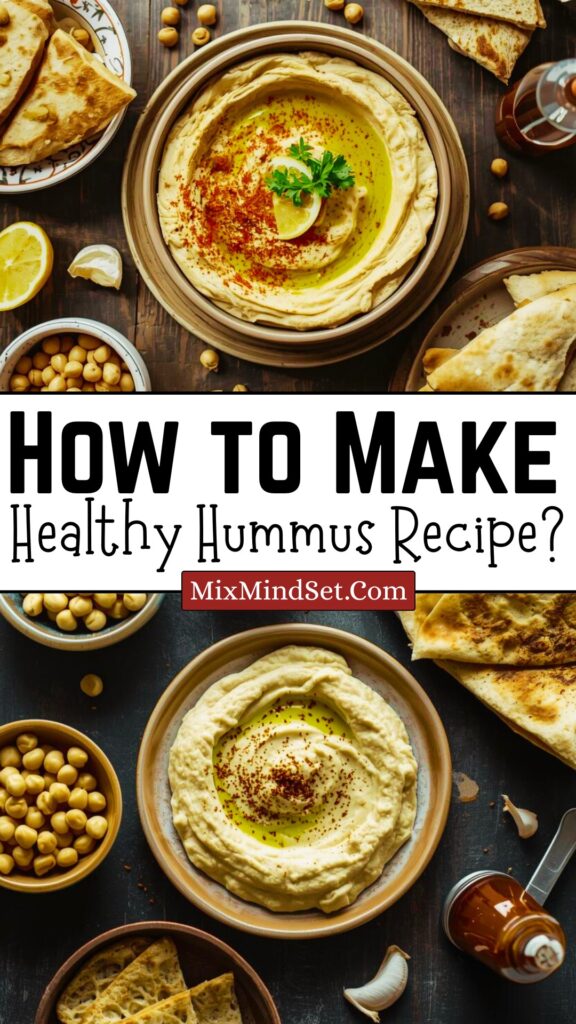
Hummus is one of those recipes that works for almost everything. You can spread it in wraps, serve it with vegetables, add it to lunch bowls, or put it out as a quick snack for guests.
It is naturally rich in plant-based protein, fiber, and healthy fats, which makes it a smart option for anyone looking for a nourishing homemade dip.
In this guide, you will learn exactly how to make a creamy, healthy hummus recipe at home, along with helpful ingredient notes, practical tips, common mistakes to avoid, and easy serving ideas.
Table of Contents
Why You Will Love This Homemade Healthy Hummus Recipe?
This recipe is popular for a reason. It is easy enough for beginners, but the results feel just as good as something you would happily serve at a gathering.
Here is why this hummus recipe works so well:
- Quick to make with simple pantry ingredients
- Healthy and balanced with chickpeas, tahini, lemon, and olive oil
- Naturally vegetarian and gluten-free
- Easy to customize with garlic, spices, and toppings
- Better than store-bought in both flavor and freshness
The best part is that you do not need complicated cooking skills. A blender or food processor does most of the work.
Ingredients for a Healthy Homemade Hummus Recipe
The beauty of hummus is in its simplicity. Each ingredient has a purpose, so using fresh, good-quality basics makes a real difference.
Main Ingredients
| Ingredient | Amount | Purpose |
|---|---|---|
| Chickpeas | 2 cups cooked or 1 can (drained and rinsed) | The creamy base of the hummus |
| Tahini | 1/4 cup | Adds richness and classic nutty flavor |
| Fresh lemon juice | 2 to 3 tablespoons | Brightens the taste |
| Garlic | 1 to 2 cloves | Adds depth and sharpness |
| Olive oil | 1 to 2 tablespoons | Gives smooth texture and richness |
| Cold water | 2 to 4 tablespoons | Helps create a lighter, fluffier hummus |
| Ground cumin | 1/2 teaspoon | Adds warmth and savory flavor |
| Salt | 1/2 teaspoon or to taste | Balances the flavors |
Optional Toppings
- A drizzle of olive oil
- A sprinkle of paprika
- Chopped parsley
- A few whole chickpeas
- Sesame seeds
- Red chili flakes
Ingredient Notes
Chickpeas: You can use canned chickpeas for convenience or cook dried chickpeas for an even better texture. If using canned, rinse them well to remove extra sodium.
Tahini: This is one of the key ingredients in authentic hummus. It gives the dip its signature creamy, nutty character.
Lemon juice: Fresh lemon juice is best. Bottled juice can taste flat.
Cold water: Many people skip this, but it helps make hummus smoother and lighter without adding extra oil.
How to Make Homemade Healthy Hummus?
Making hummus is easy, but the order of the steps can improve the final texture.
Step-by-Step Method
- Prepare the ingredients.
Drain and rinse the chickpeas well. Juice the lemon and peel the garlic. - Blend tahini and lemon first.
Add the tahini and lemon juice to a food processor. Blend for about 30 seconds until the mixture looks creamy and whipped. This helps create a smoother hummus. - Add garlic, cumin, salt, and olive oil.
Blend again until everything is well combined. - Add the chickpeas.
Add half first, blend, then add the rest. This helps the machine process them more evenly. - Adjust with cold water.
Add 2 tablespoons of cold water, then blend. Add a little more if needed until the hummus becomes smooth and creamy. - Taste and adjust.
Add more lemon juice, salt, or garlic if you want a stronger flavor. - Serve.
Spoon into a bowl, swirl the top with the back of a spoon, and finish with your favorite toppings.
Video Guide 📺
Quick Recipe Summary
| Step | What to Do | Why It Matters |
|---|---|---|
| 1 | Rinse chickpeas well | Improves flavor and freshness |
| 2 | Blend tahini and lemon first | Helps create a creamy base |
| 3 | Add seasonings and oil | Builds balanced flavor |
| 4 | Blend in chickpeas | Forms the hummus texture |
| 5 | Add cold water gradually | Makes hummus smooth and light |
| 6 | Taste and adjust | Personalizes the recipe |
Tips for Creamy, Healthy Hummus Every Time
A healthy hummus recipe should taste fresh, smooth, and balanced. These small tips can make a big difference.
- Use cold water instead of too much oil for a lighter texture
- Blend long enough so the hummus becomes truly creamy
- Start with tahini and lemon before adding chickpeas
- Use fresh lemon juice for the best flavor
- Do not add too much garlic at once because the flavor gets stronger over time
Optional Trick for Extra Smooth Hummus
If you want restaurant-style hummus, remove the skins from the chickpeas before blending. It takes extra time, but it creates a silkier texture.
You can also warm the chickpeas slightly before blending. Soft chickpeas break down more easily and produce a smoother result.
Healthy Add-In Ideas
To keep your hummus interesting, try adding one of these:
- Roasted red peppers
- Fresh parsley or cilantro
- Jalapeño
- Roasted garlic
- Beetroot
- Avocado
These additions change the flavor without making the recipe feel heavy.
Common Mistakes to Avoid:
Even simple recipes can go wrong when a few details are overlooked. Here are the most common hummus mistakes and how to avoid them.
1. Using Too Little Tahini
Without enough tahini, hummus can taste plain and feel less creamy. It does not need a huge amount, but it does need enough to balance the chickpeas.
2. Adding Too Much Oil
A healthy homemade hummus recipe does not need to rely on a lot of olive oil. Too much can make it heavy. Use cold water to help with consistency instead.
3. Not Blending Long Enough
Hummus often turns out grainy because it is under-blended. Let the processor run longer than you think you need.
4. Skipping the Taste Test
Chickpeas can vary, and so can lemon size, garlic strength, and tahini flavor. Always taste before serving.
5. Serving It Straight from the Machine Without Resting
Hummus tastes even better after sitting for a short time. Give it 15 to 30 minutes so the flavors can settle.
Serving Ideas and Storage Tips
Hummus is one of the most flexible foods to keep in the kitchen. It works as a snack, appetizer, spread, or side dish.
Easy Ways to Serve Hummus
- With carrot sticks, cucumber, and bell peppers
- Spread inside sandwiches or wraps
- Spoon onto grain bowls
- Serve with whole wheat pita
- Use as a dip for crackers or baked chips
- Add beside grilled chicken or roasted vegetables
How to Store Homemade Hummus?
Store hummus in an airtight container in the refrigerator. It usually stays fresh for about 4 to 5 days.
For best results:
- Keep the container tightly sealed
- Add a thin layer of olive oil on top if you want to help preserve freshness
- Stir before serving if it thickens in the fridge
Freezing is possible, though the texture may change slightly. If frozen, thaw in the refrigerator and stir well before using.
FAQ About Homemade Healthy Hummus Recipe
Can I make hummus without tahini?
Yes, you can, but the flavor will be different. Tahini gives hummus its classic nutty taste and creamy body. Without it, the result is more like a chickpea dip than traditional hummus.
Is hummus actually healthy?
Yes, hummus can be a healthy snack or spread when made with balanced ingredients. Chickpeas provide fiber and protein, tahini adds healthy fats, and homemade versions let you control the amount of salt and oil.
Can I use dried chickpeas instead of canned?
Absolutely. Cooked dried chickpeas often make even better hummus because they can become softer than canned ones. This can lead to a smoother texture.
Why is my hummus not creamy?
This usually happens when the chickpeas are too firm, there is not enough liquid, or the hummus was not blended long enough. Blending tahini and lemon first, then adding cold water gradually, can help.
What can I eat with hummus for a healthy snack?
Fresh vegetables, whole grain crackers, pita, sliced cucumbers, cherry tomatoes, and roasted veggie sticks all pair well with hummus for a healthy snack.
Conclusion
A good homemade healthy hummus recipe does not need to be complicated. With chickpeas, tahini, lemon, garlic, and a few simple seasonings, you can make a fresh and flavorful dip that is both nourishing and versatile. It is the kind of recipe that fits into everyday life because it is easy, affordable, and useful in so many meals.
Once you make hummus at home, it becomes easy to adjust it exactly the way you like it. You can keep it classic, make it extra garlicky, or add your own twist with herbs and vegetables. The result is a wholesome homemade staple that tastes fresh and feels worth making again and again.
If you are looking for a reliable, practical recipe to keep in your weekly routine, this healthy hummus is a great place to start.