How to Cook Lobster Tails?
Lobster tails are actually very simple to cook at home once you know the basics. Whether you are planning a special dinner, holiday meal, or just want to try something different, learning how to cook lobster tails can help you make a restaurant-style dish in your own kitchen without much stress.
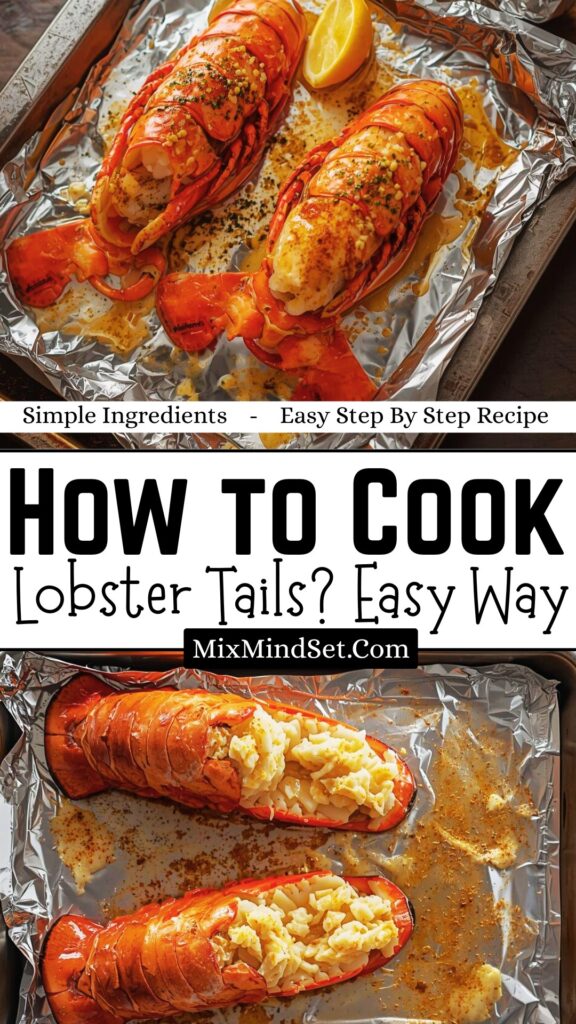
The key is not to overcomplicate it. Lobster tails cook quickly, need only a few ingredients, and taste best when the meat stays tender, juicy, and lightly sweet. A little butter, garlic, lemon, and careful timing can make a huge difference.
In this guide, you will learn the easiest methods, how long to cook them, tips for preparing them properly, and the common mistakes that can make lobster tough or rubbery. If you have ever wondered how to get perfectly cooked lobster tails every time, this post will walk you through it step by step.
Table of Contents
Why Lobster Tails Are Easy to Cook at Home?
Many people assume lobster tails are difficult because they seem luxurious, but they are one of the easiest seafood dishes to prepare. Unlike whole lobster, tails are much simpler to handle and cook faster.
Here is why they work well for home cooks:
- Quick cooking time
- No complicated prep
- Great for baking, broiling, boiling, or grilling
- Pairs well with simple ingredients
- Perfect for weeknight dinners or special occasions
Lobster tail meat has a naturally delicate flavor, so it does not need heavy seasoning. Most of the work is just choosing the right method and watching the cooking time carefully.
What You Need Before Cooking Lobster Tails?
Before you begin, it helps to have a few basics ready. This keeps the process smooth and helps prevent overcooking.
Basic Ingredients
| Ingredient | Purpose |
|---|---|
| Lobster tails | Main ingredient |
| Butter | Adds richness and moisture |
| Garlic | Gives extra flavor |
| Lemon juice or wedges | Brightens the taste |
| Salt | Enhances flavor |
| Black pepper | Adds mild seasoning |
| Paprika or parsley | Optional for color and finish |
Helpful Kitchen Tools
- Kitchen shears
- Small baking dish or sheet pan
- Brush or spoon for butter
- Instant-read thermometer
- Tongs
If your lobster tails are frozen, thaw them first in the refrigerator overnight. If you are short on time, place them in a bowl of cold water for about 30 to 60 minutes until fully thawed. Avoid using hot water, because it can affect the texture.
Best Ways to Cook Lobster Tails:
There is more than one good way to cook lobster tails, but some methods are easier and more reliable for beginners. Baking and broiling are the most popular because they bring out great flavor and keep prep simple.
How to Prepare Lobster Tails Before Cooking?
Before any cooking method, you will usually want to cut the shell so the meat cooks more evenly and looks better when served.
Step-by-Step Prep
- Place the lobster tail shell-side up on a cutting board.
- Use kitchen shears to cut through the top of the shell down the center.
- Stop near the tail fin and avoid cutting all the way through the bottom shell.
- Gently loosen the meat from the shell with your fingers or a spoon.
- Lift the meat slightly and rest it on top of the shell for a classic presentation.
- Brush with melted butter and season lightly.
This method is often called butterflying the lobster tail.
1. Broiled Lobster Tails
Broiling is one of the best methods because it cooks lobster quickly and gives the top a lightly golden finish.
How to Broil Lobster Tails
- Preheat the broiler
- Place prepared lobster tails on a baking sheet
- Brush with melted butter, garlic, salt, pepper, and lemon juice
- Broil for about 1 minute per ounce
- Watch closely to avoid overcooking
The lobster is done when the meat turns opaque white and the internal temperature reaches about 140°F to 145°F
2. Baked Lobster Tails
Baking is a gentler method and works well if you want a more even cook.
How to Bake Lobster Tails
- Preheat the oven to 425°F
- Place butterflied lobster tails in a baking dish
- Add melted butter and seasonings
- Bake until the meat is opaque and tender
This method is especially helpful if you are cooking several tails at once.
3. Boiled Lobster Tails
Boiling is simple, though it does not add as much flavor as broiling or baking. It works well when you want very soft, juicy meat.
How to Boil Lobster Tails?
- Bring a large pot of salted water to a boil
- Add the tails carefully
- Cook just until the shells turn bright red and the meat turns white
- Remove immediately and drain
Do not leave them in the pot too long, or the meat can become rubbery.
4. Grilled Lobster Tails
Grilling gives lobster a slightly smoky flavor that works beautifully with butter and lemon.
How to Grill Lobster Tails?
- Preheat the grill to medium heat
- Butterfly the lobster tails
- Brush with butter or oil
- Grill shell-side down first, then finish meat-side down briefly if needed
This is an excellent choice for summer meals and outdoor dinners.
Video Guide 🎥
Lobster Tail Cooking Time Guide
Cooking time depends mostly on the size of the lobster tail and the method you use. A general rule is to cook lobster just until the meat becomes opaque and tender.
| Lobster Tail Size | Broil Time | Bake Time at 425°F | Boil Time | Grill Time |
|---|---|---|---|---|
| 4 oz | 4 to 5 minutes | 8 to 10 minutes | 3 to 4 minutes | 5 to 6 minutes |
| 5 to 6 oz | 5 to 6 minutes | 10 to 12 minutes | 4 to 5 minutes | 6 to 8 minutes |
| 7 to 8 oz | 7 to 8 minutes | 12 to 15 minutes | 5 to 6 minutes | 8 to 10 minutes |
Tips for Tender, Flavorful Lobster Tails
A few small details can make your lobster tails much better.
- Do not overcook them
This is the most important tip. Overcooked lobster becomes dry and chewy very quickly. - Use butter, but do not drown the meat
Butter adds flavor, but too much can overpower the natural sweetness. - Season lightly
Lobster has a naturally rich taste. Salt, pepper, garlic, and lemon are often enough. - Thaw completely before cooking
Frozen centers can cook unevenly. - Use a thermometer if possible
This helps prevent guesswork and gives consistent results. - Let the presentation work for you
Butterflying the tail and placing the meat on top of the shell makes it look elegant with very little effort.
Common Mistakes to Avoid:
Even easy lobster tail recipes can go wrong if a few simple things are overlooked.
Cooking Mistakes That Affect Texture
- Overcooking the meat
- Cooking straight from frozen without proper thawing
- Using too much heat for too long
- Skipping shell prep, which can lead to uneven cooking
- Not checking doneness early enough
Flavor Mistakes
- Over-seasoning delicate lobster meat
- Using bottled lemon-heavy sauces that hide the natural taste
- Forgetting a finishing touch like melted butter or fresh lemon
Lobster tails taste best when the flavor stays clean, fresh, and balanced.
What to Serve with Lobster Tails?
Lobster tails pair well with simple side dishes that do not compete with the seafood.
Popular choices include:
- Garlic butter rice
- Mashed potatoes
- Roasted asparagus
- Steamed green beans
- Caesar salad
- Corn on the cob
- Dinner rolls
- Lemon herb pasta
For a more elegant dinner, you can serve lobster tails with steak, creamy risotto, or a light white sauce.
FAQ About How to Cook Lobster Tails
How do I know when lobster tails are fully cooked?
The meat should turn opaque white and feel firm but not hard. The shell will become bright red, and the internal temperature should reach about 140°F to 145°F.
Is it better to bake or broil lobster tails?
Both methods work well. Broiling is faster and gives a lightly golden top, while baking is gentler and easier for beginners cooking multiple tails.
Do I need to cut the shell before cooking?
It is highly recommended. Cutting the shell helps the lobster cook more evenly and makes it easier to season and serve.
Can I cook frozen lobster tails without thawing?
It is better to thaw them first. Cooking from frozen can lead to uneven texture, with the outside overcooked before the center is ready.
What is the best seasoning for lobster tails?
Simple seasoning is best. Butter, garlic, lemon, salt, and pepper are classic choices that bring out the natural sweetness of the lobster.
Why did my lobster tail turn rubbery?
Rubbery lobster usually means it was overcooked. Lobster meat cooks quickly, so even a minute or two too long can change the texture.
Conclusion
If you have been wondering how to cook lobster tails, the good news is that it is much easier than it looks. With the right prep, a simple butter-based seasoning, and careful timing, you can make lobster tails that are tender, juicy, and full of flavor.
Broiling and baking are the easiest methods for most home cooks, but boiling and grilling also work well depending on the meal you want to make. The most important thing is to avoid overcooking and let the lobster’s natural flavor shine.
Once you try it a time or two, cooking lobster tails at home will feel much less intimidating. It may even become one of your favorite dishes for holidays, dinner parties, or a special weekend meal.