How to Cook Salmon in the Oven?
If you have been wondering how to cook salmon in the oven, you are in the right kitchen. This is one of those simple, reliable dinners that looks impressive but is actually very easy to make.
Oven-baked salmon is tender, flaky, full of flavor, and perfect for busy weeknights, easy family dinners, or a lighter meal that still feels satisfying.
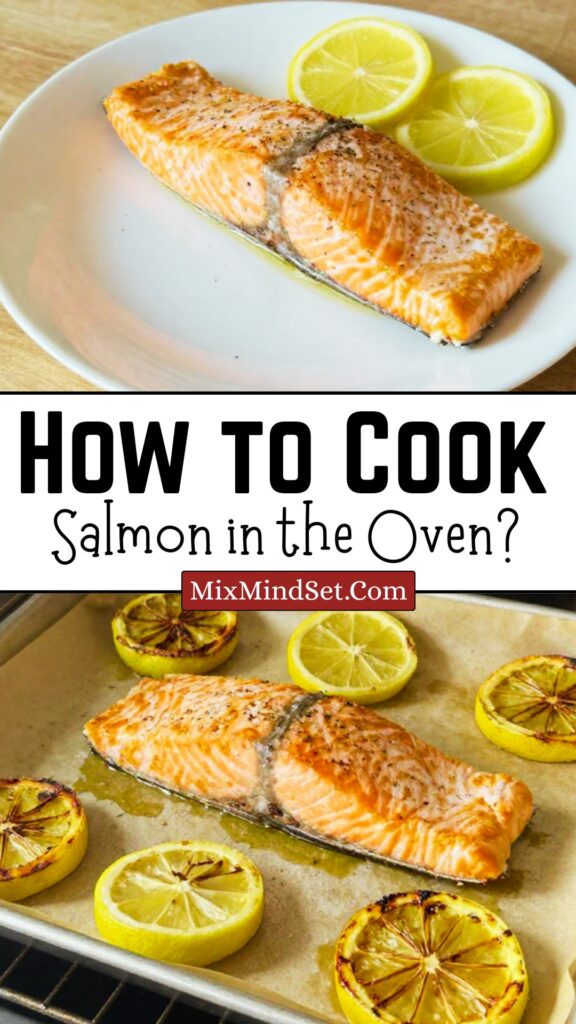
Baking is also one of the most practical ways to cook salmon because the oven gives you steady heat and a little room for error, especially when you keep an eye on thickness and doneness.
USDA says fish should be cooked to a safe internal temperature of 145°F as measured with a food thermometer, and many home recipes bake salmon somewhere around 400°F to 425°F for quick, even cooking.
The nice thing about baked salmon is that it does not need much to taste good. A little oil or butter, salt, pepper, lemon, and garlic can go a long way. When it is cooked well, the fish stays moist inside, flakes easily with a fork, and smells fresh and rich without feeling heavy. Let’s make this easy.
About the Recipe
This recipe is a simple lemon garlic oven baked salmon made with salmon fillets, olive oil, garlic, lemon, and a few basic seasonings. The flavor is clean, savory, and fresh. The salmon stays soft and juicy in the middle, while the surface picks up a little light color around the edges.
It is a very beginner-friendly recipe because the method is straightforward and the ingredients are easy to find. You do not need a marinade that sits for hours, and you do not need special equipment.
Just season the fish, bake it, and check for doneness. Many reliable baked salmon recipes use a hot oven around 400°F to 425°F for a fast roast, while some cooks prefer a lower temperature for a gentler result.
Either way, thickness matters more than the clock, so the best salmon is the one you pull out when it flakes easily and still looks moist.
Table of Contents
How to Cook Salmon in the Oven?
Recipe Information
- Recipe Name: Oven Baked Salmon
- Author: Fatima
- Cuisine: American / Western-style home cooking
- Course / Recipe Type: Main course, dinner
- Difficulty Level: Easy
- Prep Time: 10 minutes
- Cook Time: 12 to 15 minutes
- Total Time: 22 to 25 minutes
- Servings: 4
- Calories Per Serving: About 320 calories
- Cooking Method: Baking / roasting
- Best Occasion: Weeknight dinner, simple lunch, family meal, light dinner
- Diet Type: Naturally low-carb, gluten-free if ingredients used are gluten-free
- Flavor Profile: Savory, fresh, lightly zesty, rich but balanced
Why You’ll Love This Recipe
- It uses simple ingredients that work well with salmon.
- The oven does most of the work.
- It is easy enough for beginners but still feels polished.
- The salmon cooks quickly, usually in about 12 to 15 minutes at 400°F for average fillets.
- You can serve it with rice, potatoes, salad, or roasted vegetables.
- It is easy to adjust with herbs, butter, Dijon, or a light glaze.
- Cleanup is easier if you line the pan with foil or parchment, which is also a common approach in USDA and home recipe guidance.
Ingredients
You only need a few ingredients here, and each one has a job. The oil helps protect the surface, the lemon brightens the fish, and the garlic adds flavor without covering up the salmon.
| Ingredient | Amount | Notes |
|---|---|---|
| Salmon fillets | 4 fillets, about 6 oz each | Skin-on or skinless both work |
| Olive oil | 1 1/2 tablespoons | Helps keep the surface moist |
| Lemon juice | 1 tablespoon | Fresh is best |
| Lemon slices | 4 to 6 slices | Optional, for baking and serving |
| Garlic | 2 cloves, minced | Do not use too much or it can overpower |
| Salt | 3/4 teaspoon | Adjust to taste |
| Black pepper | 1/2 teaspoon | Freshly ground if possible |
| Paprika | 1/2 teaspoon | Optional, for mild color and warmth |
| Dried dill or parsley | 1 teaspoon | Optional, but nice with salmon |
| Butter | 1 tablespoon | Optional, for a richer finish |
Optional Add-Ins and Substitutions
- Dijon mustard: Add 1 to 2 teaspoons for a sharper, savory flavor.
- Honey: Add 1 teaspoon if you like a very light sweet balance with lemon.
- Fresh dill: Use instead of dried dill for a fresher finish.
- Butter instead of olive oil: Gives a richer taste and softer finish.
- Garlic powder instead of fresh garlic: Good if you want a milder garlic flavor that is less likely to darken on the pan.
- Lime instead of lemon: Works well, but the flavor is a bit brighter and sharper.
Try not to swap in strong sauces too early if you are learning. For a first batch, simple seasoning makes it easier to judge when the salmon is perfectly cooked.
Step-by-Step Guide
- Preheat the oven to 400°F (200°C).
This is a very practical temperature for baked salmon. It is hot enough to cook the fish fairly quickly without drying it out too fast. Line a baking tray or baking dish with parchment paper or foil for easier cleanup. Lightly grease it if needed. Baking guidance from USDA and common home recipes often starts with a preheated oven and a lined pan. - Pat the salmon dry.
This little step matters more than people think. If the surface is wet, the seasoning does not cling as well and the fish can steam more than bake. Use paper towels and gently blot the top and sides. - Arrange the salmon on the pan.
Place the fillets skin-side down if they have skin. Leave a little space between each piece so the heat can move around them evenly. - Make the seasoning mixture.
In a small bowl, mix the olive oil, lemon juice, garlic, salt, pepper, paprika, and dill or parsley if using. If you want a richer finish, melt the butter and stir it in too. - Season the fillets.
Spoon or brush the mixture over the salmon. Make sure each piece gets a little garlic and seasoning, but do not pile thick clumps of garlic on top or they can darken too quickly. Lay lemon slices over or around the fillets if using. - Bake until the salmon is nearly done.
Put the tray in the oven and bake for about 12 to 15 minutes for average fillets around 1 inch thick. Thinner pieces may be ready sooner, while thicker center-cut salmon can need a little longer. Many recipe references land in this general range at 400°F to 425°F, though exact timing depends on thickness. - Check for doneness the right way.
The salmon is ready when it flakes easily with a fork, the color has changed from translucent to mostly opaque, and the center still looks moist, not chalky. If you use a thermometer, USDA says fish should reach 145°F for food safety. Insert the thermometer into the thickest part. - Rest for a few minutes.
Take the salmon out and let it rest for about 3 to 5 minutes before serving. Resting helps the juices settle and keeps the fish from breaking apart too much when you lift it.
Serve Warm: Spoon any juices from the pan over the top. Add an extra squeeze of lemon if you like. That fresh finish wakes everything up.
Video Guide 🎥
Expert Tips for Best Results
- Choose fillets of similar thickness so they finish at the same time. Uneven pieces can leave you with one dry fillet and one undercooked one.
- Do not overbake. Salmon goes from juicy to dry pretty fast in the last few minutes.
- Watch for albumin, the white protein that sometimes appears on top. A little is normal. Lower, gentler cooking can reduce it, and overcooking usually makes more of it show up.
- Pat the fish dry before seasoning so the oil and spices stick better.
- Use a thermometer if you are unsure. It is the easiest way to build confidence, especially for beginners. USDA recommends 145°F for fish.
- Do not drown the salmon in acid before baking. A short coating of lemon juice is fine, but a long acidic soak can affect texture.
- Skin-on salmon is forgiving. The skin gives a little protection from the heat and makes lifting easier after baking.
- For lean wild salmon, keep a closer eye on doneness because it can dry out faster than richer farmed salmon. Lower-temperature roasting is one approach some cooks prefer for extra moisture.
Nutritional Facts
| Nutrient | Amount Per Serving |
|---|---|
| Calories | 320 |
| Protein | 34 g |
| Carbohydrates | 2 g |
| Fat | 19 g |
| Fiber | 0 g |
| Sugar | 0 g |
| Sodium | 520 mg |
Serving Suggestions
Oven-baked salmon is easy to pair with all kinds of sides. Here are a few good options:
- Steamed rice or lemon rice
- Roasted potatoes or mashed potatoes
- Garlic green beans
- Roasted broccoli or asparagus
- A simple cucumber salad
- Buttered pasta with herbs
- Warm dinner rolls or crusty bread
For extra flavor, serve it with a spoon of herb butter, a little yogurt dill sauce, or just more fresh lemon on the side.
Storage and Reheating Tips
Leftover salmon should be cooled and stored in an airtight container in the fridge. It is best eaten within 3 to 4 days. That lines up with general USDA food safety advice for cooked fish leftovers.
If you want to freeze it, wrap it well and freeze for up to 2 months for best quality. The texture may be a little softer after thawing, but it is still useful for rice bowls, salads, or wraps.
To reheat:
- Oven: Cover loosely with foil and warm at 275°F to 300°F until heated through.
- Microwave: Use short bursts at lower power so it does not dry out.
- Best texture tip: Do not overheat. Salmon is usually better gently warmed than piping hot the second time.
Quick Making Tips
- Buy fillets that are close in size.
- Pre-mix the seasoning while the oven heats.
- Line the tray for faster cleanup.
- Use pre-minced garlic only if you are in a rush, but fresh tastes better.
- Pair the salmon with vegetables on a separate tray if you want a full oven dinner.
- Check the fish 2 minutes early rather than 2 minutes late.
FAQs – Frequently Asked Questions
What temperature should salmon be cooked at in the oven?
A very practical oven temperature is 400°F. It gives you tender salmon in about 12 to 15 minutes for average fillets. Some cooks also like 425°F for a faster bake or lower temperatures around 300°F for gentler roasting.
How do I know when baked salmon is done?
The salmon should flake easily with a fork, look mostly opaque, and still have a moist center. For food safety, USDA recommends an internal temperature of 145°F measured in the thickest part.
Is it better to bake salmon covered or uncovered?
For this recipe, uncovered works best. It lets the top cook properly and keeps the texture from turning too soft. If you are reheating salmon, covering lightly with foil is helpful to keep moisture in.
Can I cook salmon in the oven with the skin on?
Yes, absolutely. Skin-on salmon works very well in the oven. The skin helps protect the bottom of the fish from direct heat and can make the fillet easier to move after baking.
How long does it take to cook salmon in the oven?
At 400°F, average fillets often take about 12 to 15 minutes, but thick fillets can take longer and thin tail pieces can be ready faster. Thickness matters more than exact time.
Can I use frozen salmon?
Yes, but thawed salmon gives you more even seasoning and more predictable baking. If you bake from frozen, expect a longer cooking time and check doneness carefully in the center.
Why is white stuff coming out of my salmon?
That white stuff is albumin, a protein that rises to the surface during cooking. It is normal and safe to eat. You usually see more of it when salmon cooks too hot or too long.
What goes well with oven baked salmon?
Rice, potatoes, green vegetables, salad, pasta, and lemony sauces all pair very nicely. Since salmon is rich, fresh or simple sides usually work best.
Conclusion
Now you know exactly how to cook salmon in the oven in a way that is simple, practical, and easy to repeat.
This is the kind of recipe that earns a spot in a real home kitchen because it is quick, flexible, and dependable.
Once you get used to watching for that moist center and easy flake, it becomes one of the easiest dinners to make well.