How to Make Peanut Butter at Home?
There is something deeply satisfying about making peanut butter from scratch in your own kitchen. It is simple, fresh, budget-friendly, and surprisingly easy once you know the basic steps.
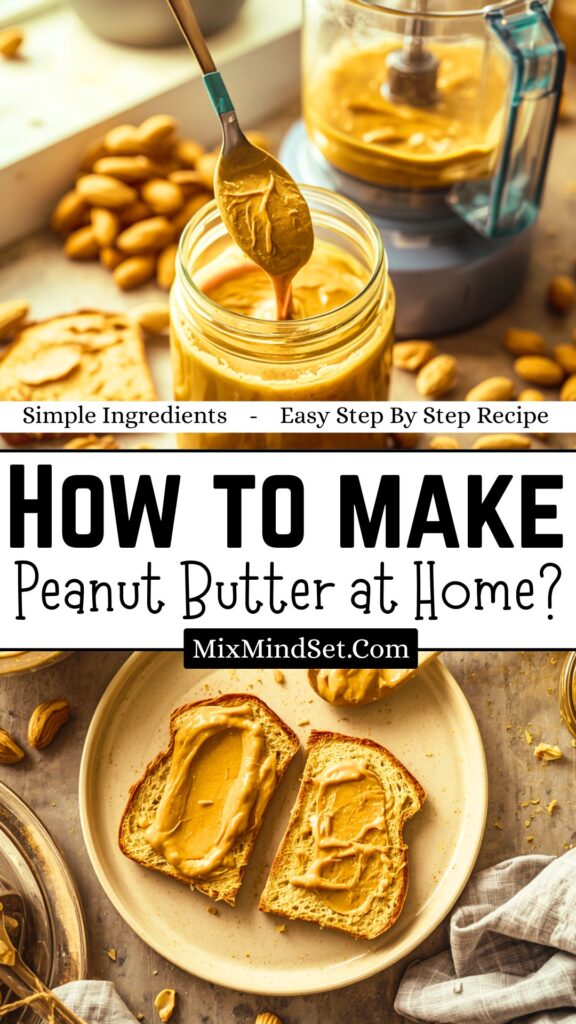
You only need a small handful of ingredients, a food processor or blender, and a few minutes of patience to turn plain roasted peanuts into a creamy, rich spread.
Homemade peanut butter gives you full control over the flavor and texture. You can keep it classic and natural, make it a little sweet, add a pinch of salt, or leave it extra chunky for more crunch.
It is also a great option for anyone who wants to avoid unnecessary additives, excess sugar, or preservatives often found in store-bought jars.
In this guide, you will learn how to make peanut butter, what ingredients work best, how to fix common texture problems, and how to store it properly. Whether you want a smooth breakfast spread or a thick nut butter for baking and snacks, this recipe will help you get it right.
Why Homemade Peanut Butter Is Worth Making?
Making peanut butter at home is not just about saving money. It is also about getting a fresher taste and a better texture that suits your preference.
Here are a few reasons people love homemade peanut butter:
- You control the ingredients
- No unnecessary preservatives
- Easy to customize
- Fresh roasted flavor
- Creamy or crunchy texture, your choice
Store-bought peanut butter can be convenient, but homemade versions often taste richer and more natural. Once you make it the first time, it becomes one of those easy kitchen staples you want to keep around.
Ingredients and Equipment You Need
The beauty of this recipe is its simplicity. You can make a basic batch with only one main ingredient, then adjust it to your liking.
Peanut Butter Ingredients
| Ingredient | Amount | Purpose |
|---|---|---|
| Roasted peanuts | 3 cups | Main ingredient for the butter |
| Salt | 1/4 to 1/2 teaspoon | Enhances flavor |
| Honey or maple syrup (optional) | 1 to 2 tablespoons | Adds a little sweetness |
| Peanut oil or neutral oil (optional) | 1 to 2 tablespoons | Helps create a smoother texture if needed |
Best Peanuts for Homemade Peanut Butter
For the best flavor, use:
- Dry roasted peanuts
- Unsalted peanuts if you want full control over salt
- Fresh peanuts that do not smell stale or rancid
You can also use salted roasted peanuts, but reduce or skip extra salt in the recipe.
Equipment You Will Need
| Tool | Why It Helps |
|---|---|
| Food processor | Best for smooth, creamy peanut butter |
| High-powered blender | Works well, but may need more scraping |
| Spatula | Helps push mixture down the sides |
| Airtight jar | For fresh storage |
A food processor usually gives the easiest and most reliable result.
How to Make Peanut Butter? Step by Step
Making peanut butter is mostly a matter of blending long enough. At first, it may look dry or crumbly, but keep going. The peanuts will release their natural oils and become smooth.
Step 1: Add the Peanuts
Place the roasted peanuts into your food processor or blender. Start with plain peanuts before adding any other ingredients.
Step 2: Blend Until Crumbly
Pulse a few times, then blend continuously. The peanuts will first turn into:
- Crumbs
- A thick paste
- A smoother, creamier butter
This process usually takes 3 to 8 minutes, depending on your machine.
Step 3: Scrape Down the Sides
Stop occasionally and scrape down the bowl with a spatula. This helps everything blend evenly and prevents dry bits from sticking to the sides.
Step 4: Add Salt and Optional Ingredients
Once the peanut butter starts to look smooth, add:
- Salt for flavor
- Honey or maple syrup for sweetness
- A little oil only if needed for extra smoothness
Blend again until fully combined.
Step 5: Adjust the Texture
For smooth peanut butter, keep blending until silky and spreadable.
For chunky peanut butter, stir in a few chopped peanuts at the end.
Step 6: Store Properly
Transfer the peanut butter into a clean airtight jar. Let it cool fully if the machine warmed it during blending.
Video Guide 📺
Peanut Butter Texture Guide
One of the most common questions is how to get the texture just right. This table can help.
| Texture Goal | What to Do |
|---|---|
| Smooth and creamy | Blend longer until oils release fully |
| Thick and rustic | Stop blending a little earlier |
| Crunchy | Mix in chopped peanuts after blending |
| Slightly sweeter | Add honey or maple syrup |
| Saltier and more savory | Add an extra pinch of salt |
Homemade peanut butter usually has a more natural consistency than store-bought versions, which means it may separate slightly over time. That is completely normal.
Tips for the Best Homemade Peanut Butter
A few simple techniques can make a big difference in flavor and texture.
Use Warm Roasted Peanuts
If your peanuts are slightly warm, they blend more easily and release oils faster. You can warm them in the oven for a few minutes before blending.
Be Patient With the Blending Time
Many people stop too early because the mixture looks dry. Keep going. Peanut butter goes through several stages before it becomes creamy.
Add Oil Only When Necessary
Peanuts usually contain enough natural oil on their own. Add extra oil only if your mixture is too thick or your machine struggles.
Taste Before Storing
Before transferring to a jar, taste and adjust:
- More salt for a stronger flavor
- A little honey for sweetness
- More chopped peanuts for crunch
Common Mistakes to Avoid:
Homemade peanut butter is easy, but a few mistakes can affect the result.
- Using old peanuts can lead to dull or bitter flavor
- Stopping blending too early leaves the texture dry and grainy
- Adding too much oil can make it overly runny
- Using too much sweetener may change the natural peanut flavor
- Not scraping the sides can leave uneven texture
If your peanut butter looks crumbly at first, do not worry. That stage is normal.
How to Store Homemade Peanut Butter?
Homemade peanut butter does not contain the stabilizers found in many store-bought jars, so storage matters.
Room Temperature or Refrigerator?
| Storage Method | How Long It Lasts | Notes |
|---|---|---|
| Room temperature | About 1 to 2 weeks | Best in a cool kitchen |
| Refrigerator | About 3 to 4 weeks | Stays fresher longer but becomes firmer |
Easy Ways to Use Peanut Butter
Once you have a fresh jar ready, there are plenty of delicious ways to enjoy it.
- Spread on toast
- Add to smoothies
- Use in sandwiches
- Drizzle over oatmeal
- Stir into yogurt
- Use in cookies, sauces, and baking
It also makes a great dip for apple slices, bananas, and crackers.
FAQ About How to Make Peanut Butter
Can I make peanut butter without oil?
Yes, absolutely. Peanuts naturally contain oil, so many batches do not need any extra. If your peanut butter seems too thick, blend longer before deciding to add oil.
Is homemade peanut butter healthier than store-bought?
It can be, especially when you make it with just peanuts and a little salt. Homemade peanut butter often has fewer additives, less sugar, and no unnecessary preservatives.
Why is my peanut butter dry and not creamy?
This usually happens when it has not been blended long enough. Keep processing, and the peanuts should release more natural oil. A small amount of oil can help if needed.
Can I use raw peanuts?
Yes, but roasted peanuts usually give better flavor. If using raw peanuts, roast them first for a richer, nuttier taste.
How long does it take to make peanut butter?
Most batches take around 5 to 10 minutes, depending on your machine and the amount you are making.
Can I make crunchy peanut butter at home?
Yes. Blend the peanuts until mostly smooth, then stir in chopped roasted peanuts at the end for crunch.
Conclusion
Learning how to make peanut butter at home is one of the easiest and most rewarding kitchen skills. With just roasted peanuts and a few optional extras, you can create a fresh, creamy spread that tastes better than many store-bought versions. It is quick, customizable, and perfect for everyday use.
The key is patience during blending and using good-quality roasted peanuts. Once you understand the process, you can make smooth, chunky, sweet, or lightly salted peanut butter anytime you like. A homemade jar in the kitchen means you always have something delicious ready for breakfast, snacks, and baking.
If you want the freshest flavor and full control over ingredients, homemade peanut butter is absolutely worth trying.