How to Season a Cast Iron Skillet?
Cast iron skillets are loved for a reason. They are durable, versatile, and can last for generations when cared for properly.
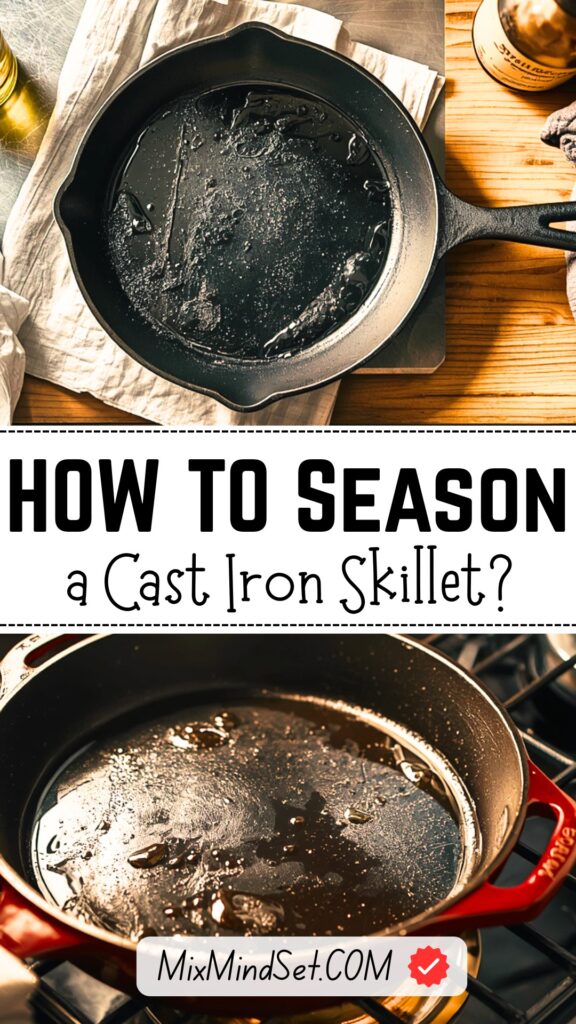
One of the most important parts of cast iron care is seasoning. If you have ever wondered how to season a cast iron skillet the right way, the good news is that it is simple once you understand the process.
Seasoning is not just rubbing oil on the pan. It is the process of creating a thin, baked-on protective layer that helps prevent rust, improves the skillet’s nonstick performance, and makes cooking more enjoyable. Whether you just bought a new pan or want to restore an old one, learning this basic method can make a big difference.
In this guide, you will learn how to season a cast iron skillet step by step, what oil to use, common mistakes to avoid, and how to keep your skillet in great condition for the long term.
Table of Contents
What Does It Mean to Season a Cast Iron Skillet?
Seasoning a cast iron skillet means coating it with a very thin layer of oil and heating it until the oil bonds to the metal. This creates a protective finish called polymerized oil, which helps the skillet resist moisture and rust.
A well-seasoned skillet gives you several benefits:
- Better nonstick performance
- Protection against rust
- Improved cooking results
- Longer life for the pan
Many new cast iron skillets come pre-seasoned, but adding your own layers at home can improve the finish even more.
What You Need Before You Start?
Before seasoning your skillet, gather a few simple supplies.
| Item | Why You Need It |
|---|---|
| Cast iron skillet | The pan you want to season |
| Mild soap and warm water | To clean the skillet first |
| Dry cloth or paper towels | To dry and wipe off excess oil |
| Neutral oil | For building the seasoning layer |
| Oven | For even heating |
| Aluminum foil or baking sheet | To catch drips in the oven |
Best Oils for Seasoning Cast Iron
The best oils are usually those with a neutral flavor and a good ability to create a hard seasoning layer.
Popular choices include:
- Grapeseed oil
- Canola oil
- Vegetable oil
- Avocado oil
- Flaxseed oil (used by some people, though results can vary)
A lot of people use whatever neutral cooking oil they already have in the kitchen. The key is not the brand. The key is applying a very thin layer.
How to Season a Cast Iron Skillet? Step by Step
This is the easiest and most reliable oven method for seasoning cast iron.
1. Wash and Dry the Skillet
Start by washing the skillet with warm water and a small amount of mild soap. This helps remove dust, old residue, or factory coating from a new skillet.
Dry it completely with a towel. Then place it on the stove over low heat for a few minutes to remove any hidden moisture. Cast iron can rust quickly if water is left behind.
2. Apply a Thin Layer of Oil
Rub a small amount of oil over the entire skillet:
- Inside
- Outside
- Handle
- Bottom
After that, take a clean paper towel or cloth and wipe off as much oil as possible. This step is very important. The skillet should look almost dry, not greasy.
Too much oil can leave the surface sticky instead of smooth.
3. Preheat the Oven
Set your oven to 450°F to 500°F. A high temperature helps the oil bond to the skillet properly.
Place a sheet of aluminum foil or a baking tray on the lower rack to catch any small drips.
4. Bake the Skillet Upside Down
Place the skillet upside down on the top or middle oven rack. Baking it upside down helps prevent oil from pooling inside the pan.
Bake for 1 hour.
5. Let It Cool in the Oven
Turn off the oven and let the skillet cool inside. This helps the seasoning set more gradually and safely.
6. Repeat if Needed
One round of seasoning is good, but 2 to 3 layers can build a stronger finish, especially for a new or stripped skillet.
Video Guide 📺
Quick Seasoning Guide
| Step | What to Do | Important Tip |
|---|---|---|
| Clean | Wash the skillet and dry fully | Remove all moisture |
| Oil | Apply a very thin coat | Wipe away excess oil |
| Heat | Bake at 450°F to 500°F | Use high heat for bonding |
| Position | Place skillet upside down | Prevent oil pooling |
| Cool | Let it cool slowly | Helps the finish set |
| Repeat | Add more layers if needed | Best for new or restored pans |
How to Know If Your Skillet Is Properly Seasoned?
A properly seasoned skillet should have a surface that looks:
- Dark
- Smooth
- Dry, not sticky
- Slightly shiny
Do not worry if the pan does not look perfect after one round. Seasoning improves over time with regular cooking, especially when you cook foods like cornbread, potatoes, or other recipes using a little oil.
Common Mistakes to Avoid:
Seasoning cast iron is simple, but a few small mistakes can ruin the result.
Using Too Much Oil
This is probably the most common mistake. A thick layer of oil can become sticky, blotchy, or gummy in the oven.
Best tip: always wipe the skillet until it looks almost dry.
Not Drying the Pan Fully
Any leftover moisture can lead to rust, especially before oiling.
Baking at Too Low a Temperature
Low heat may not properly bond the oil to the skillet, leaving a weak coating behind.
Skipping Maintenance After Cooking
Seasoning is not only a one-time job. A cast iron skillet stays in better shape when you clean, dry, and lightly oil it after use.
Cooking Acidic Foods Too Soon
If your seasoning is brand new, avoid cooking highly acidic foods like tomato sauce for long periods right away. Acid can weaken fresh seasoning.
How to Maintain a Seasoned Cast Iron Skillet?
Once your skillet is seasoned, daily care becomes much easier. Good maintenance helps preserve the coating and reduces the need for full reseasoning.
After Each Use
Follow these simple steps:
- Wash with warm water
- Use a soft brush or scraper if needed
- Dry completely
- Rub on a very light layer of oil
- Heat briefly on the stove if desired
When to Reseason
You may need to reseason your skillet if:
- Food starts sticking badly
- The surface looks dull or patchy
- Rust spots appear
- The pan feels sticky from poor seasoning buildup
Small issues can often be fixed with one fresh seasoning round.
Best Foods to Cook in a Newly Seasoned Skillet
When building up seasoning, start with foods that support the surface instead of damaging it.
Good choices include:
- Cornbread
- Roasted vegetables
- Fried potatoes
- Bacon
- Pancakes with butter or oil
These foods can help the pan continue developing a stronger finish.
Practical Tips for Better Results
Here are a few easy ways to get better seasoning results:
- Use less oil than you think you need
- Season in multiple thin layers
- Store the skillet in a dry place
- Do not leave it soaking in water
- Dry it right away after washing
A cast iron skillet does not have to look perfectly even to work well. Slight variations in color are normal, especially at first.
FAQ About How to Season a Cast Iron Skillet
How often should I season a cast iron skillet?
You do not need to fully season it after every use. For most skillets, a full oven seasoning is only needed occasionally. Regular cooking and light oiling after cleaning usually keep the pan in good condition.
Can I use olive oil to season cast iron?
You can, but many people prefer neutral oils like canola, vegetable, or grapeseed oil. Olive oil may work for light maintenance, but it is not always the top choice for building a strong seasoning layer.
Why is my cast iron skillet sticky after seasoning?
A sticky skillet usually means too much oil was applied. To fix it, wipe off excess oil and bake the skillet again at a high temperature.
Do I need to season a pre-seasoned cast iron skillet?
A pre-seasoned skillet is ready to use, but adding extra layers at home can improve the finish and strengthen the surface over time.
Can a rusty cast iron skillet be saved?
Yes, in most cases it can. Rust can often be scrubbed away, and the skillet can then be dried, oiled, and reseasoned.
Is soap safe for cast iron?
A small amount of mild soap is usually fine, especially with modern cast iron care. The bigger concern is leaving the pan wet or stripping it harshly.
Conclusion
Learning how to season a cast iron skillet is one of the best things you can do to protect your pan and improve your cooking. The process is easy: clean the skillet, dry it fully, apply a very thin coat of oil, bake it upside down, and repeat as needed.
The most important thing to remember is this: thin layers work better than thick ones. With a little care and regular use, your cast iron skillet can become naturally smoother, more reliable, and better over time.
A well-seasoned cast iron pan is not just a kitchen tool. It is something you can use for years, and maybe even pass down one day.