Lasagna Recipe With Cottage Cheese
When people think of classic lasagna, the image often involves a heavy, three-cheese blend featuring ricotta. But what if I told you that the secret to a better lasagna—one that is creamy, protein-packed, and surprisingly light—sits in your refrigerator right now? Welcome to the world of lasagna made with cottage cheese.
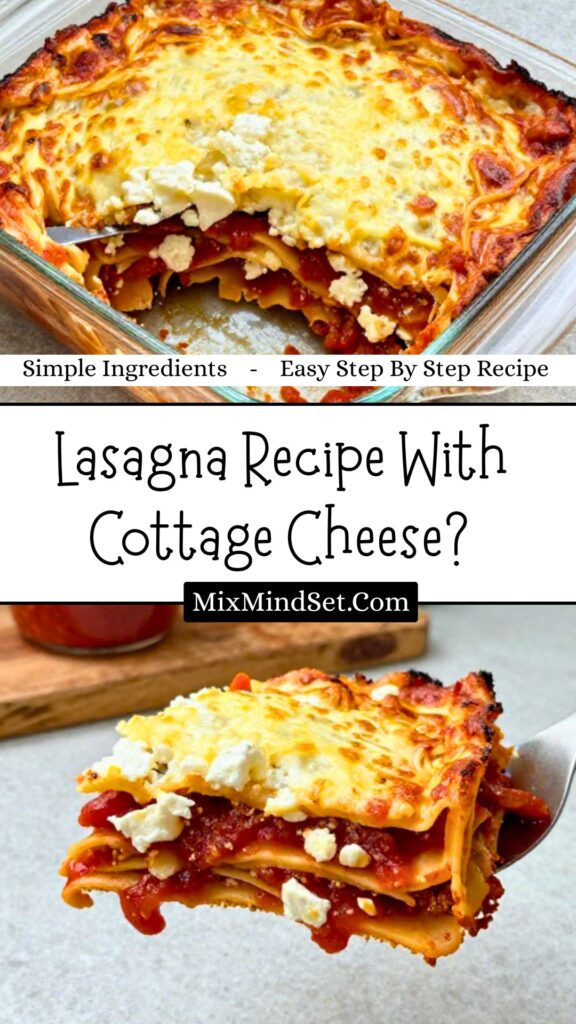
As a home cook, I spent years searching for that perfect balance between indulgent comfort food and a dish that doesn’t leave you feeling weighed down for hours. After countless experiments, I landed on this lasagna recipe with cottage cheese. It delivers the same rich, savory layers you crave, but with a delightful texture and a nutritional boost. Whether you are meal-prepping for the week or feeding a hungry family, this recipe is a game-changer.
Let’s get into why this swap works so beautifully and how to build the perfect pan.
Table of Contents
Why Swap Ricotta for Cottage Cheese?
If you are skeptical, I understand. Ricotta has been the standard for generations. However, cottage cheese offers several distinct advantages that make it a superior choice for many home bakers.
Texture and Creaminess
High-quality, full-fat cottage cheese creates a luxuriously creamy layer. Unlike ricotta, which can sometimes become grainy or dry out during baking, cottage cheese melts into the noodles, creating a cohesive, velvety bite.
For those who prefer a completely smooth texture, a quick 30-second blitz in a food processor transforms the curds into a sauce-like consistency that mimics ricotta perfectly.
Nutritional Benefits
Here is where cottage cheese truly shines. It is naturally higher in protein and lower in fat (depending on the variety you choose) compared to standard whole-milk ricotta.
This makes this lasagna a fantastic option for those looking to increase their protein intake without sacrificing flavor.
How to Make The Perfect Lasagna Recipe With Cottage Cheese?
This recipe focuses on building deep flavor with simple ingredients. We are going for a rustic, hearty lasagna that feels like it simmered all day, but comes together with minimal fuss.
Ingredients
Below is a breakdown of what you will need. I recommend using full-fat cottage cheese for the best flavor, though low-fat works in a pinch.
| Ingredient | Quantity | Notes |
|---|---|---|
| Lasagna Noodles | 12-15 sheets | No-boil or traditional; if using traditional, cook until al dente. |
| Ground Beef (or Italian Sausage) | 1.5 lbs | A mix of beef and pork sausage adds depth. |
| Cottage Cheese | 24 oz (2 cups) | Full-fat recommended; blend if smooth texture is desired. |
| Mozzarella Cheese | 3 cups | Freshly shredded; pre-shredded bags have anti-caking agents that affect melt. |
| Parmesan Cheese | 1 cup | Grated fresh for the best flavor. |
| Marinara Sauce | 4 cups | Use a high-quality jarred sauce or homemade. |
| Egg | 1 large | Helps bind the cheese layer. |
| Onion & Garlic | 1 onion, 4 cloves | Finely diced for the meat sauce. |
| Italian Seasoning | 2 tbsp | Dried oregano, basil, and parsley. |
| Salt & Pepper | To taste | Season each layer individually. |
Step-by-Step Instructions
1. Prepare the Meat Sauce
In a large skillet or Dutch oven, brown the ground beef over medium-high heat until no longer pink. Drain excess fat if necessary. Add the diced onion and cook until translucent, about 5 minutes.
Stir in the minced garlic and cook for 1 minute until fragrant. Pour in the marinara sauce and add the Italian seasoning. Let the sauce simmer on low for 10–15 minutes to allow the flavors to meld.
Pro tip: A pinch of red pepper flakes at this stage adds a lovely warmth.
2. Create the Cottage Cheese Mixture
In a medium bowl, combine the cottage cheese, the egg, and half of the grated Parmesan. If you prefer a smoother ricotta-like texture, pulse the cottage cheese in a food processor before mixing. Season this mixture with a pinch of salt and pepper. This layer is the heart of the dish—it provides moisture and that creamy contrast to the hearty meat sauce.
3. Assemble the Layers
Preheat your oven to 375°F (190°C). Spread a thin layer of meat sauce on the bottom of a 9×13-inch baking dish. This prevents the first layer of noodles from sticking.
- Layer 1: Noodles, followed by 1/3 of the meat sauce, 1/2 of the cottage cheese mixture, and 1 cup of mozzarella.
- Layer 2: Noodles, followed by 1/3 of the meat sauce, the remaining cottage cheese mixture, and 1 cup of mozzarella.
- Layer 3: Noodles, followed by the remaining meat sauce, the remaining mozzarella, and the rest of the Parmesan cheese.
4. Bake to Perfection
Cover the dish tightly with aluminum foil (to prevent the cheese from burning before the center is hot). Bake for 25 minutes. Remove the foil and bake for an additional 20–25 minutes, or until the cheese is bubbly, golden brown, and the edges are slightly crispy.
Crucial Step: Let the lasagna rest for at least 15 minutes before slicing. If you cut into it immediately, the layers will slide apart into a soupy mess. This resting time allows the starches to set, ensuring clean, beautiful squares.
Video Guide 📺
3 Common Mistakes to Avoid
Even a simple recipe can go sideways if you overlook a few key details. Here are the pitfalls I see most often when making lasagna with cottage cheese.
- Using Watery Cottage Cheese: Some brands have a high moisture content. If your cottage cheese looks soupy, drain it in a fine-mesh strainer for 20 minutes before mixing. Excess liquid can make your lasagna watery.
- Overcooking the Noodles: If you are using traditional noodles, cook them only until al dente (firm to the bite). They will continue to cook in the oven. Overcooked noodles turn mushy and disintegrate into the layers.
- Skipping the Resting Period: I know it is tempting to dig in immediately, but trust the process. A rested lasagna holds its structure. If you serve it right away, it will be a delicious but messy puddle on the plate.
Frequently Asked Questions
Can I use low-fat cottage cheese?
Yes, you can. However, I highly recommend using full-fat or 4% milkfat cottage cheese for the best creamy texture. Low-fat or non-fat versions have a higher water content and can make the final dish slightly runnier. If you go low-fat, be sure to drain it well.
Do I need to cook the noodles first?
It depends on the type you buy. No-boil (oven-ready) noodles do not require pre-cooking. If using traditional dried lasagna sheets, boil them until just al dente. Do not overcook them, as they will soften further during baking.
Can I make this lasagna ahead of time?
Absolutely. This is a fantastic make-ahead meal. Assemble the entire lasagna in the baking dish, cover it tightly with plastic wrap and then foil, and refrigerate for up to 24 hours. You may need to add 10–15 minutes to the baking time if you are putting it in the oven cold from the fridge.
Does the cottage cheese taste “cheesy” enough?
This is the most common concern. Cottage cheese has a mild, milky flavor. When combined with robust marinara, savory meat, and melted mozzarella, it simply adds a creamy backdrop.
It does not taste “sour” or “tangy” like ricotta can; it is actually much milder. If you want a stronger flavor, add a sprinkle of nutmeg to the cottage cheese mixture—it is a classic Italian trick that enhances dairy flavors beautifully.
Conclusion
Great lasagna isn’t about sticking rigidly to tradition; it is about using the best ingredients to create something that feels nourishing and satisfying.
This lasagna recipe with cottage cheese proves that a simple swap can elevate a classic dish into something even more comforting. It offers the creamy, cheesy layers you love, with a texture that stays perfect from the first slice to the last leftover.
Whether you are making it for a busy weeknight dinner or a Sunday gathering with family, I hope this recipe becomes a staple in your kitchen. It is practical, forgiving, and undeniably delicious.
Happy cooking – Fatima