Healthy Homemade Meatloaf Recipe
There’s something deeply comforting about a homemade meatloaf. When done right, it’s tender, moist, packed with savory flavor, and topped with a sweet-tangy glaze that caramelizes beautifully in the oven. But too many meatloaves turn out dry, dense, or bland. That’s where this recipe changes the game.
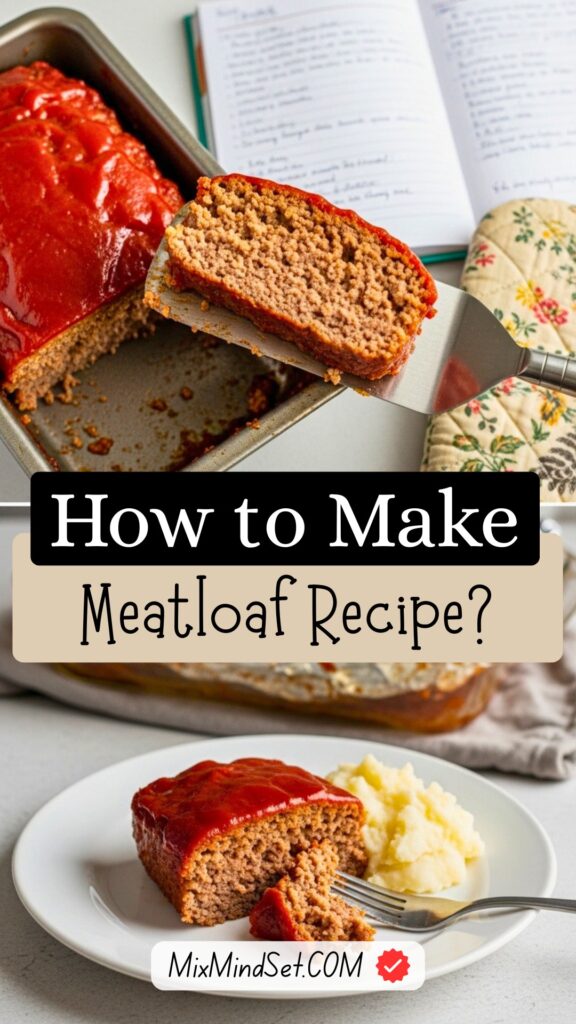
This is the meatloaf recipe I’ve perfected over years of trial and error—and the one my family asks for again and again.
It uses simple pantry ingredients, a smart binding method, and one crucial trick to lock in moisture. Whether you’re a beginner cook or a seasoned pro, you’ll get a perfect loaf every time.
Table of Contents
The Secret to a Perfect Meatloaf
The difference between a dry, crumbly meatloaf and a juicy, sliceable one comes down to three things: fat content, binding, and not overworking the meat.
Most recipes use lean beef, but that’s a mistake. You need an 80/20 ground beef blend (the fat keeps it moist).
Next, traditional breadcrumbs work, but soaked fresh breadcrumbs or Panko mixed with milk create a much more tender texture.
Finally, handle the mixture as little as possible—overmixing develops tough proteins. We’ll also add a glaze (ketchup, brown sugar, and a hint of vinegar) that seals in surface moisture and adds a sticky, tangy crust.
Meatloaf Recipe
Below is everything you need. Let the meat sit at room temperature for 15 minutes before mixing—cold meat leads to uneven cooking.
| Ingredient | Amount | Notes |
|---|---|---|
| Ground beef (80/20) | 2 lbs | Do not use lean or extra-lean |
| Yellow onion | 1 medium | Finely diced |
| Garlic | 3 cloves | Minced |
| Fresh breadcrumbs or Panko | 1 cup | Use unseasoned |
| Whole milk | ½ cup | For soaking breadcrumbs |
| Large eggs | 2 | Lightly beaten |
| Ketchup | ½ cup (plus ¼ cup for glaze) | Divided |
| Worcestershire sauce | 2 tbsp | Adds umami |
| Dijon mustard | 1 tbsp | Optional but recommended |
| Fresh parsley | ¼ cup | Chopped (or 2 tsp dried) |
| Salt | 1½ tsp | Kosher salt preferred |
| Black pepper | 1 tsp | Freshly ground |
| Brown sugar (for glaze) | 2 tbsp | Light or dark |
| Apple cider vinegar (for glaze) | 1 tbsp | Balances sweetness |
Step-by-Step Method:
1. Prep and preheat. Preheat your oven to 375°F (190°C). Line a rimmed baking sheet with parchment paper or foil (for easy cleanup). If you have a wire rack, place it inside the sheet—this allows heat to circulate under the loaf.
2. Soak the breadcrumbs. In a small bowl, combine the breadcrumbs and milk. Let sit for 5 minutes until the liquid is absorbed. This creates a panade, the secret to a soft, moist meatloaf.
3. Sauté the aromatics (optional but worth it). Heat a small pan over medium heat. Add a teaspoon of oil, then cook the diced onion for 3–4 minutes until translucent. Add garlic and cook 30 seconds more. Let cool slightly.
Raw onion can make the meatloaf watery or crumbly—pre-cooking removes excess moisture and deepens flavor.
4. Mix the meatloaf. In a large bowl, combine the ground beef, cooled onions and garlic, soaked breadcrumbs, beaten eggs, ½ cup ketchup, Worcestershire sauce, Dijon mustard, parsley, salt, and pepper.
Use your hands—but mix gently until just combined. Stop as soon as no dry spots remain.
5. Shape the loaf. Transfer the mixture to your prepared baking sheet. Shape into a 9×5 inch loaf (about 2 inches high). Do not pack it tightly; a loose shape allows steam to escape and keeps the texture tender.
6. Make the glaze. In a small bowl, whisk together the remaining ¼ cup ketchup, brown sugar, and apple cider vinegar.
7. Bake and glaze. Brush half the glaze over the top and sides of the loaf. Bake for 40 minutes.
Remove from oven, brush on the remaining glaze, then bake for another 15–20 minutes. The internal temperature should reach 160°F (71°C) on an instant-read thermometer.
8. Rest before slicing. This is critical. Let the meatloaf rest on the baking sheet for 10–15 minutes. The juices redistribute; if you slice immediately, they’ll run out onto the board.
| Oven Temp | Baking Time (total) | Target Internal Temp |
|---|---|---|
| 375°F (190°C) | 55–60 minutes | 160°F (71°C) |
Video Guide 📺
Nutritional Information
*Per serving (1/8 of meatloaf, approx. 6 oz). Values are estimates.*
| Nutrient | Amount |
|---|---|
| Calories | 385 |
| Protein | 28g |
| Fat | 21g |
| Saturated Fat | 8g |
| Carbohydrates | 19g |
| Fiber | 1g |
| Sugars | 10g |
| Sodium | 620mg |
| Cholesterol | 135mg |
5 Common Mistakes to Avoid:
Even with a great recipe, small missteps cause big problems. Here’s what to watch for:
- Using lean ground beef – 90/10 or 93/7 makes a dry, tough meatloaf. Stick with 80/20.
- Overmixing the meat – Mix until just combined. Overworking turns the loaf dense and rubbery.
- Skipping the rest time – A meatloaf that rests for 10 minutes will hold together when sliced. One that doesn’t will crumble.
- Packing the loaf too tight – Form it gently, like a snowball. A compressed loaf traps steam and becomes gummy.
- Baking in a loaf pan – This steams the meat instead of roasting it. A free-form loaf on a sheet pan gives you a caramelized crust on all sides.
Frequently Asked Questions
Can I make this meatloaf ahead of time?
Yes. Assemble the meatloaf (without the glaze), cover tightly, and refrigerate for up to 24 hours. Let it sit at room temperature for 20 minutes before baking, then glaze and cook as directed. You may need to add 5–10 minutes to the baking time.
What’s the best substitute for breadcrumbs?
Use rolled oats (pulse them briefly in a food processor), crushed saltine crackers, or almond flour for a low-carb option. For gluten-free, use gluten-free Panko or oat flour. The ratio stays 1:1.
Can I freeze meatloaf?
Absolutely. Freeze the uncooked shaped loaf on a parchment-lined tray until solid, then wrap tightly in plastic and foil (or vacuum seal). Freeze for up to 3 months. Bake from frozen at 375°F for about 75 minutes, or until 160°F internally. You can also freeze cooked slices for quick meals.
How do I know when meatloaf is done without a thermometer?
A thermometer is best, but if you don’t have one, insert a knife into the center. The juices should run clear (not pink), and the loaf should feel firm to the touch. A slight crack on top is normal—that’s the glaze doing its job.
Why is my meatloaf falling apart?
Usually three culprits: not enough binder (eggs or breadcrumbs), skipping the rest time, or overhandling. Also, if you used extra-lean meat, there’s no fat to hold everything together. Next time, add an extra egg and make sure you soak the breadcrumbs fully.
Final Thoughts
This meatloaf recipe has earned a permanent spot in my kitchen—and I’m confident it will in yours too. It’s forgiving enough for a weeknight dinner yet impressive enough for company.
Pair it with mashed potatoes, roasted green beans, or a simple side salad. Leftovers make an incredible meatloaf sandwich the next day (trust me, that’s the best part).
The golden rule? Don’t overmix, don’t skip the rest, and always use 80/20 beef. Follow those, and you’ll never go back to dry, crumbly meatloaf again.
Now go preheat your oven. Dinner is going to be good.