How to Make Poached Eggs?
This time, we’ll show you how to make the famous poached eggs using the simplest technique to ensure they always turn out perfect. Healthy, easy, and delicious, they’re a great accompaniment to a wide variety of recipes!
Poaching an egg is a very interesting cooking method in which we submerge the egg in very hot water, causing the egg white to coagulate while the yolk remains liquid.
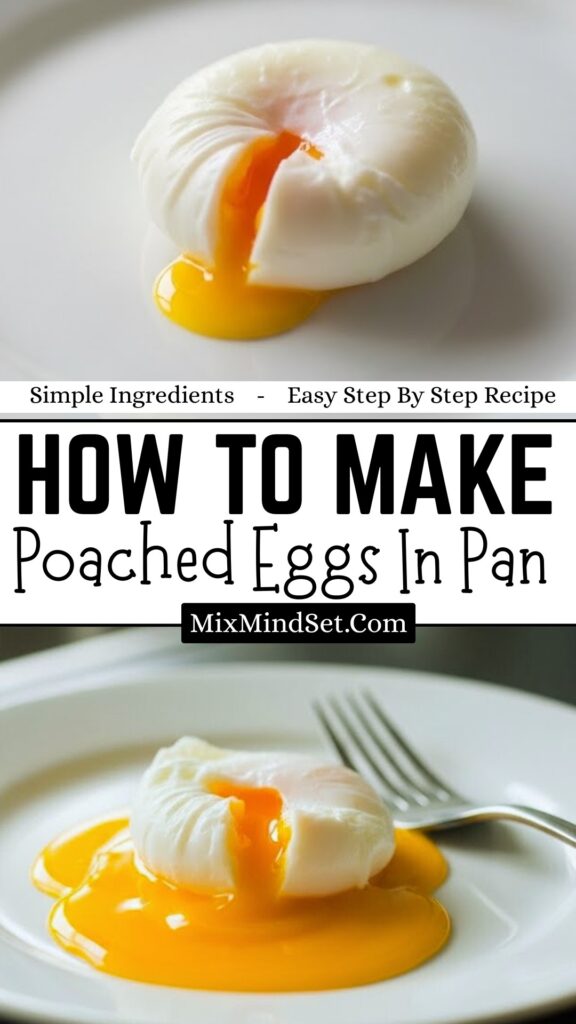
There are several ways to prepare poached eggs, and although it largely depends on each cook’s preferences, all methods share one key element: cooking time.
In just a few minutes, we can achieve excellent results, but how do we prevent the egg from breaking and the water from mixing with the egg white?
The method we use is the simplest option if you don’t have much experience or haven’t fully mastered cooking yet.
We use cling film to keep the egg contained and prevent it from mixing with the water. Just time it correctly, and you’re done!
You can also poach eggs without cling film, adding the shelled egg directly to the water.
In that case, to prevent the white from spreading, add vinegar to the water so the egg coagulates quickly. This method is a bit more complex:
- Create a whirlpool by stirring the water with a spoon.
- Gently drop in the egg.
- Continue stirring so the white adheres to the yolk.
With a little practice, it’s much easier than it seems!
Take note and discover how easy it is to poach eggs using cling film. Healthy and light, they’re perfect for toast, salads, stir-fries, pasta, and many more dishes.
Table of Contents
Recipe Details
- Portions: 2
- Cost: Half
- Difficulty: Easy
- Preparation time: 10 m
- Total time: 10 m
Ingredients
| Ingredient | Quantity |
|---|---|
| Eggs | 4 |
| Extra virgin olive oil | As needed |
| Salt | To taste |
Preparation
To make good poached eggs easily, take note!
Cover a bowl with a piece of cling film, leaving a generous overhang around the edges. Add a little oil to grease the film and prevent the egg from sticking once cooked.
Place an egg on the cling film with a pinch of salt (to taste) and close it, making a small pouch.
You can:
- Tie it tightly so the contents don’t escape
- Or use a wire, like the kind used to seal bread bags
Before sealing the pouch, you can add paprika (sweet or hot) or any other spice. Chili oil or herb oil also work well and add extra flavor.
In a saucepan of hot water, submerge the egg pouches and let them cook for 3–4 minutes. Remove them and carefully open the cling film, being careful not to burn yourself or break the egg.
If you prefer not to use cling film and find direct poaching complicated, try Lékué’s egg poachers. They’re made of silicone, easy to use, and help prevent burns.
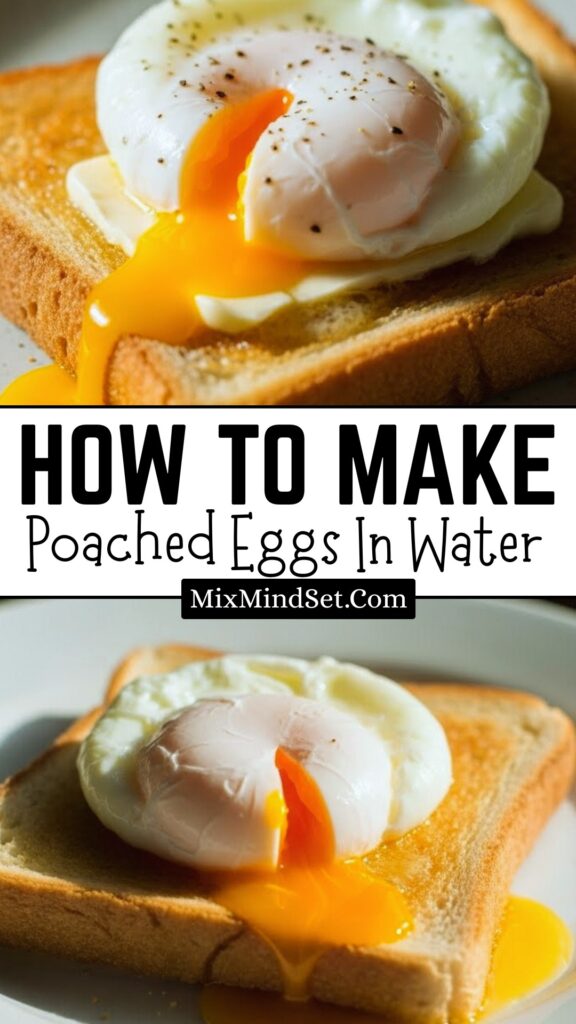
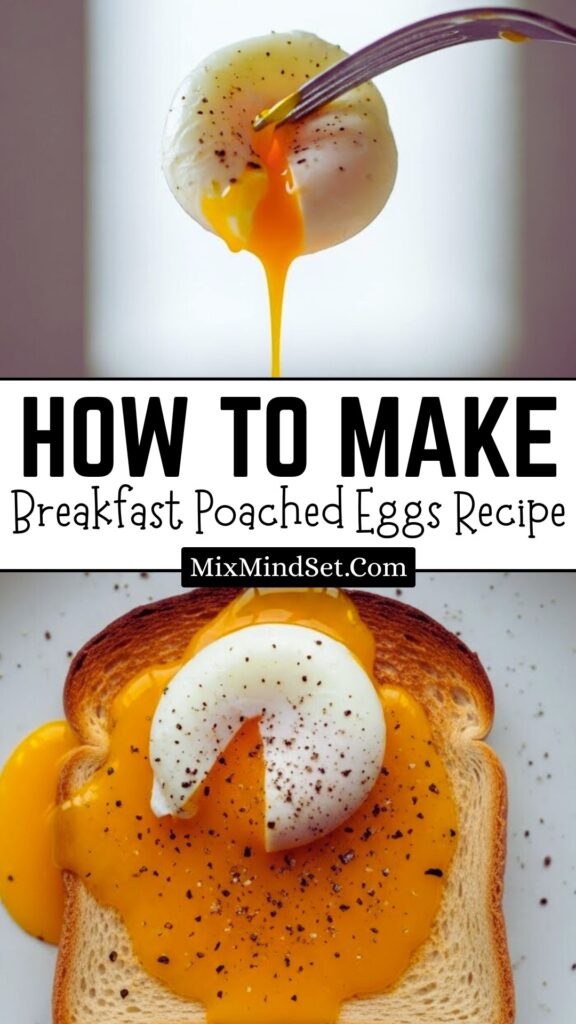
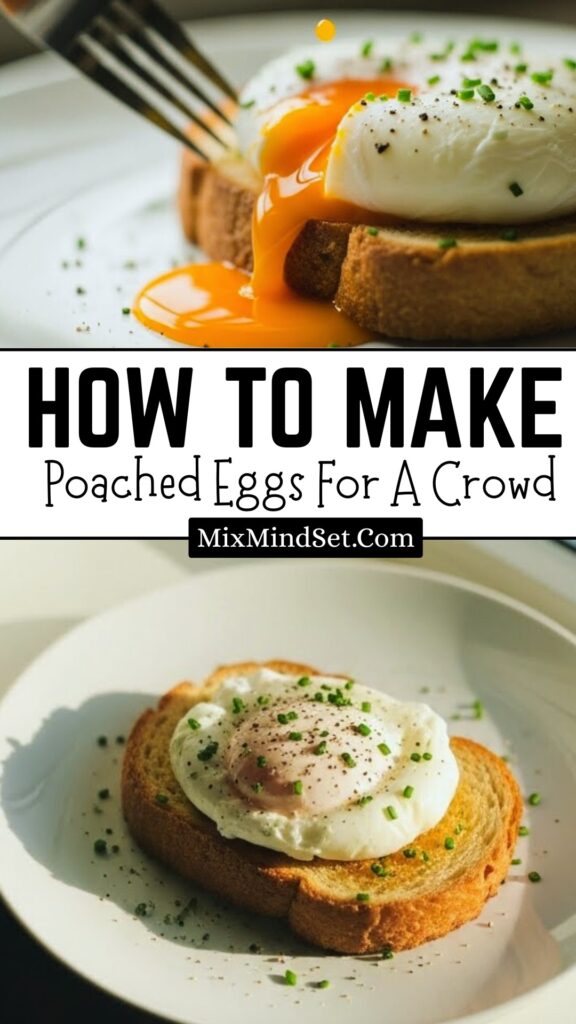
Serve poached eggs with stir-fries, salads, toasts, or any favorite dish. The famous flower eggs look spectacular and always turn out perfect with this method.
Step by Step
- Cover a bowl with cling film, letting it hang over the edges. Grease it with a little oil.
- Add an egg and salt to taste on the cling film.
- Close the cling film, forming a small pouch.
- Submerge the pouches in hot water and cook for 3–4 minutes.
- Serve however you like and enjoy!
Tips and Tricks
How to get a flower shape in poached eggs?
Among the different methods, using cling film gives the most recognizable flower egg shape.
- Fit the cling film tightly around the egg when tying the knot
- Avoid tightening too much so it doesn’t slip
- Control the cooking time carefully
The better the timing, the more the egg will resemble a flower shape, following the folds of the film.
Recipes with Poached Eggs
Poached eggs are perfect for adding an irresistible touch to many recipes:
- On toast for healthy breakfasts
- In classics like Eggs Benedict with avocado, bacon, and hollandaise sauce
- In vegetable stir-fries or more original dishes like baby eel stir-fry with potatoes and peppers
- In warm salads, where they truly shine
- In international dishes like Japanese ramen
Nutritional Information (per serving)
| Nutrient | Amount |
|---|---|
| Calories | 125 cals |
| Fat | 8 g |
| Saturated Fat | 3 g |
| Polyunsaturated Fats | 2 g |
| Monounsaturated Fats | 3 g |
| Carbohydrates | 1 g |
| Sugar | 1 g |
| Protein | 11 g |
| Sodium | 218 mg |
How to Make Perfect Poached Eggs?
- Use fresh eggs: Fresh eggs have firmer whites and hold their shape better.
- Water test: If an egg sinks, it’s fresh; if it floats, it’s older.
- Add vinegar: Use about 10–15% vinegar to help the white coagulate quickly.
- Avoid red wine vinegar, as it can stain the eggs.
- Plastic wrap method: A practical option for consistent shape and easier handling.
FAQs – Frequently Asked Questions
Can I poach eggs without cling film?
Yes, but it requires more control. Adding vinegar and creating a whirlpool helps keep the egg together.
How long should poached eggs cook?
Usually 3–4 minutes, depending on how runny you want the yolk.
Why do my poached eggs fall apart?
This usually happens due to old eggs, low water temperature, or skipping vinegar.
Can I flavor poached eggs?
Absolutely. Add spices, paprika, or herb oil before sealing the pouch.
Conclusion
Poached eggs are a simple yet elegant way to elevate everyday meals. With the cling film method, anyone can achieve perfectly shaped eggs with minimal effort.
Whether served on toast, in salads, or alongside hearty dishes, they always add a delicious and refined touch to the plate.