Small Potatoes Recipe
Small potatoes—whether labeled baby potatoes, creamers, or new potatoes—are one of the most forgiving and versatile ingredients in the kitchen.
Their thin skins, creamy interiors, and naturally sweet flavor make them ideal for roasting, boiling, or smashing. The best part? They cook faster than large potatoes and require almost no prep beyond a quick rinse.
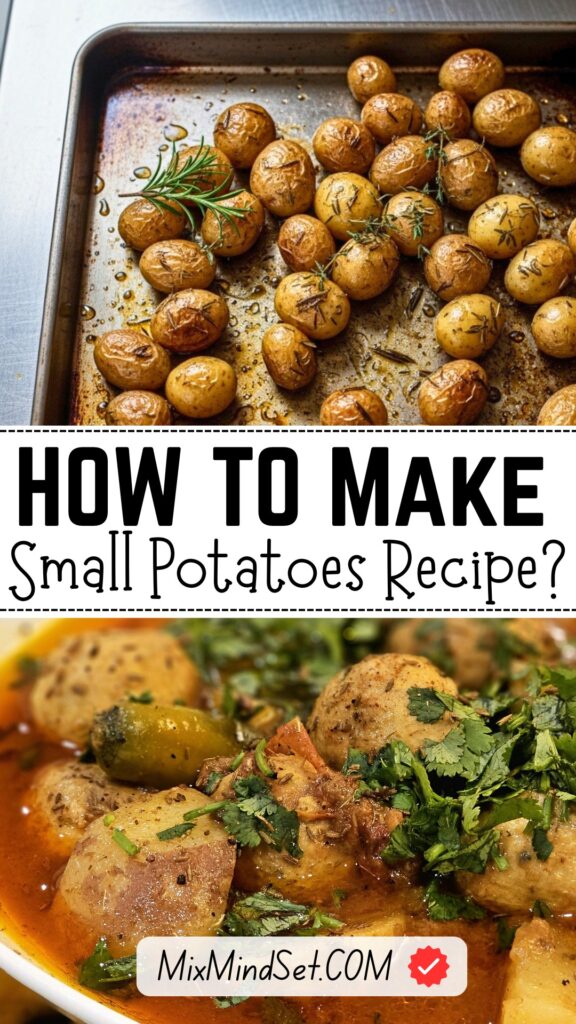
But there is a fine line between perfectly crispy, golden small potatoes and a sad, soggy pile. This recipe focuses on the roasted method—the one that delivers crisp edges, fluffy centers, and deep flavor with minimal effort. Along the way, we will also cover boiling and smashing variations so you can adapt to any meal.
Whether you are serving them as a side dish for a weeknight dinner or bringing them to a holiday gathering, this guide ensures your small potatoes turn out perfect every time.
Why Small Potatoes Deserve a Spot on Your Table?
Small potatoes are harvested early, which means they have a thinner skin and a higher moisture content than mature potatoes. This gives them a naturally buttery texture and a subtle sweetness that pairs beautifully with herbs, garlic, and olive oil.
They are also incredibly forgiving. Unlike large russets that require careful baking times, small potatoes can be roasted whole, boiled in minutes, or smashed for extra crispy surfaces. Plus, they come in a rainbow of colors—red, gold, purple, and fingerling—adding visual appeal to any plate.
How to Make Small Potatoes Recipe?
This recipe yields 4 servings as a side dish. The ingredient list is simple, but each component plays a role in texture and flavor.
| Ingredient | Quantity | Notes |
|---|---|---|
| Small potatoes | 2 lbs (about 900g) | Baby Yukon Gold, red, or a mix; uniform size preferred. |
| Extra virgin olive oil | 2–3 tablespoons | Enough to coat generously. |
| Kosher salt | 1 teaspoon | For roasting; plus more for boiling water if parboiling. |
| Fresh garlic | 3–4 cloves | Minced or thinly sliced. |
| Fresh herbs | 1–2 tablespoons | Rosemary, thyme, or parsley; finely chopped. |
| Black pepper | ½ teaspoon | Freshly ground. |
| Optional additions | As desired | Lemon zest, red pepper flakes, Parmesan cheese. |
Potato Selection Tips
- Uniform size: Look for potatoes roughly the same size so they cook evenly. If some are larger, halve them.
- Variety: Yukon Golds have a buttery, slightly waxy texture. Reds are firmer and hold shape well. Purple add color but can be a bit drier.
- Fingerlings: These are excellent for roasting and have a nutty flavor. No need to cut them—just roast whole.
Step-by-Step:
This method yields the crispiest exterior with the least amount of effort. It uses a high initial temperature and a single-layer technique to maximize browning.
1. Preheat and Prepare
Preheat your oven to 425°F (220°C) . Place a rimmed baking sheet in the oven while it preheats—a hot pan jumpstarts browning.
2. Clean and Dry
Scrub the potatoes under cool water to remove any dirt. Dry them thoroughly with a kitchen towel. Moisture is the enemy of crispiness.
3. Parboil (Optional but Recommended)
For extra crispy potatoes, bring a pot of salted water to a boil, add the potatoes, and cook for 7–10 minutes until slightly tender but not falling apart. Drain and let them steam dry for a few minutes.
This step softens the interior so the outside can crisp without overcooking. If you are short on time, you can skip parboiling and roast longer (25–30 minutes), but parboiling guarantees a fluffy inside.
4. Season
In a large bowl, toss the potatoes with olive oil, salt, and pepper. If you are adding garlic and herbs now, use dried or be careful—fresh garlic can burn at high heat. (Alternatively, add fresh garlic and herbs in the last 5–10 minutes of roasting.)
5. Roast
Carefully remove the hot baking sheet from the oven. Spread the potatoes in a single layer with space between them. Crowding traps steam and prevents crisping. Roast for 20–25 minutes, flipping once halfway through, until golden brown and crispy.
6. Finish
If using fresh garlic and herbs, add them during the last 5 minutes of roasting. Remove from oven, taste for salt, and serve hot.
Variations: Boiled, Smashed & Herbed
Small potatoes are versatile. Here are three additional ways to prepare them.
| Method | Instructions |
|---|---|
| Butter-Boiled Baby Potatoes | Boil potatoes in salted water until fork-tender (12–15 minutes). Drain, return to pot, and toss with melted butter, fresh dill or parsley, and a pinch of salt. Simple and elegant. |
| Smashed Potatoes | Boil potatoes until tender. Place on a parchment-lined baking sheet and gently smash each with a glass or fork. Drizzle with olive oil, salt, and herbs. Roast at 425°F for 20–25 minutes until edges are crisp and golden. |
| Garlic & Herb Roasted (No Parboil) | Toss raw potatoes with oil, salt, pepper, and dried herbs. Roast at 425°F for 30–35 minutes, flipping halfway, until tender and crisp. Add fresh garlic in the last 5 minutes. |
5 Common Mistakes to Avoid:
Even with simple ingredients, small missteps can lead to disappointing results. Here is what to watch out for.
- Skipping the drying step: Wet potatoes steam instead of crisp. Pat them dry after washing and after parboiling.
- Overcrowding the pan: If potatoes are piled on top of each other, they will steam and become soft. Use two pans if necessary.
- Adding fresh garlic too early: Minced garlic burns at high heat, turning bitter. Add it in the last 5 minutes or use whole, lightly smashed garlic cloves that can be removed before serving.
- Not salting enough: Potatoes need generous seasoning. Salt the water if parboiling, and season again before roasting. Undersalted potatoes taste flat.
- Using too low heat: High heat (425°F or higher) is essential for crispiness. Lower temperatures yield soft, pale potatoes.
Nutritional Facts (Per Serving)
Values are for one serving of roasted small potatoes (about ½ lb potatoes) made with 2 tablespoons olive oil.
| Nutrient | Amount |
|---|---|
| Calories | 220 kcal |
| Carbohydrates | 30g |
| Protein | 4g |
| Fat | 10g |
| Saturated Fat | 1.5g |
| Fiber | 3g |
| Sugar | 2g |
| Sodium | 450mg |
| Potassium | 800mg |
Frequently Asked Questions
Do I need to peel small potatoes?
No. The skins are thin, tender, and packed with nutrients. They also add texture and help hold the potatoes together during roasting. Just scrub them clean.
How do I make them extra crispy?
The combination of parboiling (which starts cooking the interior) and roasting on a preheated pan with enough space is the key. You can also toss the potatoes with a little cornstarch before oiling to increase crispiness.
Can I prepare small potatoes ahead of time?
Yes. Parboiled potatoes can be refrigerated for up to 2 days. When ready to serve, toss with oil and roast as directed. Roasted potatoes are best fresh, but you can reheat them in a hot oven or air fryer to restore crispiness.
What herbs go best with small potatoes?
Rosemary and thyme are classic. Fresh parsley adds brightness. Dill pairs beautifully with butter-boiled versions. For a twist, try oregano or sage. Dried herbs can be added before roasting; fresh herbs go on at the end.
Can I use an air fryer?
Absolutely. Toss parboiled (or raw) potatoes with oil and seasonings. Air fry at 400°F for 12–15 minutes, shaking the basket halfway through, until crispy and golden.
Conclusion
Small potatoes may be humble, but they have the power to elevate any meal. With their creamy texture, thin skins, and ability to turn irresistibly crispy, they are a side dish that consistently delivers.
Once you master the basic roasting technique, you can experiment with different herbs, spices, and finishing touches to suit any cuisine—from classic garlic and rosemary to spicy paprika or zesty lemon.
Whether you are serving them alongside roasted chicken, piling them next to a steak, or simply enjoying them as a snack, these small potatoes are proof that great things come in small packages.