Sushi Rice Recipe
If you’ve ever tried making sushi at home and wondered why it didn’t taste like your favorite Japanese restaurant, the answer is almost always the rice.
Sushi rice – or sushi meshi – isn’t just any cooked rice. It’s short‑grain rice seasoned with a delicate balance of rice vinegar, sugar, and salt, then cooled to the perfect sticky‑yet‑fluffy texture.
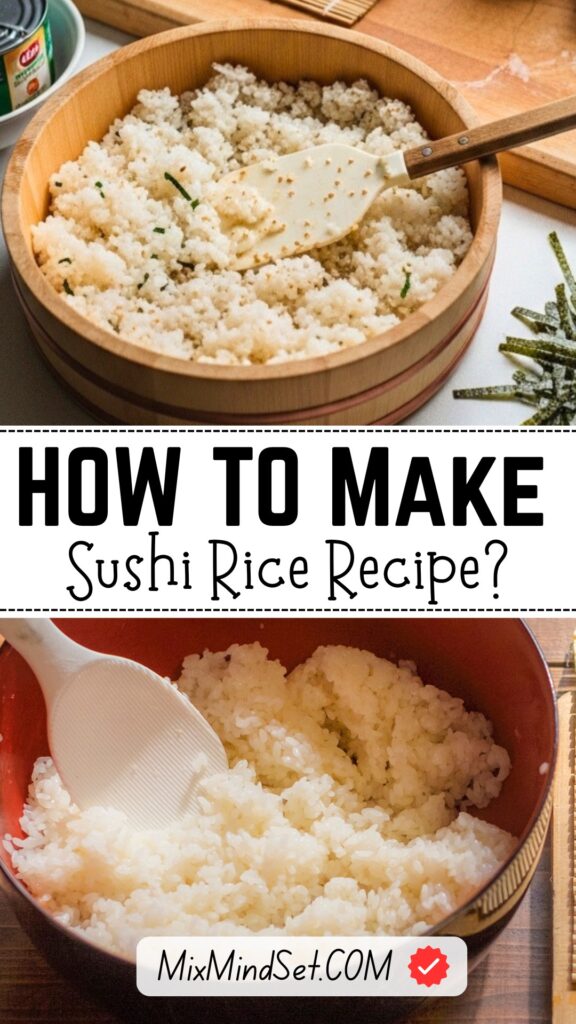
The good news? Perfect sushi rice is absolutely achievable at home. No rice cooker required (though it helps).
In this recipe, I’ll walk you through choosing the right rice, washing it properly, cooking it flawlessly, and seasoning it like a sushi chef. Master this, and you can make sushi rolls, nigiri, poke bowls, or even onigiri rice balls.
Ingredients You’ll Need
The ingredient list is short, but every item matters. Short‑grain Japanese rice is non‑negotiable – medium‑grain or long‑grain will not give the right sticky texture.
| Ingredient | Quantity | Notes |
|---|---|---|
| Sushi rice (short‑grain) | 2 cups (uncooked) | Look for “Calrose,” “Koshihikari,” or “Nishiki” brands |
| Water | 2¼ cups | For cooking (ratio varies slightly by rice) |
For the Sushi Vinegar Seasoning
| Ingredient | Quantity | Notes |
|---|---|---|
| Rice vinegar | ⅓ cup (80 ml) | Unseasoned – not “seasoned rice vinegar” (that has sugar/salt already) |
| Granulated sugar | 2½ tbsp (30 g) | Fine sugar dissolves faster |
| Kosher salt | 1½ tsp (9 g) | Or 1 tsp fine sea salt |
Yield: This recipe makes about 5–6 cups of cooked, seasoned sushi rice – enough for 4–6 sushi rolls or 10–12 nigiri pieces.
How to Make Perfect Sushi Rice – Step by Step
Plan for about 45 minutes total – 15 minutes active, 30 minutes resting and cooling. Do not rush the cooling step.
1. Wash the rice – this is critical
Place the uncooked rice in a large bowl. Cover with cold water, gently swirl with your hand for 10 seconds, then drain. Repeat 4–5 times until the water runs almost clear (not milky). The goal is to remove excess surface starch so the rice isn’t gummy.
Pro tip: Use a fine‑mesh strainer so you don’t lose grains while draining.
2. Soak the rice
After the final rinse, drain the rice well. Transfer it to a heavy‑bottomed pot (or rice cooker inner pot). Add the measured water (2¼ cups for 2 cups rice). Let the rice soak for 20–30 minutes before cooking. This ensures even hydration and a tender bite.
3. Cook the rice
- On the stovetop: Cover the pot with a tight‑fitting lid. Bring to a boil over medium‑high heat (about 3–4 minutes). Reduce heat to low and simmer for 15 minutes. Do not lift the lid. After 15 minutes, turn off the heat and let it steam undisturbed for another 10 minutes.
- In a rice cooker: Use the “sushi rice” or “white rice” setting. The soaking step is still beneficial.
4. Make the sushi vinegar seasoning
While the rice cooks, combine rice vinegar, sugar, and salt in a small saucepan. Warm over low heat, stirring constantly, until sugar and salt completely dissolve. Do not boil – boiling evaporates the vinegar’s delicate acidity. Remove from heat and let cool to room temperature.
5. Season the rice
Transfer the cooked rice to a large, shallow, non‑metallic bowl (a wooden hangiri or glass baking dish works best – metal can react with vinegar). Spread the rice into an even layer. Pour the sushi vinegar evenly over the rice.
Using a rice paddle or spatula, cut and fold the rice gently – do not mash or stir vigorously. You want to coat each grain while keeping them intact. Fan the rice with a piece of cardboard or a small fan as you fold. This cools it quickly and gives the signature glossy sheen.
6. Cool and rest
Continue folding and fanning for 3–5 minutes until the rice reaches body temperature (slightly warm, not hot). Cover the bowl with a damp kitchen towel (not plastic wrap – it traps steam and makes rice mushy). Let rest for 10 minutes before using.
Perfect sushi rice should be glossy, separate but sticky enough to clump, and taste pleasantly sweet‑tangy.
Video Guide 📺
Pro Tips & Common Mistakes to Avoid
| Mistake | Why It Happens | Fix |
|---|---|---|
| Mushy, porridge‑like rice | Too much water or over‑rinsing (or skipping the soak) | Use a 1:1.1 rice‑to‑water ratio; rinse but don’t soak excessively |
| Hard, crunchy grains | Not enough water or lid lifted during cooking | Don’t peek while simmering; measure water precisely |
| Sour or bland rice | Wrong vinegar ratio or sugar not dissolved | Warm vinegar mixture fully; taste before adding to rice |
| Rice breaks apart in rolls | Over‑mixing or rice too hot when seasoned | Fold gently; cool to body temperature before making sushi |
| Metallic aftertaste | Used a metal bowl for seasoning | Use glass, wood, or ceramic – vinegar reacts with uncoated metal |
Quick wins:
- No rice paddle? Use a large silicone spatula or wooden spoon.
- Make ahead: Sushi rice is best used within 2–4 hours. Do not refrigerate – it hardens. Instead, keep covered with a damp towel at room temperature.
- Leftover sushi rice: Turn into onigiri (rice balls) or ochazuke (rice with green tea). Reheat by steaming, not microwaving.
Nutritional Information (per ¾ cup cooked, seasoned sushi rice)
This is the typical serving size for one sushi roll or a small bowl.
| Nutrient | Amount |
|---|---|
| Calories | 210 kcal |
| Protein | 4 g |
| Carbohydrates | 47 g |
| Fiber | 1 g |
| Sugar | 4 g (from added sugar) |
| Fat | 0.5 g |
| Sodium | 260 mg |
| Potassium | 40 mg |
Note: Unseasoned sushi rice (without vinegar/sugar/salt) has about 180 calories and 0g sugar. The seasoning adds minimal calories but important flavor.
Frequently Asked Questions
Can I use regular white rice for sushi?
No. Long‑grain rice (like jasmine or basmati) doesn’t have enough starch to stick together. You need short‑grain or medium‑grain “sushi rice” – Calrose is widely available and affordable.
Do I have to use rice vinegar? Can I substitute?
Rice vinegar is mild and slightly sweet – it’s essential for authentic flavor. Substituting with white wine vinegar or apple cider vinegar will taste harsh. If you only have seasoned rice vinegar, skip the added sugar and reduce salt slightly.
Why is my sushi rice sticky but not glossy?
You likely didn’t fan it while cooling. The fanning step removes excess moisture and creates that beautiful sheen. Next time, fan for a full 5 minutes.
How do I store leftover seasoned sushi rice?
Sushi rice does not refrigerate well – the starch crystallizes and becomes hard. If you must store it, wrap tightly in plastic wrap and refrigerate for up to 1 day. To revive, sprinkle with a few drops of water, cover with a damp paper towel, and microwave in 15‑second bursts. Better yet, use leftovers for fried rice or onigiri.
Can I make sushi rice in an Instant Pot?
Yes. Use the same rice‑to‑water ratio (1:1.1). Pressure cook on High for 5 minutes, then natural release for 10 minutes. Follow the same washing, soaking, and seasoning steps afterward.
How much vinegar mixture per cup of uncooked rice?
For 1 cup uncooked rice (makes about 3 cups cooked), use 2½ tbsp rice vinegar, 1½ tbsp sugar, ¾ tsp salt. The recipe above scales perfectly.
Is sushi rice gluten‑free?
Yes. All ingredients – rice, rice vinegar, sugar, salt – are naturally gluten‑free. Always check your rice vinegar label to be sure (some cheap brands add malt vinegar, which contains gluten).
Final Thoughts
Perfect sushi rice is the foundation of every great homemade sushi experience. Once you master the wash, soak, cook, season, and fan process, you’ll never settle for takeout again. The texture should be tender yet firm, each grain distinct but clinging to its neighbor. The flavor should be subtle – sweet, salty, and tangy – never overpowering.
Make this recipe once, and it becomes second nature. Pair it with fresh fish, crisp vegetables, nori sheets, and a bamboo rolling mat. Then invite friends over for a sushi‑making night.
Trust the process. Don’t skip the fanning. And always taste your rice before rolling – you’ll know when it’s right.
Itadakimasu – let’s eat!