55+ Lower Cholesterol Recipes
It’s no coincidence that everyone has heard of high cholesterol (hypercholesterolemia), given that it’s a common problem and increases the risk of cardiovascular disease (CVD).
Hence the importance of controlling cholesterol and monitoring daily habits, including diet.
What is cholesterol?
It’s no coincidence that everyone has heard of high cholesterol (hypercholesterolemia), given that it’s a common problem and increases the risk of cardiovascular disease (CVD). Hence the importance of controlling cholesterol and monitoring daily habits, including diet.
Cholesterol is a lipid (fat) molecule present in the body as part of membranes, tissues, and also in the blood. This makes cholesterol necessary for the formation of vitamins, hormones, and bile acids, among other things. Therefore, cholesterol is always necessary and essential for health, but exceeding optimal levels increases the risk of cardiovascular disease (CVD).
That said, we must keep in mind that cholesterol is produced by our body, but we also obtain it through food, and when a large amount accumulates in the arteries due to an excess in plasma, then blood circulation is hindered, and cardiovascular risks appear.
Types of cholesterol
We already know that cholesterol is an essential molecule for the body’s functioning and that its accumulation causes health problems, but what are the different types of cholesterol? We often hear about “good” cholesterol and “bad” cholesterol, but there’s a lot of confusion surrounding this. Don’t worry, it’s easy to understand.
- HDL cholesterol (known as good cholesterol): helps remove excess cholesterol from the body. It acts like a broom, carrying free cholesterol to the liver for elimination. A helpful tip to remember it’s the good kind: its name comes from the acronym HDL (High-Density Lipoprotein). The “H” stands for “high,” so the higher your HDL level, the better, because it’s the good kind.
- LDL cholesterol (this is the bad cholesterol): when levels of this molecule are high, there is a greater risk of cardiovascular disease (CVD) because it transports cholesterol to the tissues, which is necessary, but when levels are excessive, it accumulates and causes problems. Tip: here the acronym stands for Low Density Lipoprotein, and since “low” means low, the lower (within the necessary range) our LDL is, the better.
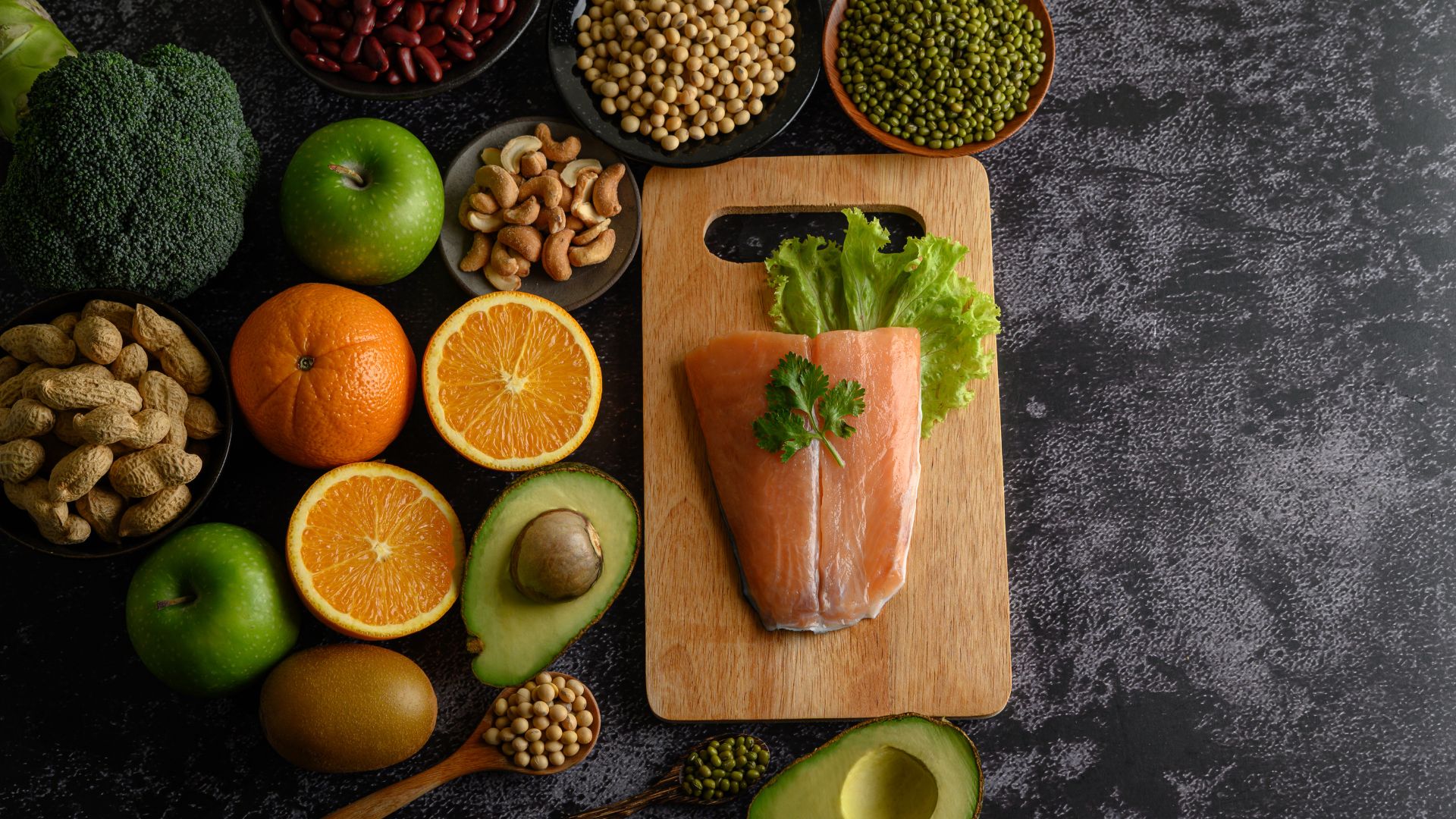
Recommended foods for high cholesterol
| Food | Cholesterol content |
| Oats, oat bran | 0mg |
| Legumes (lentils, chickpeas, beans…) | 0mg |
| Fruits (banana, strawberries, blueberries, tangerines, grapes…) | 0mg |
| Vegetables and greens (artichoke, red cabbage, kale, mushrooms…) | 0mg |
| Piapas, seeds and nuts (almonds, walnuts, chestnuts…) | 0mg |
| Avocado and vegetable oils | 0mg |
| Fish (mackerel, herring, monkfish, salmon…) | 13- 50 mg |
Foods to avoid if you have high cholesterol
| Food | Cholesterol content |
| Brains (from beef, lamb, pork…) | 2100mg (crude) |
| Egg (yolk) | 1100mg (raw) |
| Foie gras | 380mg |
| Kidney, lung, liver, heart… | 200- 375 mg |
| Pastries | 253mg |
| Squid, shrimp, red prawn, king prawn, cuttlefish… | 152- 222 mg |
| Mayonnaise | 150mg |
| Food | Cholesterol content |
| Brains (from beef, lamb, pork…) | 2100mg (crude) |
Weekly Menu
Below is a one-day menu that prioritizes plant-based foods and omega-3 to help lower cholesterol, especially when combined with exercise and adequate rest.
| Type of food | 1-DAY MENU |
|---|---|
| Breakfast | Oatmeal with fruit and seeds |
| Lunch | Fruit and/or nuts |
| Meal | Tomato salad with lentils, onion, carrot, peppers, leek and pumpkin |
| Snack | Avocado and tomato toast with various seeds and nuts |
50+ Lower Cholesterol Recipes
- Low Cholesterol Oatmeal
- Heart Healthy Overnight Oats
- Blueberry Chia Seed Pudding
- Banana Oat Pancakes
- Healthy Avocado Toast
- Mediterranean Chickpea Salad
- Grilled Chicken Salad
- Quinoa Vegetable Bowl
- Low Cholesterol Lentil Soup
- Heart Healthy Vegetable Soup
- Baked Salmon with Lemon
- Garlic Herb Baked Cod
- Grilled Tuna Steaks
- Healthy Shrimp Stir Fry
- Baked Chicken Breast
- Mediterranean Chicken Bowl
- Low Fat Turkey Meatballs
- Healthy Turkey Chili
- Black Bean Vegetable Soup
- Spinach and Chickpea Curry
- Brown Rice Vegetable Pilaf
- Healthy Quinoa Salad
- Roasted Vegetable Wrap
- Whole Wheat Veggie Sandwich
- Hummus and Cucumber Sandwich
- Sweet Potato Black Bean Bowl
- Mediterranean Lentil Salad
- Healthy Stuffed Bell Peppers
- Baked Zucchini Fries
- Garlic Roasted Broccoli
- Steamed Green Beans with Garlic
- Roasted Brussels Sprouts
- Healthy Cauliflower Rice
- Spinach Mushroom Omelet
- Egg White Vegetable Scramble
- Low Fat Greek Yogurt Parfait
- Apple Cinnamon Oatmeal
- Strawberry Banana Smoothie
- Green Spinach Smoothie
- Blueberry Almond Smoothie
- Healthy Carrot Ginger Soup
- Butternut Squash Soup
- Mediterranean Baked Eggplant
- Whole Wheat Pasta Primavera
- Healthy Tomato Basil Pasta
- Zucchini Noodles with Pesto
- Lentil Vegetable Stew
- Chickpea and Spinach Stew
- Baked Sweet Potato Wedges
- Healthy Avocado Quinoa Bowl
- Grilled Vegetable Skewers
- Lemon Garlic Chicken
- Healthy Baked Falafel
- Brown Rice and Black Bean Bowl
- Apple Walnut Salad
- Pear and Spinach Salad
- Healthy Oat Bran Muffins
- Whole Wheat Banana Bread
- Chia Seed Berry Smoothie
- Almond Butter Oat Energy Bites
Nutritional recommendations
As we have said, high cholesterol levels, even when there are no symptoms, pose health problems, so blood cholesterol should be reduced to avoid short- and long-term health effects.
Therefore, if we have high blood cholesterol, we should increase our consumption of plant-based foods such as legumes, fruits, vegetables, and nuts, as well as fish rich in omega-3 fatty acids, along with physical activity and rest. Likewise, we should avoid alcohol, tobacco, and stress.
And although it may be overwhelming at first, remember that the habits you start to change will help you, and the best way will always be with the support of a professional who personalizes the guidelines for each situation.