7 Days Dash Diet Meal Plan for Beginners
If you’ve been told your blood pressure is creeping up, you’re not alone. Nearly half of all adults in the U.S. have high blood pressure — and many don’t even know it. The good news? You can lower your numbers without drastic medications, often within weeks, by changing how you eat.
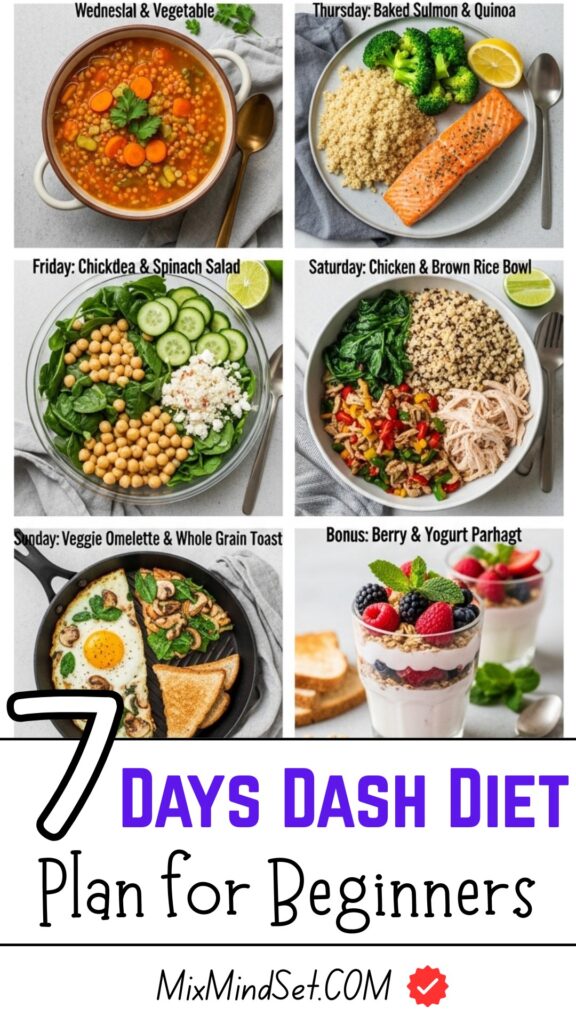
The DASH diet (Dietary Approaches to Stop Hypertension) is the most researched, doctor-recommended eating plan for blood pressure control.
It’s not a fad. It’s not about starving yourself. It’s about eating more of the foods that naturally lower pressure — fruits, vegetables, whole grains, lean protein, and low-fat dairy — while cutting back on sodium.
This 7-day meal plan is designed for beginners. Every meal is simple, affordable, and uses ingredients you can find at any grocery store. No fancy chefs. No weird supplements. Just real food that works.
Table of Contents
What Is the DASH Diet?
The DASH diet focuses on three key nutrients that relax blood vessels and help your kidneys flush out excess sodium:
- Potassium – Counteracts sodium and eases tension in blood vessel walls.
- Magnesium – Helps regulate blood pressure and supports heart rhythm.
- Calcium – Plays a role in blood vessel contraction and relaxation.
At the same time, you reduce sodium (salt). Most beginners start at 2,300 mg per day (about 1 teaspoon of salt), then aim for 1,500 mg for even greater lowering.
What DASH is NOT:
- A low-carb or keto diet
- A detox or cleanse
- An elimination diet (no foods are completely forbidden)
What DASH IS:
- High in fruits, vegetables, and whole grains
- Moderate in lean protein and low-fat dairy
- Low in saturated fat, sugar, and sodium
Key fact: In clinical studies, the DASH diet lowered blood pressure within 2 weeks. The effect is comparable to a single blood pressure medication.
Foods to Eat and Limit on DASH
Use this table as your grocery shopping guide.
DASH-Friendly Foods (Eat These Daily)
| Category | Daily Servings | Best Choices |
|---|---|---|
| Vegetables | 4-5 servings | Leafy greens, broccoli, carrots, bell peppers, tomatoes, zucchini |
| Fruits | 4-5 servings | Bananas, oranges, apples, berries, melon, grapes, kiwi |
| Whole grains | 6-8 servings | Oats, brown rice, quinoa, whole wheat bread, barley |
| Low-fat dairy | 2-3 servings | Skim milk, low-fat yogurt, low-fat cheese, cottage cheese |
| Lean protein | 6 or fewer (ounces per day) | Chicken, turkey, fish, eggs, legumes (beans, lentils) |
| Healthy fats & nuts | 2-3 servings | Olive oil, avocado, almonds, walnuts, chia seeds |
Foods to Limit on DASH
| Category | Limit To | Examples |
|---|---|---|
| Sodium | 1,500-2,300 mg/day | Table salt, canned soups, deli meats, frozen meals |
| Saturated fat | Less than 6% of calories | Fatty beef, butter, full-fat cheese, coconut oil |
| Added sugar | 5 or fewer per week | Soda, candy, pastries, sweetened cereals |
| Alcohol | 1 drink/day (women), 2 (men) | Beer, wine, liquor |
Tip: Buy “no salt added” or “low sodium” versions of canned beans, broths, and tomatoes. Rinse canned beans to remove up to 40% of sodium.
7-Day DASH Diet Meal Plan for Beginners
Each day includes breakfast, lunch, dinner, and a snack. Portions are based on a 2,000 calorie diet. Adjust up or down based on your hunger and activity level.
Day 1 (Monday)
- Breakfast: 1 cup cooked oatmeal with 1 sliced banana and 1 tbsp chopped walnuts. 1 cup low-fat milk.
- Lunch: Turkey & avocado sandwich – 2 slices whole wheat bread, 3 oz sliced turkey breast, ¼ avocado, lettuce, tomato. Side of baby carrots.
- Dinner: Baked lemon herb chicken (4 oz) with 1 cup steamed broccoli and ½ cup brown rice.
- Snack: 1 medium apple + 1 string cheese (low-fat).
Day 2 (Tuesday)
- Breakfast: Greek yogurt parfait – ¾ cup plain low-fat Greek yogurt, ½ cup mixed berries, 2 tbsp low-sugar granola.
- Lunch: Leftover chicken and broccoli over brown rice.
- Dinner: Lentil & vegetable soup (homemade or low-sodium canned) with a side of whole grain roll.
- Snack: Handful of almonds (about 12) + 1 small orange.
Day 3 (Wednesday)
- Breakfast: Smoothie – 1 cup spinach, ½ banana, ½ cup frozen mango, 1 cup unsweetened almond milk, 1 tbsp flaxseed.
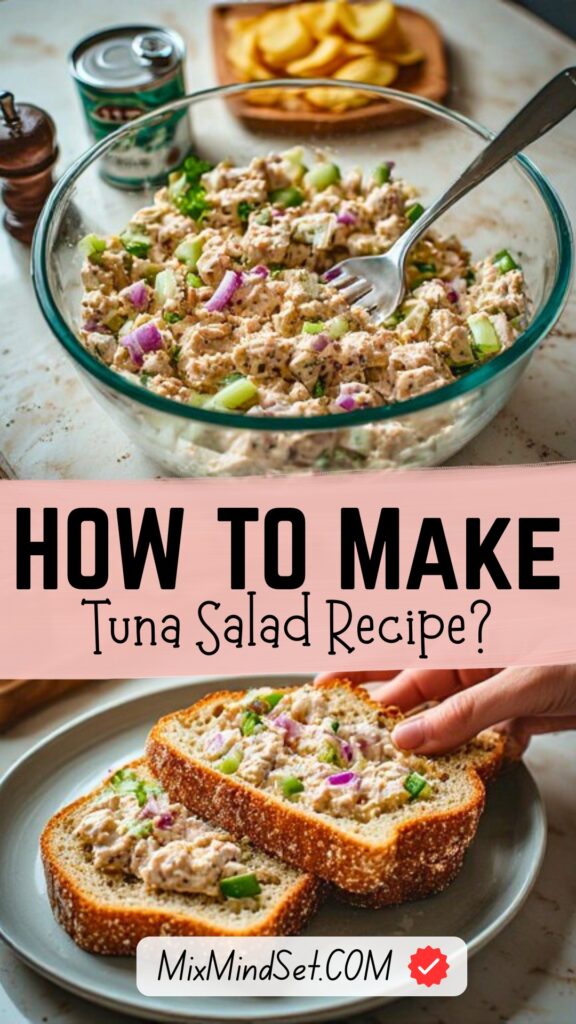
- Lunch: Tuna salad lettuce wraps – 1 can tuna (in water, drained) mixed with 2 tbsp plain Greek yogurt and mustard. Scoop into 3 large lettuce leaves.
- Dinner: Salmon with roasted vegetables – 4 oz salmon, 1 cup roasted Brussels sprouts and sweet potato cubes.
- Snack: 1 pear + 1 tbsp peanut butter.
Day 4 (Thursday)
- Breakfast: Scrambled eggs (2) with ½ cup sautéed spinach and 1 slice whole grain toast.
- Lunch: Leftover salmon and roasted vegetables.
- Dinner: Black bean & corn quinoa bowl – ½ cup cooked quinoa, ½ cup black beans (rinsed), ½ cup corn, diced bell peppers, avocado slices, lime juice.
- Snack: ½ cup cottage cheese (low-fat) with cucumber slices.
Day 5 (Friday)
- Breakfast: Overnight oats – ½ cup rolled oats, ¾ cup low-fat milk, 1 tbsp chia seeds, ½ cup blueberries. Refrigerate overnight.
- Lunch: Leftover black bean quinoa bowl.
- Dinner: Turkey meatballs (4 small) with 1 cup zucchini noodles and ½ cup marinara sauce (no salt added).
- Snack: 1 small handful of grapes + 1 oz low-fat cheese.
Day 6 (Saturday)
- Breakfast: Whole grain waffle (1) topped with ½ sliced banana and 1 tbsp chopped walnuts. 1 cup low-fat milk.
- Lunch: Hummus & veggie wrap – Whole wheat tortilla, 3 tbsp hummus, shredded carrots, cucumber, bell peppers, spinach.
- Dinner: Grilled shrimp skewers (5 large) with 1 cup quinoa and 1 cup steamed asparagus.
- Snack: 1 medium orange + 10 almonds.
Day 7 (Sunday)
- Breakfast: Veggie omelette – 2 eggs, ¼ cup diced bell peppers, ¼ cup onions (if tolerated), ¼ cup low-fat cheddar. 1 slice whole grain toast.
- Lunch: Leftover shrimp and quinoa.
- Dinner: Chicken & vegetable stir-fry – 4 oz chicken breast, 1 cup broccoli, ½ cup snap peas, 1 carrot, low-sodium soy sauce (tamari). Serve over ½ cup brown rice.
- Snack: 1 small apple + 1 tbsp almond butter.
3 Complete DASH Diet Recipes (With Nutritional Facts)
Recipe 1: Lemon Herb Baked Chicken
Simple, juicy chicken that pairs with any vegetable and whole grain.
Ingredients:
| Ingredient | Amount |
|---|---|
| Boneless, skinless chicken breast | 4 oz per serving |
| Lemon juice | 2 tbsp |
| Olive oil | 1 tsp |
| Dried oregano | ½ tsp |
| Garlic powder (no salt) | ¼ tsp |
| Black pepper | To taste |
Instructions:
- Preheat oven to 375°F (190°C).
- In a small bowl, mix lemon juice, olive oil, oregano, garlic powder, and pepper.
- Place chicken in a baking dish. Pour lemon mixture over chicken.
- Bake for 20-25 minutes until internal temperature reaches 165°F.
- Let rest 5 minutes before serving.
Nutritional Facts (per 4 oz serving):
| Nutrient | Amount |
|---|---|
| Calories | 190 |
| Protein | 26g |
| Carbohydrates | 2g |
| Fiber | 0g |
| Fat | 8g |
| Sodium | 65mg (very low) |
| Potassium | 380mg |
Recipe 2: Lentil & Vegetable Soup
Rich in potassium, magnesium, and fiber. Make a big batch for leftovers.
Ingredients:
| Ingredient | Amount |
|---|---|
| Brown or green lentils (rinsed) | 1 cup |
| Low-sodium vegetable broth | 6 cups |
| Carrots (diced) | 2 medium |
| Celery stalks (diced) | 2 |
| Zucchini (diced) | 1 medium |
| Canned diced tomatoes (no salt added) | 1 can (14.5 oz) |
| Dried thyme | 1 tsp |
| Bay leaf | 1 |
| Olive oil | 1 tbsp |
| Lemon juice | 1 tbsp |
Instructions:
- In a large pot, heat olive oil over medium heat. Sauté carrots and celery for 5 minutes.
- Add lentils, vegetable broth, diced tomatoes (with juice), zucchini, thyme, and bay leaf.
- Bring to a boil, then reduce heat and simmer for 30 minutes until lentils are tender.
- Remove bay leaf. Stir in lemon juice before serving.
Nutritional Facts (per 1.5 cup serving – makes 6 servings):
| Nutrient | Amount |
|---|---|
| Calories | 210 |
| Protein | 12g |
| Carbohydrates | 34g |
| Fiber | 11g |
| Fat | 3g |
| Sodium | 140mg |
| Potassium | 680mg |
Recipe 3: Black Bean & Corn Quinoa Bowl
A no-cook, high-fiber meal that’s perfect for lunch meal prep.
Ingredients (per bowl):
| Ingredient | Amount |
|---|---|
| Cooked quinoa | ½ cup |
| Black beans (rinsed, no salt added) | ½ cup |
| Frozen corn (thawed) | ¼ cup |
| Red bell pepper (diced) | ¼ cup |
| Avocado | ¼ medium |
| Fresh cilantro | 2 tbsp |
| Lime juice | 1 tbsp |
| Cumin | ¼ tsp |
Instructions:
- In a bowl, combine quinoa, black beans, corn, bell pepper, and cilantro.
- Add lime juice and cumin. Toss to combine.
- Top with sliced avocado. Serve cold or at room temperature.
Nutritional Facts (per bowl):
| Nutrient | Amount |
|---|---|
| Calories | 380 |
| Protein | 15g |
| Carbohydrates | 55g |
| Fiber | 16g |
| Fat | 12g |
| Sodium | 120mg |
| Potassium | 820mg |
5 Common DASH Diet Mistakes Beginners Make
1. Cutting sodium too low too fast.
Going from 3,500mg to 1,500mg overnight can cause dizziness or cravings. Solution: Reduce gradually over 1-2 weeks. Start with 2,300mg, then aim lower.
2. Eating processed “low-fat” foods.
Low-fat cookies or frozen meals often replace fat with sugar and sodium. Solution: Choose whole foods. Low-fat dairy is fine; low-fat processed snacks are not.
3. Forgetting about hidden sodium.
Bread, cheese, salad dressings, and even some breakfast cereals are surprisingly high in sodium. Solution: Read labels. Choose “low sodium” or “no salt added” versions.
4. Not eating enough potassium.
The blood pressure benefit of DASH comes from the combination of low sodium AND high potassium. Solution: Eat at least one potassium-rich food at every meal (banana, potato, spinach, beans, avocado).
5. Giving up after one high-sodium meal.
Had a salty dinner out? Don’t quit. One meal won’t ruin your progress. Solution: Get back on track with the very next meal. Drink extra water.
Frequently Asked Questions
How much weight will I lose on the DASH diet?
DASH is not primarily a weight loss diet, but many people lose 5-10 pounds in the first month simply by cutting processed foods and eating more fiber. For intentional weight loss, reduce portion sizes and add physical activity.
Can I drink coffee on DASH?
Yes, moderate coffee (1-2 cups daily) is fine for most people with high blood pressure. Just avoid adding sugar or cream. If caffeine spikes your blood pressure, switch to decaf.
Is the DASH diet expensive?
No. In fact, it can save you money. You’re buying fewer processed convenience foods, more dried beans and lentils, and seasonal produce. Frozen vegetables are just as nutritious and often cheaper.
Do I need to count calories?
Not for blood pressure benefits. The DASH diet works regardless of calorie intake. However, if you also want to lose weight, paying attention to portion sizes helps.
What if I don’t like dairy?
You can still follow DASH. Get calcium from fortified plant milks (check labels for added calcium), leafy greens (kale, collards), canned salmon with bones, and tofu made with calcium sulfate.
Can I follow DASH if I have kidney disease?
Talk to your doctor. Some kidney conditions require limiting potassium, while DASH is high in potassium. Do not start DASH without medical approval if you have chronic kidney disease.
Your DASH Diet Shopping List (Beginner Friendly)
Produce:
- Bananas, oranges, apples, berries, grapes
- Spinach, kale, broccoli, carrots, bell peppers, cucumbers, zucchini, sweet potatoes
Protein:
- Chicken breast, turkey breast, salmon, shrimp, eggs, canned tuna (in water)
- Canned black beans, lentils, chickpeas (no salt added)
Grains:
- Rolled oats, brown rice, quinoa, whole wheat bread, whole grain tortillas
Dairy:
- Low-fat milk, plain low-fat Greek yogurt, low-fat cottage cheese, low-fat string cheese
Pantry:
- Low-sodium vegetable broth, no-salt-added canned tomatoes, olive oil, vinegar, lemon juice, herbs and spices (no-salt blends)
Final Thoughts
You don’t need to overhaul your entire kitchen overnight. Start with one DASH meal per day this week. Add a second meal next week. By week three, you’ll likely notice your clothes feel looser, your energy is steadier, and your blood pressure readings are improving.
The DASH diet isn’t a 7-day quick fix. It’s a sustainable way of eating that you can follow for life. And the best part? It tastes good. Real food — seasoned with herbs instead of salt — is anything but bland.
Your heart has been working hard for you every day. Feed it what it needs.
— Fatima, Best Fill-In Template
Disclaimer: This article is for informational purposes only and does not constitute medical advice. If you have high blood pressure, heart disease, kidney disease, or take blood pressure medications, consult your doctor before starting the DASH diet. Do not stop or adjust medications without medical supervision.