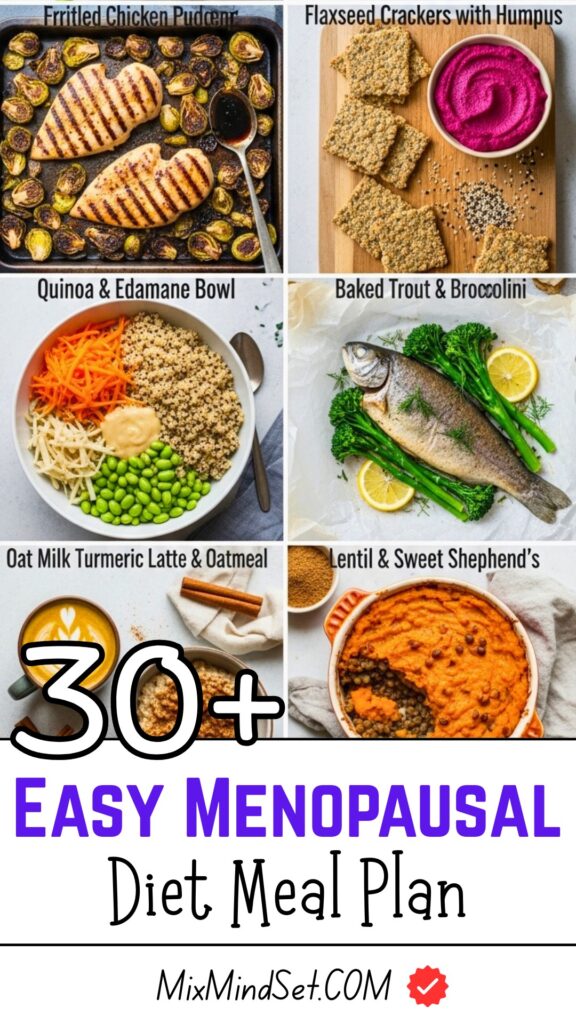
30+ Easy Menopausal Diet Meal Plan
Menopause is not a disease. It’s a natural transition. But if you’re waking up drenched in sweat, snapping at loved ones for no reason, or watching the scale creep up despite eating the same as always — you’re not imagining it.
Shifting estrogen levels affect your metabolism, temperature regulation, mood, and bone density. The good news? What you eat during menopause can dramatically change how you feel.
This guide gives you over 30 easy meal ideas specifically designed for menopausal women. Each idea focuses on foods that cool hot flashes, stabilize blood sugar, support sleep, and protect your heart and bones.
No complicated cooking. No weird ingredients. Just real, delicious food that works with your changing body.
Table of Contents
Why Your Diet Matters More Now Than Ever?
During perimenopause and menopause, estrogen drops. This single change impacts nearly every system:
- Hot flashes & night sweats – Fluctuating estrogen affects your hypothalamus (your body’s thermostat). Certain foods can trigger or cool these episodes.
- Weight gain (especially belly fat) – Lower estrogen shifts fat storage from hips to abdomen. Insulin sensitivity also decreases.
- Bone loss – Estrogen protects bone density. After menopause, women can lose up to 20% of bone mass.
- Mood swings & brain fog – Estrogen influences serotonin and neurotransmitter function.
- Sleep disruption – Night sweats and hormonal shifts interfere with deep sleep.
A strategic menopausal diet includes:
- Phytoestrogens (soy, flaxseeds) – Plant compounds that weakly mimic estrogen to ease symptoms.
- Calcium & vitamin D – Protect bones.
- Lean protein – Preserves muscle mass and boosts metabolism.
- Omega-3 fatty acids – Reduce inflammation and support mood.
- Cooling foods – Avoid spicy triggers; add water-rich vegetables.
Key fact: A 2020 study found that women who followed a Mediterranean-style diet reported 50% fewer hot flashes and better quality of life during menopause.
Foods to Embrace and Avoid During Menopause
Use this table as your quick reference.
Best Menopause-Friendly Foods
| Category | Best Choices |
|---|---|
| Phytoestrogen foods | Tofu, tempeh, edamame, flaxseeds, sesame seeds, oats |
| Calcium-rich | Fortified plant milks, leafy greens (kale, collards), canned sardines (with bones), almonds |
| Protein | Eggs, chicken, turkey, fish, lentils, chickpeas, Greek yogurt |
| Healthy fats | Olive oil, avocado, walnuts, chia seeds, fatty fish (salmon, mackerel) |
| Cooling vegetables | Cucumber, zucchini, celery, lettuce, bell peppers, summer squash |
| Whole grains | Quinoa, brown rice, oats, barley, buckwheat |
| Fruits | Berries, cherries, oranges, kiwi, apples (skin on) |
Foods That Can Worsen Menopause Symptoms
| Category | Limit or Avoid |
|---|---|
| Hot flash triggers | Spicy foods, caffeine, alcohol, very hot drinks |
| Blood sugar spikers | Sugary snacks, white bread, soda, pastries |
| Saturated fats | Fried foods, fatty red meat, butter, full-fat dairy (in excess) |
| Processed foods | Fast food, frozen meals with additives, sugary cereals |
| Excess salt | Canned soups, deli meats, salty snacks (can worsen bloating) |
Note: Not every woman reacts the same way. Keep a symptom diary to identify your personal triggers.
30+ Easy Menopausal Diet Meal Ideas (By Meal)
Breakfast Ideas (7 Ideas)
Start your day with protein, fiber, and phytoestrogens to stabilize energy and reduce hot flashes.
- Flaxseed Oatmeal – ½ cup rolled oats cooked with water or soy milk. Top with 1 tbsp ground flaxseed, blueberries, and walnuts.
- Tofu Scramble – Crumbled firm tofu sautéed with turmeric, spinach, and cherry tomatoes. Serve with a slice of whole grain toast.
- Greek Yogurt Parfait – Plain low-fat Greek yogurt, ½ cup mixed berries, 1 tbsp chia seeds.
- Green Smoothie – 1 cup spinach, ½ frozen banana, 1 tbsp flaxseed, unsweetened almond milk, 1 scoop collagen or pea protein.
- Avocado & Egg on Sourdough – 1 slice sourdough toast, mashed avocado, poached egg, sprinkle of sesame seeds.
- Chia Seed Pudding – 3 tbsp chia seeds + 1 cup soy milk + ½ tsp vanilla. Refrigerate overnight. Top with sliced kiwi.
- Quinoa Breakfast Bowl – Cooked quinoa with cinnamon, chopped apple, a drizzle of maple syrup, and pumpkin seeds.
Lunch Ideas (8 Ideas)
Keep lunches light but satisfying. Include a source of calcium and lean protein.
- Kale & Edamame Salad – Massaged kale, shelled edamame, shredded carrots, cucumber, sesame-ginger dressing.
- Leftover Salmon & Roasted Veggies – Flaked salmon over mixed greens with lemon and olive oil.
- Lentil & Vegetable Soup – Homemade or low-sodium canned lentil soup with a side of whole grain crackers.
- Turkey & Avocado Collard Wrap – Large collard leaf filled with sliced turkey, avocado, shredded cabbage, and hummus.
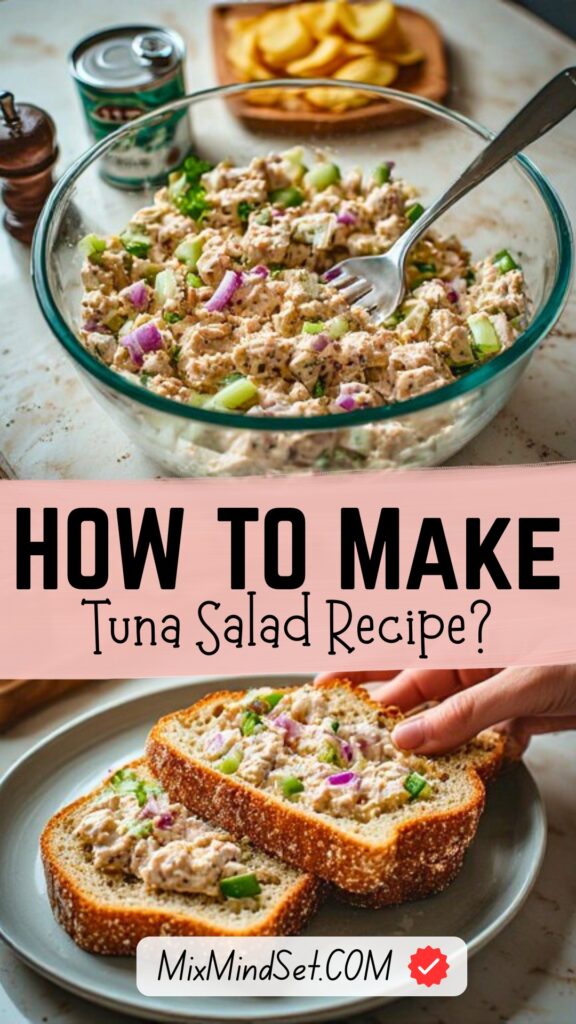
- Tuna & White Bean Salad – Canned tuna (in water), cannellini beans, red onion (small amount), parsley, lemon juice.
- Quinoa & Roasted Vegetable Bowl – Quinoa, roasted zucchini and bell peppers, crumbled feta or tofu feta.
- Egg Salad Lettuce Cups – Mashed hard-boiled eggs with plain yogurt and mustard, scooped into butter lettuce leaves.
- Leftover Tofu Scramble Wrap – Wrap leftover scramble in a corn tortilla with salsa and avocado.
Dinner Ideas (9 Ideas)
Dinner should include a good source of calcium and omega-3s when possible.
- Baked Salmon with Roasted Broccoli – 5 oz salmon, broccoli florets tossed in olive oil, bake at 400°F for 15 minutes. Serve with quinoa.
- Tofu & Vegetable Stir-Fry – Firm tofu, bok choy, snap peas, carrots, ginger, tamari, served over brown rice.
- Turkey & Kale Meatballs – Ground turkey, finely chopped kale, breadcrumbs (gluten-free if needed), baked with zucchini noodles.
- Lentil Shepherd’s Pie – Lentil-mushroom filling topped with mashed cauliflower and sweet potato.
- Grilled Chicken with Warm Kale Salad – Grilled chicken breast over sautéed kale, cherry tomatoes, and a lemon-tahini dressing.
- Sardine Pasta – Whole wheat or gluten-free pasta, sardines in olive oil, garlic-infused oil, parsley, breadcrumbs.
- Black Bean & Sweet Potato Chili – Black beans, sweet potatoes, diced tomatoes, chili powder, served with avocado.
- Baked Cod with Roasted Asparagus – Cod fillets topped with lemon and dill, roasted asparagus, side of brown rice.
- Stuffed Bell Peppers – Bell peppers filled with ground turkey, black beans, corn, and topped with a sprinkle of cheese (optional).
Snack Ideas (6 Ideas)
Smart snacks prevent blood sugar dips that trigger hot flashes and irritability.
- Handful of almonds + 2 dried apricots (unsulphured)
- Apple slices with 1 tbsp peanut butter
- Hard-boiled egg sprinkled with paprika
- Cottage cheese (low-fat) with cucumber slices
- Roasted chickpeas – Toss canned chickpeas with olive oil and rosemary, bake at 400°F for 20 minutes.
- Sliced bell peppers with guacamole (2 tbsp)
Drinks (2 Ideas)
What you drink matters. Avoid caffeine and alcohol if they trigger hot flashes.
- Cooling Cucumber Mint Water – Slices of cucumber and fresh mint in a pitcher of water. Sip throughout the day.
- Soy Latte (decaf) – Warm unsweetened soy milk with decaf espresso or dandelion root coffee.
3 Complete Menopause-Friendly Recipes (Numbered)
Recipe 1: Flaxseed & Berry Oatmeal
Flaxseeds are rich in lignans, a type of phytoestrogen that can reduce hot flash frequency.
Ingredients:
| Ingredient | Amount |
|---|---|
| Rolled oats | ½ cup |
| Unsweetened soy milk (or fortified almond milk) | 1 cup |
| Ground flaxseed | 1 tbsp |
| Frozen or fresh blueberries | ½ cup |
| Walnuts (chopped) | 1 tbsp |
| Cinnamon | ¼ tsp |
Instructions:
- In a small saucepan, combine oats and soy milk. Bring to a simmer over medium heat.
- Reduce heat to low and cook for 5 minutes, stirring occasionally.
- Remove from heat. Stir in ground flaxseed and cinnamon.
- Top with blueberries and walnuts. Serve warm.
Nutritional Facts (per serving):
| Nutrient | Amount |
|---|---|
| Calories | 420 |
| Protein | 16g |
| Carbohydrates | 55g |
| Fiber | 13g |
| Fat | 18g |
| Calcium | 35% DV |
| Omega-3s | ~2.5g |
Recipe 2: Tofu & Broccoli Stir-Fry (Cooling & Bone-Supporting)
Soy provides phytoestrogens. Broccoli offers calcium and vitamin K for bone health.
Ingredients:
| Ingredient | Amount |
|---|---|
| Firm tofu (pressed and cubed) | ½ block (about 7 oz) |
| Broccoli florets | 2 cups |
| Carrots (sliced thin) | 1 medium |
| Fresh ginger (grated) | 1 tbsp |
| Low-sodium tamari or coconut aminos | 2 tbsp |
| Sesame oil | 1 tsp |
| Olive oil | 1 tbsp |
| Sesame seeds | 1 tsp |
Instructions:
- Heat olive oil in a large wok or skillet over medium-high heat.
- Add tofu cubes and cook until golden on all sides (about 5 minutes). Remove and set aside.
- In the same pan, add broccoli and carrots. Stir-fry for 3-4 minutes.
- Add ginger and cook for 30 seconds.
- Return tofu to pan. Add tamari and sesame oil. Toss to coat.
- Garnish with sesame seeds. Serve immediately over brown rice or quinoa.
Nutritional Facts (per serving, without rice):
| Nutrient | Amount |
|---|---|
| Calories | 380 |
| Protein | 22g |
| Carbohydrates | 18g |
| Fiber | 7g |
| Fat | 26g |
| Calcium | 40% DV |
| Iron | 20% DV |
Recipe 3: Cooling Cucumber & Avocado Salad
This no-cook salad is hydrating, anti-inflammatory, and perfect for hot summer nights.
Ingredients:
| Ingredient | Amount |
|---|---|
| English cucumber (thinly sliced) | 1 large |
| Avocado (diced) | 1 |
| Fresh dill (chopped) | 2 tbsp |
| Lemon juice | 2 tbsp |
| Olive oil | 1 tbsp |
| Salt and pepper | To taste |
| Pumpkin seeds (optional) | 1 tbsp |
Instructions:
- In a medium bowl, combine cucumber slices and diced avocado.
- Add fresh dill, lemon juice, olive oil, salt, and pepper.
- Gently toss to combine without mashing the avocado.
- Sprinkle with pumpkin seeds if using. Serve chilled or at room temperature.
Nutritional Facts (per serving, serves 2):
| Nutrient | Amount |
|---|---|
| Calories | 220 |
| Protein | 3g |
| Carbohydrates | 12g |
| Fiber | 7g |
| Fat | 19g |
| Vitamin C | 25% DV |
| Potassium | 600mg |
5 Common Menopause Diet Mistakes (And How to Fix Them)
1. Cutting out all carbs.
Low-carb diets can worsen mood swings and sleep because your brain needs carbs to produce serotonin. Solution: Choose complex carbs like oats, quinoa, beans, and sweet potatoes. Pair them with protein and fat.
2. Relying on soy isolates and processed meat substitutes.
Highly processed soy products (fake chicken nuggets, soy protein isolate bars) are not the same as whole soy. Solution: Eat whole soy foods like tofu, tempeh, edamame, and soy milk.
3. Avoiding dairy completely.
While some women feel better dairy-free, completely cutting calcium-rich dairy can accelerate bone loss. Solution: If you tolerate dairy, choose low-fat Greek yogurt or cottage cheese. If not, use fortified plant milks and eat leafy greens.
4. Ignoring portion sizes on “healthy” fats.
Nuts, avocado, and olive oil are healthy, but they’re also calorie-dense. During menopause, metabolism slows. Solution: Use 1 tbsp of oil, ¼ avocado, or 1 oz of nuts per serving.
5. Not drinking enough water.
Dehydration can trigger hot flashes and worsen night sweats. Solution: Aim for 8-10 cups of water daily. Add cucumber slices or lemon for flavor.
Frequently Asked Questions
Do soy foods really help with hot flashes?
Yes, for many women. A 2021 meta-analysis of 17 studies found that soy isoflavones (the active compounds in tofu, tempeh, and edamame) reduced hot flash frequency by about 21% compared to placebo. The effect is modest but meaningful. Aim for 1-2 servings of whole soy daily.
Can menopause diet help me lose belly fat?
Yes, indirectly. A diet rich in protein, fiber, and healthy fats stabilizes blood sugar and insulin, which reduces abdominal fat storage.
However, you also need to manage portion sizes and add strength training. No food “targets” belly fat alone.
What about calcium supplements?
Ideally, get calcium from food first. Your body absorbs it better. Good food sources include fortified plant milks (300mg per cup), canned sardines with bones (350mg per 3 oz), and kale (100mg per cup cooked).
If you don’t reach 1000-1200mg daily from food, a supplement may help. Talk to your doctor.
How much protein do I need during menopause?
Aim for 1.2 to 1.5 grams of protein per kilogram of body weight. For a 150-pound (68kg) woman, that’s about 82-102 grams daily. Spread protein across all meals. Example: 20g at breakfast, 30g at lunch, 30g at dinner, 10g snack.
Will these recipes help with night sweats specifically?
Yes, especially the cooling foods (cucumber, avocado, leafy greens) and avoiding triggers (spicy foods, caffeine, alcohol). Also, eating a lighter dinner and not eating within 2 hours of bedtime can reduce night sweats.
Can I drink coffee during menopause?
Some women find caffeine triggers hot flashes. Others tolerate it fine. Try decaf or half-caff for 2 weeks and see if your symptoms improve. If not, moderate amounts (1 cup daily) are likely fine.
Your Simple 3-Day Menopause Meal Plan
Day 1 (Focus: Phytoestrogens & Cooling)
- Breakfast: Flaxseed oatmeal with blueberries
- Lunch: Kale & edamame salad
- Dinner: Baked salmon with roasted broccoli and quinoa
- Snack: Apple slices with peanut butter
- Drink: Cooling cucumber mint water
Day 2 (Focus: Bone Health & Protein)
- Breakfast: Tofu scramble with spinach and whole grain toast
- Lunch: Leftover salmon over mixed greens
- Dinner: Tofu & broccoli stir-fry over brown rice
- Snack: Hard-boiled egg + handful of almonds
- Drink: Decaf soy latte (optional)
Day 3 (Focus: Gut Health & Hydration)
- Breakfast: Greek yogurt parfait with berries and chia seeds
- Lunch: Lentil & vegetable soup + whole grain crackers
- Dinner: Turkey & kale meatballs with zucchini noodles
- Snack: Cucumber & avocado salad (small portion)
- Drink: Lemon water throughout the day
Final Thoughts: Small Changes, Big Relief
Menopause is not something to “fix.” It’s a transition to honor. But that doesn’t mean you have to suffer through hot flashes, sleepless nights, and stubborn weight gain.
Start with one meal swap today. Maybe it’s the flaxseed oatmeal instead of sugary cereal. Or the tofu stir-fry instead of a heavy red meat dinner. Notice how you feel after three days. Then add another swap.
Your body is incredibly resilient. Give it the right tools — cooling foods, phytoestrogens, calcium, and protein — and it will reward you with better sleep, fewer hot flashes, and more steady energy.
This chapter of your life can be vibrant, strong, and comfortable. One plate at a time.
— Fatima
Disclaimer: This article is for informational purposes only and does not constitute medical advice. If you experience severe menopausal symptoms, heavy bleeding, or other concerning changes, please consult your healthcare provider. Hormone replacement therapy (HRT) is a personal medical decision to discuss with your doctor.