How to Make Hard Boiled Eggs?
If you’ve been wondering how to make hard boiled eggs, you’re in the right kitchen. This is one of those simple basics that looks easy, but a few small details make all the difference between tender, easy-to-peel eggs and ones with rubbery whites, cracked shells, or that gray ring around the yolk.
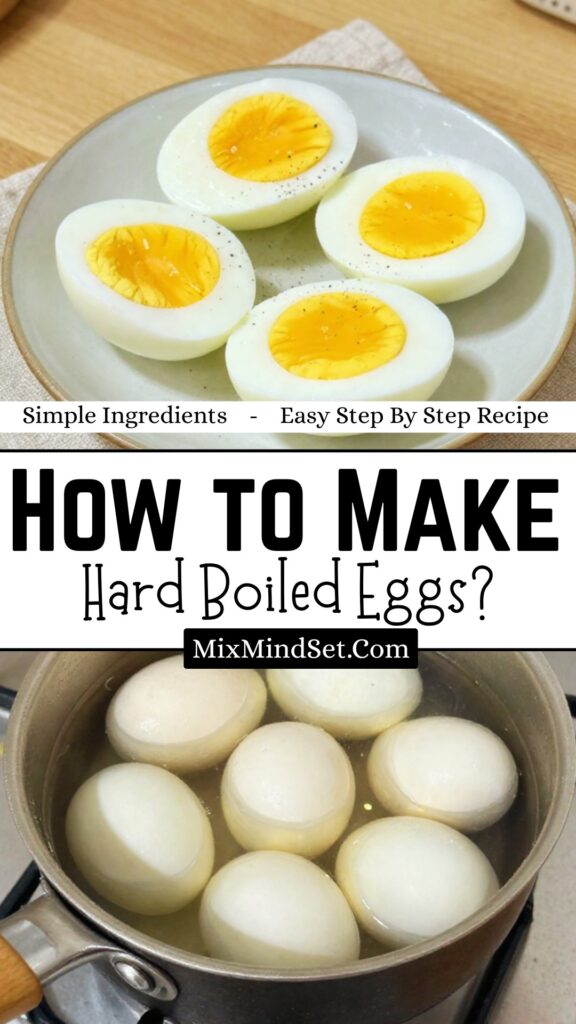
When done well, hard-cooked eggs are smooth, firm, creamy in the center, and wonderfully handy for breakfast, lunch boxes, salads, sandwiches, and quick snacks.
The nice thing about this easy hard boiled eggs method is that it does not need fancy tools or complicated steps. You just need eggs, water, a pot, and a little attention to timing. Let’s make this easy and get you a batch you’ll feel good about every time.
About the Recipe
Hard boiled eggs are simply eggs cooked in their shells until the whites are fully set and the yolks are firm. A good one should have a tender white, a neat shape, and a yolk that is cooked through without turning chalky or dry.
People love them because they are practical, filling, beginner-friendly, and useful in so many meals. You can slice them onto toast, chop them into egg salad, tuck them into lunch boxes, or keep them in the fridge for a quick grab-and-go snack.
They are also one of those kitchen basics that feel small, but once you know the timing and cooling method, they become very dependable.
Table of Contents
How to Make Hard-Boiled Eggs?
Recipe Information
- Recipe Name: Hard Boiled Eggs
- Author: Fatima
- Cuisine: American / Everyday Kitchen Basic
- Course / Recipe Type: Breakfast, Snack, Meal Prep Basic
- Difficulty Level: Easy
- Prep Time: 5 minutes
- Cook Time: 10 to 12 minutes
- Total Time: 15 to 17 minutes
- Servings: 6 eggs
- Calories Per Serving: About 78 calories per egg
- Cooking Method: Stovetop
- Best Occasion: Breakfast, meal prep, salads, sandwiches, lunch boxes
- Diet Type: Vegetarian, gluten-free, low-carb
- Flavor Profile: Mild, savory, rich, clean, simple
Why You’ll Love This Recipe
- It uses simple ingredients you already have at home.
- It is beginner-friendly and easy to repeat.
- The eggs come out firm but not tough.
- The ice bath helps stop cooking and makes peeling easier.
- It works well for meal prep.
- You can use the eggs in many ways, from snacks to salads.
- Once you learn the timing, the method feels very reliable.
Ingredients
You only need two basic things here, but they matter more than people think. The eggs should fit in one layer in the pot so they cook evenly.
| Ingredient | Amount | Notes |
|---|---|---|
| Large eggs | 6 | Cold eggs from the fridge are fine |
| Water | Enough to cover eggs by about 1 inch | Helps the eggs cook evenly |
| Ice | 2 to 3 cups | For the ice bath |
| Cold water | As needed | To cool the eggs quickly after cooking |
Optional Add-Ins and Substitutions
This recipe is very simple, so there are not many add-ins needed, but a few useful options can help:
- A pinch of salt in the water: Some cooks like to do this, though it is not essential.
- A splash of vinegar in the water: Sometimes used if you are worried about a cracked egg, but it will not fully prevent cracking.
- Medium eggs instead of large: They may cook a little faster, so check them a minute early.
- Steaming instead of boiling: Some recipe sources note that steaming can help with easy peeling, especially with very fresh eggs.
Step-by-Step Guide
- Place the eggs in a single layer in a saucepan.
Do not stack them if you can help it. A single layer helps them cook more evenly and lowers the chance of cracking from bumping around too much. - Cover the eggs with cold water.
Add enough water so the eggs are covered by about 1 inch. Starting with cold water helps the eggs heat gradually instead of shocking the shells. - Bring the water to a boil over medium-high heat.
Watch for a full boil with steady bubbles across the surface, not just a few bubbles at the edges. - As soon as the water reaches a boil, cover the pot and turn off the heat.
Let the eggs sit in the hot water for 10 to 12 minutes for firm yolks. For large eggs, 10 minutes gives you a fully set but slightly softer center, while 12 minutes gives a more classic hard-boiled texture. Timing matters here. Too long and the yolks can turn dry and develop that greenish-gray ring. A 10-minute hard-boiled timing is also commonly recommended by recipe sources for fully cooked eggs without overdoing them. - While the eggs sit, prepare an ice bath.
Fill a bowl with cold water and ice. This step is worth it. It quickly stops the cooking so the yolks stay nicer in color and texture. - Transfer the eggs to the ice bath.
Use a spoon so you do not crack them roughly. Let them cool for at least 5 to 10 minutes. The shells often peel more cleanly after this cooling step. - Peel the eggs.
Gently tap the egg on the counter, then roll it lightly to crack the shell all over. Start peeling from the wider end, where there is often a small air pocket. If the shell sticks, peel under a little running water. - Serve or store.
Once peeled, use the eggs right away or store them in the fridge for later.
Video Guide 🎥
Expert Tips for Best Results
- Do not boil too aggressively for too long. A hard rolling boil can knock the eggs around and crack them.
- Use the ice bath. This is one of the easiest ways to avoid overcooking.
- A slightly older egg often peels more easily than a very fresh one. That is a small kitchen detail many home cooks notice.
- Peel from the wide end first. There is usually an air pocket there, so it gives you a better starting point.
- If the yolk has a gray-green ring, the eggs were cooked too long. They are usually still safe to eat, but the texture is less pleasant.
- Keep the eggs in one layer. Crowding the pot can give uneven results.
- Cool before peeling. Warm eggs can tear more easily and take bits of white with the shell.
- If you meal prep eggs often, make a few extra. One cracked or stubborn egg is normal now and then.
Nutritional Facts
Nutritional values are approximate and can vary a little by egg size.
| Nutrient | Amount Per Serving |
|---|---|
| Calories | 78 |
| Protein | 6 g |
| Carbohydrates | 0.6 g |
| Fat | 5 g |
| Fiber | 0 g |
| Sugar | 0.5 g |
| Sodium | 62 mg |
Serving Suggestions
Hard boiled eggs are wonderfully flexible. Here are a few easy ways to use them:
- Slice them over toast with a little salt and black pepper.
- Add them to green salads or grain bowls.
- Tuck them into lunch boxes with fruit and crackers.
- Chop them into egg salad with a little mayo and mustard.
- Serve them with toast soldiers for breakfast.
- Add them to noodle bowls or simple rice plates.
- Sprinkle with paprika, chili flakes, or everything bagel seasoning for a quick snack.
Storage and Reheating Tips
Hard-cooked eggs can be stored in the refrigerator for up to 7 days, whether they are peeled or still in the shell, as long as they are refrigerated within 2 hours after cooking. Food safety guidance from USDA and FDA gives that one-week window for best safe use.
A few practical notes:
- Store unpeeled eggs in a covered container in the fridge if you want the best texture.
- Store peeled eggs in an airtight container. A damp paper towel in the container can help keep them from drying out.
- Do not freeze hard boiled eggs whole. The whites turn watery and rubbery after thawing.
- Reheating is usually not needed. Most people eat them cold or at room temperature for a short time. If you want them slightly warm, place peeled eggs in warm, not boiling, water for a few minutes.
Quick Making Tips
- Make the ice bath before the eggs finish cooking.
- Use a timer instead of guessing.
- Cook a whole batch at once for easy meal prep.
- Write the cooking date on the container if you are storing several eggs.
- Peel a couple now for quick snacks, then leave the rest in the shell.
- If you are making egg salad, chill the eggs well first for cleaner chopping.
FAQs
How long do I boil eggs for hard boiled eggs?
For large eggs, a very dependable range is about 10 to 12 minutes in hot water after boiling, depending on how firm you want the yolk. Many popular recipe methods land in that same range.
Why do my hard boiled eggs get a gray ring around the yolk?
That usually happens when the eggs are overcooked. The eggs are still usually fine to eat, but the yolk can taste a little drier and look less appealing.
How do I make hard boiled eggs easier to peel?
Cool them in an ice bath right after cooking, then peel from the wider end. Some cooks also find that slightly older eggs peel better than very fresh ones. Steaming can also help in some cases.
Can I use this method for meal prep?
Yes, absolutely. Hard boiled eggs are great for meal prep because they keep well in the fridge for up to 7 days when stored properly.
Should I start eggs in cold water or boiling water?
Both methods can work. Starting in cold water is simple and gentle, which is why many home cooks like it. Some test-kitchen methods also recommend lowering eggs into already boiling water for easier peeling, but the cold-water start is very beginner-friendly.
Can I peel the eggs right away?
It is better to cool them first. Hot eggs are harder on your fingers and the shell often sticks more. A few minutes in ice water makes peeling much easier.
Are hard boiled eggs healthy?
They can be part of a balanced diet. One large hard-boiled egg has about 78 calories and around 6 grams of protein, but the right portion depends on your overall diet and needs.
Conclusion
Hard boiled eggs are one of the most useful little kitchen basics to know well. Once you understand the timing, the ice bath, and the peeling trick, they become very easy to make and even easier to use in everyday meals.
I hope this guide makes the process feel simple and clear. Grab your pot, set your timer, and give it a try. With just a little care, you’ll get firm, tidy, easy-to-use eggs that are ready for breakfast, lunch, or a quick snack anytime.