How to Make a Sourdough Starter?
Making a sourdough starter at home may sound complicated at first, but it is actually a simple process built on just flour, water, time, and a little patience.
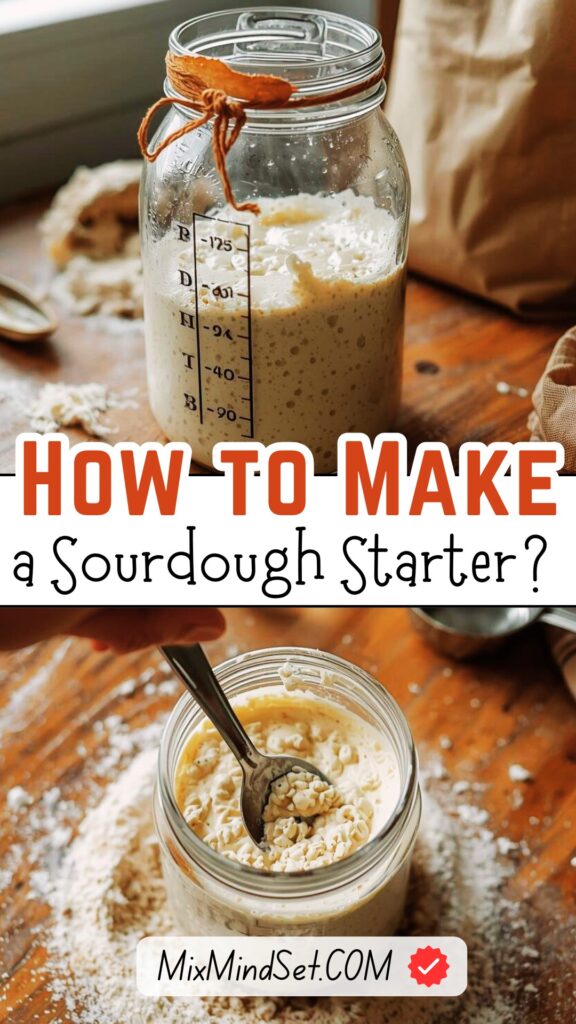
Once your starter becomes active and bubbly, it turns into the natural leavening that gives sourdough bread its signature rise, flavor, and texture.
If you have been wondering how to make a sourdough starter from scratch, the good news is that you do not need yeast packets, fancy tools, or professional baking experience. You only need a clean jar, a consistent feeding routine, and a basic understanding of what to look for each day.
In this guide, you will learn how to make a sourdough starter step by step, what ingredients to use, how long it usually takes, common mistakes to avoid, and how to know when your starter is finally ready to bake with.
Whether you are brand new to sourdough or trying again after a failed attempt, this method will help you build a strong, healthy starter with confidence.
Table of Contents
What Is a Sourdough Starter?
A sourdough starter is a living mixture of flour and water that captures natural wild yeast and beneficial bacteria from the environment. Over several days, this mixture begins to ferment. As it ferments, it develops bubbles, a slightly tangy smell, and the power to help bread dough rise naturally.
Instead of using commercial yeast, sourdough bread depends on this active starter for leavening and flavor.
Why people love sourdough starter
- Natural fermentation
- Deep, slightly tangy flavor
- Better texture and chew
- A traditional method with only a few ingredients
- Can be maintained for years with regular feeding
The key to success is consistency. Once your starter is established, it becomes one of the most useful things in your kitchen if you enjoy homemade bread.
Ingredients and Tools You Need
Before you begin, gather a few basics. Keeping things simple makes the process much easier.
Ingredients
| Ingredient | Amount | Notes |
|---|---|---|
| Whole wheat flour or rye flour | For day 1 | Helps kick-start activity because it contains more natural microorganisms |
| All-purpose flour or bread flour | For later feedings | Good for regular maintenance |
| Water | As needed | Use filtered or non-chlorinated water if possible |
Tools
- A clean glass jar or container
- A spoon or small spatula
- A kitchen scale if you have one
- A loose lid or clean cloth
- A rubber band or marker to track growth
Using a kitchen scale gives more reliable results, but you can still make a starter with measuring spoons and cups if needed.
How to Make a Sourdough Starter Step by Step?
This is a beginner-friendly method that works well for most home bakers. A starter usually takes about 5 to 7 days, though sometimes it can take longer depending on room temperature and flour type.
Day 1: Mix the starter
In a clean jar, combine:
- 60 grams whole wheat flour
- 60 grams water
Stir until no dry flour remains. The mixture should look like a thick paste. Scrape down the sides, loosely cover the jar, and leave it at room temperature for 24 hours.
A warm spot in your kitchen is best, but avoid direct sun or excessive heat.
Day 2: Check for early signs
You may or may not see bubbles. Some starters show activity quickly, while others stay quiet at first. That is completely normal.
Add:
- 60 grams flour
- 60 grams water
Stir well, cover loosely, and leave it again for 24 hours.
Day 3: Begin discarding and feeding
By now, you might notice bubbles, a mild sour smell, or a slight rise. Before feeding, discard about half of the starter.
Then feed the remaining starter with:
- 60 grams flour
- 60 grams water
Mix thoroughly and let it rest for another 24 hours.
Days 4 to 6: Continue daily feeding
Each day:
- Discard about half of the starter
- Feed with equal weights of flour and water
- Stir well
- Cover loosely and leave at room temperature
At this stage, your starter should begin showing stronger signs of life:
- More bubbles throughout the jar
- A noticeable rise after feeding
- A pleasant tangy smell
- A lighter, airier texture
Day 7 and beyond: Test for readiness
Your sourdough starter is usually ready when it:
- Doubles in size within 4 to 8 hours after feeding
- Looks bubbly and active
- Smells pleasantly tangy, not rotten
- Has a soft, airy texture
If it is still weak, keep feeding it daily for a few more days. Many starters need a little extra time before becoming strong enough for baking.
Simple Sourdough Starter Feeding Schedule
Here is a helpful daily reference you can follow:
| Day | What to Do | What You May Notice |
|---|---|---|
| Day 1 | Mix flour and water | Thick paste, little to no activity |
| Day 2 | Feed again | A few bubbles may appear |
| Day 3 | Discard and feed | Slight sour smell, some rise |
| Day 4 | Discard and feed | More bubbles, looser texture |
| Day 5 | Discard and feed | Stronger rise, noticeable activity |
| Day 6 | Discard and feed | Starter looks airy and lively |
| Day 7 | Check readiness | May double in size after feeding |
This timeline is flexible. Cooler kitchens can slow things down, while warmer kitchens can speed things up.
Tips for a Strong and Healthy Sourdough Starter:
A few practical habits can make a big difference when you are learning how to make a sourdough starter successfully.
Keep it in a warm spot
Sourdough starter grows best in a moderately warm kitchen. If your space is too cold, fermentation may move very slowly.
Use whole grain flour at the beginning
Whole wheat or rye flour often helps the starter become active faster. Once established, you can switch to all-purpose or bread flour for regular feedings.
Be consistent with feeding
Try to feed your starter around the same time each day. Consistency helps the yeast and bacteria become stronger and more stable.
Watch the starter, not just the clock
Every kitchen is different. Focus on the signs of readiness, such as bubbling, rising, and aroma, instead of expecting an exact timeline.
Use a clean jar
A clean container helps reduce the chance of unwanted mold or bad bacteria.
Common Mistakes to Avoid:
When people first learn how to make a sourdough starter, a few small mistakes can slow things down. Most are easy to fix.
- Using chlorinated water: This can sometimes interfere with fermentation
- Closing the lid too tightly: Your starter needs airflow
- Skipping feedings: Inconsistent feeding weakens the starter
- Expecting it to be ready too soon: Some starters need more than a week
- Throwing it away during the quiet phase: Many starters go through a slow period before becoming active
- Using too much water: A very thin starter can be harder to monitor in the beginning
If you notice a layer of liquid on top, called hooch, your starter is hungry. Just stir it in or pour it off, then feed the starter.
How to Know Your Sourdough Starter Is Ready to Use?
A mature starter should do more than just show a few bubbles. It needs strength.
Look for these signs:
- It doubles or nearly doubles after feeding
- It rises predictably with regular feedings
- It smells fresh, tangy, and slightly yeasty
- It has bubbles on top and throughout the sides
- It feels light and airy when stirred
Once your starter reaches this stage, you can use it for bread, pizza dough, pancakes, waffles, crackers, and more.
How to Store and Maintain a Sourdough Starter?
Once your starter is active, you can keep it at room temperature if you bake often, or store it in the refrigerator if you bake less frequently.
If you bake often
Feed it daily and keep it at room temperature.
If you bake once a week or less
Store it in the fridge and feed it about once a week. Before baking, bring it out, feed it, and let it become fully active again.
Here is a simple maintenance guide:
| Storage Method | Feeding Frequency | Best For |
|---|---|---|
| Room temperature | Daily | Frequent bakers |
| Refrigerator | Weekly | Occasional bakers |
FAQ About How to Make a Sourdough Starter
How long does it take to make a sourdough starter?
Most sourdough starters take about 5 to 7 days to become active, but some need 10 days or longer depending on the flour, water, and room temperature.
Can I make a sourdough starter with all-purpose flour?
Yes, you can. However, many people find that starting with whole wheat or rye flour helps create activity faster. After that, all-purpose flour works well for regular feeding.
Why is my sourdough starter not bubbling?
A starter may not bubble much if the room is too cold, the water contains too much chlorine, or it simply needs more time. Keep feeding it consistently and place it in a warmer area.
What should a sourdough starter smell like?
A healthy starter should smell pleasantly sour, tangy, yeasty, or slightly fruity. A strong unpleasant smell can happen when it is very hungry, but visible mold or a rotten smell means it should be discarded.
Do I really need to discard some of the starter?
Yes. Discarding keeps the starter manageable and helps maintain the right balance of flour, water, and natural fermentation. Without discarding, the jar quickly becomes too full and the starter can become weak.
Can I use sourdough discard in recipes?
Yes. Sourdough discard can be used in pancakes, waffles, crackers, muffins, and other baked goods. It is a great way to reduce waste.
Final Thoughts
Learning how to make a sourdough starter is one of the most rewarding kitchen skills for any home baker. It does not require expensive ingredients or advanced knowledge, just a simple routine and a little patience. In a matter of days, you can create a living starter that gives homemade bread incredible flavor, texture, and character.
The most important thing is not to give up too early. Sourdough can look slow or unpredictable at first, but that is part of the process. Stay consistent with your feedings, watch for bubbles and rise, and let the starter develop at its own pace.
Once your starter is active and strong, you will have the foundation for delicious homemade sourdough baking for months and even years to come.