How to Make Bread Crumbs at Home?
Bread crumbs are one of those simple kitchen staples that can save money, reduce waste, and make everyday cooking easier. If you have a few slices of leftover bread sitting on the counter, you already have the main ingredient.
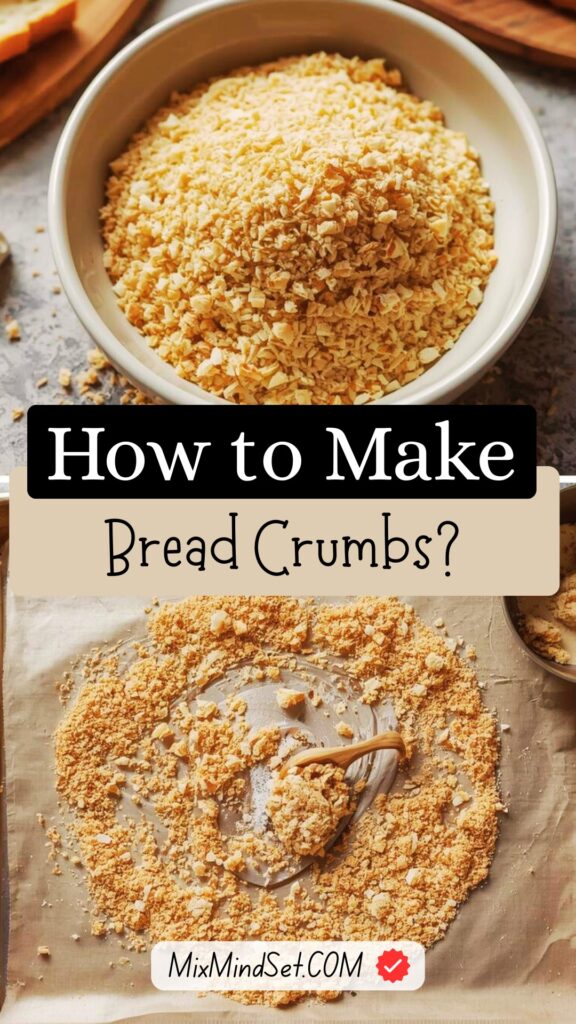
Learning how to make bread crumbs at home is quick, practical, and surprisingly useful, whether you need a crispy coating for chicken, a binder for meatballs, or a topping for casseroles.
Homemade bread crumbs are often better than store-bought because you can control the texture, flavor, and freshness. You can make them plain, seasoned, fine, coarse, fresh, or dry depending on the recipe. Once you know the basic method, it becomes one of the easiest kitchen habits to keep.
In this guide, you will learn exactly how to make bread crumbs at home, which breads work best, how to store them, and the common mistakes to avoid.
Table of Contents
Why Make Bread Crumbs at Home?
Making bread crumbs at home is not just about convenience. It is also a smart way to use bread that is getting a little stale but is still perfectly good.
Here are a few reasons homemade bread crumbs are worth making:
- Reduces food waste
- Saves money
- Lets you control the texture
- Easy to season for different recipes
- Works with many kinds of bread
- Tastes fresher than many packaged options
Store-bought bread crumbs can be useful, but homemade versions often have a better texture and a more natural flavor. They are especially handy when you need a quick pantry substitute and do not want to run to the store.
Best Bread for Homemade Bread Crumbs
The good news is that almost any bread can work. The best choice depends on the flavor and texture you want.
| Type of Bread | Best For | Texture | Flavor |
|---|---|---|---|
| White bread | General use, coating, binding | Fine and light | Mild |
| Sandwich bread | Everyday recipes | Soft to medium | Neutral |
| French bread | Crispy toppings | Coarse | Slightly chewy |
| Sourdough | Savory dishes | Crisp and hearty | Tangy |
| Whole wheat bread | Meatballs, casseroles | Dense | Nutty |
| Hamburger buns or rolls | Quick crumbs | Soft | Slightly rich |
Slightly stale bread is often ideal because it dries out more easily and blends better. Fresh bread also works, but it may need a little more oven time if you want dry crumbs.
Fresh Bread Crumbs vs. Dry Bread Crumbs
There are two main types of homemade bread crumbs:
Fresh bread crumbs
These are soft, moist, and fluffy. They are best for:
- Meatballs
- Meatloaf
- Stuffing
- Toppings that do not need extra crunch
Dry bread crumbs
These are crisp and shelf-stable for longer. They are best for:
- Breading chicken or fish
- Casserole toppings
- Crispy coatings
- Recipes that need a dry texture
How to Make Bread Crumbs at Home?
This process is simple and does not require special ingredients. You can make bread crumbs with a food processor, blender, grater, or even by hand.
Method 1: Make Fresh Bread Crumbs
If you need soft crumbs right away, this is the fastest option.
Steps:
- Take a few slices of bread.
- Cut off the crusts if you want a finer, lighter crumb. Leave them on for a more rustic texture.
- Tear the bread into smaller pieces.
- Add the pieces to a food processor.
- Pulse until the crumbs reach your preferred texture.
Use them immediately or refrigerate for short-term use.
Method 2: Make Dry Bread Crumbs
For dry bread crumbs, you need to remove the moisture first.
Steps:
- Preheat your oven to 300°F (150°C).
- Cut or tear the bread into cubes or chunks.
- Spread the bread in a single layer on a baking sheet.
- Bake for 10 to 20 minutes, turning once if needed, until the bread is fully dry but not deeply browned.
- Let it cool completely.
- Blend in a food processor until fine or coarse, depending on your recipe.
This method gives you crisp crumbs that store much better than fresh ones.
Method 3: Make Bread Crumbs Without a Food Processor
No processor? No problem.
You can still make bread crumbs by:
- Using a box grater on dry bread
- Placing dry bread in a sealed bag and crushing it with a rolling pin
- Using a blender in short pulses
This is especially useful if you only need a small amount.
Video Guide 📺
Quick Bread Crumb Method Table
| Method | Time Needed | Best For | Tools |
|---|---|---|---|
| Fresh crumbs | 5 minutes | Meatballs, stuffing | Food processor or blender |
| Dry oven-baked crumbs | 20 to 30 minutes | Breading, toppings | Oven + processor |
| Hand-crushed crumbs | 10 to 15 minutes | Small batches | Bag + rolling pin |
| Grated crumbs | 10 minutes | Fine dry crumbs | Box grater |
How to Season Homemade Bread Crumbs?
Plain bread crumbs are useful, but seasoned bread crumbs can add more flavor to your dishes.
You can mix in:
- Salt
- Black pepper
- Garlic powder
- Onion powder
- Italian seasoning
- Dried parsley
- Grated Parmesan cheese
- Paprika
A simple seasoned bread crumb mix might include:
- 1 cup dry bread crumbs
- 1/2 teaspoon salt
- 1/2 teaspoon garlic powder
- 1/2 teaspoon Italian seasoning
- 1/4 teaspoon black pepper
Mix well and store in an airtight container.
Be careful with salt if you plan to use the crumbs in recipes that are already well seasoned.
Tips for the Best Homemade Bread Crumbs:
Homemade bread crumbs are easy, but a few small details can make them much better.
- Use slightly stale bread for easier drying and blending
- Let baked bread cool fully before processing
- Pulse in short bursts to control the crumb size
- Store only when completely cool and dry
- Make both fine and coarse crumbs depending on your cooking needs
If you like cooking from scratch, it helps to keep a container in the freezer and add leftover dry bread pieces over time. Once you have enough, make a batch all at once.
Common Mistakes to Avoid:
A few common mistakes can affect texture, flavor, and shelf life.
Using bread that is still too moist
If the bread is not dried enough, your crumbs may clump together and spoil faster.
Over-browning the bread
You want the bread to dry out, not toast too dark unless you specifically want a deeper flavor.
Processing while warm
Warm bread can create steam and soften the crumbs. Always let it cool first.
Storing in a container too soon
If there is any trapped moisture, the crumbs may lose their crisp texture or develop mold.
Making all crumbs too fine
Some recipes benefit from a coarser crumb, especially toppings and crispy coatings.
How to Store Bread Crumbs?
Proper storage makes a big difference.
For fresh bread crumbs
- Store in an airtight container
- Keep in the refrigerator
- Use within 3 to 4 days
For dry bread crumbs
- Store in an airtight jar or container
- Keep in a cool, dry pantry
- Use within 2 to 3 weeks for best freshness
For longer storage
- Freeze in a sealed freezer bag or container
- Use within 2 to 3 months
- Label with the date
Freezing is one of the best ways to keep homemade bread crumbs ready whenever you need them.
Easy Ways to Use Homemade Bread Crumbs
Once you make a batch, you will find many ways to use it.
Popular uses include:
- Coating chicken, fish, or vegetables
- Mixing into meatballs or meatloaf
- Topping baked pasta or casseroles
- Adding crunch to macaroni and cheese
- Sprinkling over roasted vegetables
- Thickening certain savory fillings
Homemade bread crumbs are flexible, and you can easily match the crumb texture to the dish.
FAQ About How to Make Bread Crumbs at Home
Can I make bread crumbs from fresh bread?
Yes, you can. Fresh bread works well for fresh bread crumbs. For dry bread crumbs, it is better to dry the bread in the oven first.
Do I have to remove the crust?
No, the crust can stay on. Removing it gives you a finer and lighter crumb, but keeping it adds more flavor and color.
Can I freeze homemade bread crumbs?
Yes. Both fresh and dry bread crumbs can be frozen in airtight containers or freezer bags. Dry crumbs usually freeze especially well.
What is the best bread for bread crumbs?
White bread, sandwich bread, rolls, French bread, and sourdough all work well. The best choice depends on the flavor and texture you want.
How do I make bread crumbs crispy?
To make crispy bread crumbs, dry the bread fully in the oven before blending. You can also toast the finished crumbs lightly for extra crunch.
Are homemade bread crumbs better than store-bought?
In many cases, yes. Homemade bread crumbs are often fresher, more flavorful, and more customizable.
Conclusion
Knowing how to make bread crumbs at home is a simple kitchen skill that pays off again and again. It helps you use leftover bread wisely, saves money, and gives you more control over your recipes. Whether you need soft fresh crumbs for meatballs or dry crispy crumbs for breading, the process is easy and adaptable.
Once you try it, homemade bread crumbs may become one of your favorite everyday kitchen basics. A few slices of bread can turn into something genuinely useful, and that is the kind of cooking habit that makes home kitchens work better.