32+ Low Cholesterol Diet for Every Meal
If you’ve recently been told your cholesterol is creeping up, you’re not alone. Nearly 94 million U.S. adults have total cholesterol levels above 200 mg/dL. The good news? What you eat has a powerful effect on your numbers. And you don’t need bland, boring meals to make a difference.
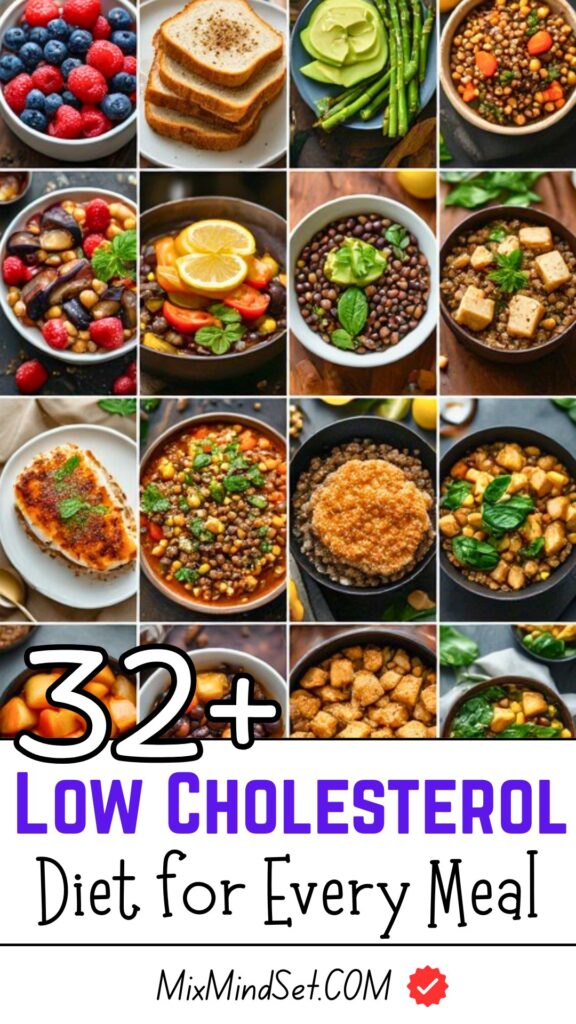
A low cholesterol diet isn’t about deprivation. It’s about adding more of the right foods — fiber-rich oats, healthy fats, plant sterols, and lean proteins — while gently reducing saturated and trans fats.
This guide gives you over 32 practical meal ideas for breakfast, lunch, dinner, and snacks. Every idea is simple, delicious, and backed by heart-health science. No complicated recipes. No extreme restrictions. Just real food for real life.
Table of Contents
What Actually Lowers Cholesterol? (A 30-Second Science Lesson)
Cholesterol comes in two main types you need to know:
- LDL (low-density lipoprotein) – The “bad” cholesterol. Too much leads to plaque buildup in arteries.
- HDL (high-density lipoprotein) – The “good” cholesterol. Helps remove excess LDL from your bloodstream.
A heart-healthy diet lowers LDL while maintaining or raising HDL. The most effective food strategies include:
- Soluble fiber – Binds to cholesterol in your digestive system and helps excrete it. Found in oats, beans, apples, citrus fruits, and barley.
- Unsaturated fats – Replace saturated fats to improve cholesterol ratios. Found in olive oil, avocados, nuts, and fatty fish.
- Plant sterols and stanols – Natural compounds that block cholesterol absorption. Found in fortified margarines, nuts, and seeds.
- Omega-3 fatty acids – Lower triglycerides and support heart health. Found in salmon, mackerel, walnuts, and flaxseeds.
Key fact: Replacing just 5% of calories from saturated fat with unsaturated fat can lower LDL by about 10%.
Foods to Embrace and Foods to Limit
Use this quick reference table to guide your grocery shopping.
Heart-Healthy Foods to Eat Freely
| Category | Best Choices |
|---|---|
| Vegetables | All — especially leafy greens (spinach, kale), broccoli, carrots, bell peppers, eggplant |
| Fruits | All — especially apples, citrus, berries, bananas, pears (eat the skin for fiber) |
| Whole Grains | Oats, barley, quinoa, brown rice, whole wheat bread, buckwheat, farro |
| Legumes | Beans (kidney, black, chickpeas), lentils, split peas — aim for ½ cup daily |
| Lean Proteins | Skinless chicken, turkey, fish (especially fatty fish), tofu, tempeh, egg whites |
| Healthy Fats | Olive oil, avocado, nuts (walnuts, almonds), seeds (flax, chia, pumpkin) |
| Dairy | Low-fat or fat-free milk, yogurt, cheese (small amounts) |
Foods to Limit or Avoid
| Category | Limit These |
|---|---|
| Saturated Fats | Fatty red meat, butter, full-fat dairy, coconut oil, palm oil, processed meats (sausage, bacon) |
| Trans Fats | Fried fast foods, commercially baked goods (cookies, crackers), margarine (stick form) |
| Refined Carbs & Sugar | White bread, sugary cereals, pastries, soda, candy |
| Excess Dietary Cholesterol | Egg yolks (moderate — 3-4 per week is fine for most), organ meats (liver), shrimp (limit portion) |
Important nuance: Dietary cholesterol from eggs has less impact on blood cholesterol than saturated fat does. Most people can enjoy 1 whole egg daily.
32+ Low Cholesterol Meal Ideas for Every Meal
Breakfast Ideas (8 Ideas)
Start your day with soluble fiber to help flush out LDL cholesterol.
- Oatmeal with Berries & Walnuts – ½ cup rolled oats cooked with water or low-fat milk. Top with ½ cup blueberries and 2 tbsp walnuts.
- Apple Cinnamon Overnight Oats – Combine oats, almond milk, grated apple, cinnamon, and a sprinkle of chia seeds.
- Whole Grain Toast with Avocado – 1 slice whole wheat bread, ¼ mashed avocado, pinch of red pepper flakes.
- Greek Yogurt Parfait – Low-fat plain Greek yogurt, ½ cup mixed berries, 2 tbsp low-sugar granola.
- Green Smoothie – Handful spinach, ½ banana, ½ cup frozen mango, 1 tbsp flaxseed, unsweetened almond milk.
- Scramled Egg Whites with Spinach – 3 egg whites, 1 cup fresh spinach, 1 slice whole grain toast.
- Barley Breakfast Bowl – Cooked barley (high in soluble fiber) with cinnamon, sliced banana, and a drizzle of maple syrup.
- Chia Seed Pudding – 3 tbsp chia seeds mixed with 1 cup unsweetened almond milk. Refrigerate overnight. Top with raspberries.
Lunch Ideas (8 Ideas)
Keep lunch balanced with lean protein, fiber-rich vegetables, and whole grains.
- Quinoa & Chickpea Salad – 1 cup cooked quinoa, ½ cup chickpeas, cucumber, tomatoes, parsley, lemon juice, and olive oil.
- Lentil Soup – Homemade or low-sodium canned. Pair with a side of whole grain bread.
- Turkey & Hummus Wrap – Whole wheat tortilla, sliced turkey breast, hummus, spinach, and shredded carrots.
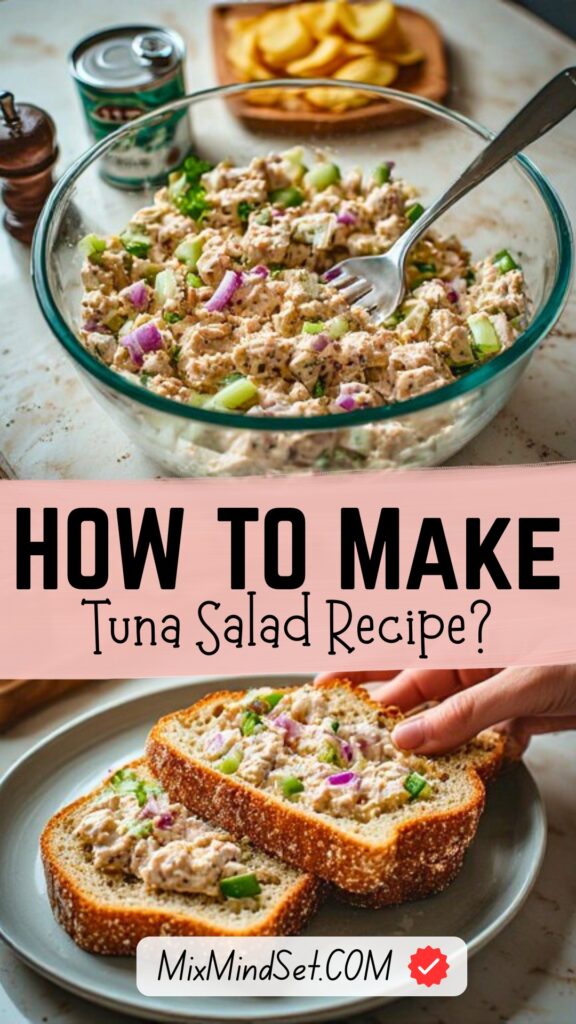
- Tuna Salad Sandwich – Mix canned tuna (in water) with plain low-fat yogurt and mustard. Serve on whole grain bread with lettuce.
- Leftover Salmon & Roasted Vegetables – Flaked salmon over a bed of mixed greens with balsamic vinaigrette.
- Black Bean Bowl – ½ cup black beans, brown rice, diced bell peppers, corn, avocado, and a squeeze of lime.
- Vegetable & Tofu Stir-Fry – Use minimal oil, plenty of broccoli and snap peas, served over brown rice.
- Mediterranean Chickpea Wrap – Mashed chickpeas with tahini, lemon, parsley, wrapped in a whole wheat tortilla.
Dinner Ideas (9 Ideas)
Dinner is your chance to load up on vegetables and heart-healthy omega-3s.
- Baked Salmon with Roasted Asparagus – 4 oz salmon, drizzle of olive oil, lemon slices. Serve with quinoa.
- Lentil & Vegetable Bolognese – Replace ground meat with cooked brown lentils. Serve over whole wheat pasta.
- Grilled Chicken & Vegetable Skewers – Chicken breast, zucchini, bell peppers, and red onion. Serve with brown rice.
- White Bean & Kale Soup – Cannellini beans, kale, carrots, celery, low-sodium vegetable broth.
- Turkey Meatballs with Zucchini Noodles – Lean ground turkey, herbs, baked meatballs over spiralized zucchini.
- Vegetable Curry with Chickpeas – Light coconut milk, curry paste, chickpeas, cauliflower, spinach. Serve with brown rice.
- Baked Tofu with Roasted Brussels Sprouts – Pressed tofu cubes marinated in soy sauce and ginger. Serve with sweet potato wedges.
- Mackerel or Sardines on Toast – Omega-3 powerhouse. Mash onto whole grain toast with a squeeze of lemon.
- Stuffed Bell Peppers – Brown rice, black beans, corn, tomatoes, baked inside bell peppers. Top with a sprinkle of low-fat cheese.
Snack Ideas (7+ Ideas)
Smart snacks keep you full and add more cholesterol-lowering fiber throughout the day.
- Handful of almonds or walnuts (1 oz – about 23 almonds)
- Apple slices with peanut butter (1 tbsp natural peanut butter)
- Baby carrots with hummus (3 tbsp hummus)
- Low-fat plain yogurt with flaxseed (1 tbsp ground flax)
- Air-popped popcorn (3 cups – skip the butter)
- Orange or grapefruit (the pectin fiber helps lower LDL)
- Whole grain rice cake with mashed avocado
- Cucumber slices with tzatziki (low-fat Greek yogurt based)
- Roasted chickpeas (toss canned chickpeas with olive oil and paprika, bake until crisp)
3 Complete Low Cholesterol Recipes (Numbered)
Recipe 1: Heart-Protective Overnight Oats
Perfect for busy mornings. Prep the night before and grab on your way out.
Ingredients:
| Ingredient | Amount |
|---|---|
| Rolled oats | ½ cup |
| Unsweetened almond milk | ¾ cup |
| Chia seeds | 1 tbsp |
| Grated apple (with skin) | ½ medium |
| Cinnamon | ½ tsp |
| Walnuts (chopped) | 1 tbsp |
Instructions:
- In a jar or bowl, combine oats, almond milk, chia seeds, grated apple, and cinnamon.
- Stir well, cover, and refrigerate overnight (or at least 4 hours).
- In the morning, top with chopped walnuts. Eat cold or warm gently in the microwave.
Nutritional Facts (per serving):
| Nutrient | Amount |
|---|---|
| Calories | 380 |
| Protein | 12g |
| Carbohydrates | 52g |
| Fiber | 12g |
| Saturated Fat | 1.5g |
| Total Fat | 15g (mostly unsaturated) |
Recipe 2: Lentil & Vegetable Bolognese
A meatless pasta sauce that’s rich, satisfying, and loaded with soluble fiber.
Ingredients:
| Ingredient | Amount |
|---|---|
| Brown or green lentils (cooked) | 1½ cups |
| Onion (use 1 tbsp oil instead? actually onion is fine but limit for some; here it’s heart health, not FODMAP) – use ½ onion, diced | ½ medium |
| Carrots (diced) | 2 medium |
| Celery stalks (diced) | 2 |
| Canned crushed tomatoes (no salt added) | 1 can (15 oz) |
| Low-sodium vegetable broth | 1 cup |
| Dried oregano | 1 tsp |
| Whole wheat spaghetti | 8 oz (for 4 servings) |
| Olive oil | 1 tbsp |
Instructions:
- Heat olive oil in a large pot. Sauté onion, carrots, and celery for 5 minutes.
- Add cooked lentils, crushed tomatoes, vegetable broth, and oregano.
- Simmer for 15 minutes, stirring occasionally.
- Meanwhile, cook whole wheat spaghetti according to package directions.
- Serve lentil bolognese over pasta. Top with fresh basil if desired.
Nutritional Facts (per serving – 1/4 of recipe):
| Nutrient | Amount |
|---|---|
| Calories | 420 |
| Protein | 18g |
| Carbohydrates | 72g |
| Fiber | 16g |
| Saturated Fat | 0.8g |
| Total Fat | 5g |
Recipe 3: Baked Lemon Salmon with Roasted Asparagus
Omega-3 rich salmon twice a week can lower triglycerides and reduce inflammation.
Ingredients:
| Ingredient | Amount |
|---|---|
| Salmon fillet | 5 oz per person |
| Asparagus (trimmed) | 1 bunch |
| Lemon (sliced) | 1 |
| Olive oil | 2 tbsp |
| Garlic powder (not salt) | ½ tsp |
| Black pepper | To taste |
| Quinoa (cooked) | 1 cup per person |
Instructions:
- Preheat oven to 400°F (200°C). Line a baking sheet with parchment paper.
- Place salmon and asparagus on the sheet. Drizzle with olive oil.
- Top salmon with lemon slices. Sprinkle everything with garlic powder and pepper.
- Bake for 12-15 minutes until salmon flakes easily and asparagus is tender-crisp.
- Serve with cooked quinoa on the side.
Nutritional Facts (per serving – 5 oz salmon + asparagus + 1 cup quinoa):
| Nutrient | Amount |
|---|---|
| Calories | 550 |
| Protein | 38g |
| Carbohydrates | 45g |
| Fiber | 7g |
| Saturated Fat | 2.5g |
| Omega-3 fatty acids | ~2.5g |
5 Common Mistakes on a Low Cholesterol Diet
1. Cutting out all fats.
Some people go fat-free, but healthy unsaturated fats (olive oil, nuts, avocado) actually improve cholesterol. Solution: Include a small serving of healthy fat at every meal.
2. Ignoring soluble fiber.
Adding a fiber supplement is not the same as eating whole oats, beans, and fruits. Solution: Aim for 10-25 grams of soluble fiber daily. One cup of cooked oats has about 3g.
3. Relying on processed “low-cholesterol” foods.
Packaged low-fat cookies or frozen meals often replace fat with sugar and refined flour. Solution: Stick to whole, minimally processed foods.
4. Not reading labels for trans fats.
“Zero trans fat” on a label can still mean up to 0.5g per serving. Solution: Avoid anything with “partially hydrogenated oil” in the ingredients list.
5. Forgetting about weight management.
Even a 5-10% weight loss can significantly improve cholesterol numbers. Solution: Combine your new eating habits with daily walking or other moderate activity.
Frequently Asked Questions
How quickly can diet lower cholesterol?
Most people see measurable changes in 4 to 6 weeks after consistent dietary changes. A 10-15% reduction in LDL is common with strict adherence. For best results, combine diet with regular exercise.
Do I need to completely stop eating eggs?
No. For most people, dietary cholesterol from eggs has a small effect on blood cholesterol. The saturated fat in how you cook eggs (butter, bacon) matters more. Enjoy 1 whole egg daily or use 2 egg whites for every whole egg.
Can I still eat red meat?
Yes, but limit it. Choose lean cuts (sirloin, tenderloin) and keep portions to 3-4 oz (size of a deck of cards). Aim for no more than once or twice per week. Replace red meat with beans, fish, or poultry most days.
What about coffee and cholesterol?
Unfiltered coffee (French press, espresso, boiled) contains cafestol, which can raise LDL. Filtered coffee (drip, pour-over) removes most cafestol. If you have high cholesterol, switch to filtered coffee.
Is a low cholesterol diet safe for everyone over 60?
Yes, with one caution: very low-fat diets can sometimes reduce absorption of fat-soluble vitamins (A, D, E, K). Focus on healthy fats rather than eliminating all fats. Always talk to your doctor before major diet changes, especially if you take cholesterol medication.
Do I need to take plant sterol supplements?
Foods fortified with plant sterols (certain margarines, orange juice, yogurt drinks) can lower LDL by 5-15%. They are safe but not necessary if you already eat a fiber-rich diet. Talk to your doctor before taking concentrated supplements.
Your Simple 3-Day Low Cholesterol Meal Plan
Day 1
- Breakfast: Oatmeal with berries & walnuts
- Lunch: Quinoa & chickpea salad
- Dinner: Baked lemon salmon with roasted asparagus and quinoa
- Snack: Apple slices with peanut butter
Day 2
- Breakfast: Green smoothie (spinach, banana, flaxseed)
- Lunch: Lentil soup + whole grain bread
- Dinner: Lentil & vegetable bolognese over whole wheat spaghetti
- Snack: Handful of almonds + orange
Day 3
- Breakfast: Whole grain toast with avocado
- Lunch: Leftover lentil bolognese
- Dinner: Grilled chicken & vegetable skewers with brown rice
- Snack: Low-fat yogurt with flaxseed
Final Thoughts
Lowering your cholesterol doesn’t require a complete kitchen overhaul. Start with one meal at a time. Swap butter for olive oil. Replace white rice with quinoa. Add beans to your soup. Eat an apple instead of a cookie.
Within a few weeks, you’ll likely notice more energy, better digestion, and — when you retest — improved numbers. And here’s the best part: the same diet that lowers cholesterol also reduces your risk of heart disease, stroke, and type 2 diabetes.
Your heart has been beating for you every single day of your life. It’s time to return the favor.
— Fatima
Disclaimer: This article is for informational purposes only and does not constitute medical advice. Always consult your healthcare provider before starting any new diet, especially if you take cholesterol-lowering medications (statins, etc.) or have existing heart conditions.