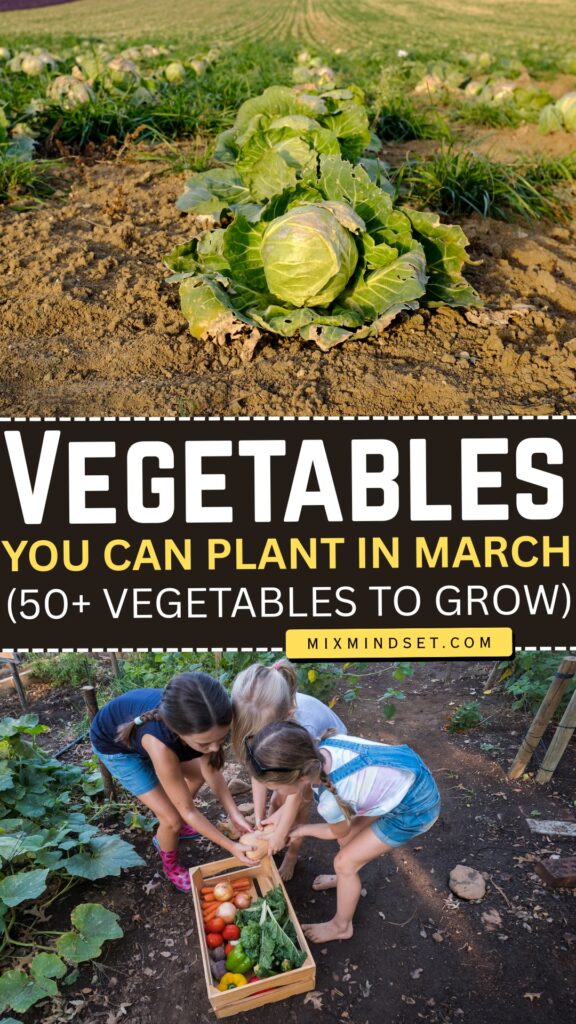
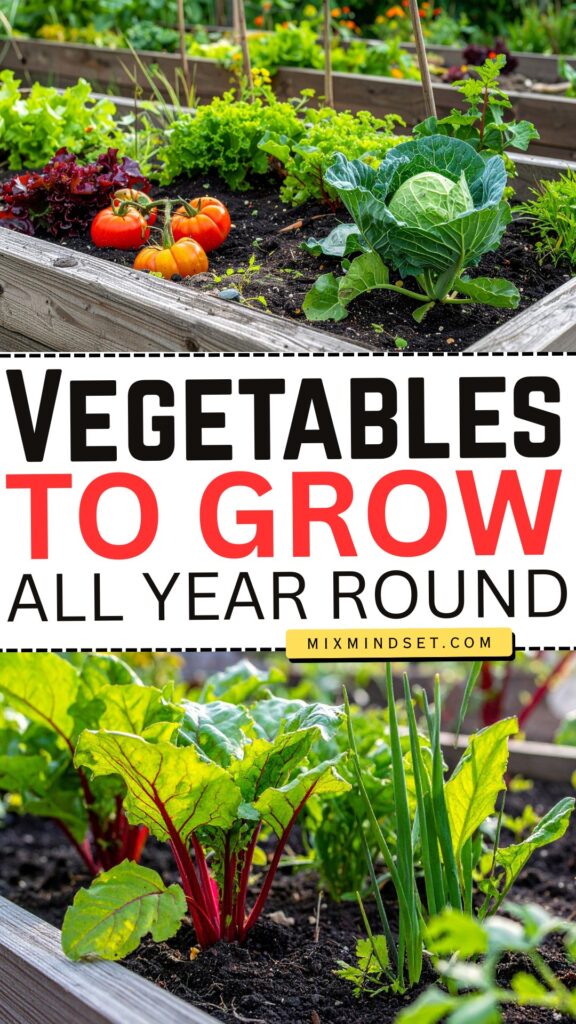
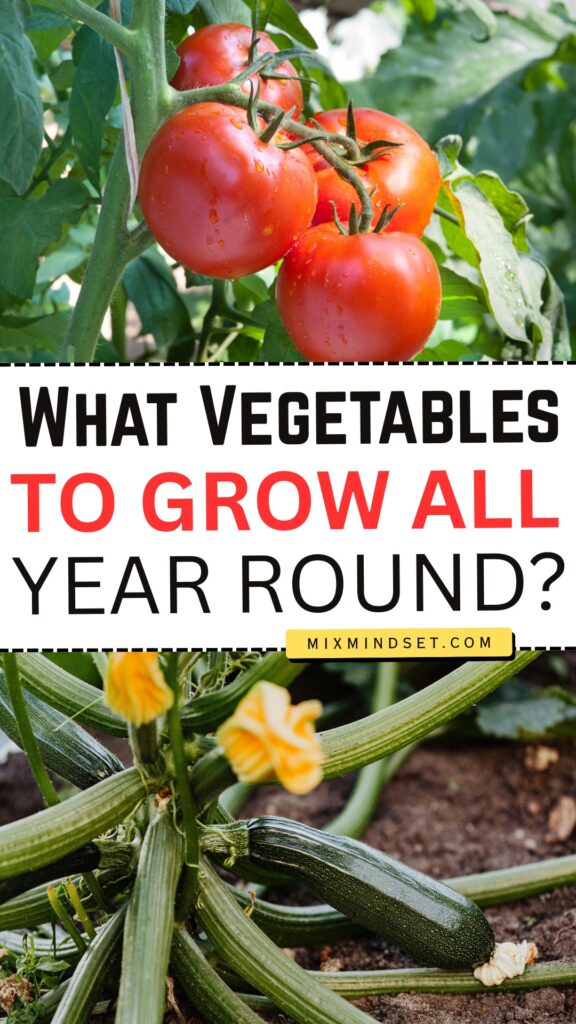
What Vegetables to Grow All Year Round
You can grow kale, spinach, carrots, radishes, lettuce, and beets all year if you use succession planting. Start new seeds every 2‑3 weeks for a continuous harvest. In hot weather, choose heat‑tolerant varieties; in cold weather, use row covers or a cold frame. These hardy veggies thrive in most climates. #allyeargardening #wintervegetables #summervegetables #growfood #vegetablegarden
Growing your own food every single month of the year sounds like a dream, but it is more real than you think. I used to think gardening was just a spring and summer thing. Then my garden would sit empty and sad for half the year.
Then I learned the secret. You just need to match the right vegetable to the right season. Some love the cold. Some love the heat. And some can grow inside your house, no matter what the weather is doing outside.
This guide will show you exactly which vegetables to plant for each season, plus a few tricks that let you grow food inside all winter long.
How to Garden All Year (The Simple Secret)
The trick is very simple. You plant different vegetables in different seasons.
Vegetables fall into two main groups:
- Cool-season vegetables: These love chilly weather. They grow best in spring and fall. Some can even survive frost and snow.
- Warm-season vegetables: These love hot weather. They grow best in summer. Cold weather will kill them.
If you only plant warm-season veggies, your garden will be empty for half the year. But if you also plant cool-season veggies, you can have food coming out of your garden for 10 or even 12 months.
My garden used to be empty from November to March. Now I am picking kale and carrots right through the winter. The change was not hard. I just learned which vegetables to plant when.
What to Plant When (A Simple Season-by-Season Guide)
Here is a quick look at what grows in each season. I will explain each one in more detail below.
| Season | What to Plant | What to Avoid |
|---|---|---|
| Spring (March–May) | Lettuce, spinach, peas, radishes, carrots, beets, kale | Tomatoes, peppers, cucumbers (too cold for them yet) |
| Summer (June–August) | Tomatoes, peppers, cucumbers, beans, squash, okra, eggplant | Lettuce, spinach (these will bolt and turn bitter in heat) |
| Fall (September–November) | Broccoli, cabbage, kale, lettuce, radishes, turnips, spinach | Warm-season crops (they cannot handle the cold nights) |
| Winter (December–February) | Kale, collards, Brussels sprouts, carrots (in mild climates), or grow indoors | Most outdoor vegetables (except a few tough ones) |
Let me break down each season so you know exactly what to plant and when.
Cool-Season Vegetables: Spring, Fall, and Winter
Cool-season vegetables are amazing. They grow when the air is cold and the ground is chilly. Some of them actually taste sweeter after a frost.
Here are the best cool-season vegetables I have grown:
| Vegetable | When to Plant | How Long to Harvest | Special Notes |
|---|---|---|---|
| Lettuce | Early spring or late summer | 30–45 days | Pick outer leaves and it keeps growing |
| Spinach | Early spring or early fall | 30–40 days | Very fast grower |
| Kale | Spring or late summer | 40–60 days | Survives frost and snow |
| Peas | As soon as soil can be worked in spring | 50–70 days | Needs a trellis to climb |
| Radishes | Spring or fall | 25–35 days | Fastest vegetable you can grow |
| Carrots | Spring or late summer | 60–75 days | Plant in loose, sandy soil |
| Beets | Spring or late summer | 50–70 days | Both roots and greens are edible |
| Broccoli | Late summer for fall harvest | 50–80 days | Loves cool weather |
| Cabbage | Late summer for fall harvest | 60–90 days | Very cold-hardy |
| Swiss Chard | Spring or late summer | 50–60 days | Keeps producing all season |
| Arugula | Spring or fall | 20–40 days | Peppery flavor, grows fast |
My Personal Experience: The first time I grew kale, I left it in the garden after a frost. I was sure it would die. But the next morning, it was still green and healthy. I picked some and ate it, and it actually tasted sweeter than before. Now kale is my go-to winter vegetable.
How Cold Can Cool-Season Veggies Take?
Different cool-season vegetables can handle different levels of cold. Here is what I have learned from my own garden and from research:
- Light frost (32°F / 0°C): Lettuce, spinach, and peas can survive a light frost, but they will die if it gets colder.
- Hard freeze (25°F / -4°C): Many cabbages, kale, collards, and some Asian greens can survive down to 15°F (-9.5°C).
- Very cold (15°F / -9°C): Kale, collards, Brussels sprouts, and some varieties of cabbage, beets, and carrots can survive.
Protecting your plants with a row cover can add about 6°F (3.3°C) of warmth, which can make a big difference. I use lightweight row covers when temperatures drop into the teens, and my kale and collards stay alive all winter.
Warm-Season Vegetables: Summer
Once the soil warms up and all danger of frost has passed, it is time for warm-season vegetables. These plants love heat. They will not grow well in cold soil, and a frost will kill them.
Here are the best warm-season vegetables:
What to Grow When It Is Extremely Hot
Some summers get so hot that even heat-loving plants struggle. When temperatures go above 90°F (32°C), many plants stop producing. But there are a few that keep going strong:
- Okra practically loves heat and thrives in hot, humid weather.
- Sweet potatoes handle heat easily, and you can also eat the greens.
- Yardlong beans (also called asparagus beans) are even more heat-loving than regular beans and prefer hot weather.
- Armenian cucumbers are technically a melon, but they grow like a cucumber and do not mind heat.
- Malabar spinach loves heat and humidity and has significantly more vitamins A and C than regular spinach.
⚠️ Important: Even heat-loving plants need more water when it is very hot. Water deeply in the morning to help them get through the hottest part of the day.
What to Grow Indoors (All Year Long)
Here is the best part. Even if you live in a place with freezing winters or scorching summers, you can still grow food inside your house. You do not need a fancy setup. A sunny windowsill is often enough.
The Easiest Indoor Vegetables
I started with a small pot of basil on my kitchen windowsill. Now I have a whole shelf of greens and herbs. Here are the easiest ones to grow inside:
| Vegetable | Light Needed | Pot Size | Time to Harvest |
|---|---|---|---|
| Lettuce (loose-leaf) | Low to medium | Small (4–6 inches) | 30–45 days |
| Spinach | Medium | Small | 30–40 days |
| Kale | Medium | Medium | 40–60 days |
| Radishes | Medium to high | Medium (6–8 inches deep) | 25–35 days |
| Carrots (short varieties) | High | Deep (8–10 inches) | 60–75 days |
| Dwarf Tomatoes | High | Large (10–12 inches) | 60–90 days |
My Personal Experience: I tried growing regular carrots indoors once. They grew, but the roots were tiny because my pot was too shallow. Then I tried “Little Finger” carrots, which are a short variety. They grew perfectly in an 8-inch deep pot. Now I always pick small or “dwarf” varieties for indoor growing.
Herbs Are the Easiest Indoor Plants
Herbs are forgiving and do well in small pots on a windowsill. You can harvest little bits often without killing the plant.
Here are the best herbs to grow indoors:
- Basil
- Mint (keep it in its own pot; it spreads)
- Parsley
- Chives
- Cilantro
- Oregano
Microgreens: The Fastest Indoor Crop
If you want something that grows so fast it feels like magic, try microgreens. These are just young vegetable seedlings harvested when they are 1–2 inches tall. You can harvest them in 7 to 14 days.
All you need is a shallow tray, some potting mix, and seeds. Sprinkle the seeds thickly, keep them moist, and in two weeks you have a handful of tiny, super-nutritious greens to put on sandwiches or salads.
Perennial Vegetables: Plant Once, Harvest for Years
Here is something most people do not know. Some vegetables come back year after year. You plant them once, and they grow again every season without you having to replant.
Perennial vegetables save you time and money. Here are the best ones for home gardens:
I planted asparagus crowns three years ago. The first two years, I did not harvest anything. I just let them grow and get strong. The third year, I finally got my first harvest. It was worth the wait. Now every spring I get fresh asparagus for weeks.
Succession Planting: How to Keep Food Coming All Season
Succession planting is a fancy term for a simple idea. Instead of planting all your seeds at once, you plant a little bit every few weeks. This way, you do not get 50 radishes all at once and then none for the rest of the season. You get a steady supply.
Here is how I do succession planting:
- Lettuce: I plant a small row every 10–14 days from early spring through late summer. This gives me fresh lettuce from spring through fall.
- Radishes: I plant a new batch every 7–10 days. Radishes grow so fast that you can plant them continuously.
- Beans: I plant new bean seeds every 2 weeks from late spring to mid-summer.
- Carrots and beets: I plant a new row every 3–4 weeks from spring through late summer.
The key is to look at the “days to maturity” on the seed packet. If a radish takes 30 days to grow, you can plant a new batch every 7–10 days and have a continuous harvest.
A Simple Example: Plant 10 radish seeds today. Plant 10 more seeds in 10 days. Plant 10 more seeds 10 days after that. By the time the first batch is done, the second batch is ready, and the third batch is growing. You never run out of radishes.
Crop Rotation: Keep Your Soil Healthy Year After Year
If you plant the same vegetable in the same spot every year, the soil gets tired. Pests and diseases build up. The plants grow smaller and weaker.
Crop rotation means moving your vegetables to different spots each season or each year. Here is the simple rule I follow:
| Year/Season | Group 1 (Roots) | Group 2 (Leaves) | Group 3 (Fruits) | Group 4 (Legumes) |
|---|---|---|---|---|
| Year 1 | Carrots, beets | Lettuce, kale | Tomatoes, peppers | Peas, beans |
| Year 2 | Potatoes, onions | Cabbage, broccoli | Squash, cucumbers | Peas, beans |
| Year 3 | Radishes, turnips | Spinach, chard | Eggplant, peppers | Peas, beans |
After three years, each bed has grown a different type of vegetable. Then you start over. This keeps the soil healthy and pests confused.
Year-Round Planting Calendar
Here is a month-by-month guide for what to plant each season. This works for most climates with four distinct seasons. If you live somewhere very hot or very cold, you may need to adjust by a few weeks.
🌱 My Personal Tip: I keep a small garden journal. I write down what I planted, when I planted it, and how it grew. The next year, I look back at my notes so I do not make the same mistakes twice. It has helped me so much.
Tools to Extend Your Growing Season
You do not need a greenhouse to grow food year-round. Here are some simple, cheap tools that help protect your plants from cold and heat:
I use row covers in the fall to keep my kale and collards growing longer. I also use shade cloth in July and August when the sun is too intense for my greens. These simple tools added about two months of growing time to my garden every year.
Common Problems and How to Fix Them
Here are the biggest challenges I have faced with year-round gardening and how I solved them.
My Year-Round Garden: A Personal Timeline
Let me show you what my actual garden looks like across an entire year. This is not theoretical. This is what I actually do.
March
I clean out my garden beds and add compost. I plant peas, lettuce, spinach, radishes, and carrots as soon as the soil is workable.
April
The spring greens are growing fast. I start tomato and pepper seeds indoors under a grow light.
May
I transplant my tomatoes and peppers outside after the last frost. I also plant beans, cucumbers, and summer squash directly in the ground.
June
Summer is in full swing. I am picking lettuce, radishes, and peas. I start planting a second round of beans and carrots.
July
The heat is strong. My lettuce and spinach have bolted, so I pull them out. I plant heat-loving okra and sweet potatoes. I also start kale and collard seeds indoors for my fall garden.
August
I transplant my kale, collards, and broccoli into the garden. I keep picking tomatoes, peppers, cucumbers, and beans.
September
The nights are getting cooler. I plant spinach, lettuce, and radishes again. These will be my fall harvest.
October
I pick the last of my summer tomatoes before the first frost. I put row covers over my kale and collards to protect them.
November
The garden looks quieter, but my kale, collards, and Brussels sprouts are still growing. They survive light frosts easily.
December
I pick kale and collards right through the winter. Indoors, I have pots of lettuce and basil on my windowsill.
January and February
I take a break from outdoor gardening, but my indoor greens keep me supplied with fresh food. I start planning my spring garden and ordering seeds.
Quick Reference Table: Best Vegetables for Each Season
| Season | Best Vegetables to Grow | What to Avoid |
|---|---|---|
| Spring | Lettuce, spinach, peas, radishes, carrots, beets, kale, Swiss chard | Tomatoes, peppers, cucumbers (too cold) |
| Summer | Tomatoes, peppers, cucumbers, beans, squash, okra, eggplant, sweet potatoes, southern peas | Lettuce, spinach, peas (they bolt in heat) |
| Fall | Broccoli, cabbage, kale, lettuce, spinach, radishes, turnips, carrots, Swiss chard | Warm-season crops (they die in frost) |
| Winter (outdoors in mild climates) | Kale, collards, Brussels sprouts, some cabbage varieties, leeks | Most other vegetables |
| Winter (indoors) | Lettuce, spinach, kale (baby), radishes, dwarf tomatoes, herbs, microgreens | Large vining plants, corn, melons |
Tips and Recommendations from My Garden
Here are the most important things I have learned after years of year-round gardening:
- Start small. Do not try to grow 20 different vegetables in your first year. Pick 4 or 5 that you actually like to eat. Get good at growing those, then add more.
- Keep a garden journal. Write down planting dates, weather conditions, and how your plants grew. Future you will thank past you when you know exactly when to plant next year.
- Use succession planting. Plant a little bit every week or two instead of all at once. This keeps food coming instead of one giant harvest that goes bad.
- Do not be afraid to fail. I have killed so many plants. It is how you learn. Every dead plant taught me something I needed to know.
- Grow what you actually eat. I love tomatoes, so I grow eight tomato plants. I am not a big fan of eggplant, so I do not grow it, even though it grows well here. Save your space for food you will use.
- Invest in a grow light for winter. Even a cheap $30 LED grow light will let you grow greens indoors all winter. It changed everything for me.
- Learn your frost dates. Find out when the last spring frost and first fall frost happen in your area. This tells you when it is safe to plant warm-season crops outside.
- Mulch everything. A 2–3 inch layer of straw or leaves on top of your soil keeps the ground cooler in summer, warmer in winter, and reduces how often you need to water.
The Bottom Line
Growing vegetables all year round is not hard. You just need to know which vegetables to plant in each season. Cool-season vegetables for spring, fall, and winter. Warm-season vegetables for summer. Indoor vegetables for when the weather outside is too extreme.
I started with just a few pots of lettuce on my porch. Now I have fresh food coming out of my garden for ten months of the year, plus indoor greens for the other two months. You can do this too.
Pick one season. Pick one vegetable from the list above. Plant it at the right time. Watch it grow. Once you see how easy it is, you will want to plant something for every season.
Your garden does not have to sleep for half the year. Neither does your dinner plate.