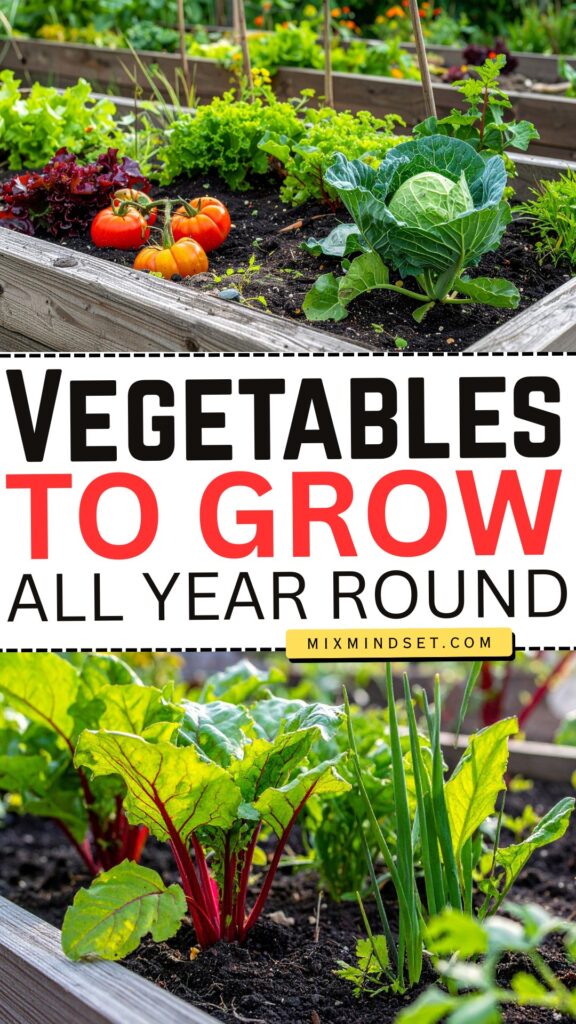
Vegetables to Grow All Year Round
Discovering which vegetables to grow all year round changed the way I use my garden completely. You do not need a greenhouse or fancy equipment to keep harvesting fresh food every season. With the right picks, year round vegetable gardening is totally possible — even in cold climates. I grow food in my backyard through all four seasons and my grocery bills show it. #YearRoundGardening #GrowYourOwnFood #VegetableGarden #BackyardGarden #HomesteadGarden
Can You Really Grow Vegetables All Year?
When I first started gardening, I thought it was a spring and summer hobby. I would dig everything up in October, cover the beds with mulch, and spend winter staring out the window waiting for April.
Then a neighbor who had been gardening for thirty years walked me through her plot in January. She had kale, spinach, carrots, leeks, and garlic all growing quietly under a simple frost cloth. I stood there in my winter coat feeling like I had been doing everything wrong.
The honest answer is yes — you absolutely can grow vegetables all year. The key is choosing the right vegetables for each season and using a few simple tricks to extend your growing window.
Why Grow Vegetables Year-Round?
There are more reasons than just saving money at the grocery store — though that part is real and adds up fast.
- Fresh vegetables taste far better than anything that sat in a truck for days
- You know exactly what went into the soil and onto your food
- Gardening through winter keeps you active and connected to your outdoor space
- Homegrown produce has more nutrients than store-bought that was harvested weeks ago
- It reduces food waste because you pick only what you need
- Kids who help grow food are far more likely to actually eat vegetables
My daughter refused to eat spinach for two full years. Then she helped me plant it, water it, and harvest it herself. She ate it straight from the garden with dirt still on her hands. Something about growing it herself made all the difference.
Understanding Your Growing Zone
Before choosing what to plant when, you need to know your USDA hardiness zone or equivalent climate zone for your country. This tells you how cold your winters get and roughly when your last and first frosts occur.
| Zone Range | Winter Temperature | What This Means for Year Round Growing |
|---|---|---|
| Zones 9–11 | Rarely freezes | Almost all vegetables grow year round with no protection |
| Zones 7–8 | Light frosts | Most cold-hardy vegetables grow through winter outdoors |
| Zones 5–6 | Moderate winters | Cold-hardy crops with some frost protection |
| Zones 3–4 | Very cold winters | Need cold frames, row covers, or indoor growing |
Even in the coldest zones, growing year round is possible — it just requires a little more creativity and a few low-cost tools.
The Best Vegetables to Grow All Year Round
Here is my honest, tested list. These are vegetables I have grown myself across different seasons and conditions.
1. Kale
Kale is the king of year round growing. It genuinely thrives in cold weather — frost actually makes it taste sweeter by converting starches into sugars. I have harvested kale in temperatures well below freezing by just brushing snow off the leaves.
Best for: All four seasons in most climates When to plant: Late summer for fall and winter harvest; early spring for summer harvest How to grow it:
- Sow seeds half an inch deep in well-drained soil
- Full sun to partial shade
- Water regularly but do not let roots sit in soggy soil
- Harvest outer leaves first and the plant keeps producing for months
I once had a kale plant that lived for almost two full years. I kept harvesting leaves from the outside and it just kept sending up new growth from the center.
2. Spinach
Spinach is a cool-season champion. It bolts (goes to seed and turns bitter) in summer heat, but it grows happily in spring and autumn and survives light frosts easily.
Best for: Spring, autumn, and mild winters When to plant: Early spring and late summer Tip: In hot climates, grow spinach in the shade of taller plants during spring to extend the harvest window
The first time I successfully overwintered spinach, I was genuinely surprised when I lifted the frost cloth in February and found perfectly healthy green leaves waiting for me. It felt like finding treasure.
3. Lettuce
Lettuce is one of the fastest vegetables you can grow — some varieties are ready to pick in as little as 30 days. It does not like extreme heat or hard freezes, but in the middle ground of spring, autumn, and mild winters it performs beautifully.
Best for: Spring, autumn, mild winter Varieties to try: ‘Winter Density’, ‘Arctic King’, ‘Rouge d’Hiver’ — all handle cold much better than standard summer varieties Tip: Cut-and-come-again harvesting (snipping outer leaves rather than pulling the whole plant) keeps one lettuce plant producing for weeks
I grow lettuce in pots on my kitchen windowsill through the coldest months. Nothing fancy — just a simple terracotta pot on the sill, and I have fresh salad leaves available in under a month.
4. Carrots
Carrots are tougher than they look. Left in the ground through winter, they actually get sweeter as the cold converts their starches to sugar. Many gardeners leave carrots in frozen ground and pull them as needed all winter long.
Best for: Spring planting for summer harvest; late summer planting for winter storage in ground How to grow:
- Need loose, deep, stone-free soil — compacted soil makes forked, stunted roots
- Sow seeds thinly directly into the ground (they do not transplant well)
- Thin seedlings to 3 inches apart once they are an inch tall
- Keep soil consistently moist until germination
My biggest carrot mistake was planting them in clay-heavy soil without improving it first. Every single carrot came out twisted and deformed. The following year I added sand and compost and grew the most perfect carrots I had ever seen.
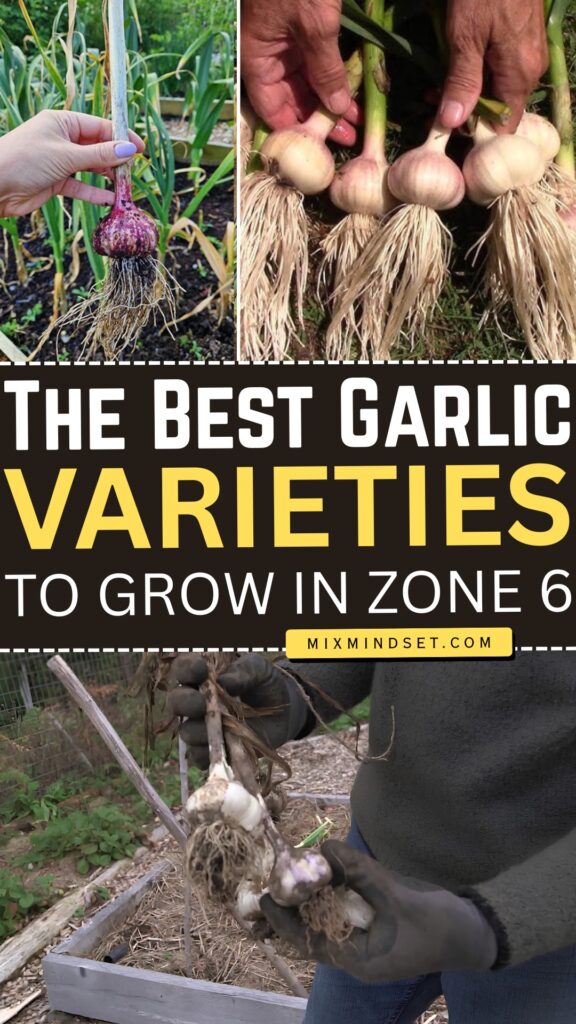
5. Garlic
Garlic is planted in autumn and harvested the following summer, making it one of the best crops for using garden space through the quieter months. It sits in the ground all winter, quietly growing roots, then shoots up in spring and is ready by early summer.
Best for: Planting October–November, harvesting June–July How to plant:
- Break a bulb into individual cloves
- Plant each clove pointy end up, 2 inches deep and 6 inches apart
- Cover with 2–3 inches of mulch
- Do nothing until spring — garlic mostly takes care of itself
Garlic is the lowest-effort crop I grow. I put it in the ground in October, forget about it all winter, and pull beautiful bulbs out in June. Every year I am a little amazed that something so simple produces such a satisfying result.
6. Chard (Swiss Chard)
Chard handles both cold and mild heat better than almost any other leafy green. It keeps producing from spring right through autumn and into winter in mild climates — sometimes for a full two years from a single planting.
Best for: Spring through winter Colors available: Red, yellow, white, and rainbow mixes — genuinely beautiful in the garden Harvest tip: Pick outer stalks and leaves; leave the center growth point alone and it will keep producing indefinitely
I planted a rainbow chard bed three seasons ago and those same plants are still feeding my family. The colors are so bright they look almost fake.
7. Green Onions (Scallions)
Green onions grow fast, take up almost no space, and can be harvested repeatedly. They tolerate light frost and can be grown indoors on a sunny windowsill in winter months.
Best for: Year round in mild climates; indoor growing in winter Quickest harvest: Some varieties ready in 3–4 weeks from seed Windowsill trick: Stand store-bought green onion roots in a glass of water on a sunny windowsill and they regrow within days
This is the trick I show every new gardener first because it works instantly and makes people believe they can grow food. Place the root ends of store-bought scallions in a glass of water, set it on a sunny sill, and watch new green shoots appear within 48 hours.
8. Radishes
Radishes are the sprinters of the vegetable garden. Many varieties go from seed to harvest in just 25–30 days. They grow in cool weather and are one of the best crops to fill gaps between slower-growing plants.
Best for: Spring and autumn; winter in mild climates Tip: Sow a small batch every two weeks for a continuous harvest rather than a big glut all at once Winter varieties: Daikon and other Asian radish types handle cold far better than small round radishes
I always tuck radish seeds into any empty patch of soil I see. By the time I have done everything else in the garden, the radishes are almost ready. They are the perfect impatient gardener’s crop.
9. Leeks
Leeks are cold-weather stalwarts. They stand in the ground through frost and snow and can be harvested across autumn and winter when almost nothing else is growing outdoors.
Best for: Autumn and winter harvest When to start: Sow indoors in late winter; transplant outside in spring; harvest from autumn onward Growing tip: Earth up the stems (pile soil around the white base as they grow) to get longer, paler, more tender stems
The year I grew leeks was the year I stopped dreading winter in the garden. Pulling fat, pale leeks from frost-hardened ground in December felt genuinely satisfying in a way that summer harvests did not quite match.
10. Peas
Peas are a cool-season crop that most gardeners only think about for spring. But sowing them in late summer gives you a second harvest in autumn before frost arrives. In mild climates, peas can even be sown in autumn for a winter or early spring harvest.
Best for: Early spring and late summer planting Varieties for cold: ‘Feltham First’ and ‘Meteor’ are both bred specifically for cold conditions Tip: Support peas with a simple trellis, netting, or twiggy branches pushed into the ground
My spring pea harvest is always the most exciting moment of the gardening year. There is nothing quite like eating peas straight from the pod, still warm from the sun, standing in the garden before dinner.
11. Broccoli
Broccoli is a heavy feeder but it rewards that effort with big, satisfying heads of produce. It grows best in cool weather and can handle moderate frost. Autumn-planted broccoli often produces better heads than summer-grown crops because the cool temperatures slow growth and develop tighter, tastier florets.
Best for: Spring and autumn; winter in mild climates Tip: After cutting the main head, leave the plant — it will produce smaller side shoots for weeks afterward Common mistake: Letting it sit too long after the head forms; once it starts to yellow or open into flowers, the flavor drops quickly
12. Beetroot
Beetroot is more cold-tolerant than most people realize. Young plants handle light frost and mature roots can stay in the ground through cold weather and be pulled as needed. Both the roots and the leaves are edible, which makes it double value from one plant.
Best for: Spring through autumn; mild winters Leaf tip: Young beetroot leaves are delicious in salads and taste similar to chard — never throw them away Sowing tip: Soak seeds in warm water for a few hours before planting to speed up germination
Seasonal Planting Guide
Here is a simple overview of what to plant and when to keep your garden producing through every month of the year:
| Season | Plant These | Harvest These |
|---|---|---|
| Spring | Peas, lettuce, spinach, radishes, beetroot, broccoli | Overwintered kale, leeks, garlic greens |
| Summer | Carrots, chard, kale, green onions | Peas, lettuce, radishes, beetroot, broccoli |
| Autumn | Garlic, kale, spinach, leeks, overwintering lettuce | Carrots, chard, beetroot, green onions, leeks |
| Winter | Indoor lettuce and green onions, peas in mild areas | Kale, leeks, winter carrots, garlic (greens) |
Simple Tools That Extend Your Growing Season
You do not need an expensive greenhouse. These low-cost tools make a big difference:
- Frost cloth / row cover — a lightweight fabric draped over plants that protects them from frost without blocking light or rain. I use this on everything through late autumn and it extends my harvest by 6–8 weeks every year.
- Cold frame — a simple bottomless box with a glass or clear plastic lid that sits over plants. Catches solar heat during the day and holds it overnight. You can build one from old windows and scrap wood for almost nothing.
- Cloche — a small individual cover, often dome-shaped, placed over single plants or small patches. Plastic bottle cloches made from cut-up two-liter bottles cost nothing and work very well for young seedlings.
- Mulch — a thick layer of straw or shredded leaves laid over the soil insulates roots and keeps soil temperature more stable through cold snaps.
My cold frame cost me exactly zero dollars. I found four old window frames at a salvage yard and nailed them into a simple box. It has been producing vegetables for three winters now.
Indoor and Windowsill Growing for Winter
When outdoor conditions are too harsh even for cold-hardy crops, bring the garden inside.
Best vegetables for indoor / windowsill growing:
- Lettuce and salad leaves — grow in any container with drainage holes; a sunny windowsill is enough
- Green onions — regrow in water or soil in a small pot
- Herbs — parsley, chives, and coriander all grow well indoors and count as genuine nutrition alongside your vegetables
- Microgreens — seeds like radish, pea shoots, and sunflower harvested as tiny seedlings; ready in 7–14 days and packed with flavor
I started growing microgreens on my kitchen counter two winters ago and now I do it all year. A tray of pea shoots takes ten days from seed to harvest and goes on everything from eggs to soup to sandwiches.
Common Year Round Growing Mistakes
- Planting summer crops too late and cold crops too early: Timing is everything. Cool-weather crops planted in the heat of summer bolt before they produce anything worth eating. Get the timing right first and everything else follows.
- Not rotating crops between seasons: Growing the same vegetable family in the same spot season after season depletes specific nutrients and builds up soil diseases. Move crops around each season as much as your space allows.
- Skipping the soil improvement between plantings: Soil that fed one crop through a whole season needs replenishing before the next. Add compost between plantings — a thick layer dug into the top few inches is enough.
- Giving up too quickly in cold weather: Plants growing in autumn and winter look slow because they are slow. But slow growth is still growth. A plant that looks like it is doing nothing for six weeks in winter is often building roots and will take off the moment temperatures tick upward.
- Forgetting to water in winter: Cold weather does not mean plants do not need water. They need less than in summer but dry soil in winter can kill overwintering crops just as effectively as a hard freeze.
Recommended Varieties for Year Round Success
These are specific varieties I have personally grown or that experienced gardeners consistently recommend for reliability:
| Vegetable | Best All-Season Variety | Why It Stands Out |
|---|---|---|
| Kale | ‘Cavolo Nero’ | Deep flavor, very cold hardy, beautiful in the garden |
| Spinach | ‘Palco F1’ | Bolt-resistant, handles cold and light heat |
| Lettuce | ‘Winter Density’ | Stays crisp even through light frost |
| Carrot | ‘Autumn King’ | Excellent cold tolerance, great for winter storage |
| Chard | ‘Bright Lights’ | Multi-colored, very productive, grows for two years |
| Leek | ‘Musselburgh’ | Classic winter leek, extremely frost-hardy |
| Radish | ‘French Breakfast’ | Fast, reliable, good in both spring and autumn |
| Garlic | ‘Softneck Albigensian Wight’ | Long storage life, reliable performer |
My Personal Recommendation
Year round vegetable gardening is not complicated. It just requires a shift in how you think about your garden — from a spring-to-summer activity into a twelve-month food source.
Start with just three crops: kale, chard, and green onions. All three grow in almost every climate, tolerate cold, produce for a long time from a single planting, and are genuinely useful in the kitchen. Once you have those three going, add garlic in October and spinach in early spring and you will have something growing in every single month of the year.
The most important advice I can give is to keep planting. Every gap in your beds is an opportunity. Every season ending is another beginning if you have seeds ready to go in. Once you get into the rhythm of it, the garden never really stops — and neither does the satisfaction of eating food you grew yourself.
Frequently Asked Questions
What is the easiest vegetable to grow all year round?
Kale and chard are the most forgiving across all seasons. Both tolerate frost, heat, drought, and neglect better than almost any other vegetable. If you grow nothing else year round, grow one of these two.
Can I grow vegetables in winter without a greenhouse?
Absolutely. Frost cloth, cold frames, and cloches make it possible to grow cold-hardy vegetables through winter in most climates. A greenhouse helps but is far from necessary.
What vegetables can grow in pots all year?
Lettuce, green onions, spinach, radishes, and herbs all do well in containers year round. Move pots indoors or to a sheltered spot during the coldest months.
How do I keep soil healthy for year round growing?
Add compost between each crop, rotate what you grow in each spot, and mulch beds that are resting. These three habits keep soil productive indefinitely.
Can I grow vegetables indoors in winter?
Yes — lettuce, green onions, microgreens, and herbs all grow happily indoors on a sunny windowsill or under a simple grow light. No outdoor space required.
Do I need to buy new seeds every season?
Not always. Many vegetables — kale, chard, leeks, carrots — are biennial or produce seed that you can save and replant. Learning basic seed saving reduces costs significantly over time.