How to Make a Greenhouse from Old Windows?
Build a beautiful, functional greenhouse using old windows for a fraction of the cost of a new kit. This guide covers everything from finding materials to framing and installing windows. #GreenhouseDIY #UpcycledGarden #RepurposedWindows #BudgetGardening #DIYGardenProjects
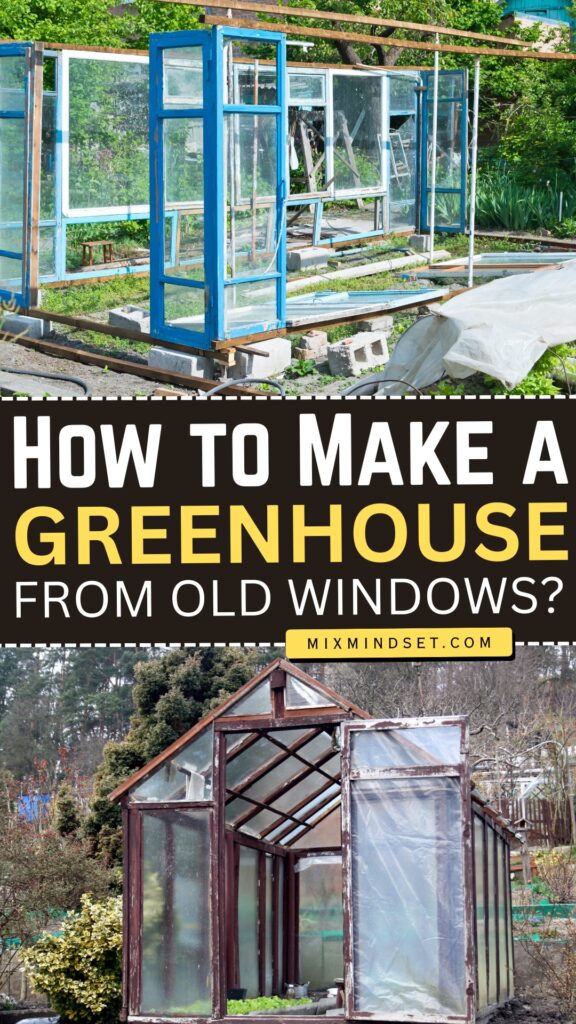
A few years ago, I saw a photo of a greenhouse made entirely from old, mismatched windows, and I was obsessed. I spent months scouring salvage yards and asking friends for their old windows. I had no real plans, just a pile of glass and a dream.
My first attempt was a bit crooked, and I definitely learned a lot along the way—mostly from my mistakes. But when it was finally finished, stepping into that little glass house felt like entering another world. It was worth every single second.
Here is how you can build your own.
Why Use Old Windows?
Using old windows is one of the smartest ways to build a greenhouse.
Step 1: Find Your Windows (The Treasure Hunt)
The first rule of building a greenhouse from old windows is simple: you find the windows first, then you make the plan. You do not buy lumber and hope the windows fit. You measure the windows and build the frame around them.
Where to Look
What to Look For
- Windows that are 32 inches or less in width are easier to work with.
- Try to find windows of similar sizes. It makes building the frame much easier.
- Check the glass. Avoid windows with large cracks or broken panes.
- Double‑pane windows are great because they insulate better.
Step 2: Clean and Repair Your Windows
Once you have a pile of windows, you need to get them ready.
What to do:
- Clean them well. Use vinegar and water to scrub off years of dirt and grime.
- Remove old caulking and paint. A putty knife and some elbow grease work well.
- Check for cracks. Use silicone sealant to fix small cracks.
- Set aside any severely damaged windows. You can use them for the lower walls or cut them down for smaller sections.
My personal experience: The first window I found was caked in about four layers of old paint. It took me an afternoon just to clean it. But once it was done, the glass was beautiful. Do not skip this step. A little cleaning goes a long way.
Step 3: Design Your Greenhouse Layout
Now comes the fun part. Lay all your windows out on the ground like a puzzle.
What to do:
- Arrange the windows into four walls. Play with different combinations until they fit together reasonably well.
- Measure the total width and height of each wall. These measurements will determine the size of your greenhouse and how much lumber you need.
- Leave a small gap of about 1/4 to 1/2 inch between each window. This gap is for the framing lumber and allows for expansion.
- Decide where the door will go. A salvaged door works great. If you do not have one, you can frame a door from lumber and glass.
- Plan for at least one window that opens for ventilation. You will need this on hot days.
Tip: Choose a south‑facing spot for your greenhouse to get the most sunlight. If you can build it against an existing wall or fence, it will be much easier (and cheaper) because you only need to build two or three sides.
Step 4: Build a Sturdy Foundation
A greenhouse needs a solid base. If the ground moves, the glass can crack.
Simple foundation options:
For most builders, a gravel floor with a wood or concrete block perimeter is the best choice.
How to prepare the site:
- Mark out the shape of your greenhouse with string and stakes.
- Dig down about 6 to 8 inches.
- Add 4 inches of gravel for drainage.
- Rake it flat and pack it down firmly.
- Lay your foundation blocks or treated wood on top.
- Make sure everything is level.
Step 5: Construct the Frame
This is where your greenhouse takes shape. Use pressure‑treated 2×4 lumber for the frame. It resists rot and lasts longer.
Step‑by‑step:
- Build the base frame. Cut 2x4s to match the size of your foundation. Assemble them into a rectangle. Use galvanized bolts or screws to secure the corners.
- Build corner posts. Use 4×4 posts at each corner. Secure them to the base frame with metal brackets.
- Add horizontal framing. Run 2x4s horizontally between the corner posts at the top and middle.
- Create window openings. Measure each window and build a frame around it. The window should fit snugly inside the frame. Leave a little room for sealant.
- Brace everything. Use diagonal braces to keep the frame from wobbling.
My personal experience: This is where I made my biggest mistake. I did not brace my frame properly, and a strong wind almost knocked the whole thing down. Now I always add diagonal braces and anchor the frame to the ground with metal stakes. Do not skip this step.
Step 6: Install the Windows
Now you get to put the glass in place.
What to do:
- Start with the largest windows on the south‑facing wall to get the most light.
- Secure the windows to the frame using exterior screws.
- Use weatherproof silicone caulk around every edge of the window frame. This seals out drafts and moisture.
- For extra hold, attach wooden battens (strips of wood) over the edges of the windows.
- Check for drafts by holding a lit incense stick near the seams on a windy day. If the smoke blows sideways, you need more caulk.
Step 7: Build the Roof
The roof is the trickiest part. You have a few options.
My advice: If you are a beginner, use polycarbonate panels for the roof. They are much lighter than glass and easier to work with. They also hold heat better and are less likely to break.
If you use glass windows on the roof:
- Make sure the roof is sloped so water and snow can run off.
- Use a very strong frame. Glass is heavy.
- Secure each window with multiple screws and plenty of caulk.
Step 8: Add Ventilation
A greenhouse can get dangerously hot on sunny days. Without ventilation, your plants will cook.
You need at least one window that opens.
My advice: I did not add enough ventilation to my first greenhouse. On a warm spring day, the temperature inside hit 110°F. I lost several seedlings. Now I have two roof vents and a door that opens. It makes a huge difference.
Step 9: Seal and Weatherproof
This is the final step before you put plants inside.
- Caulk every seam, inside and out.
- Paint or stain the wood to protect it from moisture.
- Add weather stripping around the door and any opening windows.
- For extra insulation in winter, add a layer of clear plastic on the inside.
Quick Reference Table: Materials at a Glance
My Personal Greenhouse Story
When I finally finished my greenhouse, I stood inside and just looked around. Light streamed through the mismatched glass, casting rainbows on the floor. It was not perfect. The door was a little crooked, and one window did not quite fit right. But it was mine.
That first spring, I started my tomato seeds in February. By May, I had plants that were already flowering while my neighbors were just planting theirs. I harvested tomatoes a full month earlier than anyone else. The greenhouse had paid for itself in a single season.
If I can do it, you can too. You do not need to be a master carpenter. You just need some old windows, basic tools, and a willingness to learn.
The Bottom Line
Building a greenhouse from old windows is one of the most rewarding DIY projects you can take on. It saves you money, keeps materials out of landfills, and gives you a unique space to grow your own food.
Start by collecting windows. Then measure them and build your plan around them. Lay a solid foundation, build a strong frame, and install the windows carefully. Add ventilation and seal everything well.
It will take time. It will take patience. But when you step into your greenhouse on a cold winter morning and see your plants thriving, you will know it was worth it.
Your greenhouse is waiting. Go find some windows and start building.