How to Remove a Water Stain on Granite?
The best way to remove a water stain from granite is using a baking soda paste. For deeper marks, try a baking soda and hydrogen peroxide paste, or a poultice that sits overnight. Always avoid vinegar, bleach, and harsh scrubbers since acidic products can permanently damage the surface. #GraniteCare #RemoveWaterStains #NaturalStone #CountertopCleaning #HomeMaintenance
Granite countertops look beautiful, but they can show water rings and hard water spots. I have dealt with these stains many times in my own kitchen. The good news is that you can fix most water stains yourself with simple things from your kitchen cabinet.
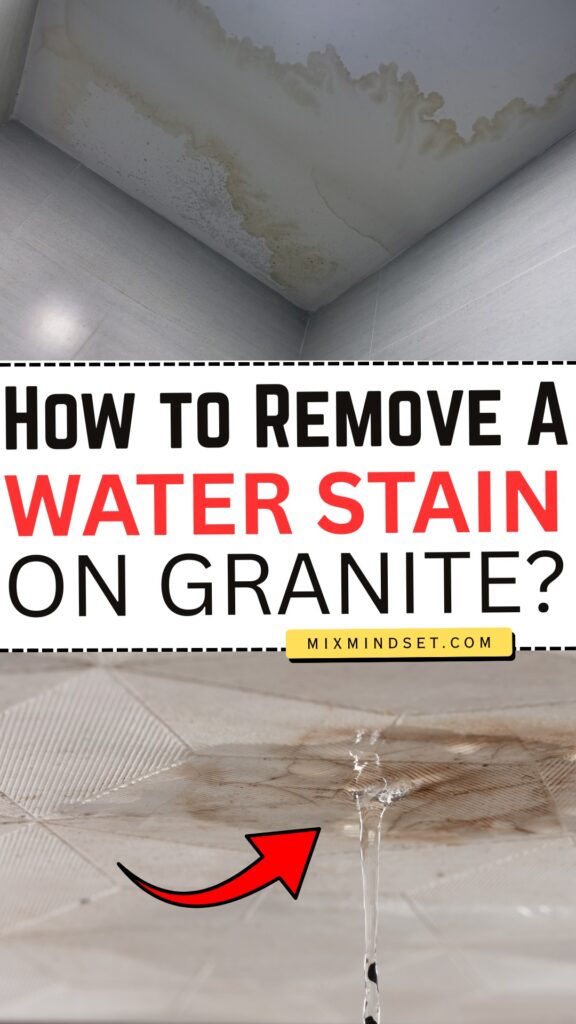
This guide will show you exactly how to remove water stains from granite. I will use plain words. You do not need fancy products or special skills.
First, What Kind of Stain Do You Have?
Not every mark on granite is a real stain. Some marks are actually etching, which is different. Before you start cleaning, you need to know what you are looking at.
Two Common Types of Marks on Granite
| Type | What It Looks Like | What Causes It | Can You Fix It? |
|---|---|---|---|
| Water stain / Hard water stain | White, cloudy, or ring-shaped mark on the surface | Minerals in water left behind after the water dries. Or a wet glass sitting on the counter. | Yes. You can remove most water stains yourself. |
| Etching | White or dull spot that feels rough to the touch. The surface looks eaten away. | Acidic liquids like vinegar, lemon juice, wine, or soda. These chemicals burn the stone. | Usually needs a professional to fix. |
I once tried to scrub an etch mark because I thought it was a water stain. I made it worse. The acid had already damaged the stone. So if your mark feels rough or looks like a faded spot, call a stone professional. Do not scrub it.
What You Should NEVER Use on Granite
Many common cleaners will ruin your granite. I learned this after a friend used vinegar on her countertops and they never looked the same.
Dangerous Items to Avoid
| Avoid These | Why They Are Bad |
|---|---|
| Vinegar | Acidic. Etches the stone. Can dissolve the sealant. |
| Lemon juice or citrus cleaners | Acidic. Causes dull spots and permanent damage. |
| Bleach | Destroys the protective sealant over time. |
| Ammonia | Too harsh. Strips the sealant and dulls the finish. |
| Abrasive scrubbers or steel wool | Scratching the surface. Makes it look worn. |
| Magic erasers | Too rough. They act like fine sandpaper on granite. |
My Personal Experience: I once used a scrub sponge on a water ring out of frustration. The ring came off, but the counter looked dull in that spot. The scrub pad had removed the shine. Now I only use soft microfiber cloths.
For everyday cleaning, use only mild dish soap, warm water, and a soft cloth.
Quick Test: Is Your Granite Sealed?
Before you clean a stain, check if your granite has a sealant. A good seal helps prevent stains from sinking in.
How to test:
- Put a few drops of water on a hidden spot of your counter.
- Wait 10 to 15 minutes.
- Wipe up the water.
- If the water beads up → Your granite is sealed well.
- If the water soaks in and leaves a dark mark → Your seal is weak or gone. You need to seal your granite.
Sealing your granite every 1 to 2 years helps stop water stains from forming in the first place.
How to Remove a Light Water Ring (Baking Soda Paste)
This is the method I use most often. It works for small rings left by a wet glass or coffee mug.
What You Need
| Item | Amount |
|---|---|
| Baking soda | 2 to 3 tablespoons |
| Water (or distilled water) | 1 tablespoon |
| Soft cloth or microfiber towel | 1 |
| Plastic wrap (for stubborn rings) | 1 sheet |
Step-by-Step
Step 1: Clean the area first. Mix a drop of dish soap with warm water. Wipe the stained spot. Rinse with a clean wet cloth. Dry the area.
Step 2: In a small bowl, mix 2 to 3 tablespoons of baking soda with 1 tablespoon of water. Stir until you get a thick paste. It should look like toothpaste or pancake batter.
Step 3: Apply the paste to the water ring. Spread it about 1/4 inch thick.
Step 4: Gently rub the paste into the stain in small circles. Let the paste sit for 5 to 10 minutes. For stubborn rings, cover the paste with plastic wrap and leave it for 24 to 48 hours.
Step 5: Wipe away the paste with a damp soft cloth. Rinse with clean water.
Step 6: Dry the area with a clean microfiber cloth.
If the ring is still there, move to the next method.
How to Remove a Stubborn Water Stain (Baking Soda + Hydrogen Peroxide)
For water marks that have been there for a long time, or hard water stains around your faucet, this stronger paste works better.
What You Need
| Item | Amount |
|---|---|
| Baking soda | ½ cup |
| 3% hydrogen peroxide | Enough to make a paste |
| Small bowl and spoon | 1 each |
| Plastic wrap | 1 sheet |
| Tape (painters tape) | To hold the wrap |
Step-by-Step
Step 1: Clean the stained area with dish soap and water. Rinse and dry.
Step 2: In a bowl, mix baking soda with hydrogen peroxide. Add the peroxide slowly while stirring. Keep going until you have a thick, creamy paste. It should be spreadable but not runny.
Step 3: Spread the paste over the water stain. Make it about 1/4 to 1/2 inch thick. Cover the stain completely and go about 1 inch beyond the edges.
Step 4: Cover the paste with plastic wrap. Tape down the edges of the wrap so air cannot get in.
Step 5: Let the paste sit for 24 hours. This gives the paste time to pull the stain out of the stone.
Step 6: Remove the plastic wrap. Wipe away the dried paste with a damp cloth. You may need a plastic scraper for hard chunks.
Step 7: Rinse with clean water and dry with a soft cloth.
Important: Be careful with hydrogen peroxide. If your granite is not sealed well, peroxide can lighten the color of the stone or damage the sealant over time.
How to Make a Poultice for Deep Stains (Plaster of Paris)
A poultice is a thick paste that you leave on a stain for a long time. It slowly pulls the stain out of the stone. This works well for oil stains, but also for old water stains that have soaked deep into the granite.
What You Need
| Item | Amount |
|---|---|
| Plaster of Paris | 1 cup |
| Water or acetone | Enough to make a paste |
| Plastic wrap | 1 sheet |
| Tape | 1 roll |
Step-by-Step
Step 1: Clean the area thoroughly with soap and water. Rinse and dry.
Step 2: Mix plaster of Paris with water until you have a thick paste. It should be the consistency of peanut butter.
Step 3: Spread the paste over the stain. Make it at least 1/2 inch thick. Overlap the stain by at least 1 inch on all sides.
Step 4: Cover the paste with plastic wrap. Tape down the edges tightly so no air gets in.
Step 5: Let the poultice sit for 24 hours or longer.
Step 6: Remove the plastic wrap. Wipe away the dried paste with a damp cloth. The stain should be lighter or gone.
Step 7: If the stain is still there, repeat the process.
Personal Experience: I used this method on an old white granite counter that had a dark water mark near the sink. After one 24‑hour treatment, the stain was gone. I was shocked at how well it worked.
Quick Reference: Which Method Should You Use?
| Situation | Best Method | Wait Time |
|---|---|---|
| Fresh water ring from a glass | Baking soda paste, wipe off after 5‑10 minutes | Minutes |
| Light hard water stain | Baking soda paste with plastic wrap | 1‑2 hours |
| Stubborn water stain | Baking soda + hydrogen peroxide paste | 24 hours |
| Old, deep stain | Plaster of Paris poultice | 24 hours or more |
How to Prevent Water Stains on Granite
Stopping stains before they start is much easier than removing them.
My Simple Prevention Routine
| Action | Why It Helps |
|---|---|
| Use coasters under all glasses | Stops condensation from sitting on the stone. |
| Wipe up spills right away | Water and other liquids cannot sit and soak in. |
| Dry your counter after cleaning | Prevents water from standing on the surface. |
| Seal your granite every 1‑2 years | A good sealant fills the pores so liquids cannot get in. |
| Use a trivet under hot pans | Heat can weaken the sealant over time. |
How Often to Seal Your Granite
Test your granite once a year. Put a few drops of water in a hidden corner. If the water soaks in and leaves a dark mark, it is time to seal again. This usually happens every 1 to 2 years for most countertops.
My Granite Cleaning Kit
Here is what I keep under my sink for granite care.
| Item | Use |
|---|---|
| Microfiber cloths | For daily cleaning and drying |
| Dish soap (mild) | Mixed with water for everyday cleaning |
| Baking soda | For making cleaning pastes |
| 3% hydrogen peroxide | For stubborn water stains |
| Plastic wrap and tape | For covering pastes and poultices |
| Granite sealer | Applied every 1‑2 years |
| pH‑neutral stone cleaner (optional) | For regular use, safe for granite |
Quick Checklist for You
Every day after cooking:
- Wipe counters with warm water and a drop of dish soap.
- Rinse with clean water.
- Dry with a soft microfiber cloth.
When you see a water ring:
- Try the baking soda paste first.
- If it does not work, use the hydrogen peroxide paste overnight.
- If the stain is still there, make a plaster poultice.
Once a year:
- Test your seal by putting a few drops of water on the counter.
- If the water soaks in, reseal the granite.
The Bottom Line
Water stains on granite are frustrating, but they are not permanent. You can remove them yourself with baking soda, a little patience, and sometimes hydrogen peroxide.
I have used these methods on my own counters for years. The baking soda paste works for most light rings. The hydrogen peroxide paste handles the tougher stains. And the plaster poultice is my secret weapon for old, deep marks.
Your granite countertop is tough, but it needs gentle care. Keep acidic cleaners away. Clean up spills quickly. And seal it once a year. Your counters will stay beautiful for a long time.