How to Grow Potatoes in Containers?
Grow fresh, homegrown potatoes even without a garden. This guide covers everything from choosing the right container and soil to planting, hilling, and harvesting for a big yield in small spaces. #ContainerGardening #GrowPotatoes #DIYGarden #SmallSpaceGardening #HomegrownFood
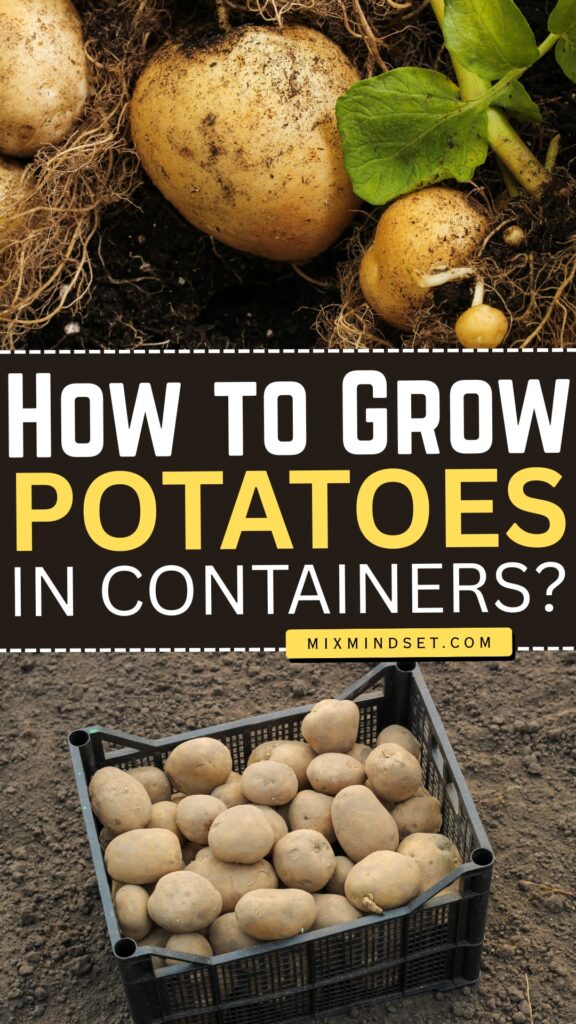
A few years ago, I was convinced I needed a big backyard to grow potatoes. Then I tried growing them in a simple fabric bag on my apartment balcony.
The first time I dumped out that bag and saw a pile of beautiful, homegrown potatoes, I was hooked. It felt like magic. You can do this too.
Why Grow Potatoes in Containers?
Growing potatoes in containers is perfect for small spaces.
What You Will Need
Step 1: Choose the Right Container
The most common mistake is using a container that is too small.
Container size guide:
The minimum is a 10- to 15-gallon container, at least 14 inches deep.
Container options:
- Fabric grow bags: Excellent drainage and air flow.
- Large plastic pots: Good, but check for drainage holes.
- Plastic trash cans: Wheeled ones are easy to move and dump at harvest.
- Whiskey barrels: Large and attractive.
Important: Choose a light-colored container if you live in a warm climate. Dark containers absorb heat and can cook your potatoes. Make sure your container has drainage holes.
Step 2: Pick the Best Potato Variety for Containers
Some potatoes grow better in containers than others.
There are two main types:
Best varieties for containers:
My advice: Start with Yukon Gold. It is forgiving, tastes great, and grows well in containers.
Step 3: Prepare Your Seed Potatoes
Seed potatoes are small potatoes grown specifically for planting.
What to do:
- Check for eyes: Eyes are the little dimples where shoots will grow. Each piece you plant needs at least 2 eyes.
- Cut the potatoes: If your seed potatoes are large (the size of an egg or bigger), cut them into pieces about the size of a lime. Each piece should have at least 2 eyes.
- Let them dry (cure): Lay the cut pieces cut-side up in a dry, shaded spot for 24 to 48 hours before planting. This allows a protective “scab” to form, which prevents rotting in the soil. This is crucial. Do not skip this step.
My personal experience: The first time I grew potatoes, I planted them right after cutting them. They rotted in the soil before they could sprout. Now I always let them dry for two days first.
Step 4: Plant Your Potatoes
When to plant:
- For a summer harvest: Plant in spring, 2 to 4 weeks before your area’s last frost date.
- For a fall harvest: Plant in mid to late summer, 2 to 3 months before the first frost.
How to plant step-by-step:
- Fill the container about one-third full with your potting mix. Mix in a handful of fertilizer.
- Place your seed potatoes on top of the soil with the eyes facing up.
- Cover them with 3 to 4 inches of soil.
- Water gently until the soil is evenly moist.
- Place the container in a sunny spot that gets at least 6 to 8 hours of sun per day.
Step 5: Watering
Consistent watering is critical for potatoes.
How to water:
- Keep the soil evenly moist but not soggy.
- Water more often in hot weather. Containers dry out faster than garden soil.
- Check the soil daily by sticking your finger about an inch deep. If it feels dry, water.
- Water at the soil level to avoid wetting the leaves (which can lead to disease).
Step 6: Hilling (The Secret to More Potatoes)
Hilling is the process of adding more soil around the stems as they grow. This encourages the plant to produce more potatoes along the buried stems.
How to hill:
- Wait until the stems are about 6 to 8 inches tall.
- Add 3 to 4 inches of soil around the stems, burying about one-third of the plant.
- Repeat this process two to three times, every 2 to 3 weeks, until the soil reaches the top of the container.
Hilling guide:
| Plant Height | Action |
|---|---|
| First emerges | Let it grow. |
| 6-8 inches tall | Add 3-4 inches of soil. |
| Grows another 6 inches | Add more soil. |
| Container is full | Stop hilling. Let the plant flower and grow. |
My personal experience: I forgot to hill my potatoes one year. I ended up with a handful of tiny potatoes at the bottom of the bag. The next year, I hilled consistently and got three times as many potatoes. Hilling is not optional—it is essential.
Step 7: Fertilizing
Potatoes are heavy feeders. They need nutrients to produce a good crop.
Fertilizing schedule:
Step 8: Harvesting
When to harvest:
- For “new” or “baby” potatoes: Harvest about 2 to 3 weeks after the plant flowers. These are small and tender.
- For full-sized, mature potatoes: Wait until the leaves and stems turn yellow and die back. This usually happens 70 to 120 days after planting.
How to harvest:
- Stop watering about a week before you plan to harvest. This helps the skins firm up.
- Tip the container over onto a tarp or piece of cardboard.
- Gently sift through the soil with your hands to find all the potatoes.
Quick Reference Table
Common Problems and How to Fix Them
The Bottom Line
Growing potatoes in containers is one of the most satisfying gardening projects you can try. You do not need a big backyard. You just need a large container, good soil, and a little patience.
I started with one grow bag on my balcony. Now I grow enough potatoes to last through winter. The taste of a freshly harvested potato is unlike anything from the store. It is worth every bit of effort.
Pick a container, grab some seed potatoes, and give it a try. You will be amazed at what you can grow.