How to Plant Garlic in Spring?
Plant garlic in spring for a late summer harvest. This guide covers timing, soil prep, planting depth, and care tips to get the most from your spring-planted bulbs. #GrowGarlic #SpringPlanting #VegetableGardening #DIYGarden #HomegrownFood
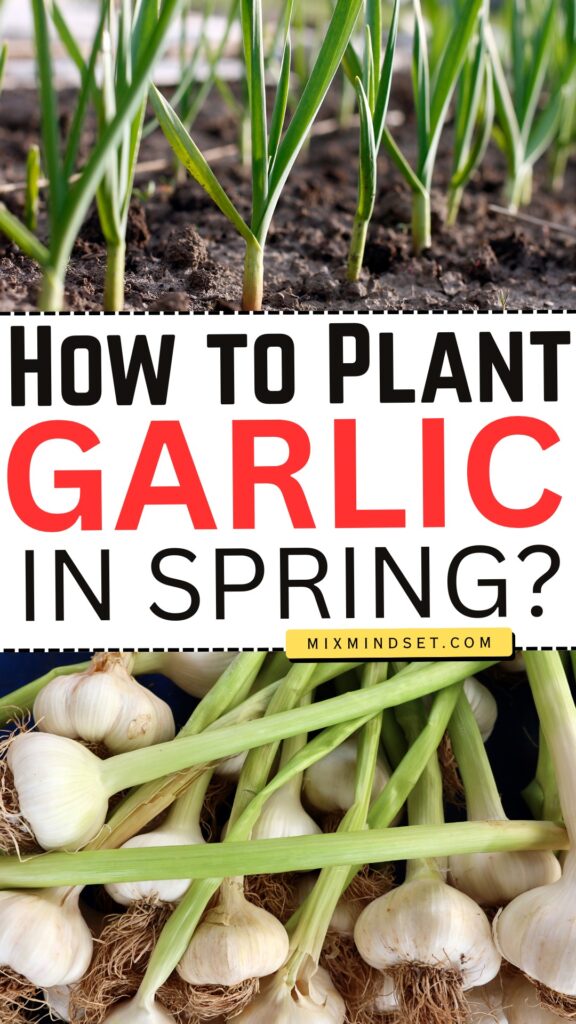
I used to think garlic had to go in the ground in autumn. I missed the fall window one year, and I figured I had lost my chance. A neighbor told me I could still plant in spring, so I gave it a try.
The bulbs were smaller than my fall-planted garlic, but they were still tasty and worth the effort. Now I know that spring planting is a great backup plan.
Can You Really Plant Garlic in Spring?
Yes. Garlic is usually planted in fall because it needs a cold period to grow big bulbs. But you can plant in spring and still get a harvest.
The honest truth about spring planting:
| What to Expect | Details |
|---|---|
| Smaller bulbs | Spring-planted garlic produces smaller bulbs than fall-planted garlic. |
| Later harvest | Harvest in late summer or early fall instead of July. |
| Still tasty | The flavor is just as good, even if the bulbs are smaller. |
| Best as a backup | Fall planting is better, but spring planting works when you miss the window. |
The key is to plant as early as possible in spring so the garlic has enough time to grow before the weather gets too hot.
Choosing the Right Garlic for Spring Planting
Not all garlic varieties are good for spring planting.
Two main types of garlic:
| Type | Best For | Spring Planting? |
|---|---|---|
| Softneck garlic | Milder climates, matures faster | Best choice for spring planting |
| Hardneck garlic | Colder climates, produces scapes | Can work, but needs extra cold treatment |
Recommended spring-planting varieties:
- ‘Solent Wight’ – A reliable softneck that handles variable weather
- ‘Carcassonne Wight’ – Can be planted in spring or autumn
- ‘Picardy Wight’ – Coping well with cooler, wetter conditions
- ‘Elephant Garlic’ – Produces large, mild bulbs
- ‘Mersley Wight’ – Vigorous grower with large bulbs
If you are not sure what variety you have, just plant what you can find. Most grocery store garlic will sprout and grow, though it may not produce the biggest bulbs.
Step 1: When to Plant in Spring
Timing is important. You want to plant as early as possible so the garlic has a long growing season.
The simple rule: Plant as soon as the soil is workable in spring. This means the ground is thawed and not too wet to dig.
Timing guide by region:
| Region | When to Plant |
|---|---|
| Cold climates | Late March to mid-April |
| Temperate climates | Late April to early May |
| Mild climates | February to March |
Garlic needs soil temperatures of at least 40°F (4°C) to grow. If you plant too early in frozen ground, the cloves will rot. If you plant too late, the bulbs will not have time to mature.
Step 2: Prepare the Soil
Garlic grows best in loose, well-drained soil with lots of organic matter.
What garlic needs:
| Factor | Ideal Condition |
|---|---|
| Sunlight | 6 to 8 hours of full sun per day |
| Soil pH | 6.0 to 7.0 |
| Soil type | Light, well-drained soil |
| Soil prep | Mix in compost or well-rotted manure |
How to prepare the soil:
- Clear the area of weeds and rocks.
- Loosen the soil with a garden fork or tiller to at least 6 inches deep.
- Mix in compost or aged manure to add nutrients and improve drainage.
- Avoid planting where onions, garlic, or other alliums grew recently. This reduces the risk of disease.
Step 3: Plant the Cloves
Garlic grows from individual cloves, not from the whole bulb.
Step-by-step planting:
Step 1: Break apart the bulb. Carefully separate the bulb into individual cloves. Keep the papery skins intact. Do not peel the cloves.
Step 2: Sort the cloves. Plant only the largest, healthiest cloves. Small cloves produce small bulbs. Use the smallest ones for cooking.
Step 3: Plant pointy side up. Each clove has a flat bottom (where the roots grow) and a pointed top (where the shoot will emerge). Plant with the pointed end facing up.
Step 4: Plant at the right depth. Plant cloves about 1 to 2 inches deep. In heavier soils, plant slightly shallower.
Step 5: Space them properly. Space cloves 4 to 6 inches apart. Space rows 12 to 15 inches apart.
Step 6: Water well. Water the soil gently after planting to settle the soil around the cloves.
Step 4: Care for Your Growing Garlic
Spring-planted garlic needs consistent care to make up for the shorter growing season.
Watering
Garlic needs consistent moisture, especially during bulb formation.
Watering rules:
- Keep the soil evenly moist but not waterlogged.
- Water deeply once a week if there is no rain.
- Stop watering about 2 weeks before harvest to let the bulbs dry.
Fertilizing
Spring-planted garlic benefits from extra feeding.
Feeding schedule:
- Mix compost into the soil before planting.
- Apply a balanced fertilizer or liquid feed every 2 weeks during active growth.
- Add a side dressing of fertilizer in spring to promote strong growth.
Mulching
A light layer of mulch helps retain moisture and keep the soil cool.
What to do:
- In early spring, move mulch away from the garlic to let shoots emerge.
- Once shoots appear, mulch between rows to retain moisture and suppress weeds.
Removing Scapes (For Hardneck Garlic)
Hardneck garlic produces flower stalks called scapes.
What to do:
- Cut off the scapes as soon as they curl.
- This directs the plant’s energy into growing bigger bulbs instead of flowers.
Step 5: Harvest Your Garlic
Spring-planted garlic is usually ready to harvest in late summer or early fall.
When to harvest:
| Sign | What to Look For |
|---|---|
| Lower leaves turn yellow | The bottom 3 to 4 leaves will turn brown and dry. |
| Tops fall over | The stalks will flop over when the bulbs are mature. |
| Bulb size | Gently dig around a bulb to check its size. |
How to harvest:
- Use a garden fork or trowel to gently loosen the soil around the bulb.
- Pull the garlic out by the stem.
- Do not wash the bulbs—dirt can be brushed off later.
Step 6: Cure and Store Your Garlic
Curing is the process of drying garlic so it stores well.
How to cure:
- Leave the stems and roots attached.
- Hang the garlic in bundles or lay it flat on a screen in a warm, dry, well-ventilated area.
- Keep out of direct sunlight.
- Cure for 2 to 3 weeks until the skins are papery and the roots are dry.
How to store:
- Cut off the stems about 1 inch above the bulb.
- Trim the roots.
- Store in a cool, dry, dark place with good air circulation.
- Do not refrigerate—it can cause sprouting.
Quick Reference Table
| Step | What to Do | Why |
|---|---|---|
| When to plant | As soon as soil is workable, late March to early May | Gives garlic time to mature |
| Soil prep | Mix in compost, ensure good drainage | Prevents rot, provides nutrients |
| Planting depth | 1 to 2 inches deep | Protects cloves, allows roots to develop |
| Spacing | 4 to 6 inches apart, 12-15 inches between rows | Prevents overcrowding |
| Watering | Keep soil moist, stop 2 weeks before harvest | Prevents stress and rot |
| Fertilizing | Balanced feed every 2 weeks during growth | Boosts bulb size |
| Harvest | When lower leaves turn yellow and tops fall over | Bulbs are mature |
| Curing | Dry in warm, ventilated spot for 2-3 weeks | Prepares bulbs for storage |
Common Problems and How to Fix Them
| Problem | Likely Cause | How to Fix It |
|---|---|---|
| Small bulbs | Planted too late, or not enough cold exposure | Plant earlier next time. Consider chilling cloves before planting. |
| Rotting cloves | Overwatering or poor drainage | Improve drainage. Water less. |
| Yellow leaves | Overwatering or nutrient deficiency | Check soil moisture. Apply fertilizer. |
| No bulb formation | Not enough cold period or planted too late | Garlic needs cold to form bulbs. Plant earlier next spring. |
| Pests (onion maggots, thrips) | Insects attacking the plant | Remove affected plants. Use row covers. |
My Personal Spring Garlic Experience
I missed the fall planting window one year, so I planted garlic in mid-April. The bulbs were smaller than my fall-planted garlic, but they still tasted great. I harvested them in early September. The cloves were easy to peel and had a strong, fresh flavor. It was not a huge harvest, but it was better than no garlic at all. Now I always plant some garlic in spring as a backup.
The Bottom Line
You can plant garlic in spring. It will not give you the huge bulbs of fall planting, but it will give you fresh, homegrown garlic. Plant as early as possible. Choose softneck varieties if you can. Give the plants plenty of sun, water, and food. Harvest when the leaves turn yellow. Cure and store properly.
Spring planting is a great way to grow garlic when you miss the fall window. It is also a good option if you live in a cold climate where fall-planted garlic might not survive the winter.
Try it this spring. The taste of homegrown garlic is worth the effort.