How to Grow Potatoes in Old Tires?
Grow potatoes in old tires using a simple stacking method that saves space and makes harvesting easy. This guide covers everything from choosing seed potatoes to harvesting. #GrowPotatoes #DIYGarden #ContainerGardening #Homesteading #UrbanGardening
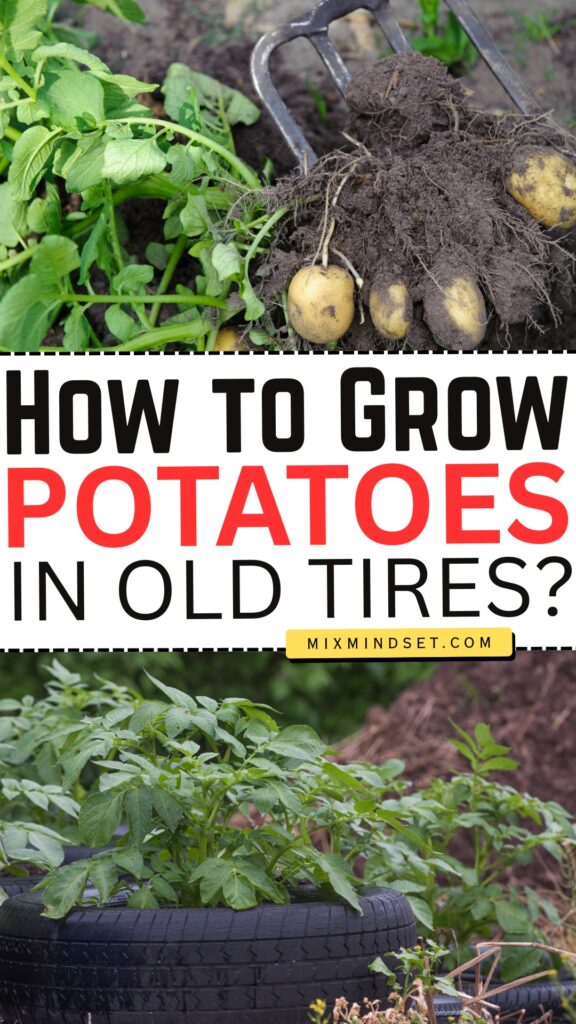
The first time I heard about growing potatoes in old tires, I thought it was a joke. But after a season of wrestling with potato bugs and back-breaking digging, I was ready to try anything.
I was shocked at how well it worked. The tires warmed the soil, making the potatoes grow faster, and the stacking method meant I got a huge harvest from a tiny patch of ground. Here is exactly how to do it.
Why Grow Potatoes in Tires?
Growing potatoes in tires is a clever way to get a big harvest from a small space. Instead of spreading out, you build up. The tire tower method creates a vertical column of soil that encourages the plant to produce potatoes all the way up the buried stem.
Here is why gardeners love this method:
- Space efficiency: Perfect for patios, driveways, and small yards.
- Easy harvesting: Simply remove the tires and collect your potatoes without heavy digging.
- Recycling: You are giving old tires a second life in the garden.
- Improved drainage: Tires allow excess water to escape more easily than heavy clay soil.
- Warmer soil: The black rubber absorbs heat from the sun, giving your potatoes a head start.
First, A Word on Safety
You might wonder if chemicals from the tires can leach into your potatoes. The good news is that studies have shown the risk is very low. Heavy metals in tires are much less soluble in the high pH of most garden soils, and plants are unable to absorb them and move them into the edible parts of the plant. For extra peace of mind, you can place a liner (like landscape fabric) between the soil and the tire, but many gardeners skip this step without issue.
What You Will Need
| Item | Purpose |
|---|---|
| 3 to 5 old car tires | One for the base, plus extras for stacking |
| Seed potatoes | Certified seed potatoes from a garden center, not grocery store potatoes |
| High-quality garden soil or compost | Loose, well-draining soil mixed with compost |
| Cardboard or landscape fabric | To place under the bottom tire and suppress weeds |
| Sharp knife or garden shears | For cutting the sidewalls of the tires (optional) |
| Watering can or hose | For consistent watering |
| Work gloves | To protect your hands |
Step-by-Step Guide
Step 1: Choose the Right Location
Pick a sunny spot that gets at least 6 to 8 hours of direct sunlight per day. Potatoes love warmth and full sun. Place the first tire directly on the ground or on top of soil or grass.
Pro tip: If you are placing the tire on grass, lay down a piece of cardboard or landscape fabric underneath it first. This will smother the grass and prevent weeds from growing up through your potato tower.
Step 2: Prepare the Seed Potatoes
Use certified seed potatoes for the best results. Cut larger seed potatoes into chunks, making sure each piece has at least two eyes (the little dimples where sprouts will grow).
Important: After cutting, let the pieces sit in a cool, dry place for a day or two before planting. This allows the cut surfaces to dry and form a protective “scab,” which helps prevent rotting.
Step 3: Plant the First Layer
Place the first tire flat on the ground. Fill the tire with good-quality garden soil mixed with compost. Plant your seed potatoes in a circle around the tire, spacing them evenly.
Planting depth and spacing:
- Plant the seed potatoes about 2 to 3 inches deep.
- Space them about 4 to 6 inches apart in a circular pattern.
- Place the seed potatoes with the “eyes” (sprouts) facing up.
Cover the seed potatoes with a few inches of soil and water lightly.
Step 4: Add Tires and Soil as the Plant Grows
This is the magic of the tire method. As the potato plant grows, you will add more tires and soil, burying the stem.
- First growth: Wait until the potato sprouts are about 6 to 12 inches tall.
- Add a tire: Place a second tire on top of the first one.
- Add soil: Fill the second tire with soil or compost, covering the stems. Leave only the top 2 to 3 inches of the plant sticking out.
- Repeat: Continue this process every time the plant grows another 6 to 8 inches. You can stack up to 3 to 6 tires total.
Why this works: Potatoes grow along the buried stem. By adding soil as the plant grows, you are encouraging the plant to produce more potatoes at each level.
Step 5: Watering and Care
Consistent moisture is key to a good harvest. Water deeply and regularly, especially during hot, dry weather. The soil should feel moist but not soggy.
Watering tips:
- Water at the base of the plant, not on the leaves, to reduce the risk of disease.
- Check the soil regularly. Tires can heat up quickly and dry out faster than ground soil.
- A layer of straw mulch on top helps retain moisture and regulate temperature.
Step 6: Harvesting
Harvest day is the most satisfying part. When the foliage turns yellow and begins to die back, your potatoes are ready.
How to harvest:
- Instead of digging, simply lift off each tire layer one by one.
- Gently remove the soil and collect your potatoes.
- This method reduces accidental damage to the potatoes and makes harvesting manageable—even for beginners.
Quick Reference Table
| Stage | What to Do | Why |
|---|---|---|
| Location | Choose a sunny spot with 6-8 hours of direct sun | Potatoes need warmth and light to grow well |
| First Tire | Place tire on cardboard to suppress weeds. Fill with soil and plant seed potatoes 2-3 inches deep | Creates a clean, weed-free base for the tower |
| Second Tire | When sprouts are 6-12 inches tall, add a second tire and fill with soil, burying the stems | Encourages more potatoes to form along the buried stem |
| Repeat | Continue adding tires and soil as the plant grows. Stack up to 3-6 tires total | Maximizes vertical growing space and potato production |
| Watering | Water deeply and regularly, keeping soil moist but not soggy | Potatoes need consistent moisture for good tuber development |
| Harvest | When foliage dies back, lift off each tire layer and collect potatoes | Easy, no-dig harvesting that prevents damage to potatoes |
Important Tips to Remember
| Do | Don’t |
|---|---|
| ✅ Use certified seed potatoes for best results | ❌ Use grocery store potatoes (they may carry diseases) |
| ✅ Let cut potatoes dry for a day before planting | ❌ Plant cut potatoes immediately (they can rot) |
| ✅ Use well-draining soil mixed with compost | ❌ Use heavy clay soil that holds too much water |
| ✅ Water deeply and consistently | ❌ Let the soil dry out completely |
| ✅ Place the bottom tire on cardboard to suppress weeds | ❌ Place the tire directly on grass without a barrier |
| ✅ Harvest when the foliage dies back | ❌ Harvest too early (potatoes will be small) |
My Personal Experience
I used this method in my tiny side yard, and it was a game-changer. The tires warmed the soil, and my potatoes grew faster than they ever did in the ground. The best part was harvesting—I just lifted off the tires and collected the potatoes like I was unwrapping a gift. No digging, no bending over, no sore back. If you have limited space, this is the way to go.
The Bottom Line
Growing potatoes in old tires is a clever, space-saving way to get a big harvest from a small area. Start with a sunny spot, plant seed potatoes in the first tire, and add more tires and soil as the plant grows. With consistent watering and a little patience, you will be harvesting your own homegrown potatoes in no time.
I used to think a big garden was the only way to grow potatoes. Now I know better. Try this method and see how easy it is to grow your own food, even in the smallest spaces.