How to Get Rid of Earwigs in Your Garden?
Get rid of earwigs in your garden using simple, natural methods that actually work. This guide covers DIY traps, habitat removal, and organic barriers to protect your plants without harsh chemicals. #GardenPests #EarwigControl #OrganicGardening #DIYGarden #PestControl
The first time I saw my beautiful marigolds covered in ragged holes overnight, I was furious. I thought it was slugs, so I put out beer traps. Nothing.
Then I went out one night with a flashlight and caught the culprits red‑handed—earwigs, dozens of them, feasting on my flowers. I tried everything, from pesticides to desperate midnight squishing. But the fix was way simpler than I expected.
Once I learned a few basic tricks, I got them under control without any harsh chemicals. Here is exactly what I learned.
First, Know Your Enemy
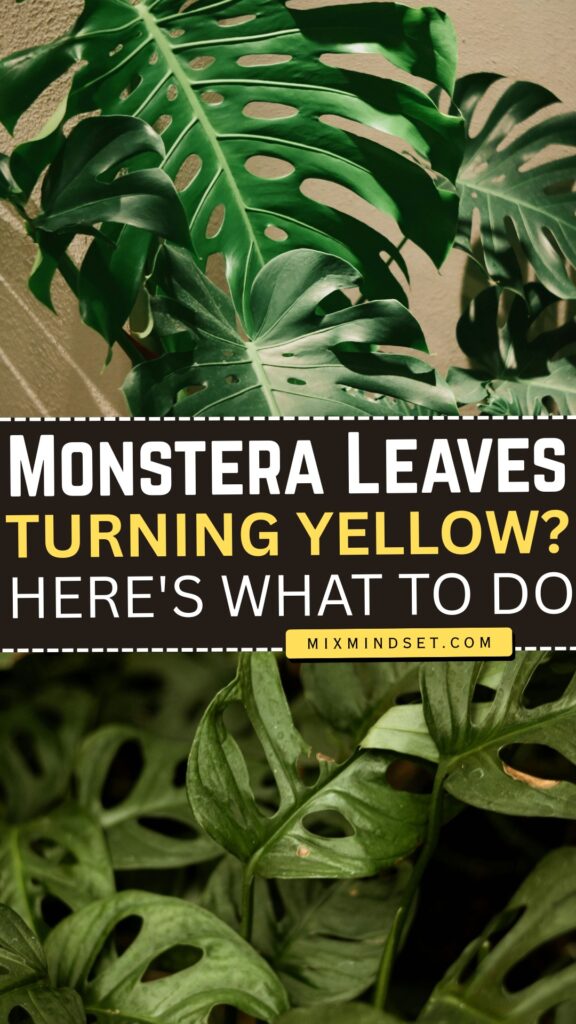
Earwigs are not the scary bugs some people make them out to be. They are about half an inch long, reddish‑brown, and have those famous pincers on their rear end. The good news is they do not crawl into your ears. That is an old myth.
The confusing part about earwigs: They are actually helpful in some ways. They eat aphids, insect eggs, and other pests that harm your plants . In fruit trees, they can be useful predators of aphids . But they are omnivores. When their numbers get too high, they turn to your flowers and vegetables.
The damage they leave behind:
- Small, ragged, irregular holes chewed in leaves
- Chewed edges on flower petals (dahlias, marigolds, roses, and zinnias are favorites)
- Damaged or completely eaten seedlings
- Chewed corn silks (which can ruin pollination)
- Holes in soft fruits like peaches, apricots, and plums
The simple rule: A few earwigs are not a problem. When you see a lot of them and your plants are getting chewed up, it is time to take action.
Step 1: Remove Their Hiding Places
Earwigs love dark, damp, tight spaces. During the day, they hide under mulch, leaves, rocks, and boards. Remove their homes, and you remove most of the problem.
What to do:
| Action | Why It Works |
|---|---|
| Clear away fallen leaves, plant debris, and weeds | Removes daytime hiding spots |
| Move firewood, logs, and landscape timbers away from garden beds | Eliminates sheltered areas |
| Avoid thick layers of mulch that hold moisture | Dry conditions discourage them |
| Keep grass and vegetation trimmed | Reduces damp, shaded areas |
| Create a “dry zone” 6-12 inches wide around garden beds | Earwigs avoid dry, open spaces |
| Move flower pots and other garden objects that can harbor earwigs | Removes hiding spots |
My personal experience: I had a thick layer of wood mulch around my dahlias, thinking I was helping the soil. When I finally pulled it back, I found a whole earwig city underneath. Now I use a thinner layer of mulch and keep it away from the plant stems. The difference was immediate.
Step 2: Set Up Simple Traps
Trapping is the most effective way to reduce earwig numbers without using chemicals. You will be amazed at how many you can catch in one night.
The Soy Sauce and Oil Trap (Most Effective)
This is the classic earwig trap, and it really works. The soy sauce attracts them, and the oil keeps them from escaping.
What you need:
- A small container (like a tuna can, cat food can, or nursery pot)
- Soy sauce
- Vegetable oil (canola or olive oil works)
- Water (optional)
How to set it up:
Step 1: Mix equal parts soy sauce and vegetable oil in your container. You only need about half an inch of the mixture. Some people add a little water too.
Step 2: Bury the container in the soil so the rim is level with the ground.
Step 3: Place traps near the plants that are being damaged.
Step 4: Check the traps each morning. Empty them into soapy water and reset.
Why it works: The smell of the soy sauce attracts earwigs. When they crawl in, the oil coats them so they cannot climb back out.
Rolled Newspaper Trap
This is a cheap, easy trap that takes almost no effort.
What you need:
- Newspaper or cardboard
- Soapy water
How to set it up:
Step 1: Roll up a few sheets of damp newspaper or cardboard into a loose tube.
Step 2: Place the rolls in your garden near the damaged plants, just before dark.
Step 3: In the morning, shake the earwigs out into a bucket of soapy water.
Step 4: Repeat every night until you stop catching them.
Flower Pot Trap
This is a great way to reuse old nursery pots.
What you need:
- A small flower pot
- Straw, hay, or crumpled newspaper
How to set it up:
Step 1: Stuff the flower pot loosely with straw, hay, or crumpled newspaper.
Step 2: Place it upside down near your plants, propped up slightly so earwigs can crawl in.
Step 3: Check it in the morning and shake the earwigs into soapy water.
Oil Pit Trap
This is a simple variation using just oil.
What you need:
- A low-sided can (tuna or cat food can works well)
- Vegetable oil (about ½ inch)
How to set it up:
Step 1: Fill the can with about ½ inch of vegetable oil.
Step 2: Bury it so the rim is level with the soil.
Step 3: For extra attraction, add a drop of bacon grease or fish oil.
Step 3: Use Natural Barriers
These methods create physical barriers that earwigs will not cross.
Diatomaceous Earth (DE)
Diatomaceous earth is a fine powder made from fossilized algae. It is harmless to people and pets but deadly to earwigs. When they crawl over it, the powder cuts their exoskeleton and they dry out.
How to use it:
- Sprinkle a thin layer of food‑grade diatomaceous earth around the base of your plants.
- Do not apply it in wet areas—it only works when it is dry.
Neem Oil Spray
Neem oil is a natural repellent that also disrupts insect feeding.
How to use it:
- Mix neem oil with water and a few drops of dish soap.
- Spray it on affected plants, especially the undersides of leaves.
- Repeat every few weeks, especially after rain.
Strong‑Scented Repellents
Earwigs are repelled by strong smells.
What to try:
- Sprinkle cinnamon, rosemary, lavender, or eucalyptus around your plants.
- Spray a mixture of 70% rubbing alcohol and water, or white vinegar and water.
Step 4: Encourage Natural Predators
Let nature do the work for you.
Natural enemies of earwigs include:
- Birds (especially chickens and ducks)
- Toads
- Ground beetles
- Garter snakes
- Parasitic flies that lay eggs on earwigs
What to do:
- Avoid using broad‑spectrum pesticides that kill these helpful creatures.
- Create a garden that attracts birds and toads (birdbaths, rocks for toads to hide under).
Step 5: Night Hand‑Picking
This sounds tedious, but it is surprisingly effective and kind of satisfying.
How to do it:
- Go out at night with a flashlight and a cup of soapy water.
- Check your plants and flick the earwigs you see into the cup.
- Just ten minutes of hand‑picking can make a big difference.
Quick Reference Table
| Method | How to Do It | When to Use |
|---|---|---|
| Soy sauce & oil trap | Bury container with soy sauce + oil at soil level | When you see plant damage |
| Rolled newspaper trap | Place damp newspaper rolls near plants overnight | Daily trapping, check each morning |
| Flower pot trap | Stuff pot with straw, place upside down | Daily trapping |
| Diatomaceous earth | Sprinkle powder around plant bases | When dry, reapply after rain |
| Neem oil spray | Mix with water + soap, spray on plants | Every 2-3 weeks or after rain |
| Remove hiding spots | Clear debris, thin mulch, trim vegetation | Ongoing prevention |
| Night hand‑picking | Go out with flashlight, drop in soapy water | When numbers are high |
Important Tips to Remember
- Trap every night. Consistent trapping reduces earwig populations to tolerable levels.
- Empty traps daily. A full trap does not catch more earwigs.
- Start early in the season. It is easier to control them before they multiply.
- Tolerate a few earwigs. They help control aphids and other pests. Complete elimination is not necessary—or realistic.
My Personal Earwig Routine
Here is what I actually do in my garden now.
Daily:
- I check my plants for new damage.
- I empty my soy sauce and oil traps each morning.
Weekly:
- I clear away any fallen leaves or debris.
- I check my mulch layer to make sure it is not too thick.
As needed:
- If I see a sudden increase, I put out newspaper rolls or flower pot traps.
- I go out at night with a flashlight and hand‑pick any earwigs I see.
Since I started this routine, my dahlias and marigolds have stayed beautiful. I still see a few earwigs, but they do not cause the damage they used to.
The Bottom Line
You do not need harsh chemicals to get rid of earwigs in your garden. Soy sauce and oil traps are the most effective method. Rolled newspapers and flower pots also work well.
Remove their hiding places by clearing debris and thinning mulch. Use diatomaceous earth and neem oil as natural barriers. Encourage birds and toads to visit your garden. And do not be afraid to go out at night with a flashlight and a cup of soapy water.
I used to dread finding my flowers destroyed overnight. Now I have a simple system that keeps earwigs under control without chemicals. Your garden can be protected too. Try these methods and see the difference for yourself.