How to Grow Potatoes in a 5-Gallon Bucket?
Grow a big harvest of fresh, homegrown potatoes using just a simple 5-gallon bucket. This beginner-friendly guide covers everything from choosing seed potatoes and preparing your bucket to hilling, care, and harvesting. #GrowPotatoes #ContainerGardening #DIYGarden #SmallSpaceGardening #HomegrownFood
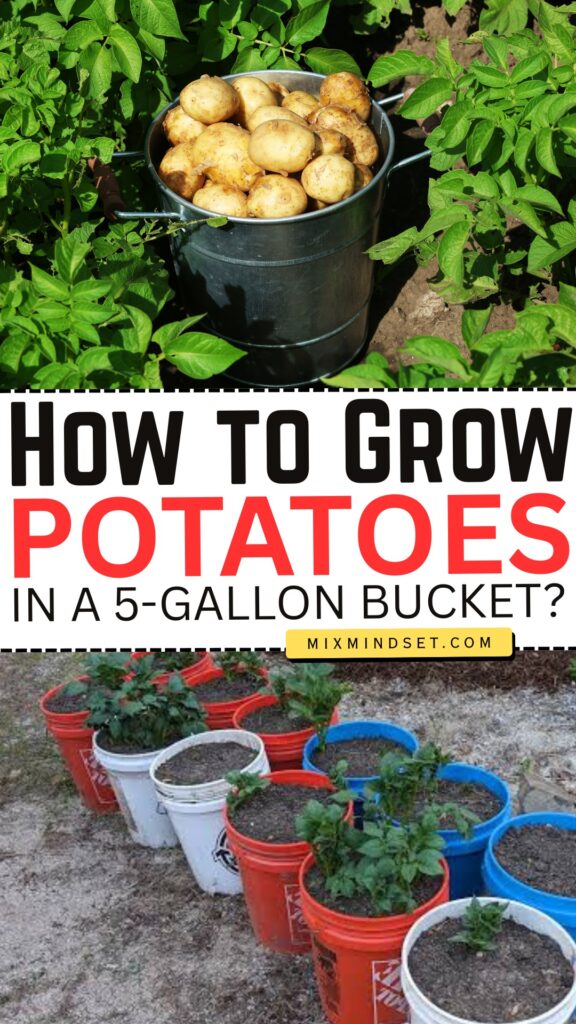
You don’t need a big garden to grow your own potatoes. I learned this years ago when I was living in a tiny apartment with just a small balcony.
I had almost no space, but I wanted to grow something I could actually eat. I tried growing potatoes in a 5-gallon bucket, and I was amazed at how well it worked.
That single bucket gave me enough potatoes for several meals. The best part was dumping the whole thing out at harvest time—no digging, no bending over, just pure satisfaction.
Now I grow potatoes in buckets every year, even though I have more space. It’s just easier.
Why a 5-Gallon Bucket Works Perfectly
A standard 5-gallon bucket is the ideal size for growing potatoes. Here is why I love this method so much.
What You Will Need
Step-by-Step Guide
Step 1: Prepare Your Bucket
Good drainage is the most important thing for growing potatoes. Without it, your potatoes will rot.
- Drill 8 to 10 drainage holes in the bottom of your bucket. Space them evenly so water can escape easily.
- If you are worried about soil washing out, place a piece of landscaping fabric or an old t-shirt over the holes before adding soil.
- If you are growing indoors or on a balcony, place a tray or saucer under the bucket to catch excess water.
Step 2: Prepare Your Seed Potatoes
- Chitting: Place your seed potatoes in an egg carton and leave them in a warm, dark place. Wait until the sprouts (called “chits”) are about 3/4 of an inch long. This gives them a head start.
- Cutting: If your seed potatoes are large, cut them into chunks. Each chunk must have at least two “eyes” (the little dimples where sprouts grow).
- Drying: After cutting, let the pieces sit in a cool, dry place for 1 to 2 days. This allows the cut surface to form a protective “scab” that prevents rotting when planted.
Step 3: Plant Your Potatoes
- Add about 4 inches of potting soil to the bottom of the bucket.
- Place your seed potato pieces on top of the soil with the sprouts facing up.
- For a 5-gallon bucket, plant 1 to 2 seed potatoes.
- Cover the potatoes with another 2 to 3 inches of soil.
- Water gently after planting to settle the soil.
Step 4: The Hilling Process
“Hilling” is the secret to getting more potatoes. As the plant grows, you add more soil to cover the stems. This encourages the plant to produce potatoes all the way up the buried stem.
- When the green shoots reach 6 to 8 inches tall, add about 3 inches of soil to the bucket.
- Leave only the top few leaves above the soil.
- Repeat this process every few weeks until the bucket is almost full.
My personal experience: The first time I grew potatoes in a bucket, I forgot to hill them. I ended up with a handful of tiny potatoes at the bottom. The next year, I hilled consistently, and I got three times as many potatoes. Hilling is not optional—it is essential.
Step 5: Watering and Care
Potatoes need consistent moisture, but they hate soggy soil.
- Water when the top inch of soil feels dry.
- In hot weather, you may need to water every 2 to 3 days.
- Keep the soil moist but not waterlogged.
- Place your bucket where it gets at least 6 hours of sunlight daily.
Step 6: Fertilizing (Optional but Helpful)
- At planting time, mix a balanced fertilizer (like 10-10-10) into the soil. Use about 1 to 2 tablespoons per bucket.
- You can also feed with liquid fertilizer every 2 to 4 weeks during the growing season.
Quick Reference Table: Potato Care at a Glance
| Task | What to Do | When |
|---|---|---|
| Prepare bucket | Drill 8-10 drainage holes | Before planting |
| Chitting | Place in warm, dark spot until sprouts appear | 1-2 weeks before planting |
| Cutting | Cut into chunks with at least 2 eyes each | Before planting |
| Planting | 4 inches deep, sprouts up, 1-2 per bucket | Spring, after frost |
| Hilling | Add 3 inches of soil when shoots reach 6-8 inches | Every few weeks |
| Watering | Keep soil moist, not soggy | When top inch is dry |
| Sunlight | 6+ hours daily | All season |
| Harvest | Tip bucket over when foliage dies back | 10-12 weeks after planting |
Harvesting
This is the best part. Harvesting potatoes from a bucket is incredibly easy and satisfying.
- When to harvest: Wait until the foliage turns yellow and dies back. This usually happens about 10 to 12 weeks after planting.
- How to harvest: Simply tip the bucket over onto a tarp or sheet. Gently sift through the soil with your hands to collect your potatoes.
- Curing: Let your freshly harvested potatoes sit in a cool, dark place for a week or two. This allows the skins to harden, which helps them store longer.
Common Problems and How to Fix Them
| Problem | Likely Cause | How to Fix It |
|---|---|---|
| Yellowing leaves | Overwatering or nutrient deficiency | Let soil dry out; check fertilizer schedule |
| No potatoes forming | Not enough hilling or poor soil | Hill consistently; ensure soil is loose and rich |
| Rotting potatoes | Poor drainage or overwatering | Improve drainage; water less frequently |
| Small potatoes | Overcrowding or not enough nutrients | Plant only 1-2 seed potatoes per bucket; fertilize regularly |
| Green potatoes | Exposed to sunlight | Hill properly so all potatoes are covered with soil |
My Personal Bucket Potato Routine
Here is what I actually do when I grow potatoes in a bucket. You can copy this.
Early spring:
- I buy certified seed potatoes from my local garden center.
- I place them in an egg carton in a warm, dark spot to chit.
Planting day:
- I drill drainage holes in my bucket.
- I add 4 inches of potting mix, place my seed potatoes with sprouts up, and cover with 2-3 inches of soil.
- I water well and place the bucket in the sunniest spot on my patio.
Every week:
- I check the soil moisture. If the top inch is dry, I water.
- I add more soil as the plant grows.
Harvest day:
- I tip the bucket over onto a tarp and collect my potatoes like treasure.
Since I started this routine, I have had a successful potato harvest every single year. It takes very little effort, and the payoff is fresh, homegrown potatoes that taste amazing.
The Bottom Line
Growing potatoes in a 5-gallon bucket is one of the easiest and most rewarding container gardening projects you can try. You do not need a big garden, fancy tools, or years of experience. Just a bucket, some soil, seed potatoes, and a sunny spot. Drill drainage holes, plant 1-2 seed potatoes, hill as the plant grows, water consistently, and harvest when the foliage dies back.
I started with one bucket on a tiny balcony. Now I grow potatoes in buckets every year, and they never disappoint. You can do this too. Grab a bucket, get some seed potatoes, and enjoy the satisfaction of harvesting your own homegrown spuds.