5+ Easy Ways to Get Rid of Green Algae Fast
Green algae can pop up on patios, fences, and furniture overnight, but you don't need harsh chemicals to get rid of it fast. This guide covers 5+ easy, natural methods using vinegar, baking soda, orange peels, and more to remove algae quickly. #AlgaeRemoval #OutdoorCleaning #DIYHome #GardenMaintenance #PatioCleaning
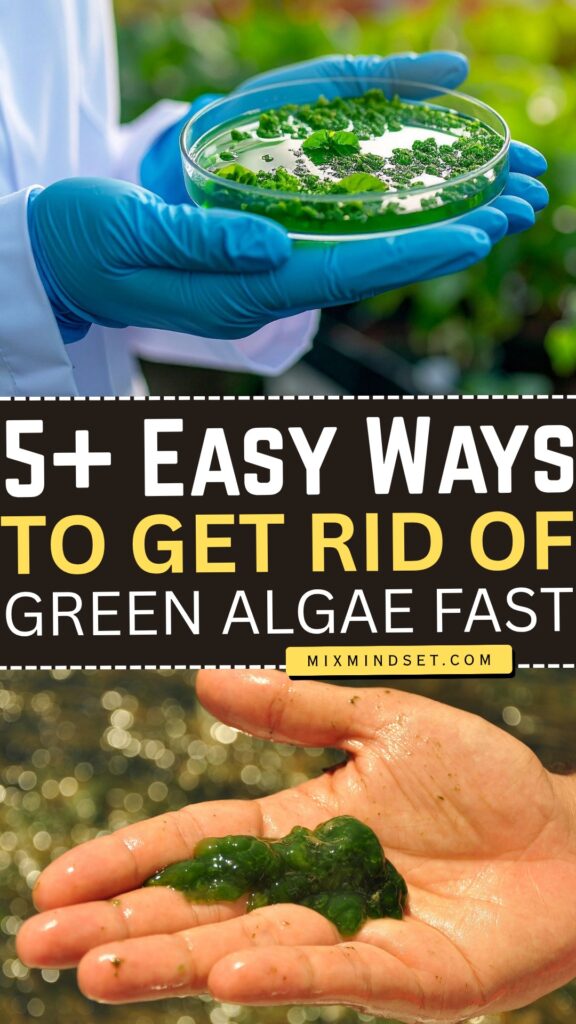
I used to think green algae was just a harmless stain that would eventually wash away. I was wrong.
That slimy green film on my patio and fence was not just ugly—it was making everything slippery and dangerous. I tried scrubbing it with plain water, but it kept coming back.
Then I discovered that common household ingredients like vinegar, baking soda, and even orange peels can wipe out algae fast. Now I get rid of green growth in minutes, not days. Here is what works.
What Is Green Algae and Why Does It Grow?
Green algae is a simple, plant-like organism that thrives in damp, shady conditions. It loves moisture, and it feeds on the minerals and dirt that collect on outdoor surfaces.
If you have a patio, fence, deck, or garden furniture that stays wet or shaded, algae will find it. The green film is not just unsightly—it can become slippery and dangerous, especially on walkways and steps.
The good news is that algae is easy to kill. It does not have deep roots like moss or weeds. It sits on the surface, which means you can break it down and wash it away with the right cleaner.
Method 1: White Vinegar Solution (Fast and Natural)
White vinegar is one of the most effective and affordable ways to kill green algae. Its acetic acid penetrates the algae’s cell walls, causing dehydration and death. It works on patios, fences, decking, furniture, and even garden ornaments.
What you need:
- White vinegar
- Warm water
- Spray bottle or bucket
- Soft brush or sponge
How to do it:
- Mix equal parts white vinegar and warm water in a spray bottle or bucket. For a stronger solution, use a ratio of 1 part vinegar to 4 parts warm water.
- Spray or pour the solution directly onto the algae-covered area.
- Leave it for 10 to 15 minutes. For stubborn growth, let it sit for up to 30 minutes.
- Use a soft brush to scrub away the slime. The algae should come off easily.
- Rinse with clean water.
My advice: I keep a spray bottle of vinegar solution under my kitchen sink. Whenever I see green spots on my patio, I spray it, wait 15 minutes, and hose it off. It is the fastest fix I have found.
Method 2: Orange Peel and Vinegar (Natural Degreaser)
For extra power, add orange peels to your vinegar solution. The oil in orange peels acts as a natural degreaser that helps strip away the waxy coating algae use to protect themselves.
What you need:
- White vinegar
- Orange peels
- A glass jar with a lid
How to do it:
- Fill a glass jar with white vinegar.
- Add orange peel slices and let them soak for about seven days.
- Strain the liquid into a spray bottle.
- Spray the solution onto the algae and let it sit for 10-15 minutes.
- Scrub and rinse clean.
Why it works: The citrus oil breaks down the algae’s protective coating, allowing the vinegar to kill it more effectively.
Method 3: Baking Soda Paste (Gentle and Abrasive)
Baking soda is a mild abrasive that helps loosen algae without damaging surfaces like wood or plastic. It is not a fast killer on its own, but it works well for scrubbing away stubborn green film.
What you need:
- Baking soda
- Water
- Soft brush or sponge
How to do it:
- Mix baking soda with enough water to form a thick paste.
- Apply the paste to the algae-covered area.
- Let it sit for 10 to 15 minutes.
- Scrub with a soft brush and rinse with water.
For extra power: Sprinkle baking soda directly onto the algae, then spray with vinegar. The fizzing reaction helps lift the algae.
Method 4: Baking Soda and Vinegar Mix (The Fizzing Combo)
This combination creates a powerful cleaning reaction that tackles even stubborn algae.
What you need:
- White vinegar
- Baking soda
- Spray bottle
- Soft brush
How to do it:
- Spray the algae-covered area with vinegar.
- Sprinkle baking soda over the vinegar.
- Let the mixture fizz and sit for 10-15 minutes.
- Scrub with a soft brush and rinse clean.
Alternative: Mix 2 parts vinegar, 1 part water, and 3 heaped spoons of baking soda to create a thick cleaning paste. Apply it to the algae, let it sit, and scrub.
Method 5: Boiling or Very Hot Water (Instant Kill)
If you have a small patch of algae, boiling water is the simplest solution. The heat kills the algae instantly.
What you need:
- A kettle of boiling or very hot water
How to do it:
- Boil water in your kettle.
- Carefully pour the boiling water directly onto the algae.
- The algae will die and turn brown or white.
- Scrub or hose it away once it has cooled.
Best for: Small areas like cracks in paving, bird baths, or garden ornaments. Do not use on surfaces that might crack from heat.
Method 6: Bleach Solution (For Tough, Non-Porous Surfaces)
For very stubborn algae on hard, non-porous surfaces like concrete or plastic, a diluted bleach solution can work fast. Use this sparingly and carefully.
What you need:
- Bleach
- Water
- Spray bottle
- Rubber gloves
How to do it:
- Mix 1 part bleach with 9 parts water.
- Spray the solution onto the algae.
- Let it sit for 10-15 minutes.
- Scrub and rinse thoroughly with water.
Important: Bleach can damage plants, discolor fabrics, and harm some surfaces. Always test on a small area first. Do not use on wood or delicate materials. Wear gloves and protect nearby plants.
Method 7: Commercial Algae Removers (No Scrubbing)
If you want a no-fuss option, commercial algae removers are fast and effective. Many are designed to be sprayed on and left to dry without scrubbing or pressure washing.
What to look for:
- Patio Magic Outdoor Mould Algae Killer: Kills green mould and algae with visible results in 2-4 days.
- Scrubb Algae Remover: Fast-acting, bleach-free, and suitable for patios, decking, fences, and roofs.
- Sika Mould Buster: Removes algae without scrubbing or pressure washing.
- Apply & Go Patio & Decking Cleaner: Fast-acting concentrated solution.
How to use: Follow the instructions on the product. Most are simply diluted and sprayed on.
Quick Reference Table: Which Method to Use
| Method | Best For | Time | Effort |
|---|---|---|---|
| White Vinegar Solution | Patios, fences, furniture, decking | 10-30 min | Low |
| Orange Peel + Vinegar | Tough, waxy algae | 10-15 min | Low |
| Baking Soda Paste | Wood, plastic, delicate surfaces | 10-15 min | Medium |
| Baking Soda + Vinegar | Stubborn patches | 10-15 min | Medium |
| Boiling Water | Small areas, cracks, ornaments | Instant | Low |
| Bleach Solution | Concrete, plastic, tough stains | 10-15 min | Medium |
| Commercial Remover | Large areas, no scrubbing | 2-4 days | Very low |
My Personal Algae Removal Routine
Here is what I actually do when green algae appears. You can copy this.
For quick touch-ups:
- I grab my vinegar spray bottle and mist the algae.
- I let it sit for 15 minutes while I do something else.
- I scrub lightly with a brush and hose it off.
For stubborn spots:
- I make a baking soda paste and apply it to the algae.
- I let it sit for 15 minutes, scrub, and rinse.
For large areas:
- I mix a bucket of vinegar and water and pour it over the patio.
- I let it sit, scrub with a broom, and rinse with a hose.
Since I started this routine, I have not had a serious algae problem. It takes almost no effort and costs very little.
How to Prevent Algae from Coming Back
Once the algae is gone, here is how I keep it from returning.
- Improve drainage. Algae loves standing water. Make sure your patio and deck have proper drainage.
- Increase sunlight. Trim back overhanging branches to let more sun reach the area.
- Sweep regularly. Remove leaves and debris that trap moisture.
- Apply a sealant. Some products can seal porous surfaces and prevent algae growth.
- Treat twice a year. A quick vinegar spray every spring and fall keeps algae from taking hold.
The Bottom Line
Green algae is annoying, but you do not need expensive chemicals to get rid of it. White vinegar is the fastest and cheapest solution—just spray it on, wait, and scrub.
Baking soda and orange peels add extra power for stubborn growth. For large areas, commercial algae removers work with almost no effort. The key is to act fast and treat regularly so the algae does not get a chance to spread.
I used to think green stains were permanent. Now I know they are not. Your patio, fence, and furniture can look clean and fresh again in minutes. Try one of these methods and see the difference for yourself.