The Easiest Way to Remove Mold From Caulk
Remove mold from caulk the easy way with simple kitchen ingredients. No harsh chemicals needed. This guide covers vinegar, baking soda, hydrogen peroxide, and bleach methods that actually work. #MoldRemoval #BathroomCleaning #DIYCleaner #HomeMaintenance #CleaningHacks
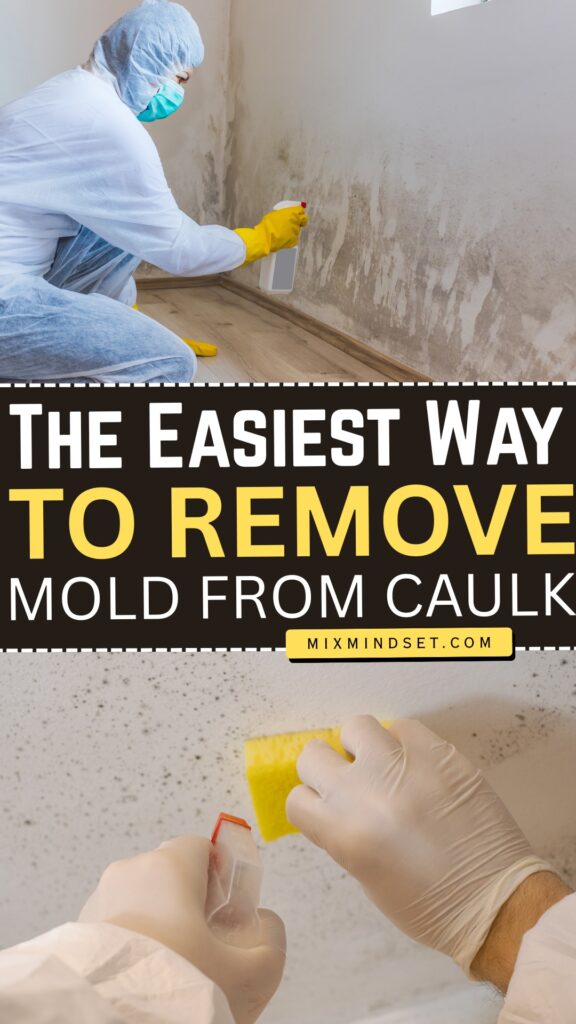
I remember the first time I saw black mold on my bathroom caulk. I scrubbed and scrubbed with bleach, but it kept coming back. I thought I had to replace the whole thing.
Then I learned that you can remove mold from caulk easily with simple things from your kitchen. No harsh chemicals. No expensive products. Just vinegar, baking soda, and a little patience.
Let me show you exactly how I fixed my bathroom caulk and kept it mold‑free.
What Causes Mold on Caulk?
Mold grows on caulk because it is damp and dark. Bathrooms and kitchens are perfect breeding grounds. The mold you see on the surface is often just the tip of the iceberg. The roots can go deep into the caulk.
Here is the thing: bleach will whiten the surface, but it does not always kill the roots. That is why the mold comes back so fast. You need a cleaner that penetrates the caulk and kills the mold at its source.
What You Will Need
Gather these simple supplies. You probably have most of them already.
| Item | Purpose |
|---|---|
| White vinegar | Kills mold naturally. Safe for most surfaces. |
| Baking soda | Gentle scrub that lifts stains. |
| Hydrogen peroxide (3%) | Kills mold and whitens caulk. |
| Bleach | Strong option for stubborn mold. |
| Old toothbrush | For gentle scrubbing. |
| Spray bottle | For applying vinegar or bleach solution. |
| Paper towels or cotton pads | For soaking and leaving on stains. |
| Rubber gloves | Protects your hands. |
Method 1: Vinegar and Baking Soda (My Favorite)
This is the method I use most often. It is natural, cheap, and works surprisingly well.
Why it works: Vinegar is acidic and kills mold spores. Baking soda is abrasive and lifts stains. Together, they are a powerful team.
What to do:
Step 1: Spray white vinegar directly onto the moldy caulk. Make sure you cover the whole area.
Step 2: Let it sit for 15 to 30 minutes. This gives the vinegar time to break down the mold.
Step 3: While you wait, mix baking soda with a little warm water to make a thick paste. It should be spreadable, not runny.
Step 4: Apply the baking soda paste over the vinegar‑treated caulk.
Step 5: Scrub gently with an old toothbrush. The paste will fizz and lift the mold.
Step 6: Rinse with warm water and dry with a clean cloth.
🧼 My Personal Experience: The first time I tried this, I was shocked. The black spots started coming off with almost no effort. I had been scrubbing with bleach for weeks, and this worked better in 15 minutes.
Method 2: Vinegar Soak (For Stubborn Mold)
If the mold is deep and stubborn, you need to let the vinegar sit longer.
What to do:
Step 1: Soak paper towels or cotton pads in white vinegar.
Step 2: Press them firmly against the moldy caulk.
Step 3: Leave them on for at least 1 hour. For really tough mold, leave them overnight.
Step 4: Remove the towels and scrub gently with a toothbrush.
Step 5: Rinse and dry.
⚠️ Important: Some people say vinegar does not always work on black mold. If you try this and the mold is still there, move to the next method.
Method 3: Hydrogen Peroxide (Stronger Than Vinegar)
Hydrogen peroxide is a great alternative to bleach. It kills mold and whitens caulk at the same time.
What to do:
Step 1: Pour 3% hydrogen peroxide into a spray bottle.
Step 2: Spray it directly onto the moldy caulk.
Step 3: Let it sit for 10 to 15 minutes.
Step 4: Scrub gently with a toothbrush.
Step 5: Rinse with water and dry.
For extra power: Mix hydrogen peroxide with baking soda to make a paste. Apply it to the caulk, let it sit for 10 minutes, then scrub and rinse.
Method 4: Bleach (For Stubborn Mold)
Bleach is the strongest option. It works well for serious mold, but it is harsh and can damage some surfaces.
What to do:
Step 1: Mix 1 part bleach with 10 parts water. For tougher mold, mix 1 part bleach with 4 parts water.
Step 2: Apply the solution to the moldy caulk using a spray bottle or a cloth.
Step 3: Let it sit for 10 to 15 minutes.
Step 4: Scrub gently with a toothbrush.
Step 5: Rinse thoroughly with water. Bleach residue can damage surfaces if left on.
Important: Never mix bleach with vinegar or ammonia. This creates toxic fumes.
Method 5: Commercial Mold Remover Gel (No Scrub)
If you do not want to scrub at all, a mold stain remover gel is a good option. These gels stick to the caulk and work without scrubbing.
What to do:
Step 1: Apply the gel directly to the moldy caulk.
Step 2: Let it sit for the time listed on the package.
Step 3: Wipe it away with a damp cloth.
🧼 My Personal Experience: I tried a gel remover once when I had a really bad mold problem. It worked well, but it cost more than vinegar and baking soda. Now I only use it for the worst cases.
Quick Reference Table: Which Method to Use
| Situation | Best Method | Wait Time |
|---|---|---|
| Light mold | Vinegar and baking soda paste | 15‑30 minutes |
| Stubborn mold | Vinegar soak with paper towels | 1 hour to overnight |
| Deeper mold | Hydrogen peroxide | 10‑15 minutes |
| Serious mold | Diluted bleach | 10‑15 minutes |
| No scrubbing | Commercial mold gel | Follow package |
What If the Mold Keeps Coming Back?
If you have cleaned the caulk multiple times and the mold keeps returning, the mold may be growing behind the caulk. When this happens, no amount of cleaning will fix it permanently. The caulk itself is compromised.
The only real fix: Remove the old caulk and apply fresh caulk. This is not as hard as it sounds. You can buy a caulk removal tool for a few dollars and re‑caulk your shower in an afternoon.
How to Prevent Mold from Coming Back
Once your caulk is clean, here is how I keep it that way.
- Dry the area after every shower. Use a squeegee or a towel to remove excess water.
- Keep the bathroom ventilated. Open a window or turn on the exhaust fan.
- Clean the caulk weekly. A quick wipe with vinegar and water stops mold before it starts.
- Fix any leaks. Dripping faucets or shower heads keep the caulk wet and encourage mold growth.
My Personal Cleaning Routine
Here is what I actually do in my own bathroom. You can copy this plan.
Every week (2 minutes):
- I spray vinegar on the caulk and wipe it down with a cloth.
- I dry the shower walls with a squeegee after every shower.
Every month (15 minutes):
- I apply the vinegar and baking soda paste to the caulk.
- I let it sit for 15 minutes, scrub gently, and rinse.
Every 6 months (1 hour):
- I do a deep clean with hydrogen peroxide.
- I check for any peeling or cracked caulk and replace it if needed.
Since I started this routine, I have not had a serious mold problem in years.
The Bottom Line
You do not need harsh chemicals or expensive products to remove mold from caulk. Vinegar, baking soda, and hydrogen peroxide are all you need. Start with the gentlest method—vinegar and baking soda. If that does not work, try hydrogen peroxide or bleach. And if the mold keeps coming back, it is time to replace the caulk.
I learned these tricks after years of fighting mold in my bathroom. Now I know exactly what to do, and my caulk stays clean and white. You can do this too. Your bathroom will thank you.