Gochujang Chicken Recipe
If you’re craving something bold, spicy, and deeply savory, gochujang chicken is about to become your new obsession.
Gochujang – a Korean fermented red chili paste – brings a unique combination of heat, sweetness, and umami that transforms simple chicken into a sticky, caramelized masterpiece.
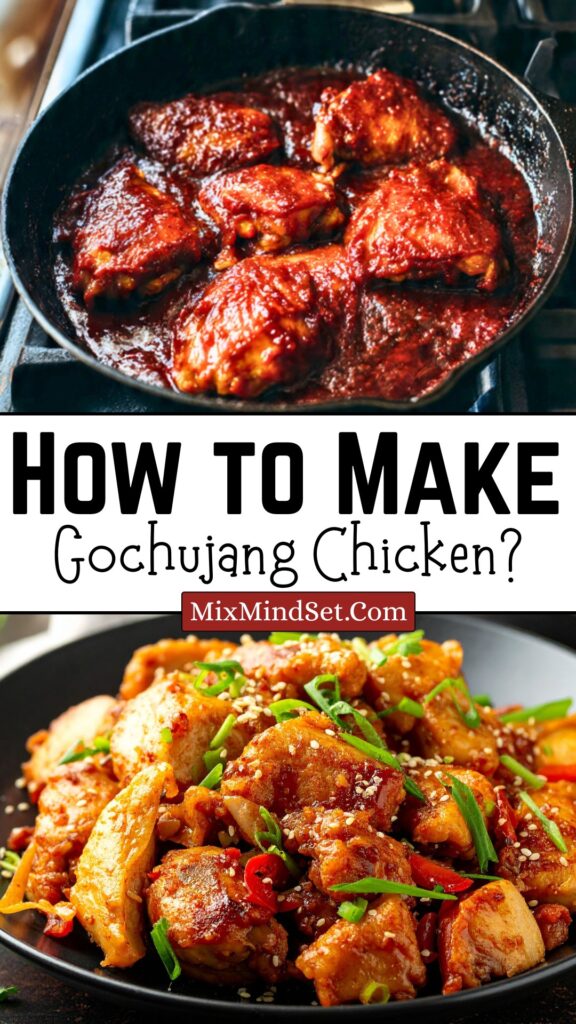
It’s not painfully spicy; it’s the kind of warmth that builds slowly and keeps you coming back for another bite.
I’m Fatima, and this gochujang chicken recipe is fast enough for a weeknight and impressive enough for guests.
We’ll pan‑sear juicy chicken thighs, then toss them in a glossy, sweet‑spicy glaze that clings to every piece. Serve it with rice and vegetables for a complete meal that beats any delivery.
What Is Gochujang? (And Why You Need It)
Gochujang is a thick, dark red paste made from chili powder, glutinous rice, fermented soybeans, and salt. It’s sweet, spicy, and funky all at once – like a Korean version of sriracha’s deeper, more complex cousin.
- Heat level – Mild to medium (about 1,000‑3,000 Scoville units, similar to jalapeño but sweeter).
- Flavor profile – Savory (umami), slightly sweet, with a fermented tang.
- Uses – Stir‑fries, marinades, soups, dipping sauces, and of course, this chicken.
You can find gochujang in the Asian section of most grocery stores or at Korean markets. It keeps for months in the fridge. This recipe uses gochujang as the star – no need for a dozen other bottled sauces.
Ingredients You’ll Need
For the Chicken
| Ingredient | Quantity | Notes |
|---|---|---|
| Boneless, skinless chicken thighs | 1.5 lbs | Thighs stay juicier; breasts work too |
| Salt | ½ tsp | |
| Black pepper | ¼ tsp | |
| Vegetable oil | 2 tbsp | For searing |
For the Gochujang Sauce
| Ingredient | Quantity | Notes |
|---|---|---|
| Gochujang (Korean chili paste) | 3 tbsp | Look for a red tub – not gochugaru (flakes) |
| Soy sauce (low sodium) | 2 tbsp | |
| Honey (or brown sugar) | 2 tbsp | Honey adds gloss; sugar works too |
| Rice vinegar (or apple cider vinegar) | 1 tbsp | For brightness |
| Sesame oil | 1 tsp | Toasted, for aroma |
| Garlic | 3 cloves | Minced |
| Ginger | 1 tsp | Grated (or ½ tsp powder) |
| Water | ¼ cup | To thin the sauce |
For Garnish & Serving
| Ingredient | Quantity |
|---|---|
| Cooked white rice | For serving |
| Sesame seeds | 1 tbsp |
| Green onions | 2, sliced |
| Steamed broccoli or bok choy | Optional |
Pro tip: If you’re sensitive to spice, start with 2 tbsp gochujang and taste. You can always add more heat later with a pinch of red pepper flakes.
How to Make Gochujang Chicken (Step‑by‑Step)
1. Prep the Chicken
- Cut chicken thighs into bite‑sized pieces (about 1‑inch chunks).
- Pat dry with paper towels. Season lightly with salt and pepper.
2. Make the Sauce
- In a small bowl, whisk together gochujang, soy sauce, honey, rice vinegar, sesame oil, garlic, ginger, and water.
- Set aside. The sauce should be pourable but thick – like maple syrup.
3. Sear the Chicken
- Heat 2 tbsp vegetable oil in a large skillet or wok over medium‑high heat.
- Add chicken in a single layer (work in batches if needed). Cook for 4‑5 minutes without moving, until browned and crispy on one side.
- Flip and cook another 3‑4 minutes until chicken is cooked through and golden.
- Remove chicken from the pan and set aside.
4. Make the Glaze
- Reduce heat to medium. Pour the gochujang sauce into the same skillet.
- Simmer for 1‑2 minutes, stirring constantly, until it thickens slightly and becomes glossy.
- Return the chicken to the pan. Toss to coat every piece in the sticky sauce.
- Cook for another 1 minute until the chicken is heated through and the sauce clings.
5. Garnish and Serve
- Transfer to a serving plate or bowl of steamed rice.
- Sprinkle with sesame seeds and sliced green onions.
- Serve immediately with steamed vegetables on the side.
Video Guide 📺
Pro Tips & Common Mistakes to Avoid
Do this ✅
- Use chicken thighs – They stay tender and juicy. Breasts dry out faster in the sticky glaze.
- Don’t crowd the pan – Searing in batches gives you that golden crust. Steamed chicken won’t have the same texture.
- Taste the sauce before cooking – Too spicy? Add more honey. Too sweet? Add a splash of vinegar.
- Make extra sauce – It’s amazing on rice, tofu, or roasted vegetables.
Avoid that ❌
- Using too much gochujang – 3 tbsp is the sweet spot. More can overpower the dish with fermented funk.
- Skipping the rice vinegar – The acidity balances the sweetness and heat. Don’t leave it out.
- Cooking the sauce too long – Over‑reducing makes it bitter and sticky in a bad way. Simmer just until glossy.
- Forgetting the garnish – Sesame seeds and green onions add texture and freshness. Don’t skip.
Nutrition Facts (Per Serving – 1½ cups chicken + sauce, without rice)
| Nutrient | Amount |
|---|---|
| Calories | 410 kcal |
| Protein | 34 g |
| Fat | 22 g |
| Saturated Fat | 5 g |
| Carbohydrates | 18 g |
| Fiber | 1 g |
| Sugar | 14 g |
| Sodium | 880 mg |
3 Easy Variations
| Variation | Changes |
|---|---|
| Gochujang Chicken Bowl | Serve over rice with shredded carrots, cucumber, kimchi, and a fried egg |
| Coconut Gochujang Chicken | Add ¼ cup coconut milk to the sauce for a creamy, Thai‑inspired twist |
| Sheet Pan Gochujang Chicken | Toss chicken with 1 tbsp oil and half the sauce. Roast with broccoli and bell peppers at 400°F for 20 minutes |
What to Serve with Gochujang Chicken?
- Steamed jasmine or brown rice – Absorbs the sticky sauce perfectly.
- Quick pickled cucumbers – Thinly slice cucumbers with rice vinegar, sugar, and salt for 10 minutes.
- Kimchi – The fermented tang pairs beautifully.
- Roasted bok choy or asparagus – Light, green contrast.
Frequently Asked Questions
Is gochujang chicken very spicy?
It’s mild to medium – similar to a spicy BBQ sauce. The honey and rice vinegar mellow the heat. For a milder version, use 2 tbsp gochujang and add 1 tbsp ketchup. For extra heat, add ½ tsp gochugaru (Korean chili flakes) or a squirt of sriracha.
Can I bake or air‑fry gochujang chicken instead?
Yes. Air fryer method: Toss raw chicken pieces with 1 tbsp oil and half the sauce (reserve remaining sauce). Air fry at 380°F for 12‑14 minutes, shaking halfway. Toss with reserved sauce and serve. Oven method: Bake at 400°F for 18‑20 minutes, then broil for 2 minutes. Toss with sauce after baking.
Can I use gochujang paste that’s been in the fridge for months?
Yes – gochujang lasts over a year in the fridge. If it looks dry, stir in a teaspoon of water or sesame oil to revive it. If you see mold (unlikely), discard.
What can I substitute for gochujang?
Mix 2 tbsp sriracha + 1 tbsp miso paste + 1 tsp sugar – it won’t be identical but gives a similar sweet‑spicy‑savory kick. Or use sambal oelek (chili paste) with a pinch of sugar and soy sauce.
How do I store leftovers?
Store in an airtight container in the fridge for up to 4 days. Reheat in a skillet over medium heat with a splash of water to loosen the sauce. Do not microwave – the sauce becomes rubbery.
Is this recipe gluten‑free?
Use tamari or coconut aminos instead of soy sauce. Check your gochujang label – many brands are gluten‑free, but some contain wheat. Sempio and Chung Jung One offer gluten‑free versions.
Final Thoughts
Gochujang chicken is one of those recipes that feels exciting and different but uses just one special ingredient.
The sauce is sticky, sweet, spicy, and deeply savory – everything you want in a weeknight stir‑fry. Once you taste that caramelized glaze against tender chicken, you’ll be making this on repeat.
Keep a tub of gochujang in your fridge. It turns plain chicken into something unforgettable.