Sticky Cabinet Residue? Here’s the Easy Fix
Remove sticky cabinet residue the easy way using common kitchen ingredients. This guide covers simple methods to clean greasy buildup without damaging your cabinets. #KitchenCleaning #CabinetCare #DIYCleaner #GreaseRemoval #HomeHacks
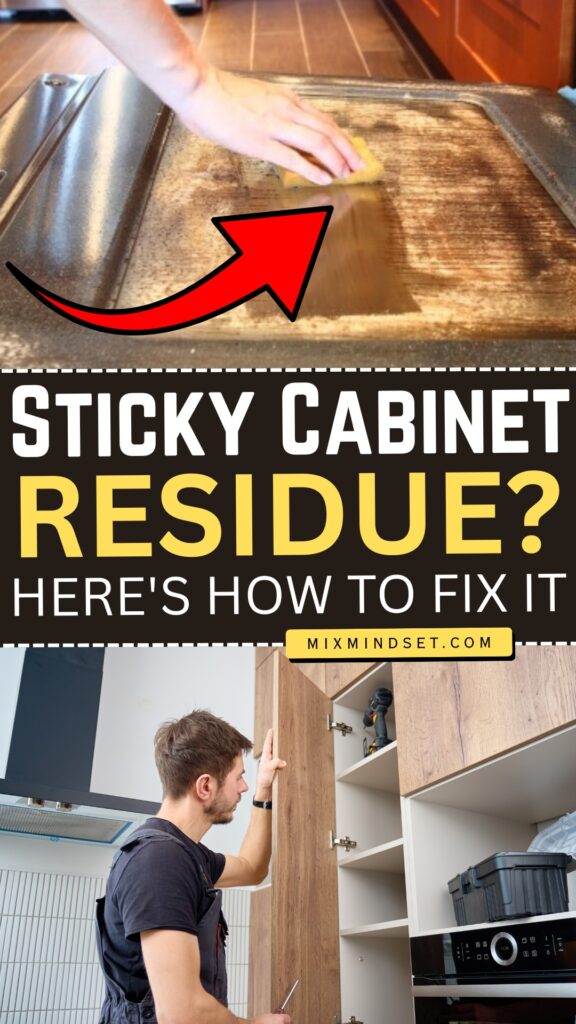
I remember the day I finally noticed my kitchen cabinets. I was reaching for a pan, and my hand stuck to the cabinet door. I looked closer and saw a yellowish, greasy film all over the wood. I felt grossed out. How long had that been there?
That sticky mess is from cooking oils, steam, and grease floating up from the stove. Over time, it lands on your cabinets and traps dust and dirt. The result is a tacky, dirty surface that looks bad and feels worse.
The good news is you do not need harsh chemicals or expensive cleaners. I learned that the best solutions are already in your kitchen. Let me show you exactly how I got my cabinets clean again.
Why Cabinets Get Sticky
Every time you fry, sauté, or sear food, tiny oil droplets rise into the air. They settle on every nearby surface, especially your cabinets. At first you cannot see them. But over weeks and months, that invisible film becomes a sticky, yellow mess that traps dust and dirt.
The grease buildup is worst on cabinets near the stove and around handles where you touch them most.
What You Will Need
Before you start, gather these simple supplies. You probably have most of them already.
| Item | Purpose |
|---|---|
| Mild dish soap (like Dawn) | Cuts through grease safely |
| White vinegar | Dissolves sticky residue naturally |
| Baking soda | Gentle abrasive for tough buildup |
| Microfiber cloths | Cleans without scratching |
| Soft sponge or toothbrush | For scrubbing crevices |
| Spray bottle | For vinegar solution |
| Dry towel | For drying surfaces |
Method 1: Dish Soap and Warm Water (For Light Grease)
This is the safest place to start. Dish soap is made to break down oils and fats, so it works perfectly on cabinet grease.
Step-by-step:
- Mix a few drops of mild dish soap with warm water in a bowl.
- Dip a soft cloth into the soapy water. Wring it out well. You want it damp, not dripping wet.
- Wipe down the cabinet surfaces. Follow the wood grain if you have wood cabinets.
- For sticky spots, let the soapy water sit for a minute before wiping.
- Rinse with a clean, damp cloth to remove soap residue.
- Dry thoroughly with a soft towel.
🍳 My Personal Experience: The first time I tried this, I was shocked at how much grime came off on my cloth. The water turned yellow-brown. I had to rinse and repeat several times. But after I dried everything, my cabinets looked brighter than they had in months.
Method 2: Vinegar and Water (For Tougher Grease)
White vinegar is a natural degreaser. Its acidity breaks down fatty molecules in kitchen grime.
Step-by-step:
- Mix equal parts white vinegar and warm water in a spray bottle.
- For wooden cabinets, use a more diluted mix (one part vinegar to two parts water) to protect the finish.
- Lightly spray the solution onto the greasy areas.
- Let it sit for a few minutes to loosen the grime.
- Wipe clean with a damp cloth.
- Dry thoroughly with a clean towel.
Important: Do not use undiluted vinegar directly on your cabinets. It can damage the finish over time. Always test the solution on a hidden spot first.
Method 3: Baking Soda Paste (For Stubborn Buildup)
For thick, baked-on grease that will not budge, baking soda is your best friend. It provides gentle abrasion and degreasing power.
Step-by-step:
- Mix two parts baking soda with one part water to form a thick paste.
- Apply the paste to the greasy areas using a soft cloth or sponge.
- Let it sit for 5 to 10 minutes to break down the grease.
- Gently scrub with a soft cloth using circular motions.
- Wipe clean with a damp cloth.
- Dry thoroughly.
For extra power, you can make the paste with vinegar instead of water. The foaming reaction helps lift away grime.
Method 4: Salt and Lemon (For Light Grease)
This natural method works well for everyday grime. The acid in lemon juice breaks down grease, and salt acts as a mild abrasive.
Step-by-step:
- Cut a lemon in half. Dip the cut side into salt.
- Rub the salted lemon directly onto the greasy areas.
- Let it sit for a few minutes.
- Wipe clean with a damp cloth.
- Dry thoroughly.
Warning: Do not use this method on lacquered, varnished, or unfinished wood cabinets. The acid can damage the finish. If you are unsure of your cabinet finish, stick to dish soap and water.
Quick Reference Table
| Situation | Best Method | Wait Time |
|---|---|---|
| Light, everyday grease | Dish soap and warm water | Immediate |
| Visible yellow film | Vinegar and water spray | 2-5 minutes |
| Thick, baked-on grease | Baking soda paste | 5-10 minutes |
| Light grime, natural cleaner | Salt and lemon | A few minutes |
Important Tips to Remember
- Always test first. Try any cleaner on a small, hidden spot before using it on the whole cabinet.
- Do not soak the wood. Use a damp cloth, not a wet one. Too much water can warp wood cabinets.
- Dry immediately. Always dry each section after cleaning to prevent water damage.
- Avoid abrasive tools. Do not use steel wool or scrub pads. They will scratch the finish.
- Wipe with the grain. For wood cabinets, always wipe in the direction of the wood grain.
How to Keep Cabinets Clean Longer
Once your cabinets are clean, here is how I keep them that way.
- Wipe down weekly. Use a damp cloth to wipe cabinets near the stove every week.
- Use your range hood. Turn it on every time you cook. It pulls grease out of the air.
- Clean spills immediately. If oil splashes on your cabinet, wipe it up right away.
- Consider cabinet wax. Applying wax or polish every few months creates a protective barrier.
My Personal Routine
Here is what I actually do in my own kitchen.
Every week (5 minutes):
- I wipe down the cabinets near my stove with a damp cloth.
Every month (20 minutes):
- I spray the vinegar and water solution on all my cabinets and wipe them down.
- I pay extra attention to the handles and areas around the stove.
Every 3-6 months (1 hour):
- I do a full deep clean. I use the baking soda paste on any stubborn spots.
- I dry and polish everything.
Since I started this routine, my cabinets have stayed clean and grease-free.
The Bottom Line
Sticky cabinet residue is frustrating, but you do not need harsh chemicals to remove it. Dish soap, vinegar, and baking soda are all you need. Each method works for different levels of grease.
Start with the gentlest method—dish soap and water. If that is not enough, move up to vinegar. For thick, baked-on grease, use the baking soda paste. And remember to always dry your cabinets afterward.
I learned these tricks after years of sticky cabinets. Now I know exactly what to do, and my kitchen looks clean and fresh. You can do this too. Your cabinets will thank you.