11 Drought-Tolerant Perennials Anyone Can Grow
Save water and still enjoy a beautiful, colorful garden with these 11 tough perennials that thrive on neglect. From the sun-loving yarrow to the shade-tolerant hosta, these plants are perfect for beginners and anyone who wants a low-maintenance garden. #DroughtTolerantPlants #LowWaterGardening #PerennialGarden #EasyCareGarden #Xeriscaping
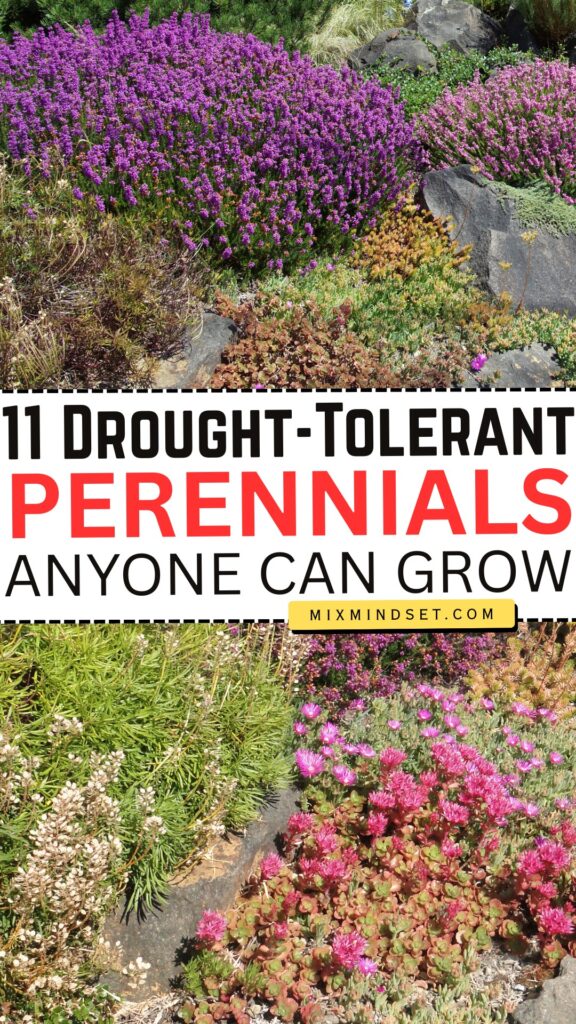
A few years ago, I was tired of watching my garden wilt every summer. I live in an area with water restrictions, and I felt guilty using so much water just to keep my flowers alive.
I wanted plants that could handle the heat without constant watering. After a lot of trial and error, I discovered drought-tolerant perennials.
These plants come back year after year and can survive long dry spells with almost no help from me. Now my garden is full of color, and I hardly ever water it. Here are 11 of the best ones that anyone can grow.
What Makes a Plant Drought-Tolerant?
Before we get to the list, let me explain what drought-tolerant actually means. These plants have special features that help them survive dry conditions:
- Deep roots: They can reach water deep in the soil.
- Thick or waxy leaves: This helps them hold onto moisture.
- Fuzzy or silver leaves: These reduce water loss and reflect heat.
- They store water: Some plants, like sedum, hold water in their leaves.
One important thing to remember: Even drought-tolerant plants need regular watering during their first year to get established. Once their roots are deep, they can take care of themselves.
11 Drought-Tolerant Perennials Anyone Can Grow
1. Yarrow
Yarrow is one of the toughest plants I have ever grown. It has feathery, fern-like leaves and flat clusters of flowers in white, yellow, pink, or red. It blooms for a long time and looks beautiful in a vase.
Why it is easy: Yarrow has deep roots that pull moisture from deep in the soil. Once established, it needs almost no water. It even grows well in poor, sandy, or rocky soil.
Care tips: Give it full sun and well-drained soil. It is very low-maintenance and deer-resistant.
2. Black-Eyed Susan
Black-eyed Susans are bright, cheerful flowers with yellow petals and dark brown centers. They bloom from mid-summer to fall and are perfect for beginners.
Why it is easy: They are low-water and easy to grow. They tolerate various soil types as long as the soil drains well.
Care tips: Plant in full sun to partial shade. They can spread a lot, so deadhead them if you do not want them to take over.
3. Coneflower (Echinacea)
Coneflowers are classic prairie plants with large, daisy-like flowers in purple, pink, white, and orange. They are very popular with bees and butterflies.
Why it is easy: They are drought- and heat-resistant. They thrive in full sun and poor soil. Once established, they need very little water.
Care tips: Plant in full sun with well-drained soil. Deadhead to extend blooming. Divide them every 3-4 years.
4. Butterflyweed
Butterflyweed is a native plant with bright orange flowers that bloom from late spring through summer. It has a large taproot that stores water and nutrients.
Why it is easy: It is very drought-resistant. It tolerates dry, poor, and clay soils. It is also a host plant for monarch butterflies.
Care tips: Give it full sun and well-drained soil. Avoid rich soil or overwatering.
5. Sedum (Stonecrop)
Sedum is a succulent plant with thick, fleshy leaves that store water. It produces clusters of small star-shaped flowers in late summer and fall.
Why it is easy: It is extremely drought-tolerant and can handle periods of heat without any trouble. It is also rabbit-resistant and grows in poor soils.
Care tips: Plant in full sun with well-drained soil. Water deeply and occasionally once established. ‘Autumn Fire’ is a great variety with sturdy stems.
6. Salvia
Salvia is a large family of gorgeous bloomers that come in many colors, including deep blue, purple, pink, and white. It blooms for months with very little effort.
Why it is easy: It shrugs off heat, cold, and drought. It is also deer-resistant. Many varieties have deep roots that make them very drought-tolerant.
Care tips: Give it full sun and well-drained soil. It is a favorite of bees, butterflies, and hummingbirds.
7. Catmint (Nepeta)
Catmint is a modern alternative to traditional lavender. It has small lavender-blue flowers and attractive grayish-green leaves.
Why it is easy: It is very low maintenance. Once established, it can pretty much look after itself. It is also resistant to deer and rabbits.
Care tips: Plant in full sun with good drainage. Water well until settled.
8. Lavender
Lavender is a classic Mediterranean plant with silvery foliage and fragrant purple flowers. It is a beautiful addition to any garden and is also edible.
Why it is easy: It needs very little water once established. It thrives in hot, dry, sunny conditions. It is also deer-resistant.
Care tips: Give it full sun and well-drained soil. Do not overwater.
9. Russian Sage
Russian sage is a sun-loving plant with silver leaves and sprays of blue-purple blooms. It blooms from summer through frost.
Why it is easy: It thrives in dry situations with reliable flowering. It is sun and heat-loving. It needs well-draining soil.
Care tips: Plant in full sun. It is very drought-tolerant once established.
10. Coreopsis (Tickseed)
Coreopsis is a cheerful, daisy-like flower that blooms in yellow, orange, pink, and red. It is a long-blooming perennial that is very easy to grow.
Why it is easy: It is drought-tolerant and low-maintenance. It grows well in poor soil.
Care tips: Give it full sun and well-drained soil. Deadhead to encourage more blooms.
11. Hosta
Hostas are known for their beautiful foliage in shades of green, blue, and gold. They are perfect for shady spots in your garden.
Why it is easy: While they prefer more moisture than other plants on this list, they can tolerate some drought once established. They are very low-maintenance.
Care tips: Plant in partial to full shade. They are a great choice for dry shade areas.
Quick Reference Table: 11 Drought-Tolerant Perennials at a Glance
| Plant | Sun Needs | Soil | Bloom Time | Height | Zones |
|---|---|---|---|---|---|
| Yarrow | Full sun | Well-drained | Summer to fall | 1-3 ft | 3-9 |
| Black-Eyed Susan | Full sun to part shade | Well-drained | Mid-summer to fall | 2-4 ft | 3-9 |
| Coneflower | Full sun | Well-drained | Summer to early fall | 2-4 ft | 3-9 |
| Butterflyweed | Full sun | Well-drained, dry | Late spring to summer | 1.5-3 ft | 3-9 |
| Sedum | Full sun | Well-drained | Late summer to fall | 1-2 ft | 3-9 |
| Salvia | Full sun | Well-drained | Late spring to frost | 1-3 ft | 4-9 |
| Catmint | Full sun | Well-drained | Late spring to late summer | 1-2 ft | 3-8 |
| Lavender | Full sun | Well-drained | Summer | 1-3 ft | 5-8 |
| Russian Sage | Full sun | Well-drained | Summer to frost | 2-4 ft | 5-9 |
| Coreopsis | Full sun | Well-drained | Summer to fall | 1-2 ft | 4-9 |
| Hosta | Part shade to full shade | Moist, well-drained | Summer | 1-3 ft | 3-9 |
Tips for Growing Drought-Tolerant Perennials
Water Deeply, Not Often
When you do water, give your plants a good, deep soak. This encourages their roots to grow deep into the soil, which makes them more drought-resistant. Shallow watering creates weak roots.
Add Mulch
A layer of mulch (like wood chips or straw) around your plants helps hold moisture in the soil and keeps the roots cool.
Do Not Over-Fertilize
Too much fertilizer can actually make plants more vulnerable to drought stress. These tough plants do well in poor soil, so go easy on the plant food.
Give Them Time
Remember, even drought-tolerant plants need regular watering during their first year. Be patient and let them get established.
My Personal Drought-Tolerant Garden Story
I started my drought-tolerant garden with just a few yarrow and black-eyed Susan plants. I planted them in a sunny, dry spot in my yard. The first summer, I watered them regularly. The next year, I hardly watered them at all, and they came back bigger and more beautiful than before. Now I have a garden full of color and life, and I do not worry about water restrictions. It is one of the best decisions I have ever made for my garden.
The Bottom Line
You do not need to spend hours watering your garden to have beautiful flowers. Yarrow, black-eyed Susan, coneflower, butterflyweed, sedum, salvia, catmint, lavender, Russian sage, coreopsis, and hosta are all tough, drought-tolerant perennials that are perfect for beginners. They are easy to grow, low-maintenance, and they come back year after year.
I used to think a beautiful garden meant constant watering and care. Now I know that with the right plants, you can have a stunning garden that practically takes care of itself. You can do this too. Pick a few of these plants, give them a good start, and enjoy your low-water, high-color garden.