12 Vegetables That Thrive in Winter
Grow fresh, crunchy vegetables even when the temperature drops. This guide covers the best winter vegetables that thrive in the cold, plus simple tips to keep your garden productive all season long. #WinterGardening #GrowYourOwnFood #ColdWeatherCrops #VegetableGardening #Homesteading
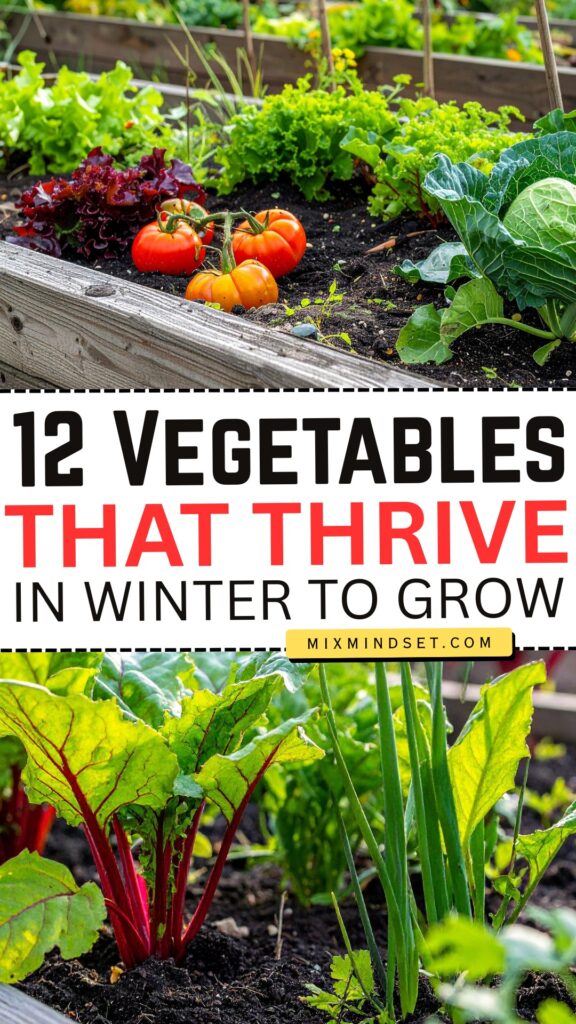
A few years ago, I thought winter meant the end of my vegetable garden. I packed away my tools and waited for spring.
Then a neighbor showed me her garden in January—full of green, healthy plants. She was harvesting kale and carrots while my garden sat empty. That changed everything.
I learned that many vegetables actually prefer the cold. Some even taste sweeter after a frost. Now my garden produces food all winter long. Here are 12 vegetables that thrive in the cold.
Why Some Vegetables Love Winter
Not all vegetables are the same. Warm-weather crops like tomatoes and peppers die at the first frost. But cold-hardy vegetables have a defense mechanism. When temperatures drop, they convert their starches into sugars. This acts like antifreeze, protecting their cells from freezing. The result? Sweeter, more flavorful vegetables. This is why kale, carrots, and Brussels sprouts taste better after a frost. Winter vegetables also have fewer pest problems. Many insects are dormant or dead in the cold months, so you will not have to fight off aphids and caterpillars.
12 Vegetables That Thrive in Winter
1. Kale
Kale is the undisputed king of the winter garden. It is extremely cold-hardy and can survive temperatures down to 20°F (-6°C) or even lower with protection. In fact, frost actually improves kale’s flavor, making it sweeter and more tender.
Planting time: Late summer to early fall, about 7-8 weeks before the first frost.
Harvest: Pick outer leaves as needed. The plant will keep growing.
Varieties: Lacinato, Red Russian, and Winterbor are all excellent choices.
2. Spinach
Spinach is a cold-hardy green that grows well in winter. It can survive temperatures down to 15°F (-9°C) and will keep producing leaves even in low light. Like kale, its flavor improves with cold weather.
Planting time: Late summer to early fall, about 5-6 weeks before the first frost.
Harvest: Pick outer leaves as needed. For baby spinach, harvest in 30-40 days.
Varieties: Bloomsdale, Winter Giant, and Tyee are all winter-hardy.
3. Carrots
Carrots are root vegetables that get sweeter in winter. They can survive temperatures down to 15°F (-9°C) and can be left in the ground all winter if mulched.
Planting time: Late summer to early fall, about 10-12 weeks before the first frost.
Harvest: Carrots can be harvested as needed. They store well in the ground. A thick layer of straw mulch helps keep the soil from freezing.
Varieties: Nantes, Chantenay, and Danvers are good winter choices.
4. Brussels Sprouts
Brussels sprouts are one of the hardiest vegetables. They can withstand several frosts and even an early snow. Their flavor is famously improved by frost, becoming sweeter and nuttier.
Planting time: Late spring to early summer. Brussels sprouts take a long time to mature, so they need a head start.
Harvest: Pick the sprouts from the bottom of the stalk upward as they mature.
Varieties: Long Island Improved, Jade Cross, and Catskill are reliable.
5. Leeks
Leeks are hardy vegetables that can survive the entire winter. They have a mild, sweet onion flavor that adds depth to winter soups and stews.
Planting time: Late spring to early summer.
Harvest: Leeks can be harvested throughout winter. Hill soil around the stems to blanch them (keep them white).
Varieties: American Flag, King Richard, and Blue Solaise.
6. Cabbage
Cabbage is a classic cool-season crop that can withstand frost. It stores well and is a staple of winter kitchens.
Planting time: Late summer to early fall, about 10-12 weeks before the first frost.
Harvest: Harvest when the heads are firm and solid.
Varieties: January King, Copenhagen Market, and Savoy cabbage.
7. Broccoli
Broccoli is a cool-weather plant that does not tolerate heat well. It can withstand light frosts and produces best in the cooler temperatures of fall and winter.
Planting time: Late summer to early fall, about 10-12 weeks before the first frost.
Harvest: Cut the main head when it is fully developed. Side shoots will continue to produce.
Varieties: Green Magic, Belstar, and Calabrese.
8. Cauliflower
Cauliflower is a bit more sensitive than broccoli, but it still thrives in cool weather. It needs consistent temperatures to form a good head.
Planting time: Late summer to early fall, about 10-12 weeks before the first frost.
Harvest: Cut the head when it is full and firm.
Varieties: Snowball, Snow Crown, and Amazing.
9. Swiss Chard
Swiss chard is a leafy green that is surprisingly cold-hardy. It can survive light frosts and will keep producing leaves throughout winter if protected.
Planting time: Late summer to early fall, about 8-10 weeks before the first frost.
Harvest: Pick outer leaves as needed. The plant will keep growing.
Varieties: Bright Lights, Fordhook Giant, and Rhubarb Chard.
10. Parsnips
Parsnips are root vegetables that need cold weather to develop their sweet flavor. They are one of the best vegetables for winter storage.
Planting time: Late spring to early summer. Parsnips take a long time to mature.
Harvest: Leave them in the ground until after a few frosts. The cold converts their starches to sugar.
Varieties: Hollow Crown, Harris Model, and Gladiator.
11. Beets
Beets are root vegetables that get sweeter with frost. Both the roots and the greens are edible and nutritious.
Planting time: Late summer to early fall, about 8-10 weeks before the first frost.
Harvest: Pull beets when they reach 1-3 inches in diameter. They can be stored in the ground with mulch.
Varieties: Detroit Dark Red, Golden, and Chioggia.
12. Mustard Greens
Mustard greens are fast-growing leafy greens that thrive in cool weather. They have a spicy, peppery flavor that adds a kick to winter salads.
Planting time: Late summer to early fall, about 6-8 weeks before the first frost.
Harvest: Pick outer leaves as needed.
Varieties: Red Giant, Southern Giant Curled, and Mizuna.
Quick Reference Table: 12 Winter Vegetables at a Glance
| Vegetable | Cold Hardiness | Planting Time | Harvest |
|---|---|---|---|
| Kale | Down to 20°F (-6°C) | Late summer to early fall | Outer leaves as needed |
| Spinach | Down to 15°F (-9°C) | Late summer to early fall | Outer leaves as needed |
| Carrots | Down to 15°F (-9°C) | Late summer to early fall | As needed, store in ground |
| Brussels Sprouts | Very hardy, handles snow | Late spring to early summer | Bottom to top |
| Leeks | Survives all winter | Late spring to early summer | Throughout winter |
| Cabbage | Withstands frost | Late summer to early fall | When heads are firm |
| Broccoli | Light frosts | Late summer to early fall | Cut main head, then side shoots |
| Cauliflower | Cool weather, sensitive | Late summer to early fall | When head is full and firm |
| Swiss Chard | Light frosts | Late summer to early fall | Outer leaves as needed |
| Parsnips | Needs cold for sweetness | Late spring to early summer | After frosts |
| Beets | Sweeter with frost | Late summer to early fall | 1-3 inches diameter |
| Mustard Greens | Thrives in cool weather | Late summer to early fall | Outer leaves as needed |
Tips for Growing Winter Vegetables
Choose the Right Spot
Winter sun is weaker and lower in the sky. Place your garden in the sunniest spot available. Most vegetables need at least 4-6 hours of sunlight even in winter.
Protect Your Plants
Cold weather can damage tender growth. Use simple protection methods:
- Row covers are lightweight fabrics that trap heat and protect from frost.
- Cold frames are wooden boxes with glass lids that create a mini greenhouse.
- Mulch (straw, leaves) helps insulate the soil and keep roots warm.
Water Carefully
Plants need less water in winter, but they still need moisture. Water when the soil is dry, but do not overwater. Wet soil can freeze and damage roots.
Feed Your Soil
Add compost or aged manure to your garden beds before winter. This provides nutrients and improves soil structure.
Start Seeds Indoors
For vegetables that take a long time to mature (like Brussels sprouts and leeks), start seeds indoors in late winter. This gives them a head start.
My Personal Winter Garden Routine
Here is what I actually do in my winter garden. You can copy this.
Late summer:
- I plant kale, spinach, carrots, and beets for a fall and winter harvest.
- I add compost to my garden beds.
Fall:
- I cover my winter vegetables with row covers when frost is predicted.
- I mulch around my carrots and beets to keep the soil from freezing.
Winter:
- I harvest kale and spinach as needed.
- I pull carrots and beets from the ground.
- I enjoy the sweetest vegetables of the year.
Since I started this routine, my garden has been productive all year round. Winter is no longer the end of the growing season—it is just another chapter.
The Bottom Line
A winter garden is not only possible, it is incredibly rewarding. Vegetables like kale, spinach, carrots, Brussels sprouts, leeks, cabbage, broccoli, cauliflower, Swiss chard, parsnips, beets, and mustard greens all thrive in the cold. Many of them taste better after a frost. With a little planning and protection, you can enjoy fresh, homegrown vegetables all winter long.
I used to think winter meant no gardening. Now I know it is one of the best seasons to grow food. Your garden can be productive too. Start with a few of these vegetables and enjoy the harvest all season long.