13 Plants That Naturally Repel Bugs
Keep bugs out of your garden naturally with these 13 powerful plants. From mosquito-repelling basil to aphid-fighting chives, this guide covers the best pest-deterring plants and how to grow them. #NaturalPestControl #GardeningTips #CompanionPlanting #OrganicGardening #PlantPower
A few summers ago, my vegetable garden was overrun with aphids. My tomatoes were covered, my peppers were struggling, and I was about to reach for a chemical spray.
Then a neighbor suggested I plant some basil and marigolds nearby. I was skeptical, but I tried it. Within weeks, the aphid population dropped, and my plants started thriving again. I learned that nature has its own pest control system.
Certain plants produce strong scents and natural compounds that bugs simply cannot stand. Instead of reaching for harsh chemicals, you can grow these 13 plants to keep your garden and home pest-free.
How Plants Repel Bugs
Plants have been defending themselves from insects for millions of years. Many produce essential oils with strong aromas that confuse or repel pests. Others contain natural compounds like pyrethrum, which is used in commercial insecticides. Some plants even attract beneficial insects that eat the pests. When you plant these natural repellents around your garden or home, you create a living barrier that bugs do not want to cross.
13 Plants That Naturally Repel Bugs
1. Basil
Basil is not just for pesto. This popular culinary herb is a powerhouse pest repellent. Its strong aroma keeps away mosquitoes, flies, aphids, mites, and tomato hornworms. Studies have shown that bush basil can even help neighboring plants fight off spider mites. Plant basil near doors and windows to discourage pests from entering your home. It works well as a companion plant for tomatoes, improving their growth and flavor while repelling hornworms.
Best for: Mosquitoes, flies, aphids, spider mites, tomato hornworms
2. Lavender
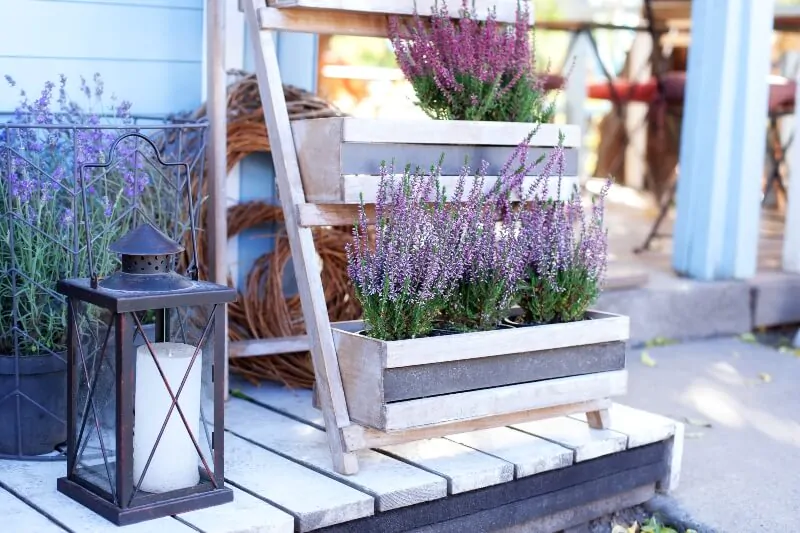
Lavender’s calming scent is loved by humans but hated by insects. The natural oils like linalool repel moths, fleas, flies, and mosquitoes. Place lavender bushes along paths, borders, or near seating areas to create a pest-free zone. You can also bring dried lavender indoors to keep moths out of your closets. It is one of the most effective and beautiful pest-repelling plants you can grow.
Best for: Mosquitoes, moths, fleas, flies
3. Rosemary
Rosemary is a woody evergreen shrub with aromatic foliage that repels a wide range of garden pests. It is effective against Japanese beetles, carrot flies, slugs, snails, and even cabbage moths. Its long-lasting oils can be noticed from quite a distance, creating a protective barrier around your garden. Rosemary also works well as a natural repellent for spiders, ants, and scorpions.
Best for: Japanese beetles, carrot flies, slugs, snails, mosquitoes
4. Marigolds
Marigolds are bright, vibrant flowers that do more than just look pretty. They emit a strong scent that repels mosquitoes, aphids, and other insects. French marigolds contain pyrethrum, a natural insecticide that deters nematodes, whiteflies, and tomato hornworms. Plant them near your vegetables to protect your crops from pests.
Best for: Mosquitoes, aphids, nematodes, whiteflies
5. Chrysanthemums
Chrysanthemums are among the most effective insect-repelling flowers. They contain pyrethrum, a natural compound used in many commercial insecticides. Their daisy-like blooms repel ants, cockroaches, ticks, fleas, bedbugs, and Japanese beetles. Plant them near entryways or in garden beds for maximum protection.
Best for: Ants, roaches, fleas, ticks, bedbugs, spider mites
6. Mint
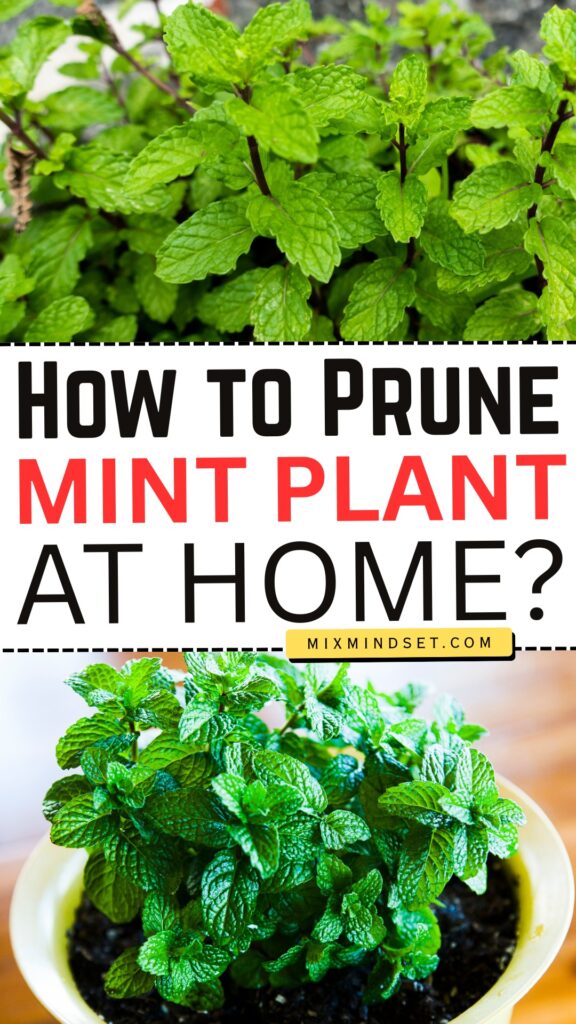
Mint is an upright perennial that forms thickets through underground runners. It is very high in oily aromatics that repel cabbage moths, ants, mice, and fleas. The essential oils in mint plants are worthy mosquito repellents. However, mint is a prolific grower that can take over your garden, so it is best to plant it in containers.
Best for: Ants, mosquitoes, cabbage moths, fleas
7. Garlic
Garlic is a member of the allium family with a strong scent that repels aphids, cabbage loopers, Japanese beetles, and carrot flies. Interplanting garlic with crops like tomatoes and potatoes can naturally reduce many pest problems. Its sulfur-like aroma is disliked by snails and slugs as well.
Best for: Aphids, Japanese beetles, carrot flies, slugs
8. Chives
Chives release sulfur compounds that naturally deter aphids and carrot flies. They are especially effective when planted alongside tomatoes and carrots. Chives are also known to repel spider mites and are often planted among roses to keep aphids away.
Best for: Aphids, carrot flies, spider mites
9. Lemongrass
Lemongrass is a tropical grass that contains citronella oil, making it a powerful mosquito repellent. It secretes chemicals like geraniol and citronellol that deter flies and other insects. Plant it in warm climates with plenty of sunlight for the best results.
Best for: Mosquitoes, flies
10. Catnip
Catnip is in the same family as mint and has a similar scent. Its fragrance is a deterrent to mosquitoes, cockroaches, and termites. Studies have shown that nepetalactone, the essential oil in catnip, is about ten times more effective at repelling mosquitoes than DEET. Your cats will love it, and so will your pest-free home.
Best for: Mosquitoes, cockroaches, termites
11. Dill
Dill repels aphids and spider mites from neighboring plants. It acts as an attractant to aphids, drawing them away from your other crops. Dill also attracts beneficial visitors like butterflies, ladybugs, and bees to your garden. A word of caution: dill is known to attract tomato hornworms, so keep it away from your tomato plants.
Best for: Aphids, spider mites
12. Sage
Sage is a hardy perennial that repels mosquitoes, flies, and other insects. Its strong scent is disliked by many common garden pests. You can plant it in well-drained soil and use the leaves in cooking. Burning dried sage leaves can also help clear your home of insects.
13. Nasturtiums
Nasturtiums are colorful flowers that can deter whiteflies, squash bugs, and cucumber beetles. They are also believed to repel bean beetles and leafhoppers. With their trailing growth habits, nasturtiums are great for containers and hanging baskets. They also attract beneficial insects like bees and butterflies to your garden.
Best for: Whiteflies, squash bugs, cucumber beetles
Quick Reference Table
How to Use These Plants Effectively
Plant Them Near Entry Points
Place basil, lavender, and rosemary near doors and windows to keep pests from entering your home. These plants create a natural barrier that bugs do not want to cross.
Use Companion Planting
Plant pest-repelling plants alongside your vegetables. Basil near tomatoes repels hornworms. Chives near carrots deter carrot flies. Garlic near potatoes reduces pest problems.
Grow in Containers
Some plants like mint and lemon balm spread aggressively. Growing them in containers keeps them under control while still providing pest protection.
Bring Them Indoors
You can grow many of these plants indoors on a sunny windowsill. Basil, mint, and lavender work well as houseplants and keep bugs out of your kitchen.
Crush Leaves for Instant Repellent
If you need immediate protection, crush a few leaves of basil, mint, or rosemary and rub them on your skin. The essential oils will temporarily repel mosquitoes and flies.
My Personal Pest-Repelling Garden
Here is what I actually do in my garden. You can copy this.
Around my patio:
- I plant lavender and rosemary in large pots near my seating area.
- I place basil on my kitchen windowsill.
In my vegetable garden:
- I plant marigolds around the edges of my tomato beds.
- I interplant garlic and chives between my pepper plants.
- I keep mint in a separate container to prevent it from taking over.
In my home:
- I keep a pot of basil on my kitchen counter.
- I place dried lavender sachets in my closets.
Since I started doing this, I have noticed far fewer pests in my garden and home. It is not a 100% solution, but it makes a significant difference.
Important Tips to Remember
- Repellent plants are not a magic bullet. They help reduce pest populations, but they may not eliminate them entirely. Pair them with good gardening practices like crop rotation and row covers for best results.
- Plant in groups. For the best effect, plant several of these plants together in clusters.
- Crush leaves to release scent. The oils that repel bugs are strongest when the leaves are bruised or crushed.
- Reapply as needed. If you are using crushed leaves as a repellent, reapply every few hours.
The Bottom Line
You do not need harsh chemicals to keep bugs out of your garden and home. Basil, lavender, rosemary, marigolds, chrysanthemums, mint, garlic, chives, lemongrass, catnip, dill, sage, and nasturtiums are all natural pest repellents. Each plant targets different bugs, so planting a variety gives you the best protection.
I started with a few basil plants and marigolds, and now my garden is full of natural pest-fighters. My vegetables are healthier, and I do not have to worry about chemical sprays. Your garden can benefit from these powerful plants too. Try them and see the difference for yourself.