7 Safe DIY Cleaners for Headstones
Clean headstones safely and respectfully with these seven gentle DIY recipes that protect the stone. From simple water and soft-bristle brushes to non-ionic soap and baking soda poultices, this guide covers effective methods that won't cause damage. #HeadstoneCare #CemeteryPreservation #DIYCLEANING #GraveMaintenance #MemorialCare
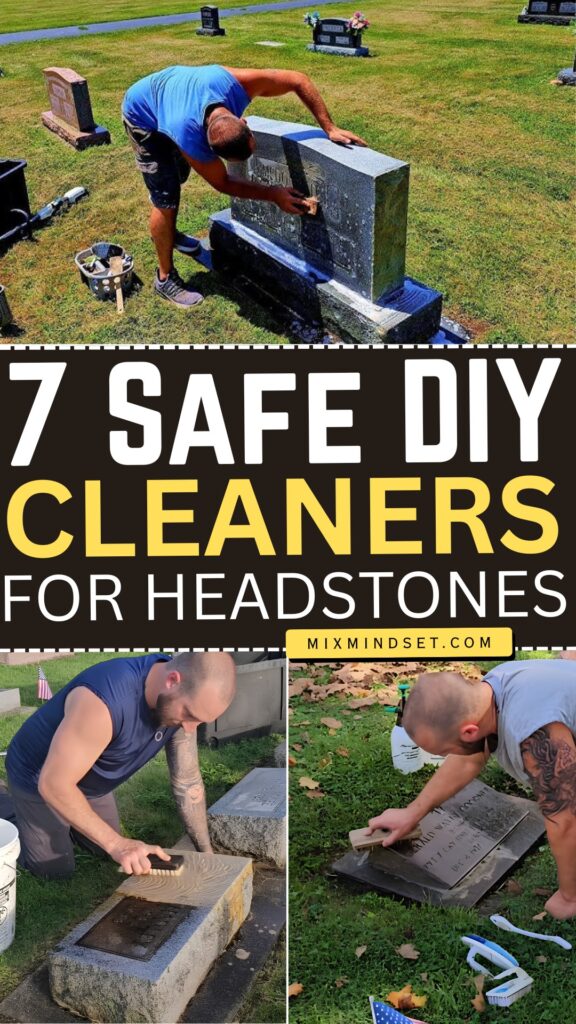
The first time I tried to clean a family headstone, I nearly made a terrible mistake. I grabbed a bottle of household cleaner and a scrub brush, ready to make it look new again.
At the last moment, I decided to look up whether it was safe. I was shocked to learn that most common household cleaners can permanently damage headstones. Vinegar, bleach, and even some soaps can eat away at the stone or leave stains that get worse over time.
I put down the bottle and started researching the right way to do it. Now I know exactly what is safe and what is not, and I want to share that knowledge with you.
The Golden Rule: Do No Harm
Headstones are made from natural stone like granite, marble, limestone, or slate. These materials are porous and can absorb chemicals that cause irreversible damage. The most important rule of headstone cleaning is to use the gentlest method first and only move to stronger methods if needed .
What to NEVER use:
| Avoid | Why |
|---|---|
| Bleach | Can cause brown staining and weaken the stone over time |
| Vinegar | Acidic—can dissolve marble and limestone, and is too harsh for granite |
| Ammonia | Harsh, can damage both stone and any metal elements |
| Abrasive cleaners or scouring pads | Scratch the surface and remove protective patina |
| Pressure washers | Can etch, crack, or permanently mark the stone |
| Household detergents | Can react with minerals in the stone and leave insoluble residues |
| Wire brushes or metal tools | Scratch and gouge the stone |
The Seven Safe DIY Cleaners
1. Plain Water (The Safest Option)
Always start here. Plain water is the safest and most effective cleaner for routine maintenance. Headstones are porous, and water helps loosen dirt without introducing any chemicals.
The National Park Service and cemetery conservation experts agree that water alone is often sufficient. For many stones, a thorough rinse and gentle scrub with a soft brush is all they need.
What you need:
- Clean water (distilled water is best to avoid mineral deposits)
- Soft-bristle brush (natural or nylon)
- Soft cloths
How to do it:
- Soak the headstone thoroughly with water. A wet stone is less likely to be scratched by loose grit.
- Gently remove loose dirt, leaves, or debris with your hands.
- Scrub the wet stone gently in circular motions with the soft brush.
- Rinse frequently with clean water.
- Pat dry with a soft cloth or let it air dry.
2. Mild Dish Soap and Water
For dirt that water alone cannot remove, a few drops of gentle dish soap are a safe next step. Use a mild, dye-free, and fragrance-free dish soap.
A 3 to 4 ounce addition to a quart of water is recommended for granite memorials. This solution is effective for removing light grime without harming the stone.
What you need:
- 3-4 ounces of mild dish soap (like Dawn or Ivory)
- 1 quart of water
- Soft-bristle brush
- Clean water for rinsing
How to do it:
- Wet the headstone thoroughly with clean water.
- Mix the dish soap with water in a bucket.
- Dip your brush in the soapy water and gently scrub the stone in circular motions.
- Rinse frequently with clean water.
- Rinse the stone thoroughly one final time to remove all soap residue.
3. Non-Ionic Soap Solution (The Professional Choice)
Non-ionic soaps are the gold standard for headstone cleaning. They are pH-neutral and do not leave behind harmful residues. Orvus WA Paste is a commonly recommended non-ionic soap.
These cleaners are safe for all natural stones, including marble, granite, and limestone. They are available at janitorial supply stores, photography supply stores, or online.
What you need:
- Non-ionic soap (like Orvus WA Paste)
- Water
- Soft-bristle brush
How to do it:
- Mix a small amount of non-ionic soap with water according to package directions.
- Wet the headstone thoroughly.
- Apply the solution with a soft brush and gently scrub.
- Rinse thoroughly with clean water.
4. Hydrogen Peroxide and Water Spray
Hydrogen peroxide is an effective cleaner for tackling mold, mildew, and biological growth on headstones. It is oxygen-based and does not damage the stone when used correctly. A simple spray solution is easy to make and apply.
What you need:
- 3% hydrogen peroxide
- Water
- Spray bottle
How to do it:
- Mix equal parts hydrogen peroxide and water in a spray bottle.
- Wet the headstone with clean water first.
- Spray the peroxide solution onto the stained or moldy areas.
- Let it sit for a few minutes.
- Scrub gently with a soft brush.
- Rinse thoroughly with clean water.
5. Baking Soda Poultice (For Stubborn Stains)
A poultice draws stains out of the stone. This method is particularly useful for removing deep-set stains or discoloration. Baking soda is gentle and effective for this purpose.
What you need:
- 1 cup baking soda
- 5 tablespoons liquid dish soap
- Enough 3% hydrogen peroxide to make a paste (about the consistency of yogurt)
- Plastic wrap
How to do it:
- Wet the stained area of the headstone.
- Mix the baking soda, dish soap, and hydrogen peroxide into a thick paste.
- Apply the paste to the stained area.
- Cover with plastic wrap to keep it moist.
- Leave it for several hours or overnight.
- Remove the plastic wrap and rinse the poultice off with water.
- Scrub gently with a soft brush if needed.
- Rinse thoroughly.
6. D/2 Biological Solution (Professional-Grade)
D/2 Biological Solution is a professional-grade cleaner that is widely recommended for headstones. It is a biocidal cleaner that kills mold, mildew, algae, and lichen.
In a National Park Service study, D/2 was the best performer among the cleaners tested. It is safe for all natural stone and does not damage inscriptions or gilding. It is available online or at some specialty stores.
What you need:
- D/2 Biological Solution
- Water
- Soft-bristle brush
How to do it:
- Wet the headstone with water.
- Apply D/2 according to the package directions.
- Let it sit for the recommended time to kill biological growth.
- Scrub gently with a soft brush.
- Rinse thoroughly with clean water.
7. Wet and Forget Outdoor Cleaner (A Safe Alternative)
Wet and Forget is another safe, gentle option for headstone cleaning. It is a no-scrub cleaner that works over time to remove mold, mildew, and algae. It is safe for all types of materials, including slate and granite. It is available at many home improvement stores.
What you need:
- Wet and Forget Outdoor Cleaner
- Water
- Spray bottle or pump sprayer
How to do it:
- Dilute Wet and Forget according to package directions.
- Wet the headstone with clean water.
- Apply the diluted solution to the headstone.
- Allow it to dry and work over time (results may take a few days to a week).
- No scrubbing is needed for this method.
Quick Reference Table: 7 Cleaners at a Glance
| Cleaner | Best For | Stone Types |
|---|---|---|
| Plain Water | Light dirt, routine cleaning | All stone types |
| Mild Dish Soap + Water | Light grime, general cleaning | Granite, marble, limestone |
| Non-Ionic Soap | Professional results, all-purpose | All natural stone |
| Hydrogen Peroxide + Water | Mold, mildew, biological growth | Marble, granite, limestone |
| Baking Soda Poultice | Stubborn, deep-set stains | Granite, marble |
| D/2 Biological Solution | Heavy biological growth, professional use | All natural stone |
| Wet and Forget | Biological growth, no-scrub cleaning | All stone types |
General Tips for Safe Headstone Cleaning
- Always start with the gentlest method. Water is often enough. Only move to stronger cleaners if needed.
- Wet the stone thoroughly before cleaning. A dry stone can absorb cleaners too deeply or be scratched by grit.
- Use soft brushes. Natural bristle or nylon brushes are safe. Never use wire brushes or metal tools.
- Rinse thoroughly. Leaving any cleaner residue can cause long-term damage.
- Never use pressure washers. Even low-pressure washers can damage stone.
- Be patient. Headstone cleaning is a gentle process. Do not rush or scrub too hard.
My Personal Headstone Care Routine
Here is what I actually do when I clean a headstone. You can copy this.
For routine visits:
- I bring clean water and a soft brush.
- I soak the stone, gently scrub away any loose dirt, and rinse.
- That is usually all it needs.
If I see mold or lichen:
- I use a hydrogen peroxide and water spray.
- I let it sit for a few minutes, scrub gently, and rinse.
For stubborn stains:
- I make a baking soda poultice and leave it overnight.
- I rinse it off the next day.
What I never use:
- Vinegar, bleach, ammonia, or any household cleaner.
- Abrasive pads or metal tools.
- A pressure washer.
The Bottom Line
Cleaning a headstone is an act of care and respect. The goal is to preserve the stone for future generations, not to make it look brand new at any cost.
The safest way to clean a headstone is with plain water and a soft brush. For tougher dirt, use a mild dish soap or a non-ionic cleaner. Never use vinegar, bleach, ammonia, abrasive cleaners, or pressure washers. These can cause permanent damage.
I learned the hard way that not all cleaners are safe for headstones. Now I know the right way to care for these memorials. You can do this too. Start with water, be gentle, and always prioritize preservation.