Easy Spanish Rice Recipe
There’s something quietly disappointing about a pot of Spanish rice that turns out mushy, bland, or—worst of all—burnt on the bottom.
You want those individual grains, that subtle warmth from spices, and a rich, savory tomato flavor that complements tacos, grilled chicken, or a simple pot of beans.
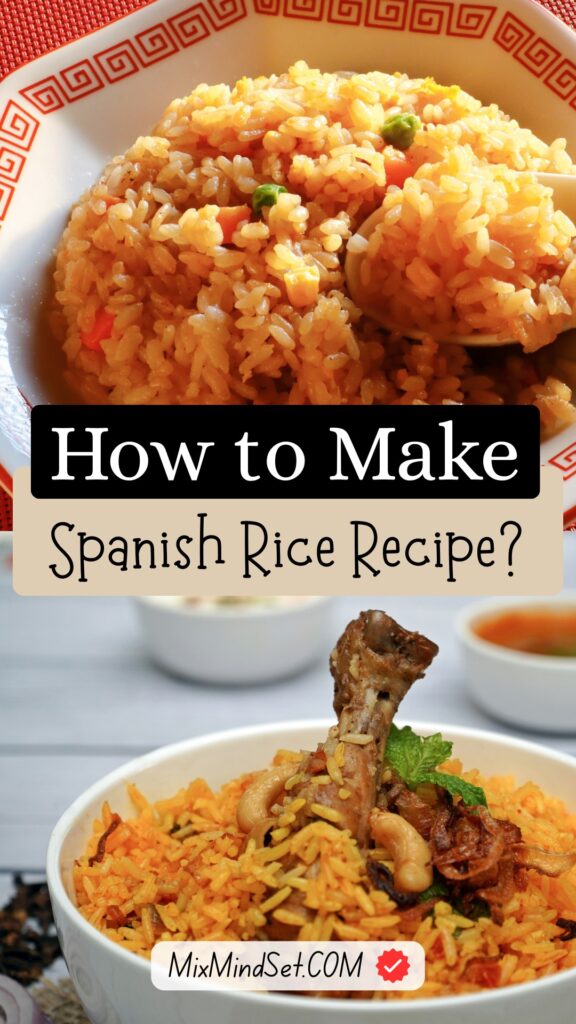
The good news? You don’t need a trip to your favorite restaurant to get it right. This easy Spanish rice recipe delivers consistent, restaurant-quality results using simple pantry staples and one pot.
Whether you’re a beginner in the kitchen or simply looking for a reliable side dish, this method breaks down the simple techniques that make all the difference.
Let’s walk through it step by step.
Table of Contents
Why Homemade Spanish Rice Beats the Box?
If you’ve relied on boxed mixes before, you know they often come with a high sodium count and a texture that leans toward sticky or pasty. Making Spanish rice from scratch gives you full control over flavor, texture, and ingredients.
The foundation of great Spanish rice is built on three key elements:
- Toasting the rice before adding liquid locks in a nutty flavor and prevents mushiness.
- Quality broth adds depth that water alone cannot provide.
- Aromatics like garlic, onion, and tomato create that savory backbone.
Once you master this base, you’ll find yourself skipping the box aisle entirely.
Ingredients You’ll Need
This recipe uses straightforward ingredients, most of which you probably already have on hand. The table below outlines everything you’ll need for a standard 4–6 serving batch.
| Ingredient | Amount | Notes |
|---|---|---|
| Long-grain white rice | 1 ½ cups | Jasmine or basmati also work; avoid short-grain for best texture |
| Vegetable or chicken broth | 2 ½ cups | Low-sodium preferred to control salt levels |
| Tomato sauce | 8 oz (1 small can) | Adds color and mild tomato flavor |
| Yellow or white onion | ½ cup, finely chopped | About half a medium onion |
| Garlic | 3 cloves, minced | Fresh is essential here |
| Olive oil or avocado oil | 2 tbsp | For toasting the rice |
| Ground cumin | 1 tsp | Provides earthy warmth |
| Paprika | ½ tsp | Use smoked paprika for a deeper flavor |
| Salt | 1 tsp | Adjust to taste depending on broth |
| Fresh cilantro | ¼ cup, chopped | Optional garnish |
| Lime wedges | For serving | Brightens the final dish |
Note: If you prefer a spicier version, add a pinch of cayenne or a finely diced jalapeño when sautéing the aromatics.
Step-by-Step Method
1. Sauté the Aromatics and Toast the Rice
Heat the oil in a medium-sized saucepan or Dutch oven over medium heat. Add the chopped onion and cook for 3–4 minutes until it becomes translucent. Stir in the minced garlic and cook for another 30 seconds—just until fragrant.
Add the uncooked rice to the pot. Stir continuously for 2 to 3 minutes. You’ll notice the rice grains turning slightly opaque and some may take on a light golden color. This toasting step is non-negotiable; it creates a barrier that helps the grains stay separate and absorb flavor without turning mushy.
2. Build the Flavor Base
Sprinkle the cumin, paprika, and salt over the toasted rice. Stir to coat the grains evenly. Pour in the tomato sauce and broth, scraping the bottom of the pot with a wooden spoon to lift any browned bits. Those bits are pure flavor.
3. Simmer Without Disturbing
Bring the liquid to a gentle boil. Reduce the heat to low, cover with a tight-fitting lid, and let it simmer for 18 to 20 minutes. Do not lift the lid during this time. Steam is essential for even cooking, and peeking releases that steam.
4. Rest and Fluff
After 20 minutes, remove the pot from the heat. Let it sit, covered, for another 10 minutes. This resting period allows the rice to finish steaming and firm up. Finally, remove the lid, gently fluff with a fork, and fold in fresh cilantro if using. Serve with lime wedges on the side.
Video Guide 📺
Nutritional Information
Understanding the nutritional profile of this dish helps you plan balanced meals. The values below are estimated per serving (based on 6 servings).
| Nutrient | Amount |
|---|---|
| Calories | 210 kcal |
| Carbohydrates | 38 g |
| Protein | 5 g |
| Fat | 4 g |
| Saturated Fat | 0.5 g |
| Fiber | 2 g |
| Sodium | 480 mg |
| Sugar | 2 g |
Practical Tips for Perfect Spanish Rice Every Time
Even simple recipes benefit from a few pro-level adjustments. Here are the small details that elevate this dish from good to great.
| Tip | Why It Matters |
|---|---|
| Rinse your rice | Rinsing under cold water until it runs clear removes excess starch, which helps prevent clumping. Do this before toasting. |
| Use a heavy-bottomed pot | Thin pots distribute heat unevenly, increasing the chance of burning. A Dutch oven or heavy saucepan is ideal. |
| Resist the urge to stir | Stirring after the liquid is added releases starch and creates a sticky texture. Let the rice cook undisturbed. |
| Adjust liquid for altitude | If cooking at high altitude, add an extra ¼ cup of broth and extend cooking time by 5 minutes. |
| Let it rest | The 10-minute rest off the heat is not optional—it allows moisture to redistribute for evenly cooked grains. |
Common Mistakes to Avoid
Even with a straightforward recipe, a few missteps can lead to disappointing results. Here’s what to watch out for.
| Mistake | How to Avoid It |
|---|---|
| Using converted or instant rice | These varieties are pre-cooked and will turn mushy. Stick with standard long-grain white rice. |
| Skipping the toasting step | Toasting develops flavor and structure. Without it, rice often turns out gummy. |
| Adding liquid before aromatics | Sautéing onion and garlic in oil first builds a flavor foundation that boiling with liquid cannot replicate. |
| Cooking on high heat | A gentle simmer is key. High heat evaporates liquid too quickly and leaves rice undercooked. |
| Overcrowding or doubling improperly | If doubling the recipe, use a wider pot so the rice layer is not too deep. Cooking time may increase slightly. |
Frequently Asked Questions
Can I use brown rice instead?
Yes, but adjustments are necessary. Brown rice requires more liquid and a longer cooking time. Use 2 ¾ cups of broth and simmer for 45–50 minutes. The flavor will still be excellent, but the texture will be chewier.
Why did my rice turn out gummy or sticky?
This usually happens for one of three reasons: the rice was not rinsed, the lid was lifted during cooking (releasing steam), or the rice was stirred after the liquid was added.
Can I make this ahead of time?
Absolutely. Spanish rice holds well for up to 3 days in the refrigerator. To reheat, add a splash of broth or water, cover, and warm on the stovetop over low heat. The microwave also works, but cover the bowl to trap steam.
Is this recipe gluten-free and dairy-free?
Yes, as written, this recipe is naturally gluten-free and dairy-free. Always double-check your broth label to ensure it aligns with dietary needs.
Can I freeze Spanish rice?
Yes. Let the rice cool completely, then portion it into freezer-safe bags or containers. It freezes well for up to 3 months. Thaw in the refrigerator overnight before reheating.
Conclusion
A truly great side dish should feel effortless—something you can rely on without second-guessing. This easy Spanish rice recipe delivers that confidence. With a few simple techniques—toasting the rice, using quality broth, and letting it rest—you’ll achieve consistently fluffy, flavorful results that complement any meal.
Once you’ve made it from scratch, you’ll likely find yourself returning to this method again and again. It’s the kind of recipe that becomes part of your rotation not because it’s complicated, but because it simply works.
Serve it alongside tacos, enchiladas, grilled steak, or even as a base for a burrito bowl. However you enjoy it, this Spanish rice is proof that the best dishes often come from the simplest steps.