How to Cook Egusi Soup?
There are some dishes that are so profoundly flavorful, so deeply connected to a place, they feel like a celebration in a bowl.
Egusi Soup is one of those dishes. A cherished staple across West Africa, this is not a delicate consommé or a thin, timid broth.
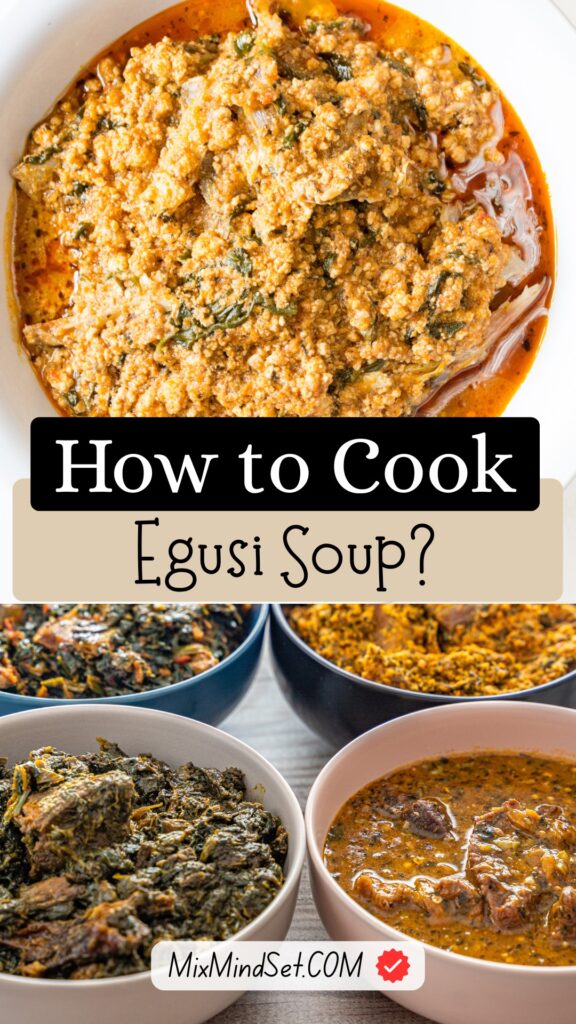
It is a rich, hearty, and deeply satisfying stew thickened with ground melon seeds (egusi) and infused with a magnificent combination of meats, fish, and earthy greens.
Often served alongside pounded yam, fufu, or eba, it is a symphony of textures and bold, savory flavors that will transport you with every single spoonful.
And here is the delicious secret: while it tastes like the masterwork of a seasoned grandmother, this soulful stew is surprisingly approachable.
You don’t need a kitchen full of exotic equipment or any formal training. With a little know-how, you can recreate this authentic, restaurant-quality West African classic in your own kitchen.
This guide will walk you through every step, from sourcing the key ingredients to achieving the perfect, velvety texture. Are you ready to make magic? Let’s cook.
The Heart of the Stew: Understanding Egusi
Before we start cooking, let’s talk about the star of the show: egusi. It might sound exotic, but it’s simply the dried, ground seeds of certain cucurbits (like melons, gourds, and squashes).
Think of it as West Africa’s answer to a super-powered thickener, similar to how ground nuts or seeds are used in peanut stews.
When cooked, raw egusi powder has a mild, nutty flavor. But the process of toasting or frying it in palm oil is what unlocks its true magic, giving the soup its distinctive nutty depth and its characteristic slightly grainy, yet wonderfully creamy texture.
I recommend sourcing the highest quality seeds you can find, often available in African grocery stores or online.
Ingredients for the Perfect Egusi Soup
The beauty of Egusi Soup is its flexibility. This versatile ingredient list serves as your canvas for creativity.
For the Base and Proteins
| Ingredient | Amount | Notes |
|---|---|---|
| Ground Egusi (melon seeds) | 2 cups | Toasted for a deeper, nuttier flavor. |
| Palm Oil | 1 cup | This vibrant red oil is non-negotiable for authentic flavor and color. |
| Assorted Meat (goat, beef, or tripe) | 1.5 lbs (about 700g) | Goat and beef cuts with bones provide the richest broth. |
| Smoked or Dried Fish | 1 cup | Breaks down and melts into the stew, infusing it with a savory, oceanic depth. Soak to soften. |
| Stockfish (dried cod) | 1 cup (optional) | Adds another layer of umami. Soak to soften. |
| Ground Crayfish | 3 tbsp | A secret weapon! It’s a pungent, dried shrimp powder that adds an incredible depth of flavor. |
The Aromatics, Spices, and Vegetables
| Ingredient | Amount | Notes |
|---|---|---|
| Onions | 2 large | Diced. The foundation of flavor. |
| Scotch Bonnet Peppers | 2-3 (to taste) | For heat. You can blend them with the bell peppers or add whole to simmer. |
| Bell Peppers and Tomatoes | 2 peppers, 3 tomatoes | Blended into a smooth paste to create the stew’s base. |
| Seasoning Cubes | 2-3 | For savory depth. |
| Bitter Leaf or Spinach | 3 cups | Washed and thinly sliced. Bitterleaf is classic, but fresh spinach is an excellent substitute. |
💡 Pro Tip: Toasting the ground egusi in a dry pan before adding it to the pot is the single most important step for unlocking that rich, nutty depth that separates a good soup from a truly spectacular one.
Mastering the Technique: The “Caking” Method
The secret to the unique texture of Egusi Soup lies in how you handle the ground seeds. We use the caking method.
This involves mixing the ground egusi with a little water to form a thick, damp paste, and then cooking it until it solidifies into clumps or “cakes” before breaking it apart.
This crucial step ensures the egusi doesn’t remain a loose powder but instead transforms into the hearty, satisfying “chunks” that are the hallmark of a perfect bowl of egusi soup.
How to Cook Egusi Soup: A Step-by-Step Guide
Follow these steps and you will be rewarded with a pot of sublime, flavorful stew.
1. Prepare the Meat and Fish.
First, thoroughly wash your assorted meat, stockfish, and smoked fish. In a large pot, season the meat with chopped onions, salt, and a seasoning cube, then add enough water to cover and cook until tender.
2. Create the Egusi Paste.
While the meat is cooking, prepare your egusi. Mix the ground egusi with about a half cup of warm water. Stir until it forms a solid, lumpy paste, the texture of wet sand. Set this aside.
3. Fry the Egusi Cakes.
This is the most magical step. In a separate, large, heavy-bottomed pot, heat the palm oil on medium-high for a minute until it’s shimmering but not smoking.
Carefully scoop the egusi paste into the hot oil in small dollops. Let them fry without stirring for a minute or two until they solidify, then flip them with a spatula to fry the other side. You are creating crispy, nutty egusi cakes.
4. Build the Stew.
Once your egusi cakes are nicely browned, it’s time to build your stew. Add your blended pepper and tomato mix (onions, bell peppers, tomatoes, and scotch bonnet) to the pot, stirring it in with the fried egusi. Crumble the large egusi cakes with the back of your spoon as you stir.
5. Combine and Simmer.
Now, pour in your prepared meat stock (the liquid from cooking the meat) a little at a time, stirring continuously to incorporate everything into a thick, bubbling stew. Let the stew simmer for about 10-15 minutes. You will know it’s working when the red palm oil rises to the top, creating a beautiful, vibrant sheen.
6. Add the Proteins and Final Touches.
Time to bring it all together. Add your cooked assorted meats, your softened stockfish and smoked fish, and your ground crayfish. Stir well and let everything simmer together for another 5-10 minutes, allowing all the flavors to meld and the stew to thicken to your liking.
7. Add Your Greens.
Finally, in the last few minutes of cooking, stir in your chopped bitter leaf or spinach. The greens should wilt into the stew but retain some of their vibrant color. Then, it’s ready!
Video Guide 📺
The Joy of an Egusi Soup Feast
Your piping hot Egusi Soup is now ready to be carried to the table. But a feast is not a feast without its perfect partner. This soup is traditionally ladled over a mound of fufu, pounded yam, or eba.
These dense, doughy starches are not sides but the main tools for eating. Tear off a small piece, form it into a scoop, and use it to capture a glorious spoonful of your rich, seed-thickened stew.
The combination is transcendent. The cool, starchy, slightly tangy fufu is the perfect foil to the warm, savory, nutty, and spicy soup.
Expert Tips for Egusi Soup Success (And Mistakes to Avoid)
Here are some expert tips to ensure your Egusi Soup adventure is a resounding success.
✅ Do This for a Flavorful, Aromatic Stew
- Fry the egusi first: As mentioned, this is the most crucial step for developing the deep, nutty flavor. Do not skip it!
- Use high-quality palm oil: The distinctive vibrant color and earthy flavor of a good, fresh red palm oil are essential for an authentic taste.
- Don’t rush the simmer: Give the stew time for all the flavors to come together. The meat stock and the proteins need time to infuse the oil and the thickener.
- Adjust the consistency: Egusi soup thickens as it cools. If you prefer a looser soup, add a little more hot water or stock at the end and stir thoroughly.
❌ Common Mistakes to Avoid
| Mistake | Why It Happens | The Fix |
|---|---|---|
| The soup is too bitter | You added bitter leaf too early or didn’t properly prepare it. | When using bitterleaf, parboil it in water, then squeeze out the water vigorously a few times to remove the bitterness before adding to the stew. |
| The egusi powder doesn’t thicken | You added the raw powder directly to the liquid without forming a paste or frying it. | Always form a paste with water and fry the egusi in oil to activate its thickening properties. |
| The oil floats on the top | This is actually a good sign! The oil rising to the top indicates the soup is cooked and ready. Simply stir it back in before serving. | No fix needed; it’s a traditional indicator of doneness. |
| The stew is too thin or watery | You added too much water and didn’t let it simmer long enough to reduce. | Let the stew simmer uncovered for longer. The liquid will reduce, and the soup will naturally thicken. |
| The flavors are dull or muted | You were shy with the seasoning. | Don’t skimp on the basics. Use a generous amount of salt, onions, garlic (if using), and a quality African seasoning cube. |
Frequently Asked Questions
What is Egusi?
Egusi is the seeds of a type of gourd or melon native to West Africa. When dried and ground, the powder is used as a primary ingredient for thickening and flavoring classic West African soups and stews.
Where can I buy Egusi seeds?
You can usually find them in international or African grocery stores, either as whole seeds or pre-ground. They are also widely available online on sites like Amazon.
What is the best oil to use for Egusi Soup?
Authentic Egusi Soup requires good quality, unbleached red palm oil. It’s what gives the soup its iconic color and a significant part of its distinctive, earthy flavor. Other oils will not produce the same taste.
Is this dish spicy?
It can be! The heat level is determined by the number of scotch bonnet peppers you use. You have total control. For a mild soup, you can use just one pepper, taking care to remove the seeds. For those who love heat, add more or leave the seeds in.
What goes best with Egusi Soup?
It is traditionally served with a “swallow”–a dense, doughy ball of starch used to scoop up the soup. The most popular choices are fufu, pounded yam, and eba, but dishes like amala, semolina, or even plain boiled rice also pair beautifully.
Can I make Egusi Soup ahead of time?
Absolutely! Like many stews, it is even better the next day as the flavors have more time to meld. Store it in an airtight container in the refrigerator for up to 5 days, or freeze it for up to 3 months. Reheat gently on the stovetop, adding a little water if it has thickened too much.
Nutritional Information (Per Serving)
Values are estimates and can vary based on specific ingredients and portion sizes.
| Nutrient | Amount (approximate) |
|---|---|
| Calories | 500-600 kcal |
| Protein | 25-35 g |
| Fat | 35-45 g |
| Carbohydrates | 10-15 g |
| Fiber | 3-6 g |
Concluison
Cooking Egusi Soup is more than just following a recipe; it’s about participating in a rich cultural tradition. With patience, a good pot, and the right ingredients, you’re not just making dinner—you’re creating an experience. It’s a bowl of pure, flavorful comfort that connects you to a cherished culinary heritage.
Whether you serve it at the heart of a large family gathering or enjoy a quiet bowl after a long week, Egusi soup is a meal that warms from the inside out. Embrace the process, experiment with your favorite proteins and greens, and feel the pride that comes from creating something truly special and deeply delicious.
Now go cook that soulful stew.
— Fatima